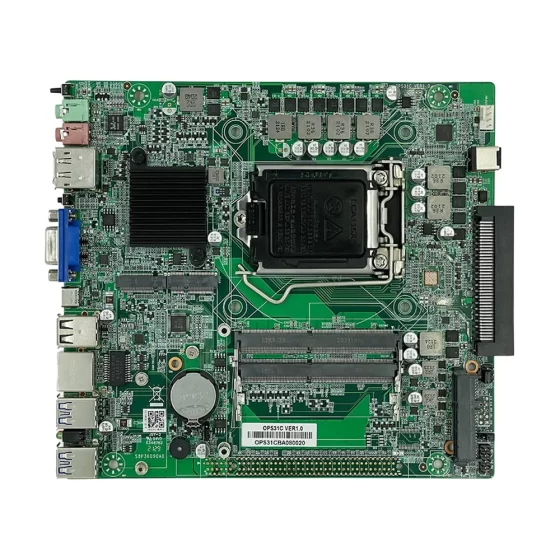
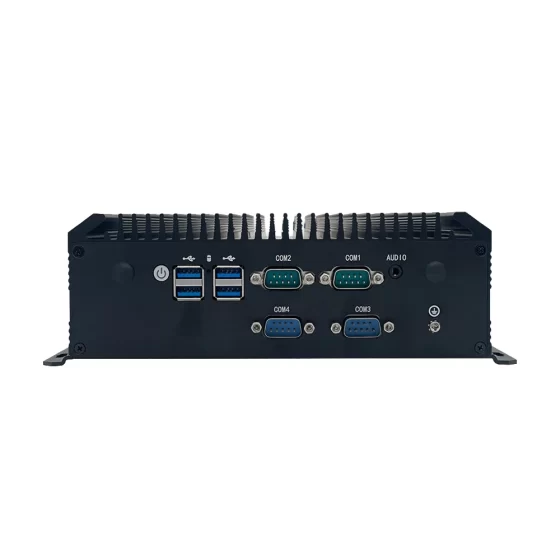
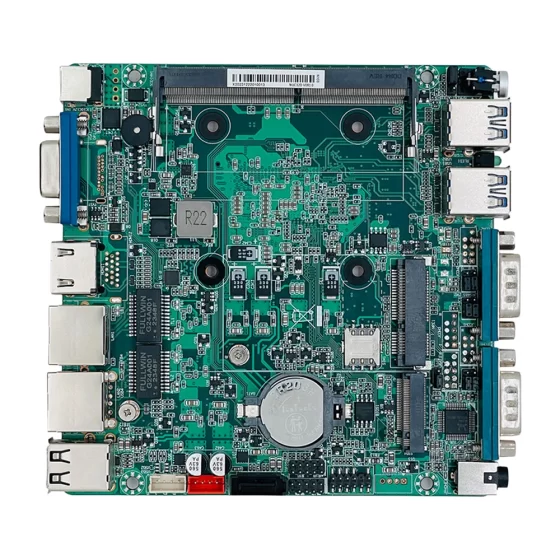
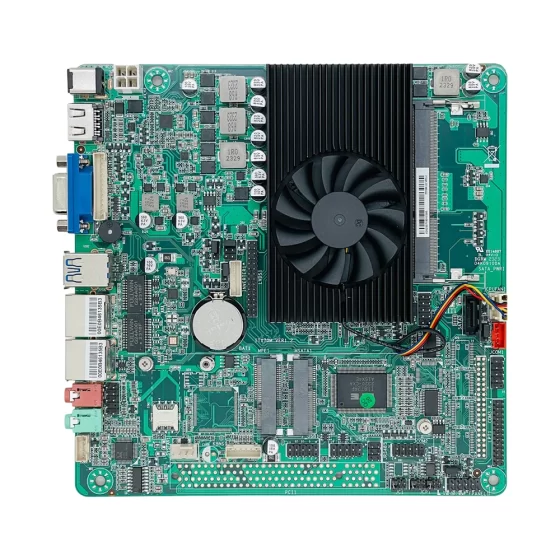
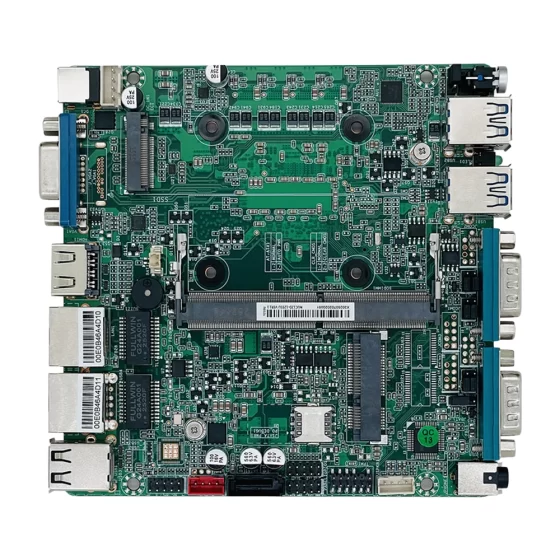
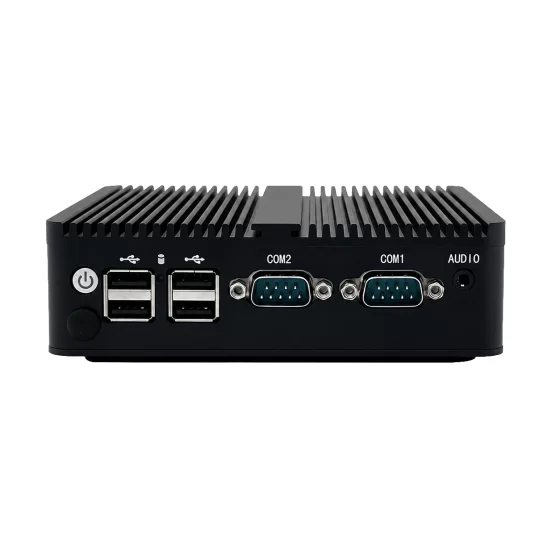
CoreIPC 産業用コンピューティング ソリューション

包装機向け産業用コンピューティング ソリューション: スマート包装自動化のための包装機コンピューター
エグゼクティブサマリー
包装機コンピューターは、包装ライン制御のための産業用コンピューティング基盤を提供します。, マシンデータ収集, HMI操作, バーコード検証, マシンビジョン検査, サーボ調整, レシピ管理, スマートファクトリー接続.
現代の包装機械はもはや単純な機械システムではありません. PLC を統合することが多い, サーボドライブ, センサー, コンベア, ラベラー, 重量チェッカー, バーコードリーダー, 産業用カメラ, HMI, 安全装置, および工場出荷時のソフトウェアプラットフォーム. 安定した生産速度をサポートするには、これらのシステムが確実に連携する必要があります。, 正確な梱包, 品質検査, 追跡可能な製造記録.
産業用コンピュータまたは組み込みコンピュータを包装機のキャビネットまたはライン側の制御ステーション内に設置して、ローカル データ処理をサポートできます。, デバイス通信, HMIの可視化, 画像処理, アラームログ, リモート診断, MESとの統合, スカダ, ERP, または産業用IoTプラットフォーム.
一般的なオフィスPCとの比較, 産業用コンピュータは堅牢な設計をサポートしているため、包装機械の導入に適しています。, 複数のLANポート, シリアル通信, GPIO, 信頼できるストレージ, ファンレス動作オプション, 工業用取り付け, 安定した電力入力, 長いライフサイクルの可用性.
この記事では、包装機のコンピューター プラットフォームがスマートな包装自動化をどのようにサポートするかについて説明します, 実際のパッケージング環境ではどのような導入上の課題が発生するか, ソリューション アーキテクチャの仕組み, 包装機械アプリケーション用の産業用コンピュータまたは組み込みコンピュータを選択する際にどのハードウェア機能が重要になるか.

包装機コンピュータデータ収集
業界の概要
包装機のインテリジェント化が進んでいる
包装機は食品と飲料のあらゆる分野で使用されています, 医薬品, 化粧品, エレクトロニクス, ロジスティクス, 消費財, 医療製品, 産業用部品, および小売生産.
彼らは詰め物を扱うかもしれません, 封印, ラベリング, ラッピング, コーディング, 重さを量る, 数える, 並べ替え, カートン成形, ケース梱包, パレタイジング, そして最終検査.
生産がより速く、より柔軟になるにつれて, 包装機にはより多くのコンピューティング機能とデータ機能が必要です.
最新のパッケージング システムではサポートが必要になる場合があります:
- サーボモーション調整
- ラベルの検証
- バーコードとQRコードの読み取り
- 製品の計数
- 重量チェッカーの統合
- 視力検査
- HMI操作
- レシピ管理
- バッチデータロギング
- アラーム履歴
- リモートメンテナンス
- MES および SCADA 接続
包装機コンピューターは、これらの機能を信頼性の高い産業用プラットフォームに統合するのに役立ちます。.
包装ラインにはスピードと正確さが求められます
パッケージ化アプリケーションは高速で実行されることが多い.
ラベル読み取りの遅れ, 重量確認, カメラ検査, コンベア同期, または拒否制御により品質問題やライン停止が発生する可能性があります.
コンピューティング プラットフォームは、安定したローカル処理とマシン デバイスとの高速通信をサポートする必要があります。.
これは、モーションコントロールを組み合わせたパッケージングシステムにとって特に重要です。, 視力検査, バーコード追跡, および生産データの収集.
産業用コンピューティングが機械製造業者をサポート
包装機械メーカーは信頼性が高く再現性のあるコンピューティング プラットフォームを必要としています.
機械はさまざまな国や業界の多くの顧客に販売される可能性があります. ハードウェア プラットフォームは長期的な可用性をサポートする必要があります, 安定したソフトウェアイメージ, 一貫したインターフェース, そして実際のメンテナンス.
産業用コンピューターと組み込みコンピューターは、OEM が導入しやすい包装機を構築するのに役立ちます, サポート, そしてスケール.
マシンに特別な I/O が必要な場合のカスタマイズもサポートします。, 複数のLANポート, 追加のシリアルポート, ローカルストレージ, ワイヤレス拡張, または特定のエンクロージャの統合.

包装機のコンピュータ導入の課題
主要な課題
複数のパッケージングデバイスの接続
包装機にはさまざまなデバイスが含まれる場合があります.
これらには以下が含まれる場合があります:
- PLCコントローラー
- サーボドライブ
- ステッパードライブ
- センサー
- エンコーダ
- バーコードリーダー
- ラベルプリンター
- 重量チェッカー
- 産業用カメラ
- 照明コントローラー
- HMIパネル
- 安全装置
- 拒否メカニズム
- コンベヤコントローラー
- 産業用スイッチ
包装機のコンピュータはこれらのデバイスを確実に接続する必要があります.
さまざまなマシンがイーサネットを使用する場合があります, USB, RS232, RS485, GPIO, デジタルI/O, またはフィールドバス通信.
包装機は製品タイプによって異なるため、柔軟な I/O が重要です, 回線速度, 検査方法, そして顧客の要求.
HMIとレシピ管理をサポート
包装機では多くの場合、オペレーターの介入が必要です.
オペレーターは製品レシピを選択する必要がある場合があります, マシンパラメータを調整する, アラームを確認する, 回線速度を監視する, 検査結果を確認する, バッチ情報を確認します.
産業用コンピュータは HMI ソフトウェアを実行することも、別のオペレータ パネルに接続することもできます。.
レシピ管理は、複数のサイズの製品を処理する機械にとって特に重要です, ラベルの種類, パッケージ形式, またはバッチ構成.
コンピュータは安定したディスプレイ出力をサポートしている必要があります, 信頼性の高いローカルストレージ, 応答性の高い HMI 操作.
マシンビジョンとバーコード検証の統合
パッケージの品質は多くの場合、目視による検証に依存します.
マシンビジョンはラベルの検査に役立ちます, 梱包位置, シール品質, 充填レベル, 印刷されたコード, パッケージの向き, そして製品の存在感.
バーコードおよびQRコードリーダーはトレーサビリティとバッチ確認をサポートできます.
包装機のコンピューターにカメラを接続する必要がある場合があります, バーコードリーダー, 照明コントローラー, トリガー, および拒否システム.
AIによる検査に向けて, より高性能なエッジ AI 機能が必要になる場合があります.
動作と梱包フローの調整
多くの包装機械は同期動作に依存しています.
サーボドライブ, コンベア, フィーダー, 切削工具, シーリングツール, ラベルアプリケーター, と拒否メカニズムが正確に連携する必要があります.
コンピュータはモーション データ処理をサポートしている場合があります, デバイス通信, ローカルモニタリング, PLC またはモーション コントロール システムとの統合.
高速包装用, 通信の安定性とタイミング動作が重要です.
本番データの継続性の維持
包装機は貴重な生産記録を生成します.
これらには以下が含まれる場合があります:
- バッチ情報
- 製品数
- レーベルレコード
- バーコードレコード
- 体重の結果
- 検査結果
- アラームログ
- オペレーターのアクション
- レシピの変更
- マシンのランタイム
- 拒否記録
- メンテナンスイベント
MES へのネットワーク接続の場合, スカダ, またはクラウド システムが中断された場合, 包装機は重要な記録を失わないようにする必要があります.
ローカル ストレージとバッファリングは実稼働データの保存に役立ちます.
産業用パッケージング環境での動作
包装機械は粉塵の多い環境で稼働する場合があります, 湿気が多い, 振動しやすい, または温度変化のある環境.
モーターの近くに設置される場合があります, ヒーター, コンベア, コンプレッサー, およびその他の機器.
コンピューティング プラットフォームは継続的な運用をサポートする必要がある.
産業グレードの設計により、頑丈な筐体により信頼性が向上します, ファンレス動作オプション, SSDまたはNVMeストレージ, 確実な取り付け, 安定した電力入力, 長いライフサイクルのサポート.

包装機コンピュータソリューションアーキテクチャ
包装機コンピュータソリューションアーキテクチャ
マシンデバイス層
マシンデバイス層には、パッケージング機器と接続されたデバイスが含まれます.
この層には以下が含まれる場合があります:
- 充填機
- シーリングシステム
- ラベル貼付機
- 包装機
- カートンマシン
- コンベヤ
- サーボドライブ
- PLC
- センサー
- エンコーダ
- バーコードリーダー
- カメラ
- 重量チェッカー
- リジェクター
- 安全装置
これらのデバイスは機械信号を生成します, 品質データ, モーションイベント, そして製作記録.
エッジコンピューティング層
エッジ コンピューティング層は、産業用コンピューターまたは組み込みコンピューターが動作する場所です。.
この層では, プラットフォームが:
- ローカルマシンのソフトウェアを実行する
- HMI操作をサポート
- 生産記録を収集する
- バッチデータを保存する
- 工程検査結果
- PLCと通信する
- バーコードリーダーを接続する
- バッファデータ
- リモート診断のサポート
- データを工場システムに転送する
このレイヤーは、包装機に近いローカル コンピューティングを提供します。.
制御層と通信層
制御および通信層は、コンピュータと自動化デバイスを接続します。.
含まれる場合があります:
- イーサネット
- USB
- RS232
- RS485
- GPIO
- デジタル I/O
- 産業用イーサネット
- PLC通信
- カメラネットワーク
- 産業用スイッチ
正確な設計はマシンのアーキテクチャと顧客の要件によって異なります.
柔軟なインターフェイスを備えたコンパクトな組み込みコンピュータにより、設置が簡素化され、外部コンバータが削減されます。.
ビジョン層と検査層
ビジョン層と検査層が品質検証をサポート.
含まれる場合があります:
- 産業用カメラ
- 3Dカメラ
- バーコードリーダー
- QRコードリーダー
- 照明コントローラー
- トリガーセンサー
- 重量チェッカー
- ラベル検証システム
- 印刷検査システム
包装機のコンピュータは検査データをローカルで処理し、合否結果を PLC に送信できます。, 拒否者, MES, または高品質のデータベース.
ファクトリインテグレーションレイヤー
包装機は多くの場合、工場システムと接続する必要があります。.
これらには以下が含まれる場合があります:
- MES
- スカダ
- ERP
- 高品質のデータベース
- 産業用IoTプラットフォーム
- ローカルダッシュボード
- メンテナンス体制
- クラウド監視プラットフォーム
- トレーサビリティシステム
この統合により、パッケージング データがより広範なスマート製造システムの一部となることが可能になります。.
セキュリティおよび管理層
包装機械のコンピューターは保守可能で保護されている必要があります.
セキュリティ層と管理層には以下が含まれる場合があります。:
- ユーザー権限
- ネットワークのセグメンテーション
- 安全なリモートアクセス
- ローカルロギング
- 構成のバックアップ
- ストレージの監視
- デバイスの健全性監視
- リモート診断
- ソフトウェア更新管理
これにより、機械製造業者やオペレーターが長期にわたって安定した包装システムを維持できるようになります。.
主な特長
マルチデバイス接続
包装機械のコンピューターは多くの産業用インターフェイスをサポートする必要があります.
便利なオプションとしては、次のようなものがあります。:
- LAN
- USB
- RS232
- RS485
- GPIO
- デジタル入力
- デジタル出力
- HDMI
- ディスプレイポート
- M.2
- PCIe
- SATA または NVMe ストレージ
これらのインターフェイスは PLC をサポートできます, バーコードリーダー, カメラ, 重量チェッカー, センサー, ラベルプリンター, HMI, およびサービスデバイス.
ネイティブ インターフェイスのサポートにより、配線の複雑さが軽減され、システムの信頼性が向上します。.
HMI とディスプレイのサポート
包装機械のオペレーターには明確な現地情報が必要です.
コンピュータは HMI 画面をサポートしている場合があります, 警報パネル, レシピページ, バッチ情報, 生産カウンター, そして検査状況.
HDMI や DisplayPort などのディスプレイ出力は、ローカル オペレーター画面をサポートできます.
安定した HMI パフォーマンスにより、オペレータのエラーが軽減され、機械の使いやすさが向上します.
ローカルストレージとデータバッファリング
包装機にとってローカルストレージは重要です.
プラットフォームには、:
- レシピファイル
- バッチレコード
- バーコードログ
- 検査結果
- 体重記録
- アラーム履歴
- オペレーターイベント
- 機械の設定
- アップロードバッファ
- 診断ファイル
SSD または NVMe ストレージは、機械式ドライブよりも高速アクセスと優れた耐衝撃性を備えているため、一般的に好まれます。.
ストレージ設計は保持時間を考慮する必要があります, 書き込み耐久性, バックアップワークフロー, および回復手順.
マシンビジョン機能
梱包検査にはカメラ処理が必要な場合があります.
コンピュータはカメラを接続することができます, 照明コントローラー, バーコードリーダー, そしてトリガー.
画像キャプチャをサポートする場合があります, 検査ソフトウェア, コードの読み取り, 印刷確認, ラベルチェック, および拒否制御.
ハードウェアの選択は次の点を考慮する必要があります:
- カメラ数
- 画像解像度
- フレームレート
- 検査サイクルタイム
- ストレージ要件
- AIモデルのニーズ
- ネットワーク帯域幅
- 照明制御要件
複雑なAI検査に, エッジ AI コンピューティングのパフォーマンスが必要な場合がある.
マルチLANネットワーク設計
複数の LAN ポートにより、異なる通信パスを分離できます.
包装機のコンピュータは、別のネットワークを使用する場合があります。:
- PLC通信
- カメラネットワーク
- バーコードリーダーネットワーク
- 工場ITネットワーク
- MESまたはSCADA接続
- リモートメンテナンス
- 現地管理
- インダストリアルIoTプラットフォーム
ネットワークを分離することで信頼性が向上し、高帯域幅のカメラ トラフィックが制御通信に影響を与えるのを防ぐことができます。.
堅牢なファンレス設計
梱包環境には粉塵が含まれる可能性があります, 振動, 水分, 熱, 業界によっては頻繁な清掃が必要.
ファンレス産業用コンピューターは粉塵の侵入を減らし、一般的な機械的故障点を 1 つ除去します。.
頑丈なエンクロージャが振動から保護します, キャビネットのストレス, ケーブルのひずみ, そして連続運転.
最終的な設置では、機械キャビネットの温度を考慮する必要があります, 気流, 取り付け位置, および環境暴露.
リモート診断と保守性
包装機は多くの顧客サイトで販売および設置されることがよくあります。.
リモート診断は機械メーカーのサービスコスト削減に役立ちます.
コンピューターがサポートしている可能性があります:
- リモートログレビュー
- HMIアクセス
- 構成のバックアップ
- アラーム分析
- ソフトウェアのアップデート
- パフォーマンスの監視
- カメラまたはバーコードのトラブルシューティング
- ネットワーク診断
リモートメンテナンスには安全なアクセス制御とログ記録が重要です.
長いライフサイクルの可用性
包装機 OEM は安定したハードウェアの供給を必要としています.
一貫した産業用コンピュータ プラットフォームがソフトウェア イメージの維持に役立ちます, HMI アプリケーション, カメラSDK, ドライバー, スペアパーツ, および検証手順.
長いライフサイクルの可用性により、再設計作業が軽減され、再現可能な機械生産がサポートされます。.

スマートな包装ライン監視業務
導入シナリオ
充填シール機
安定した制御が求められる充填シール機, レシピ管理, センサー監視, および生産データのロギング.
包装機コンピューターでバッチデータを収集可能, HMI機能をサポート, センサーを接続する, 情報を工場システムに転送します.
これにより、再現可能な生産と品質記録がサポートされます。.
ラベル貼付およびコーディング機械
ラベル付けおよびコーディングシステムには正確なタイミングが必要です, バーコード検証, 印刷検査, そして製品追跡.
組み込みコンピューターでラベルプリンターを接続可能, バーコードリーダー, カメラ, 照明コントローラー, およびPLC.
検査記録を保存しトレーサビリティをサポート.
重量チェッカーと検査システム
包装ラインでは、パッケージの品質を確認するために重量チェッカーや検査装置がよく使用されます。.
産業用コンピュータは重量データを収集できます, 工程検査結果, 記録を保存する, 合否情報を制御システムに送信します.
これにより自動品質管理がサポートされます.
箱詰めとケース詰め
箱詰めおよびケース包装機にはコンベアが含まれる場合があります, サーボ軸, センサー, バーコードリーダー, および拒否システム.
コンピュータ プラットフォームはこれらのデバイスからデータを収集できます, HMI操作をサポート, MES または SCADA システムと通信します.
これにより、生産の可視性が向上します.
食品および飲料の包装
食品および飲料の包装には安定した運用が必要です, 品質検証, 日付コードの読み取り, ラベル検査, バッチトレーサビリティ.
産業用コンピュータはローカルデータ収集をサポートできます, HMIソフトウェア, 検査システム, そして工場統合.
最終的なハードウェアは、エンクロージャと環境要件に従って選択する必要があります。.
医薬品包装
医薬品のパッケージにはバーコード検証が必要な場合があります, シリアル化のサポート, 検査記録, バッチトレーサビリティ, プロセスデータの厳密な処理.
包装機のコンピューターは構造化データを収集および保存し、包装機を品質システムおよび生産システムに接続できます。.
アプリケーション固有の検証およびコンプライアンス要件は、機械製造者とエンド ユーザーによって検討される必要があります。.
電子商取引および物流パッケージング
物流梱包システムにはバーコードリーダーが含まれる場合があります, 計量器, 寸法記入システム, コンベア, ラベラー, および仕分け装置.
組み込みコンピュータでパッケージデータを収集可能, サポートラインの統合, 倉庫または物流プラットフォームと通信します.
これにより、自動化されたフルフィルメント操作がサポートされます.
OEM包装機プラットフォーム
機械メーカーは産業用コンピューターや組み込みボードをカスタムの包装機械に統合できます.
プラットフォームは制御ソフトウェアをサポートできます, HMI, マシンビジョン, バーコードの統合, データロギング, リモート診断, および顧客固有の I/O.
これは、再現性と拡張性のある包装機械製品の作成に役立ちます.
ビジネス上のメリット
包装品質の向上
包装機のコンピューターが検査の統合を支援, バーコード検証, 重量チェック, およびマシンデータの収集.
これにより、ラベル付けエラーを検出する能力が向上します。, 不足している製品, 間違ったコード, 体重の問題, そして梱包不良.
品質管理の向上により、手戻りや顧客からの苦情が減少します.
生産トレーサビリティの向上
包装記録はバッチ追跡と品質管理にとって重要です.
コンピューターはバーコードデータを収集できます, 検査結果, レシピの変更, オペレータのアクション, アラーム記録, そして生産数.
これにより、実稼働システム全体にわたるトレーサビリティとレポートがサポートされます。.
より迅速なマシン動作の可視化
オペレーターとメンテナンスチームはマシンのステータスを確認できます, アラーム, 生産速度, 拒否カウント, ローカル HMI 画面またはリモート ダッシュボードからの検査結果.
可視性の向上により、チームはマシンの問題に迅速に対応できるようになります.
ダウンタイムのリスクの軽減
産業用コンピュータは、包装機の連続稼働のための堅牢なハードウェアを提供します.
ファンレス設計オプション, 信頼できるストレージ, 確実な取り付け, 安定した電力入力, 長いライフサイクルの可用性により、システム障害のリスクが軽減されます.
これにより実稼働稼働時間がサポートされます.
より簡単な OEM マシン統合
包装機械メーカーは、複数の機械モデルにわたって標準化された産業用コンピュータ プラットフォームを使用できます。.
これによりソフトウェアの導入が簡素化されます, 配線設計, スペアパーツの計画, ドライバーの検証, およびリモートサービスサポート.
一貫したプラットフォームによりエンジニアリングの作業負荷が軽減されます.
スケーラブルなスマート パッケージングの導入
包装機コンピュータは機械データを MES に接続できます, スカダ, ERP, 品質システム, および産業用IoTプラットフォーム.
これにより、包装ラインが接続されたスマートファクトリーの一部となることが可能になります。.
標準化されたハードウェアにより、多くのマシンやサイトにわたるスケーラブルな展開がサポートされます.
CoreIPC を選ぶ理由
CoreIPC は産業オートメーション向けの産業用コンピューティング プラットフォームを提供します, マシンビジョン, 産業用IoT, エッジAI, ロボット工学, および組み込みシステムの統合. 包装機コンピュータ用途向け, CoreIPC は信頼性の高い産業用コンピューター ハードウェアに重点を置いています, 組み込みコンピュータソリューション, 柔軟な I/O, マルチLAN構成, コンパクトなシステム設計, ファンレス導入オプション, ローカルストレージ機能, OEM/ODMカスタマイズサポート. CoreIPC はパッケージング機械メーカーを支援します, システムインテグレーター, そしてメーカーは実際の導入要件に適合するコンピューティング プラットフォームを選択します, デバイスインターフェースを含む, 検査作業量, LANポート数, ストレージのニーズ, 取り付け方法, 電源入力, 熱条件, およびライフサイクル計画.
よくある質問
1. 包装機コンピュータとは?
包装機コンピューターは、包装機器の内部または近くで使用される産業用コンピューティング プラットフォームです。.
HMI操作をサポートする可能性があります, マシンデータ収集, バーコード読み取り, 視力検査, レシピ管理, アラームログ, リモート診断, PLCとの通信, MES, スカダ, または産業用IoTプラットフォーム.
2. 包装機械に産業用コンピュータを使用する理由?
産業用コンピュータは、機械環境に堅牢なハードウェアと柔軟な接続を提供します。.
複数のLANポートをサポートできます, シリアル通信, USB, GPIO, 信頼できるストレージ, ファンレス動作, 工業用取り付け, 安定した電力入力, 長いライフサイクルの可用性.
これらの機能により、連続包装機の導入に適しています。.
3. 組み込みコンピューターはパッケージングの自動化にどのように使用されますか?
組み込みコンピュータを機械キャビネット内に設置可能, ライン側エンクロージャ, またはコントロールステーション.
PLCからのデータ収集が可能, センサー, バーコードリーダー, カメラ, 重量チェッカー, および HMI. 記録を保存し、構造化データを工場システムに送信することもできます。.
4. 接続できるパッケージングデバイス?
包装機のコンピュータは PLC に接続できる, サーボドライブ, センサー, バーコードリーダー, ラベルプリンター, 重量チェッカー, 産業用カメラ, 照明コントローラー, 拒否システム, HMI, および産業用スイッチ.
正確なサポートはインターフェイスによって異なります, ソフトウェア, プロトコル, そして機械設計.
5. 包装機械のコンピュータはマシンビジョンをサポートできますか?
はい. 包装機のコンピューターにカメラを接続可能, バーコードリーダー, 照明コントローラー, およびトリガーセンサー.
画像を処理できる, ラベルを検証する, 印刷されたコードを検査する, パッケージの位置を確認する, 欠陥を検出する, 結果を PLC に送信します, MES, または高品質のデータベース.
6. 包装機にとってローカル ストレージが重要な理由?
ローカル ストレージは本番データと高品質データの保存に役立ちます.
レシピファイルを保存できる, バーコードログ, バッチレコード, 検査結果, アラーム履歴, 体重記録, そしてアップロードバッファ.
これは、工場システムへのネットワーク接続が一時的に利用できない場合に便利です。.
7. 複数の LAN ポートが役立つ理由?
複数の LAN ポートが PLC 通信の分離に役立ちます, カメラトラフィック, バーコードリーダーネットワーク, 工場IT, MES または SCADA システム, リモートメンテナンス, そして現地管理.
これにより、トラフィックの組織化とシステムの信頼性が向上します。.
8. 包装機械のコンピュータにとって重要なハードウェア機能は何ですか?
重要な機能には複数の LAN ポートが含まれます, USB, RS232, RS485, GPIO, デジタルI/O, 信頼できる記憶力, SSDまたはNVMeストレージ, 頑丈な筐体, ファンレス設計, 産業用電力入力, ディスプレイ出力, M.2, PCIe, および拡張オプション.
最終的な構成はデバイス数と一致する必要があります, 検査作業量, および設置環境.
9. ファンレス産業用コンピューターは包装機をサポートできますか?
はい. ファンレス産業用コンピューターは、粉塵の侵入を減らし、機械的な故障点を 1 つ取り除くため、多くの包装機械のワークロードをサポートできます。.
しかし, システムが継続的な HMI 動作を処理する場合、熱設計を検証する必要があります。, データロギング, 視覚処理, または高速検査.
10. 導入前にテストすべきこと?
導入前, プラットフォームは実際の PLC でテストする必要があります, センサー, カメラ, バーコードリーダー, 重量チェッカー, HMIソフトウェア, ネットワークトポロジー, 梱包サイクルタイム, 保管動作, 長時間にわたる運用.
熱安定性, 通信回復, リモート診断, バックアップ手順, MES または SCADA との統合も検証する必要があります。.
結論
包装機コンピューターはスマートな包装自動化の実用的な基盤です, マシンデータ収集, HMI操作, バーコード検証, マシンビジョン検査, レシピ管理, リモート診断, 工場システムの接続性.
産業用コンピュータまたは組み込みコンピュータを包装機またはラインサイドキャビネット内に配置することによる, 機械製造業者と製造業者は PLC に接続できます, サーボドライブ, センサー, コンベア, カメラ, バーコードリーダー, ラベラー, 重量チェッカー, HMI, MESプラットフォーム, SCADAシステム, 信頼性が高く制御された通信パスを介した産業用 IoT ダッシュボード.
実際の導入要件に応じて、適切な包装機械コンピュータを選択する必要があります。, デバイス数を含む, LANポート設計, シリアル通信, I/O要件, HMI ワークロード, カメラの統合, 検査速度, データストレージ, 取付方法, 電源入力, 熱条件, オペレーティング システムのサポート, およびライフサイクル計画.
CoreIPC は、実用的な機械側向けに設計された産業用コンピューティング プラットフォームを備えたパッケージング マシン コンピューター プロジェクトをサポートします。, キャビネット, 工場, およびOEM展開. 適切なハードウェア基盤があれば, 包装機械ビルダーとメーカーは信頼性の高い包装機械を構築できます, スケーラブルな, 接続されたスマートパッケージングシステム.
お問い合わせ
産業用コンピュータを探しています, 組み込みコンピュータ, または包装機導入用のコンパクトな IPC プラットフォーム?
プロジェクトの要件については、CoreIPC にお問い合わせください。, デバイスインターフェースを含む, LANポートの設定, PLC通信, HMI ワークロード, バーコードの統合, カメラの接続, データストレージ, 取付方法, 電源入力, 動作環境, ライフサイクルのニーズ, および OEM/ODM カスタマイズ オプション.