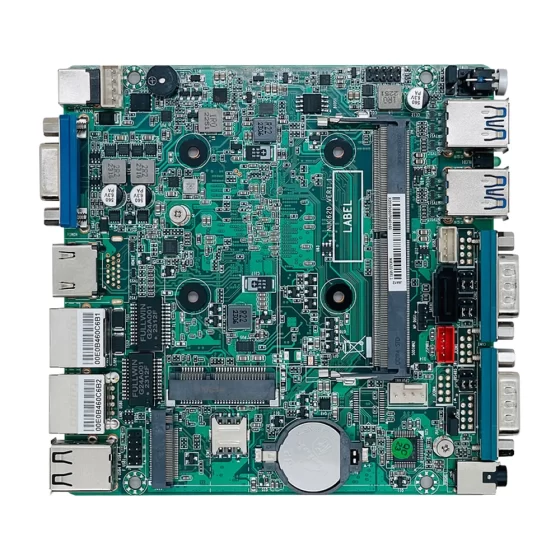
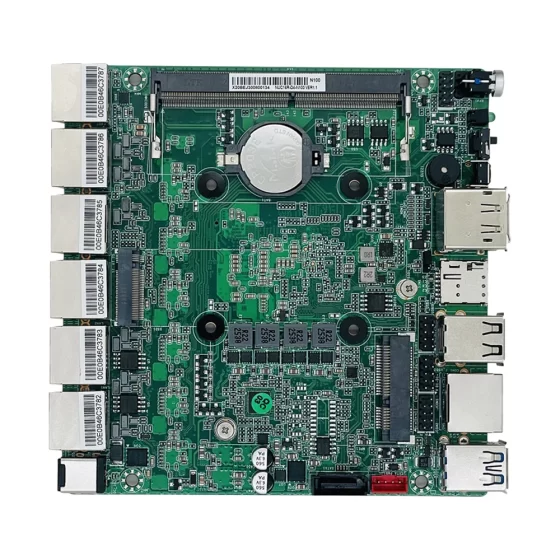
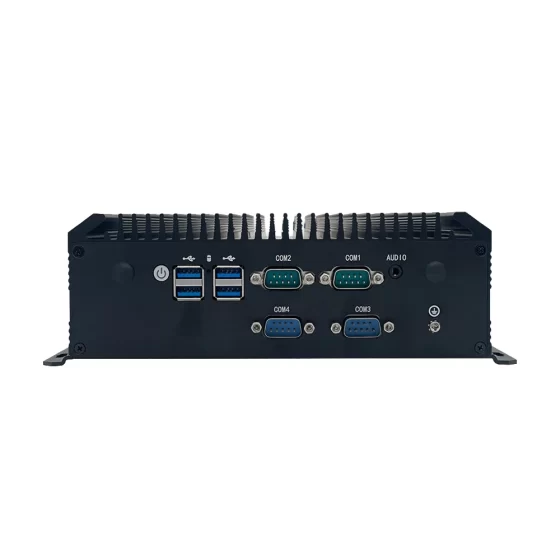
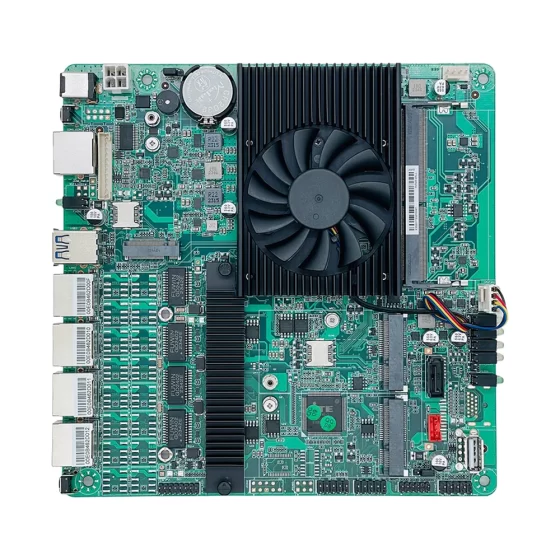
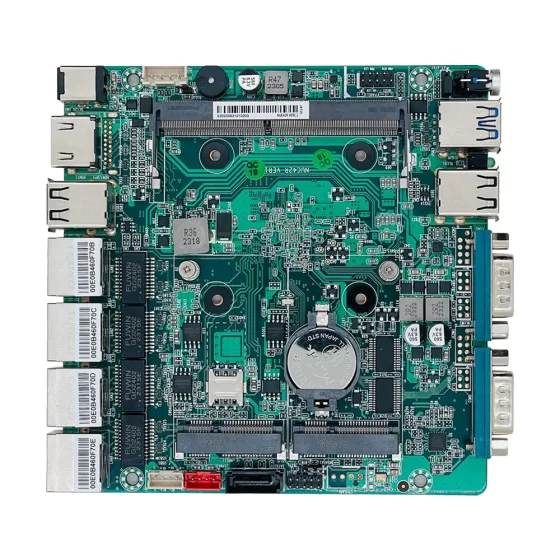
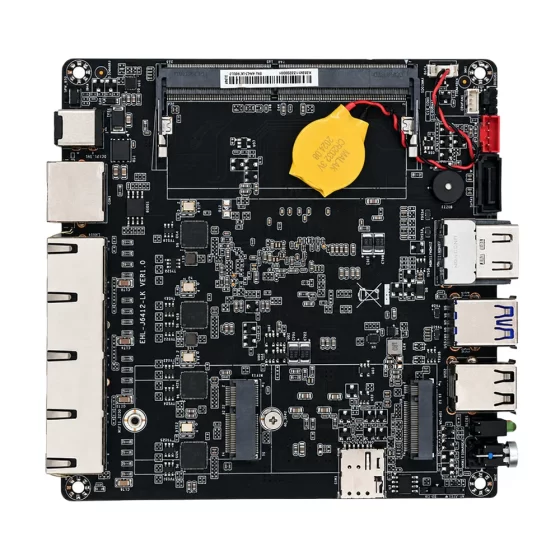
CoreIPC 産業用コンピューティング ソリューション

設備状態監視プラットフォーム: 産業機器の状態監視プラットフォーム
エグゼクティブサマリー
状態監視プラットフォームは、機器の健全性データを収集するための産業用コンピューティング基盤を提供します, マシンのステータスを監視する, 異常な動作状態の検出, メンテナンスの決定をサポートする, 長期的な生産信頼性の向上.
最新の産業機器は貴重な信号を生成します. モーター, パンプス, コンプレッサー, コンベア, ファン, ギアボックス, CNCマシン, ロボット, ドライブ, 電力システム, 生産ラインはすべて、装置の状態を明らかにできるデータを生成します。. これらの信号には振動が含まれる場合があります, 温度, 現在, プレッシャー, 流れ, スピード, トルク, ランタイム, アラーム履歴, およびPLCステータス.
産業用コンピュータまたは組み込みコンピュータを機械の近くに配置して、これらの信号を収集できます。, 機器データをローカルで処理する, 歴史的記録を保存する, 構造化された情報を SCADA に転送します, MES, 産業用IoTプラットフォーム, クラウドダッシュボード, または保守システム.
標準的な PC またはコンシューマ ゲートウェイとの比較, 産業用コンピュータは頑丈なエンクロージャをサポートしているため、状態監視の導入に適しています。, 複数のLANポート, シリアル通信, GPIO, ローカルストレージ, ファンレス設計オプション, 安定した電力入力, 長いライフサイクルの可用性.
この記事では、設備状態監視プラットフォームの仕組みについて説明します。, 実際の産業環境ではどのような課題が発生するのか, ソリューション アーキテクチャがどのように構成されているか, 機械の状態監視アプリケーション用に産業用コンピューターまたは組み込みコンピューターを選択する際にどのハードウェア機能が重要になるか.

状態監視センサーデータ収集
業界の概要
産業機器には継続的な健康状態の可視化が必要
産業施設は機器の稼働時間に依存します.
クリティカルモーターの場合, ポンプ, コンプレッサー, コンベア, ロボット, または実稼働マシンが故障した場合, その結果、計画外のダウンタイムが発生する可能性があります, 生産ロス, 品質の問題, 配達の遅れ, そして維持費が高くなる.
状態監視により、重大な障害が発生する前にオペレータが機器の状態を把握できるようになります.
のモニタリングをサポートします。:
- 振動
- 温度
- モーター電流
- プレッシャー
- 流れ
- スピード
- ランタイム
- アラームの頻度
- エネルギー消費量
- 機械の状態
- ドライブ情報
- 環境条件
状態監視プラットフォームは、これらの信号を有用な機器の健全性情報に変換します。.
状態監視で賢いメンテナンスをサポート
従来のメンテナンスは、多くの場合、固定スケジュールまたは手動検査に依存しています。.
これにより 2 つの問題が生じる可能性があります.
機器の修理が早すぎる可能性があります, 資源の無駄遣い. または、予定されている検査の間に機器が故障する可能性があります, ダウンタイムの原因となる.
状態監視は、実際の稼働データを使用することでこのプロセスを改善します.
メンテナンスチームが機器の傾向を確認できるようになります, 異常な行動を検出する, 現在の状況を過去のパターンと比較する, 実際の機械の状態に基づいてメンテナンスの優先順位を決定します.
エッジコンピューティングにより監視を機器に近づける
一部の機器データは継続的かつ大量です.
振動信号, モーター電流パターン, 音響信号, また、高速センサー データをフィルタリングせずにリモート システムに直接送信するのは現実的ではない可能性があります。.
エッジコンピューティングにより、監視プラットフォームがマシンの近くでデータを処理できるようになります.
産業用コンピュータは特徴量を計算できます, 変化を検出する, ローカルレコードを保存する, バッファデータ, 選択した結果を転送します.
これにより、応答時間が短縮され、ネットワーク負荷が軽減されます。.
産業用コンピュータは信頼性の高いハードウェア層を提供します
状態監視システムは多くの場合、産業機器の近くに設置されます.
制御盤内に取り付けることができます, マシンエンクロージャ, ポンプ室, コンプレッサー室, 倉庫システム, 生産ライン, ユーティリティルーム, または遠隔地の現場.
これらの環境には粉塵が含まれる可能性があります, 振動, 熱, 電気ノイズ, 不安定な電力, 限られた空気の流れ, そして連続運転.
産業用コンピュータと組み込みコンピュータは、これらの条件に必要な堅牢なハードウェア基盤を提供します。.

産業状態監視導入の課題
主要な課題
さまざまな種類の機器からのデータ収集
工場や工業用地にはさまざまな種類の機器が含まれる場合があります.
各アセットには異なるデータソースが必要になる場合があります.
モーターには振動と電流の監視が必要な場合があります. ポンプには圧力が必要な場合があります, 流れ, 振動, と温度. コンベアには速度が必要な場合があります, 負荷, モーター電流, および障害信号. CNC マシンにはスピンドル データが必要な場合があります, ドライブのステータス, 振動, 温度, およびアラーム記録.
状態監視プラットフォームは柔軟な接続をサポートする必要があります.
一般的なデータ ソースには次のものがあります。:
- 振動センサー
- 温度センサー
- 電流センサー
- 圧力センサー
- 流量計
- PLC
- モータードライブ
- エネルギーメーター
- デジタル信号
- シリアルデバイス
- 産業用イーサネットデバイス
- ローカルマシンデータベース
ハードウェア プラットフォームは実際の機器の組み合わせと一致する必要があります.
高周波センサー信号の処理
一部の状態監視アプリケーションでは高頻度のデータ取得が必要です.
振動監視が一般的な例です.
プラットフォームは、大量の信号データを処理し、振動レベルなどの有用な指標を計算する必要がある場合があります。, ピーク値, 周波数成分, トレンドの変化, そして異常なパターン.
ハードウェアの選択は次の点を考慮する必要があります:
- センサー数
- サンプリング周波数
- 信号処理ワークロード
- ストレージの書き込み速度
- データ保存期間
- アップロード頻度
- 分析要件
- ネットワーク帯域幅
- ソフトウェア実行環境
信頼性の高い産業用コンピューターにより、データ収集を長期間安定して維持できます.
データの継続性の維持
状態監視は一貫した履歴データに依存します.
ネットワークの中断中にシステムの記録が失われた場合, 機器の傾向は不完全になる可能性があります.
ローカルストレージとバッファリングは重要です.
SCADA への接続中、コンピュータはローカルでデータの収集と保存を続行する必要があります。, 雲, または保守システムが利用できない.
通信が回復したら, バッファされたレコードは自動的に転送可能.
これはリモート サイトにとって特に重要です, ユーティリティ機器, 倉庫の自動化, 重要な生産機械.
異常状態をローカルで検出
状態監視プラットフォームは生データを収集するだけではありません.
異常な機器の動作を特定するのに役立つはずです.
ローカル処理には以下が含まれる場合があります:
- 閾値監視
- 傾向分析
- 信号特徴抽出
- アラームの分類
- 機器の健全性スコアリング
- パターン比較
- 異常検知
- メンテナンスイベントのログ記録
- エッジAI推論
ローカル検出により、メンテナンス チームの対応が迅速になり、リモート分析への依存が軽減されます。.
既存の工場システムとの統合
機器の健全性データは、より広範な産業システムに接続される必要がある.
状態監視プラットフォームは、データを次の宛先に送信する必要がある場合があります。:
- スカダ
- MES
- ERP
- CMMS
- 産業用IoTプラットフォーム
- クラウドダッシュボード
- 郷土史家
- メンテナンス体制
- エネルギー管理プラットフォーム
- 品質システム
統合には構造化データが必要です, 安定した通信, 機器資産とデータ記録の間の明確なマッピング.
機械の近くで確実に動作する
状態監視コンピューターはモーターの近くに配置されることがよくあります, ドライブ, パンプス, コンベア, コンプレッサー, および電力設備.
これらの場所では振動が発生する可能性があります, 熱, ほこり, 電気ノイズ, とケーブルのストレス.
産業用グレードのハードウェアにより不安定性が軽減されます.
重要な信頼性要素には次のものがあります。:
- 頑丈な筐体
- ファンレス設計オプション
- 信頼性の高いSSDまたはNVMeストレージ
- 安定した電源入力
- 確実な取り付け
- ケーブルの張力緩和
- 熱安定性
- 長期にわたるライフサイクルのサポート
監視プラットフォームは、新たなメンテナンスの負担にならずに継続的に稼働する必要があります。.

状態監視プラットフォーム ソリューション アーキテクチャ
状態監視プラットフォーム ソリューション アーキテクチャ
機器とセンサー層
機器およびセンサー層には、監視対象のマシンとデバイスが含まれます.
この層には以下が含まれる場合があります:
- モーター
- パンプス
- コンプレッサー
- コンベヤ
- ギアボックス
- ファン
- CNCマシン
- ロボット
- 空調設備
- 生産機械
- 振動センサー
- 温度センサー
- 電流センサー
- 圧力センサー
- 流量計
- PLCとドライブ
これらのデバイスは機器の状態データを生成します.
状態監視プラットフォームはこの情報を収集し、有用なマシンの健全性記録に変換します。.
エッジデータ収集層
エッジ データ収集層は、産業用コンピューターまたは組み込みコンピューターが動作する場所です。.
この層では, プラットフォームが:
- センサー信号を収集する
- PLCデータの読み込み
- メーターとドライブを接続する
- 機械のアラームを受信する
- ローカルレコードを保存する
- ネットワークの問題時のデータのバッファリング
- 機器データの正規化
- プロセス信号の特徴
- 構造化情報を転送する
- リモート診断のサポート
この層は、継続的な状態監視のためのローカル コンピューティング基盤を提供します。.
ローカル処理および分析レイヤー
ローカル処理層は、生のマシンデータを状態インジケーターに変換します。.
プラットフォームが計算する場合があります:
- 振動の傾向
- 温度変化
- モーター電流パターン
- 圧力変動
- 流れの変化
- 実行時履歴
- アラームの頻度
- ドライブステータスの変化
- 機器の健全性スコア
- 早期警戒イベント
これにより、オペレーターは生のセンサー ストリームではなく、有用なメンテナンス情報に集中することができます。.
プラットフォーム統合層
状態監視プラットフォームは上位システムと接続可能.
これらのシステムには以下が含まれる場合があります:
- スカダ
- MES
- CMMS
- ERP
- 産業用IoTプラットフォーム
- クラウドダッシュボード
- メンテナンスデータベース
- 郷土史家制度
- エネルギー管理システム
- 品質監視プラットフォーム
この統合により、機器の健全性データが保守計画をサポートできるようになります, 生産分析, そして資産管理.
セキュリティおよび管理層
状態監視システムには制御されたアクセスと長期的な保守性が必要です.
セキュリティ層と管理層には以下が含まれる場合があります。:
- ネットワークのセグメンテーション
- 安全なリモートアクセス
- ユーザー権限
- ローカルロギング
- 構成のバックアップ
- ストレージの監視
- デバイスの健全性監視
- リモート診断
- ソフトウェア更新管理
- データアクセス制御
これにより、監視システムの信頼性と保護を維持できます。.
主な特長
マルチセンサー接続性
状態監視プラットフォームは、さまざまなセンサーと産業用デバイスを接続する必要があります.
便利なインターフェースには次のものがあります。:
- LAN
- USB
- RS232
- RS485
- GPIO
- デジタル入力
- デジタル出力
- HDMI
- ディスプレイポート
- M.2
- PCIe
- SATA または NVMe ストレージ
ネイティブ産業用インターフェイスにより、外部コンバータの要件が軽減され、キャビネットの配線が簡素化されます。.
これにより、マシン側の展開の信頼性が向上します。.
産業機器通信
状態監視では多くの場合、PLC との通信が必要になります。, ドライブ, メートル, および既存のマシンコントローラー.
プラットフォームはモーター電流などの値を収集する場合があります, ドライブアラーム, マシンのステータス, ランタイムカウンター, 生産サイクル数, および動作モード.
イーサネットのサポート, シリアル通信, 拡張インターフェイスにより、プラットフォームが最新の機器と従来の機器の両方に接続できるようになります。.
ローカルストレージとデータバッファリング
状態監視にはローカル ストレージが重要です.
プラットフォームには、:
- センサー記録
- 振動データ
- 気温の傾向
- アラームログ
- 機器の健康履歴
- ローカル分析結果
- 診断ファイル
- アップロードバッファ
- 設定ファイル
- リモートアクセスログ
SSD または NVMe ストレージは、機械式ドライブよりも高速アクセスと優れた耐衝撃性を備えているため、一般的に好まれます。.
ストレージ設計は保存期間を考慮する必要があります, 書き込み耐久性, バックアップワークフロー, および回復手順.
エッジ分析のパフォーマンス
プラットフォームは機器信号を継続的に処理する必要がある場合があります.
ハードウェアの選択は次の点を考慮する必要があります:
- CPU性能
- メモリ容量
- センサー数
- サンプリングレート
- データ取得のワークロード
- 分析ワークロード
- ローカルデータベースのサイズ
- ストレージ速度
- ネットワークスループット
- オペレーティング システムのサポート
高度な分析または AI ベースの異常検出用, GPU または AI アクセラレータのサポートが必要な場合があります.
マルチLANネットワーク設計
複数の LAN ポートにより、異なるトラフィック パスを分離できます.
状態監視プラットフォームは、次の目的のために別のネットワークを使用する場合があります。:
- センサーネットワーク
- マシンネットワーク
- PLCネットワーク
- 工場ITネットワーク
- 産業用IoTネットワーク
- リモートメンテナンスネットワーク
- 管理ネットワーク
- クラウドアップリンク
ネットワークの分離により安定性が向上, 安全, と交通組織.
また、大量のセンサー データがマシンの通信に干渉するのを防ぐこともできます。.
堅牢なファンレス設計
状態監視システムは多くの場合、機器の近くに設置されます.
ファンレス産業用コンピューターは粉塵の侵入を減らし、一般的な機械的故障点を 1 つ除去します。.
頑丈なエンクロージャが振動から保護します, ケーブルストレス, キャビネット設置への影響, そして連続運転.
システムが継続的なデータ取得を処理する場合には、熱設計を慎重に検討する必要があります。, 分析, ストレージの書き込み, そして遠隔コミュニケーション.
安全なリモート診断
メンテナンス チームはデータを確認するためにリモート アクセスを必要とすることがよくあります, 設定を調整する, ログを検査する, 機器の問題のトラブルシューティングを行う.
安全なリモート アクセスには次のものが含まれます。:
- ユーザー認証
- VPN または安全なトンネルのサポート
- アクセス権限
- セッションログ
- ネットワークのセグメンテーション
- 構成のバックアップ
- 制御された更新ワークフロー
- 緊急アクセス手順
産業用ネットワークを保護しながら、効率的なメンテナンスをサポートします。.
長いライフサイクルの可用性
状態監視システムは長年にわたって使用され続ける可能性があります.
一貫したハードウェアはソフトウェア イメージの維持に役立ちます, データ収集ドライバー, センサーインターフェース, 分析モデル, スペアパーツ, および検証手順.
長いライフサイクルでの可用性はメーカーにとって重要です, システムインテグレーター, およびOEM監視ソリューションプロバイダー.
導入シナリオ
モーター状態の監視
モーターは工場で広く使用されています, 公共事業, 倉庫, HVAC システム, および生産設備.
状態監視プラットフォームで振動を収集可能, 現在, 温度, およびランタイムデータ.
異常な傾向を検出し、ローカル ダッシュボードまたは中央システムにメンテナンス アラートを送信できます。.
ポンプとコンプレッサーの監視
ポンプとコンプレッサーは、多くの産業環境において重要な資産です。.
組み込みコンピューターで圧力を監視できる, 流れ, 温度, 振動, モーター電流, および動作サイクル.
これは摩耗の初期の兆候を特定するのに役立ちます, 不均衡, 漏れ, キャビテーション, または異常負荷.
コンベヤ装置の監視
工場内ではコンベアが連続稼働しています, 倉庫, および物流センター.
プラットフォームはモーターの状態を監視できます, ベルト速度, 振動, 負荷, ドライブのステータス, および障害信号.
これにより、予期せぬコンベヤの停止が軽減され、より適切なメンテナンス計画がサポートされます。.
CNC および工作機械のモニタリング
工作機械には稼働時間と精度が必要です.
状態監視コンピュータにより主軸の振動を監視可能, 温度, ドライブのステータス, 軸の動作, アラーム, そしてサイクル記録.
これにより、メンテナンス チームがマシンの状態を把握し、摩耗の兆候を早期に検出することができます。.
ロボットと自動化システムの監視
ロボットと自動システムは有用な健康データを生成します.
プラットフォームは共同ステータスを収集できます, 与えられたエンジン, ツールのステータス, サイクル数, エラーログ, および環境情報.
これにより、ロボットのワークセルの信頼性と生産の可視性がサポートされます。.
ユーティリティおよび施設設備のモニタリング
ユーティリティ システムにはファンが含まれる場合があります, パンプス, チラー, コンプレッサー, インバータ, および電力設備.
産業用コンピュータは、機器の健全性データをローカルで収集し、構造化された情報を施設またはエネルギー管理プラットフォームに送信できます。.
遠隔監視や保守計画をサポートします。.
生産ラインの状態監視
生産ラインには多数のモーターが含まれる場合があります, コンベア, ドライブ, センサー, および制御システム.
状態監視プラットフォームは、ライン全体の機器のステータスを集約し、異常なパターンの特定に役立ちます.
これにより、ラインレベルの可視性とメンテナンス効率が向上します。.
OEM 状態監視アプライアンス
機械メーカーやシステム インテグレーターは、産業用コンピューターや組み込みボードを使用してカスタム状態監視アプライアンスを構築できます。.
プラットフォームはセンサー接続をサポートできます, ローカル分析, データストレージ, リモートアクセス, 顧客システムとの統合.
ビジネス上のメリット
早期の障害検出
状態監視により、重大な障害が発生する前に機器の異常な動作を検出できます.
振動をモニタリングすることで, 温度, 現在, プレッシャー, 流れ, ランタイム, とアラーム, メンテナンスチームは警告サインを早期に特定し、より迅速に対応できます.
これにより、計画外のダウンタイムが削減されます.
より良いメンテナンス計画
機器の状態データは、チームが実際のマシンの状態に基づいてメンテナンスの優先順位を付けるのに役立ちます.
これにより、不必要なサービス作業が削減され、メンテナンス チームが異常な傾向を示す機器に集中できるようになります。.
より適切な計画により、リソースの使用と生産の信頼性が向上します.
機器の視認性の向上
状態監視プラットフォームはマシンの健全性データを収集し、それを使用可能な情報に変換します.
オペレーターは傾向を確認できます, アラーム, 診断, ローカルダッシュボードからの資産ステータス, SCADAシステム, メンテナンスプラットフォーム, またはクラウドダッシュボード.
これにより、より迅速な意思決定がサポートされます.
より強力なデータ継続性
ローカルストレージとバッファリングは、ネットワーク中断時の監視記録の保存に役立ちます.
プラットフォームは、通信が回復したときに機器データの収集を継続し、記録をアップロードできます.
これにより、履歴分析とメンテナンスのトレーサビリティが向上します。.
監視システムのリスクの軽減
産業用コンピュータは、連続稼働のための堅牢なハードウェアを提供します.
ファンレス設計オプション, 信頼できるストレージ, 安定した電力入力, 確実な取り付け, ライフサイクルが長いため、監視システム自体が不安定になるリスクを軽減できます。.
これにより長期的な導入がサポートされます.
スケーラブルな機器監視
標準化された状態監視プラットフォームにより、多くのマシンにわたる機器監視の導入が容易になります。, 行, 工場, またはリモートサイト.
一貫したハードウェアによりソフトウェア イメージが簡素化されます, センサーの統合, 構成テンプレート, スペアパーツの計画, およびライフサイクル管理.
これにより、スケーラブルなスマート メンテナンス プログラムがサポートされます。.
CoreIPC を選ぶ理由
CoreIPC は産業用 IoT 向け産業用コンピューティング プラットフォームを提供します, 予知保全, 産業オートメーション, エッジAI, マシンビジョン, エネルギー管理, および組み込みシステムの統合. 状態監視プラットフォームアプリケーション向け, CoreIPC は信頼性の高い産業用コンピューター ハードウェアに重点を置いています, 組み込みコンピュータソリューション, 柔軟な I/O, マルチLAN構成, コンパクトなシステム設計, ファンレス導入オプション, ローカルストレージ機能, OEM/ODMカスタマイズサポート. CoreIPC はシステム インテグレーターを支援します, 機械製造業者, そしてメーカーは実際の導入要件に適合するコンピューティング プラットフォームを選択します, センサー数を含む, データワークロード, 分析のニーズ, ストレージデザイン, 取り付け方法, 電源入力, 熱条件, およびライフサイクル計画.
よくある質問
1. 状態監視プラットフォームとは?
状態監視プラットフォームは、情報を収集するために使用される産業用コンピューティング システムです。, プロセス, 店, 機器の健全性データを転送する.
振動を監視する可能性があります, 温度, 現在, プレッシャー, 流れ, スピード, ランタイム, アラーム, ドライブのステータス, および機械の動作条件. メンテナンスチームが機器の状態を把握し、異常な傾向を検出するのに役立ちます.
2. 状態監視に産業用コンピュータを使用する理由?
産業用コンピュータは、マシン側の展開に堅牢なハードウェアと柔軟な接続を提供します。.
複数のLANポートをサポートできます, シリアル通信, USB, GPIO, 信頼できるストレージ, ファンレス動作, 工業用取り付け, 安定した電力入力, 長いライフサイクルの可用性. これらの機能により、産業用機械の近くにある装置の継続的な監視に適しています。.
3. 組み込みコンピュータは機器の監視にどのように使用されますか?
組み込みコンピュータを制御盤内に設置可能, 機械の筐体, ユーティリティルーム, または遠隔監視ステーション.
センサーデータを収集できる, PLC値を読み取る, プロセス機器の信号, 記録を保存する, バッファデータ, 分析を実行する, 構造化情報をメンテナンスまたは産業用 IoT プラットフォームに転送します.
4. 監視できる機器は何ですか?
状態監視システムはモーターを監視できます, パンプス, コンプレッサー, コンベア, ファン, ギアボックス, CNCマシン, ロボット, HVAC システム, 生産機械, ユーティリティ機器, および自動化システム.
正確な機器サポートはセンサーに依存します, データ取得方法, ソフトウェア, および統合要件.
5. 一般的に使用されるセンサーデータ?
振動を含む共通データ, 温度, モーター電流, プレッシャー, 流れ, 音響信号, スピード, ランタイム, サイクル数, アラーム, PLC 値, ドライブデータ, そしてエネルギー消費.
機器の種類が異なれば、異なるセンサー戦略が必要になります.
6. 状態監視にローカル ストレージが重要な理由?
ローカル ストレージはネットワーク中断時にデータを保存するのに役立ちます.
コンピューターはセンサー記録を収集し続けることができます, アラーム, トレンド, ローカルでの診断データ. 通信が回復したら, バッファされたレコードを中央システムにアップロードできる.
ストレージは長期的な傾向分析やトラブルシューティングにも役立ちます.
7. 状態監視プラットフォームはエッジ分析をサポートできますか?
はい. 状態監視プラットフォームは、しきい値監視のためのローカル分析を実行できます。, 傾向分析, 振動特徴抽出, 機器の健全性スコアリング, 異常検出, およびメンテナンスイベントの分類.
高度なアプリケーションでは、より多くの処理能力や AI アクセラレーションが必要になる場合があります.
8. 複数の LAN ポートが役立つ理由?
複数の LAN ポートがセンサー ネットワークの分離に役立ちます, マシンネットワーク, PLCネットワーク, 工場IT, 産業用IoT, リモートメンテナンス, および管理トラフィック.
これによりセキュリティが向上します, 交通組織, システムの安定性.
9. 状態監視プラットフォームにとって重要なハードウェア機能は何ですか?
重要な機能には十分な CPU パフォーマンスが含まれます, 信頼できる記憶力, 複数のLANポート, USB, RS232, RS485, GPIO, デジタルI/O, SSDまたはNVMeストレージ, 頑丈な筐体, ファンレス設計, 産業用電力入力, M.2, PCIe, および拡張オプション.
最終構成はセンサー数と一致する必要があります, データワークロード, 分析のニーズ, および設置環境.
10. 導入前にテストすべきこと?
導入前, プラットフォームは実際のセンサーでテストする必要があります, PLC, データ収集デバイス, ネットワークトポロジー, データレート, 分析ワークロード, 保管動作, 長時間にわたる運用.
熱安定性, 振動条件, 通信回復, リモートアクセスワークフロー, SCADAとの統合, MES, CMMS, またはクラウドプラットフォームも検証する必要があります.
結論
状態監視プラットフォームは、機器の健全性監視の実用的な基盤です, マシンステータスの可視性, 早期故障検出, ローカル分析, データバッファリング, リモート診断, と産業用IoTの統合.
産業用コンピュータまたは組み込みコンピュータを機械の近くに置くことによって, メーカーやシステムインテグレーターはモーターからデータを収集できます, パンプス, コンプレッサー, コンベア, ギアボックス, ロボット, CNCマシン, センサー, PLC, ドライブ, メートル, 信頼性が高く制御された通信パスを介してユーティリティ機器と通信します。.
実際の導入要件に応じて、適切な機器状態監視プラットフォームを選択する必要があります, センサー数を含む, データレート, 分析ワークロード, ストレージの保持, LANポート設計, シリアル通信, エッジAIのニーズ, 取付方法, 電源入力, 振動環境, 熱条件, オペレーティング システムのサポート, およびライフサイクル計画.
CoreIPC は、実用的なマシンサイド向けに設計された産業用コンピューティング プラットフォームを備えた状態監視プラットフォーム プロジェクトをサポートします。, キャビネット, ユーティリティ, 工場, およびOEM展開. 適切なハードウェア基盤があれば, 産業オペレーターと機器ビルダーは信頼性の高いシステムを構築できます。, スケーラブルな, データ駆動型の機器健全性監視システム.
お問い合わせ
産業用コンピュータを探しています, 組み込みコンピュータ, または機器状態監視導入用のエッジプラットフォーム?
プロジェクトの要件については、CoreIPC にお問い合わせください。, センサーインターフェースを含む, データワークロード, 振動監視, 分析のニーズ, LANポートの設定, ストレージデザイン, 取付方法, 電源入力, 動作環境, ライフサイクルのニーズ, および OEM/ODM カスタマイズ オプション.