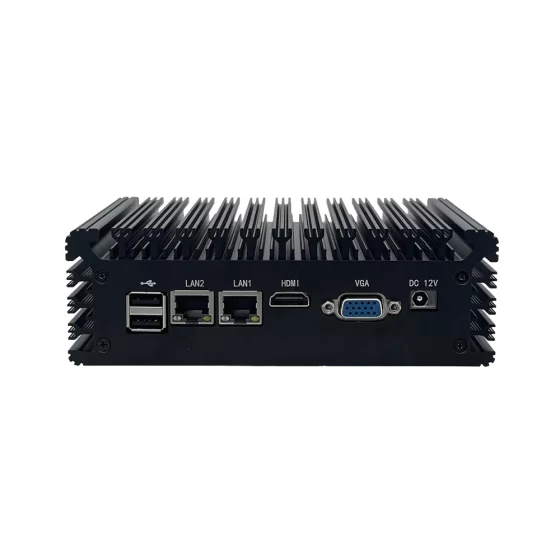
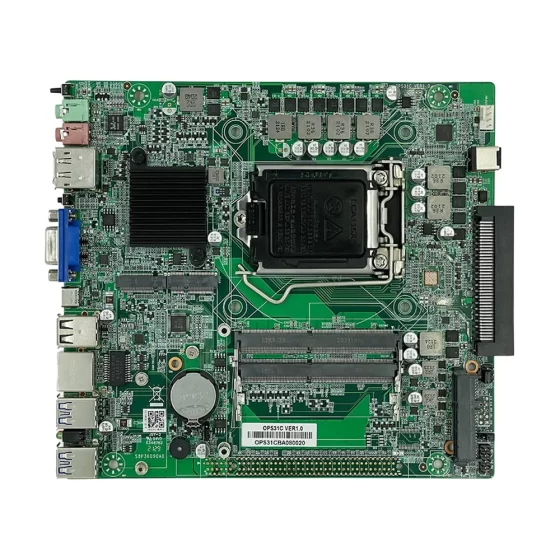
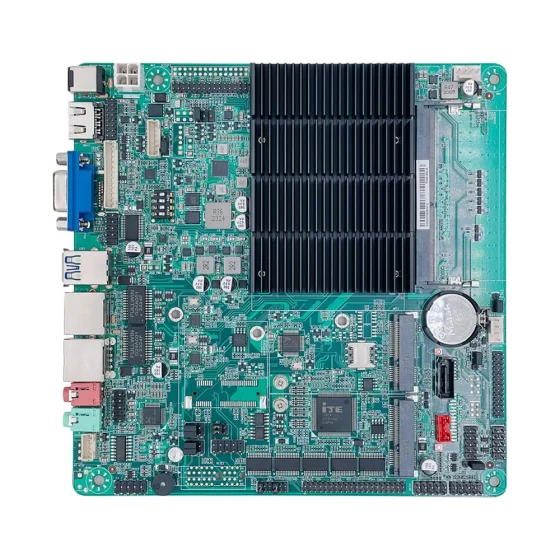
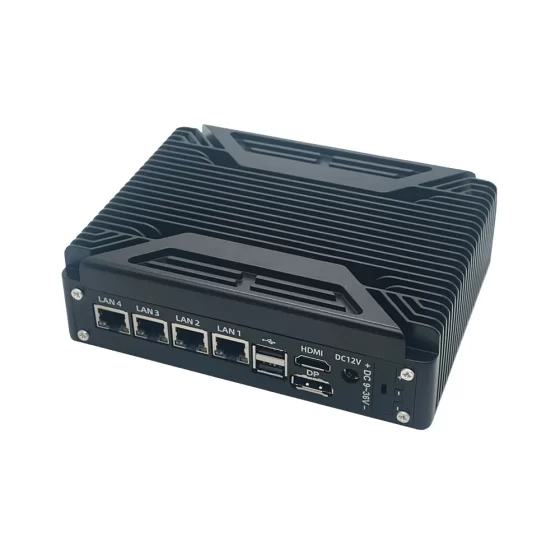
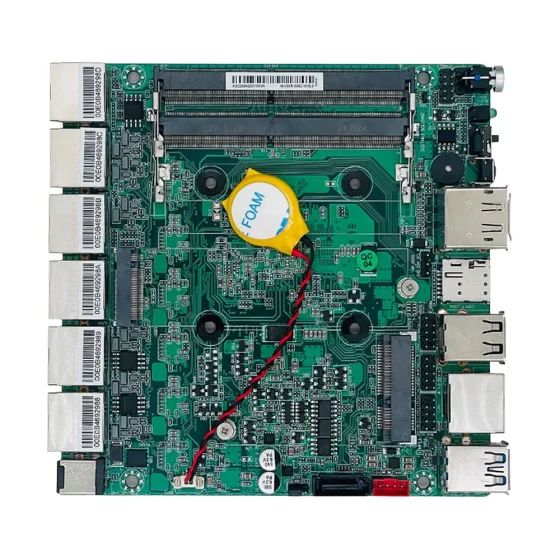
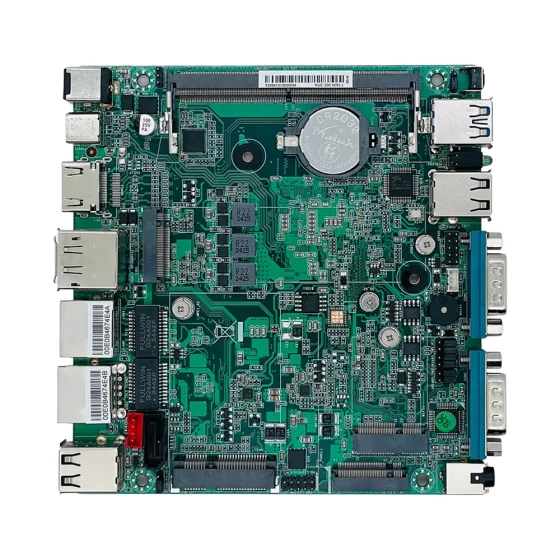
CoreIPC 産業用コンピューティング ソリューション

デジタルマニュファクチャリング向け産業用IPC: コネクテッドファクトリーオペレーションのための信頼性の高いデジタルマニュファクチャリング IPC
エグゼクティブサマリー
デジタル マニュファクチャリング IPC は、機械の接続に必要な産業用コンピューティング基盤を提供します。, 演算子, 生産データ, 品質システム, 工場ネットワークを 1 つの信頼性の高いデジタル ワークフローに統合.
メーカーが手作業による生産管理からコネクテッドな工場運営に移行する中, 産業用コンピューティング ハードウェアがデジタル製造アーキテクチャの重要な部分になる. MESなどのソフトウェアプラットフォーム, スカダ, IIoT ダッシュボード, 品質システム, 分析ツールはすべて工場現場からの安定したデータに依存しています。.
産業用 IPC は機械の近くで動作するように設計されています, 生産ライン, 制御盤, 検査ステーション, およびオペレーターワークステーション. マシンデータを収集できます, ローカルアプリケーションを実行する, 産業用周辺機器を接続する, エッジ処理をサポート, 生産情報を上位システムに転送します.
標準的な商用コンピュータとの比較, 産業用コンピュータと組み込みコンピュータはより強力な信頼性を提供します, より柔軟な I/O, より良い取り付けオプション, ファンレス設計, 長いライフサイクルのサポート, 実際の工場環境との実際的な統合.
この記事では、産業用 IPC プラットフォームがデジタル マニュファクチャリングをどのようにサポートするかについて説明します, メーカーが導入時に直面する課題とは, 実用的なソリューション アーキテクチャがどのように構成されているか, スケーラブルなコネクテッド ファクトリ システムを構築するためにどのハードウェア機能が重要であるか.

産業用コンピューターは、接続された工場運営のために機械とオペレーターのデータを収集します.
業界の概要
デジタル製造は実際の工場データに依存します
デジタル製造はソフトウェアだけではありません. それは正確さに依存します, 安定した, 実際の運用環境からのタイムリーなデータ.
工場はマシン全体で何が起こっているかを理解する必要がある, 行, ワークステーション, 検査エリア, 倉庫, および制御システム. 信頼できる製造現場データがない, デジタルダッシュボード, MESプラットフォーム, 品質システム, 分析ツールは有意義な結果を提供できません.
実用的なデジタル製造システムには通常、次のデータが必要です。:
- PLCおよびマシンコントローラー
- CNC機械と生産設備
- バーコードおよびRFIDシステム
- センサーとメーター
- 画像検査システム
- オペレータ端末
- 試験機器
- 実稼働データベース
- 工場ネットワーク
産業用 IPC ハードウェアは、これらの物理システムをデジタル製造ソフトウェアと接続するコンピューティング層を提供します。.
孤立したマシンから接続されたオペレーションへ
多くの工場は依然として孤立した設備と分断されたワークフローで稼働しています。.
マシンは正常に動作する可能性があります, ただし、そのステータスは生産マネージャーには表示されない場合があります. 品質検査結果はローカルに保存できます, ただし、製品レコードにはリンクされていません. イベントがすでに終了した後、オペレーターがダウンタイムを手動で報告する場合があります.
デジタル製造はこれらのギャップを減らすことを目指しています.
主要な生産拠点に設置された産業用コンピューターは、, プロセス, リアルタイムでデータを転送します. これにより、生産ステータスが作成されます, 品質記録, プロセスパフォーマンス, 組織全体で設備の状態がより可視化される.
産業用 IPC ハードウェアが重要な理由
商用 PC はオフィス環境でも動作可能, しかし、デジタル製造には産業条件で動作できるハードウェアが必要です.
産業用 IPC は機械の近くで継続的に実行する必要がある場合があります, キャビネットの中, または生産ライン上で. スキャナーに接続できる可能性があります, センサー, PLC, カメラ, ディスプレイ, シリアルデバイス, およびネットワークスイッチ.
これにはCPUのパフォーマンス以上のものが必要です. 工業デザインが必要です.
信頼性の高いデジタル製造 IPC プラットフォームは、メーカーが安定したエッジ コンピューティング ノードを構築するのに役立ちます, マシンデータゲートウェイ, オペレータ端末, 長期にわたる工場のデジタル化をサポートできる組み込み制御システム.

産業用 IPC プラットフォームは、混合工場の機器をデジタル製造システムに接続するのに役立ちます.
主要な課題
混合工場設備の接続
工場にはさまざまなベンダーの機器が含まれることがよくあります, さまざまな世代, と異なる通信規格.
一部のマシンはイーサネットを使用します. その他はRS232を使用します, RS485, USB, ドライ接点信号, または外部ゲートウェイモジュール. 古い機器は最新のソフトウェア統合を直接サポートしていない可能性があります.
これにより、デジタル製造における大きな課題が生じます.
産業用コンピュータは、機械全体の交換を強いることなく、従来の機器と最新の機器の両方を接続できる十分なインターフェースの柔軟性をサポートする必要があります。.
過酷な環境でも信頼性を維持
産業用 IPC システムは、標準的なコンピューターが理想的ではない場所に設置されることがよくあります。.
一般的な条件としては、:
- 粉塵や粒子
- 近くの機械からの熱
- 生産設備からの振動
- 電気ノイズ
- 不安定な電力
- 限られた設置スペース
- 長い稼働時間
コンピューティング ハードウェアに障害が発生した場合, データ収集が停止する可能性があります. オペレーターは指示にアクセスできなくなる可能性があります. 品質記録が不完全になる可能性がある. 本番環境の可視性が中断される可能性があります.
このため, デジタル製造ハードウェアは信頼性を考慮して選択する必要があります, 価格やプロセッサ速度だけではない.
データの正確性の確保
デジタル製造はデータの精度に依存します.
バーコードのスキャンが失敗した場合, マシンのステータスが遅れています, または検査結果が正しくアップロードされていません, システムには、不完全な、または誤解を招く生産状況の画像が表示される場合があります。.
これは影響を与える可能性があります:
- 作業指示の追跡
- 製品のトレーサビリティ
- 品質分析
- ダウンタイムレポート
- 設備の利用状況
- プロセスの改善
- 顧客監査の準備
産業用コンピューターは、生産プロセスの近くで安定したローカル データ収集と継続的操作を提供することで、これらのリスクを軽減します。.
ネットワークセグメンテーションの管理
デジタル製造システムは機械ネットワークを接続する可能性がある, 生産ネットワーク, ITネットワーク, ローカルサーバー, およびクラウドプラットフォーム.
これには慎重なネットワーク設計が必要です.
多くの場合, 産業用 IPC には複数の LAN ポートが必要です. 1 つのポートは PLC またはマシンに接続可能, 別のサーバーが MES サーバーに接続している間, データベース, または工場のITシステム.
この分離はネットワーク組織の改善に役立ちます, 不要な交通干渉を減らす, より優れたセキュリティ管理をサポートします.
パイロットプロジェクトを超えたスケーリング
多くのデジタル製造プロジェクトは 1 つのラインまたは 1 つのワークショップから始まります.
パイロットが成功した後, システムはより多くのマシンに拡張する必要があります, 生産ライン, 建物, または工場. この段階では, 一貫性のないハードウェアが問題になる.
さまざまな PC モデル, さまざまなドライバー, さまざまな電源アダプター, 取り付け設計が異なると、メンテナンスの作業負荷が増加する可能性があります.
標準化された産業用 IPC プラットフォームにより拡張が簡素化されます, スペアパーツの計画, ソフトウェアイメージ管理, および長期的な技術サポート.

産業用 IPC は、マシンと工場ソフトウェアの間のエッジ コンピューティング ノードとして機能します。.
デジタル マニュファクチャリング IPC ソリューション アーキテクチャ
機械設備層
マシン層には、運用データを生成する物理的な生産設備が含まれます。.
これには PLC が含まれる場合があります, CNCマシン, コンベア, ロボット, センサー, 工業用メーター, バーコードスキャナ, RFIDリーダー, 試験装置, およびマシンビジョンシステム.
これらのデバイスはさまざまな種類の生産情報を生成します:
- 機械の稼働状況
- 生産数
- サイクルタイム
- アラームイベント
- プロセスパラメータ
- プロダクトID
- 材料のバッチ番号
- 検査結果
- オペレーター確認
- 設備稼働率データ
課題は、この情報を複数のソースから収集し、デジタル製造プラットフォームで使用できるようにすることです。.
インダストリアルエッジコンピューティング層
産業用エッジ コンピューティング層では、産業用 IPC が中心的な役割を果たします.
産業用コンピュータと組み込みコンピュータは機械の近くに配置されています, キャビネット, オペレータステーション, または検査システム. ローカルデバイスからデータを収集します, プロセス情報, 工場のソフトウェアプラットフォームと通信します.
この層では, IPC はいくつかのタスクを実行する場合があります:
- マシンデータの取得
- プロトコル変換
- ローカルデータバッファリング
- MESクライアントの操作
- HMIディスプレイ
- 品質検査サポート
- バーコードとRFIDの処理
- エッジ分析
- データベースの同期
- 遠隔監視サポート
このレイヤーにより、実稼働データが作成された場所の近くで処理できるため、システムの復元力が向上します。.
ファクトリ ソフトウェア レイヤー
工場のソフトウェア層にはMESが含まれます, スカダ, 品質管理システム, 実稼働ダッシュボード, 機器監視プラットフォーム, および産業データベース.
産業用 IPC はこれらのシステムにデータを送信し、システムから指示を受け取ることもあります。.
例えば, MES システムは作業指示を生産ステーションに送信する場合があります. 産業用IPCが作業指示を表示します, スキャン結果を記録する, マシンのステータスを収集します, 完了データをアップロードします.
これにより、制作実行とデータ管理の間に閉ループのデジタル ワークフローが作成されます。.
エンタープライズ層とクラウド層
デジタル製造システムは多くの場合 ERP と接続されています, PLM, WMS, ビジネスインテリジェンスツール, またはクラウド分析プラットフォーム.
これらのシステムは計画に工場データを使用します, 在庫, 品質向上, メンテナンス, 報告, ビジネス上の意思決定.
産業用 IPC ハードウェアはエンタープライズ ソフトウェアに代わるものではありません. その代わり, これらのシステムが正確な生産情報を使用して動作できるようにする信頼性の高いデータ基盤を提供します。.
地域の回復力
工場は常に完璧なネットワーク状態に依存できるわけではありません.
強力なデジタル製造 IPC アーキテクチャは地域の回復力をサポートする必要があります. 産業用コンピュータはデータを収集し続けることができます, 記録を一時的に保存する, ネットワークが回復した後にサーバーと同期します.
データ損失を軽減し、一時的に通信が不安定な場合でも継続的な生産をサポートします。.
主な特長
産業グレードの信頼性
信頼性はデジタル製造で使用される産業用 IPC の最も重要な機能です.
システムは複数のシフトにわたって継続的に動作する必要がある場合があります. ダウンタイムがレポートに直接影響する生産設備の近くに設置される場合があります。, トレーサビリティ, プロセスの可視性.
重要な信頼性要素には次のものがあります。:
- 産業用マザーボードの設計
- ファンレスシステムオプション
- 堅牢な筐体構造
- SSDストレージのサポート
- 安定した熱設計
- 幅広い電圧入力オプション
- 安全な取り付け方法
- 長期的なライフサイクル計画
実際の工場環境での安定稼働を目指す.
柔軟な I/O 構成
デジタル製造プロジェクトでは多くのデバイス接続が必要になることがよくあります.
単一の産業用 IPC でバーコード スキャナを接続する必要がある場合があります, RFIDリーダー, カメラ, プリンター, ディスプレイ, PLC, センサー, およびネットワークデバイス.
便利なインターフェースには次のものがあります。:
- 複数のLANポート
- USB 2.0 とUSB 3.0
- RS232
- RS485
- HDMI
- ディスプレイポート
- GPIO
- M.2拡張
- ミニ PCIe 拡張
- 無線モジュールのサポート
適切な I/O 設計により外部アダプターが減り、システムの安定性が向上します。.
ファンレスでメンテナンスの少ない設計
ファンレス産業用コンピューターはデジタル製造環境で広く使用されています.
メカニカルファンを取り外すことで, このシステムは粉塵の侵入を減らし、よくある故障点を 1 つ排除します。. これは、メンテナンスへのアクセスが制限されている場合や、浮遊粒子が標準的なコンピューターに影響を与える可能性がある工場で役立ちます。.
ファンレス設計でも適切なプロセッサーと一致させる必要があります, 囲い, 周囲温度, とインストール方法.
コンパクトな機械的統合
産業用 IPC システムはスペースが限られた場所に設置されることがよくあります.
制御盤内に取り付けることができます, ディスプレイの後ろ, ワークステーションの下で, マシンフレームに, またはOEM機器内.
コンパクトな組み込みコンピュータと産業用ボックス PC は柔軟な設置オプションを提供します. 機械メーカー向け, 組み込みボードはカスタム機器設計に直接統合可能.
ストレージとデータ保護
デジタル製造用コンピューターにはオペレーティング システム ファイルが保存される場合がある, ローカルアプリケーション, 本番ログ, 一時的な記録, 検査画像, およびデータベースファイル.
SSD ストレージは、機械式ストレージよりも優れた耐衝撃性と高速なシステム応答を提供するため、一般に好まれます。.
検査画像や頻繁なログを保存する用途に, ストレージ容量と書き込み耐久性は、システム計画時に検討する必要があります。.
オペレーティング システムとソフトウェアの互換性
産業用 IPC プラットフォームは Windows を実行する場合があります, Linux, ブラウザベースのアプリケーション, またはカスタム産業用ソフトウェア.
大規模導入前, ハードウェアはターゲット オペレーティング システムでテストする必要があります, デバイスドライバー, スキャナー, プリンター, カメラ, PLC通信ツール, リモートアクセスソフトウェア, およびサイバーセキュリティ設定.
この検証により、工場での展開中に予期せぬ障害が発生するリスクが軽減されます。.
導入シナリオ
マシンデータの収集
機械データ収集は、最も一般的なデジタル製造アプリケーションの 1 つです.
産業用 IPC は PLC に接続可能, CNCマシン, センサー, メートル, またはコントローラー. マシンのステータスを収集します, 出力数, アラーム情報, サイクルタイム, およびプロセスデータ.
これにより、メーカーは機器の性能をより正確に把握し、手動による報告を減らすことができます。.
オペレーターワークステーション
産業用コンピュータを生産ラインのオペレータ端末として使用可能.
タッチスクリーンに接続する可能性があります, バーコードスキャナ, RFIDリーダー, キーボード, ラベルプリンター, およびMESソフトウェア.
オペレーターは作業指示を表示できます, スキャン製品, 資料を確認する, 記録上の欠陥, 制作実績の提出.
これによりプロセス管理が改善され、紙ベースのワークフローが削減されます。.
品質検査ステーション
デジタル製造は品質データに大きく依存します.
産業用IPCは検査カメラに接続可能, 測定ツール, 試験器具, バーコードスキャナ, とプリンター. 検査結果を製品 ID に関連付け、記録を品質システムまたは MES プラットフォームにアップロードできます。.
これによりトレーサビリティが向上し、根本原因の分析がサポートされます。.
生産ラインの監視
産業用コンピュータは、機械のステータスを表示する生産監視システムをサポートできます, ライン出力, ダウンタイムの理由, およびプロセスアラーム.
これらのシステムは制御室に設置される場合があります, ワークショップオフィス, または工場の現場で直接.
複数のデバイスからデータを収集することで, 産業用 IPC プラットフォームは、生産チームが異常な状況に迅速に対応できるように支援します.
産業用IoTゲートウェイ
産業用IoTアプリケーションにおいて, 組み込みコンピュータは、マシンとクラウドまたはローカル分析プラットフォームの間のゲートウェイとして機能できます。.
フィールドデバイスからデータを収集する場合があります, 前処理情報, 不要なデータをフィルタリングする, 選択したレコードを上位システムに送信します.
これによりネットワーク負荷が軽減され、より効率的なデータ管理がサポートされます。.
OEM マシンの統合
機械メーカーは、組み込みコンピュータや産業用マザーボードを製品に直接統合できます。.
これにより、機械はデータレポートなどのデジタル製造機能をサポートできるようになります。, リモート診断, オペレーターインターフェース, 生産追跡, および顧客の MES 接続.
OEM向け, 組み込みの産業用コンピューティングにより、マシンの価値が向上し、エンドユーザーの統合が簡素化されます。.
倉庫とマテリアルフロー
デジタル製造には資材の移動や倉庫業務も含まれます.
産業用コンピュータを受信ステーションで使用可能, 材料準備エリア, ラインサイドストレージ, および完成品ゾーン.
バーコードスキャナーを接続することで, RFIDリーダー, 計量装置, およびラベルプリンター, これらのシステムは、材料のトレーサビリティを向上させ、手動入力エラーを削減するのに役立ちます。.

産業用コンピューターが生産の可視化をサポート, トレーサビリティ, および品質モニタリング.
ビジネス上のメリット
本番環境の可視性の向上
産業用 IPC システムは、メーカーが工場現場で何が起こっているかを確認するのに役立ちます.
マシンからリアルタイムのデータを収集することによって, 演算子, および検査ステーション, デジタル製造プラットフォームは作業指示の進捗状況を表示できる, 設備の状態, 生産量, ダウンタイムの原因, そして質の高い結果.
これにより意思決定が改善され、応答の遅れが軽減されます。.
トレーサビリティの向上
トレーサビリティは完全かつ正確な記録に依存します.
産業用コンピューターは製品 ID の取得に役立ちます, 材料バッチ, マシンパラメータ, オペレータのアクション, 検査結果, およびプロセス履歴.
品質管理をサポートします, 顧客監査, 保証調査, そして継続的な改善.
手作業の削減
手動データ入力は時間がかかり、エラーが発生しやすい.
産業用 IPC プラットフォームに基づくデジタル製造システムは、デバイスから直接データを収集できます, スキャナー, センサー, と演算子.
これにより事務処理が軽減されます, 一貫性を向上させる, 生産チームは繰り返しの報告ではなくプロセスの改善に集中できるようになります。.
既存設備の有効活用
工場はデジタル化を進めるために必ずしも既存の機械を置き換える必要はありません.
産業用コンピューターはシリアルポート経由でレガシー機器に接続可能, イーサネット, USB, センサー, またはゲートウェイモジュール.
これにより、メーカーは以前の設備投資を保護しながら、既存の生産資産を段階的にデジタル化できるようになります。.
スケーラブルな工場のデジタル化
標準化された産業用 IPC プラットフォームは拡張可能な導入をサポートします.
同じハードウェア ファミリが複数のラインまたは工場で使用されている場合, ソフトウェアイメージ, スペアパーツ, アクセサリー, ドライバー, メンテナンス手順の管理が容易になります.
これは、デジタル製造がパイロット プロジェクトから完全な工場実装に拡大する場合に特に重要です。.
先進製造システムの基盤
信頼性の高い産業用コンピューティング ハードウェアが産業用 IoT などの高度なシステムの基盤を構築します。, マシンビジョン, エッジAI, 予知保全, スマートな生産分析.
Once accurate factory data is available, メーカーはデジタル製造インフラストラクチャ上にさらに高度なアプリケーションを構築できる.
CoreIPC を選ぶ理由
CoreIPC は製造オートメーションのための産業用コンピューティング プラットフォームを提供します, 組み込みシステム, マシンの接続性, and factory digitalization. For digital manufacturing applications, CoreIPC は信頼性の高い産業用 IPC ハードウェアに重点を置いています, 組み込みコンピュータソリューション, 柔軟な I/O 構成, compact mechanical design, OEM/ODMカスタマイズサポート. CoreIPC はシステム インテグレーターを支援します, 機器ビルダー, 製造チームは実際の運用環境に適合するコンピューティング プラットフォームを選択します, マシンインターフェースを含む, 取り付け方法, 電源入力, 熱条件, ライフサイクル計画, and scalable deployment needs.
よくある質問
1. What is a digital manufacturing IPC?
デジタル製造 IPC は、機械を接続するために使用される産業用コンピューターです。, 演算子, 生産システム, および工場出荷時のソフトウェアプラットフォーム.
PLCからのデータ収集が可能, センサー, スキャナー, カメラ, および生産設備. It may also run MES client software, HMI アプリケーション, 監視ツール, またはエッジデータサービス. オフィスコンピュータとの比較, 産業環境と連続稼働向けに設計されています.
2. 産業用 IPC がデジタル製造にとって重要な理由?
産業用 IPC は、物理的な生産装置とデジタル システムを接続するローカル コンピューティング層を提供します。.
機械の近くに信頼できるハードウェアがない, デジタル製造ソフトウェアは正確またはタイムリーなデータを受信できない可能性があります. 産業用コンピューターは生産情報の収集に役立ちます, ローカルで処理する, それをMESに送信します, スカダ, IIoT, または分析プラットフォーム.
3. 組み込みコンピューターはデジタル製造でどのように使用されますか?
組み込みコンピュータは機械の近くに設置可能, キャビネットの中, ディスプレイの後ろ, または OEM 機器内に直接.
マシンデータを収集する場合があります, スキャナーを接続する, PLCと通信する, ローカルアプリケーションを実行する, またはネットワーク中断時のデータのバッファー. コンパクトな設計により、スペースが限られた工場環境や機械側の統合に役立ちます。.
4. デジタル製造 IPC システムに一般的に必要なインターフェイスは何ですか?
共通インターフェースにはLANが含まれます, USB, RS232, RS485, HDMI, ディスプレイポート, GPIO, M.2, およびミニ PCIe.
LAN ポートは工場のネットワークとマシンの通信をサポートします. USBでスキャナーを接続, カメラ, プリンター, および周辺機器. シリアルポートはレガシーマシンに便利です, メートル, またはコントローラー. 拡張インターフェイスにより、システム インテグレーターは IPC を特定のプロジェクトのニーズに適応させることができます.
5. 産業用コンピューターはレガシーマシンをデジタル製造システムに接続できるか?
はい. 産業用コンピューターは、最新のデジタル通信をサポートしていない古い機械を直接接続するためによく使用されます。.
シリアルポート付き, イーサネット, USB, センサー, またはゲートウェイモジュール, 産業用 IPC はマシンのステータスを収集できます, 生産数, アラームデータ, およびプロセス情報. これにより、工場はすべての機械を交換することなく、既存の設備をデジタル化できます。.
6. ファンレス産業用コンピューターが工場で使われている理由?
ファンレス産業用コンピューターは粉塵の侵入を減らし、一般的な機械的故障点を排除します.
これは、ほこりが多い本番環境で役立ちます。, 粒子, 振動, または長時間の動作時間が標準的なコンピュータに影響を与える可能性があります. ファンレス設計によりメンテナンスの必要性が軽減されます, ただし、システムには作業負荷と設置条件に基づいた正しい熱計画が必要です。.
7. デジタル製造 IPC システムには複数の LAN ポートが必要ですか??
複数の LAN ポートは多くのデジタル製造システムで役立ちます.
1 つの LAN ポートがマシンに接続可能, PLC, またはフィールドデバイス, 別のサーバーが MES サーバーに接続している間, SCADAシステム, または工場のITネットワーク. この分離により、ネットワーク組織が改善される可能性があります, セキュリティ設計をサポート, コミュニケーションの衝突を減らします.
8. 産業用 IPC ハードウェアはどのようにトレーサビリティを向上させますか?
産業用 IPC ハードウェアは、各生産ポイントで正確なデータを収集することでトレーサビリティを向上させます.
製品のシリアル番号を取得できます, 材料バッチ情報, マシンパラメータ, 検査結果, オペレータのアクション, および処理記録. この情報がMESまたは品質システムに送信される場合, メーカーは各製品の完全な生産履歴を構築できます.
9. デジタルマニュファクチャリング用の IPC を選択する前に考慮すべきこと?
メーカーはマシンのインターフェースを見直す必要がある, 周辺機器, CPU性能, メモリ, ストレージ, オペレーティング システムのサポート, 電源入力, 取付方法, 周囲温度, ネットワーク設計, およびライフサイクル要件.
実際のソフトウェアを使用して IPC をテストすることも重要です, スキャナー, プリンター, PLC通信, 大規模導入前のリモート メンテナンス ツール.
10. OEM 機器メーカーは産業用 IPC プラットフォームを使用できますか?
はい. OEM 機器メーカーは産業用 IPC を使用できます, 組み込みコンピュータ, または、機械にデジタル製造機能を追加するための産業用マザーボード.
これにはデータレポートが含まれる場合があります, オペレーターインターフェース, リモート診断, 生産追跡, および MES 接続. 統合されたコンピューティング ハードウェアは、機器をスマート ファクトリー環境により適したものにするのに役立ちます.
結論
デジタル製造 IPC は、接続された工場運営のための実用的な基盤です.
産業グレードのコンピューティング能力をマシンに近づけます, 演算子, センサー, スキャナー, 検査システム, および生産ネットワーク. これはメーカーが正確なデータを収集するのに役立ちます, 視認性を向上させる, トレーサビリティの強化, スケーラブルな工場のデジタル化をサポートします.
実際の導入要件に基づいて、適切な産業用コンピュータまたは組み込みコンピュータを選択する必要があります。, I/O構成を含む, ネットワークアーキテクチャ, 取付方法, 電源入力, 熱設計, ストレージのニーズ, オペレーティング システムの互換性, および長期的なライフサイクル計画.
CoreIPC は、実際の工場環境向けに設計された産業用 IPC プラットフォームでデジタル製造プロジェクトをサポートします. 信頼性の高い産業用コンピューティング ハードウェアを選択することで, メーカーはMESのためのより強力な基盤を構築できます, 産業用IoT, マシンビジョン, エッジ分析, 長期的なスマート製造開発.
お問い合わせ
産業用 IPC を探しています, 産業用コンピュータ, またはデジタル製造用の組み込みコンピューター?
プロジェクトの要件については、CoreIPC にお問い合わせください。, マシンインターフェースを含む, I/O構成, プロセッサプラットフォーム, 取付方法, 電源入力, 動作環境, ライフサイクルのニーズ, および OEM/ODM カスタマイズ オプション.