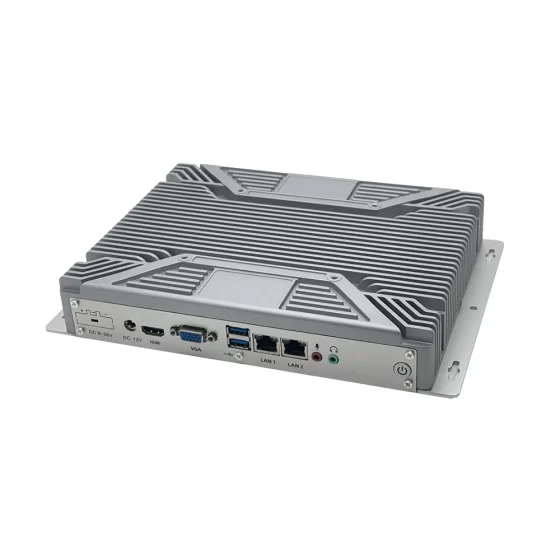
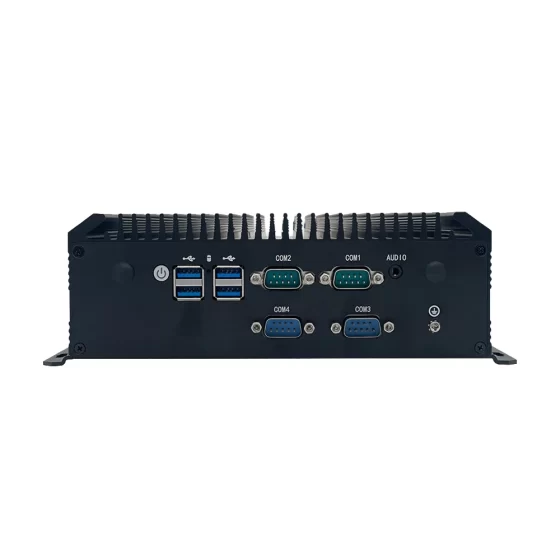
CoreIPC 産業用コンピューティング ソリューション

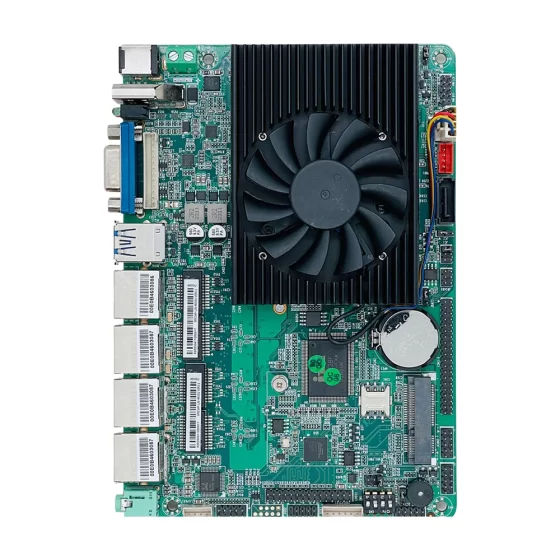
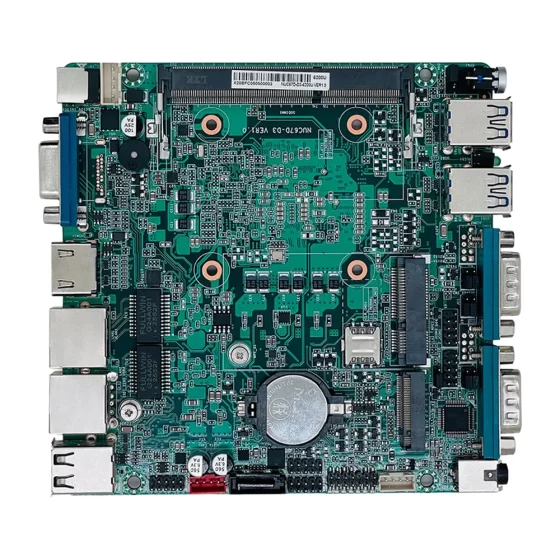
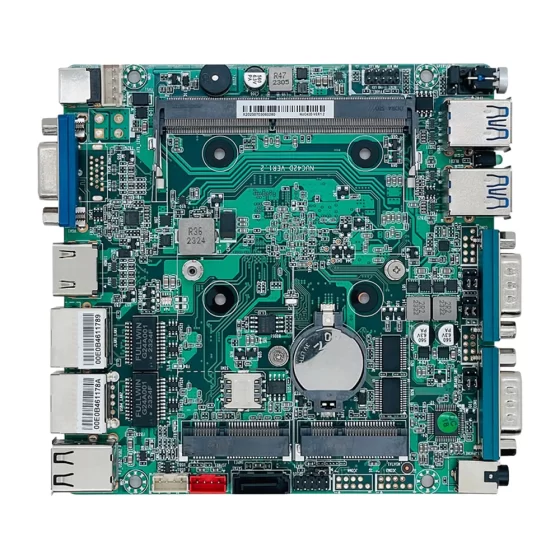
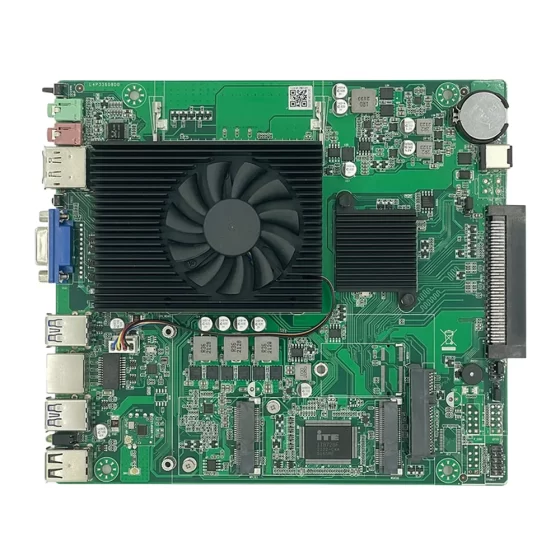
HMI アプリケーション用のファンレス産業用 PC: オペレータインターフェイス用の HMI 産業用 PC
エグゼクティブサマリー
hmi 産業用 PC は、オペレータ インターフェイス システムに産業用コンピューティング基盤を提供します。, 機械の可視化, 生産監視, アラーム管理, レシピ制御, データ表示, メンテナンスアクセス, および工場システム通信.
ヒューマン マシン インターフェイス アプリケーションは現代のオートメーションに不可欠です. オペレーターは明確にする必要があります, 信頼性のある, マシンステータスへの応答性の高いアクセス, プロセス値, アラーム, 制作記録, 設備の状態, およびシステム制御. 生産ラインに導入されているかどうか, 包装機, CNCマシン, ロボットワークセル, ユーティリティステーション, または産業用制御キャビネット, HMI プラットフォームは連続動作中に安定した状態を維持する必要があります.
ファンレス産業用 PC または組み込みコンピュータで HMI ソフトウェアを実行可能, PLCとコントローラーを接続する, リアルタイムのマシンデータを表示する, ローカルレコードを保存する, リモート診断をサポート, SCADAと通信します, MES, 産業用IoTプラットフォーム, またはクラウド監視システム.
一般的なオフィスPCとの比較, ファンレス産業用コンピュータは、粉塵の流入が少ないため、HMI アプリケーションに適しています。, よくある機械的故障点を 1 つ取り除く, 頑丈な設置をサポート, 複数の産業用インターフェースを提供する, 長いライフサイクルの可用性を提供します.
この記事では、ファンレス HMI 産業用 PC プラットフォームが産業用オペレータ インターフェイスをどのようにサポートするかについて説明します。, 実際の自動化環境ではどのような導入上の課題が発生するか, ソリューション アーキテクチャの仕組み, HMI アプリケーション用の産業用コンピュータまたは組み込みコンピュータを選択する際にどのハードウェア機能が重要になるか.
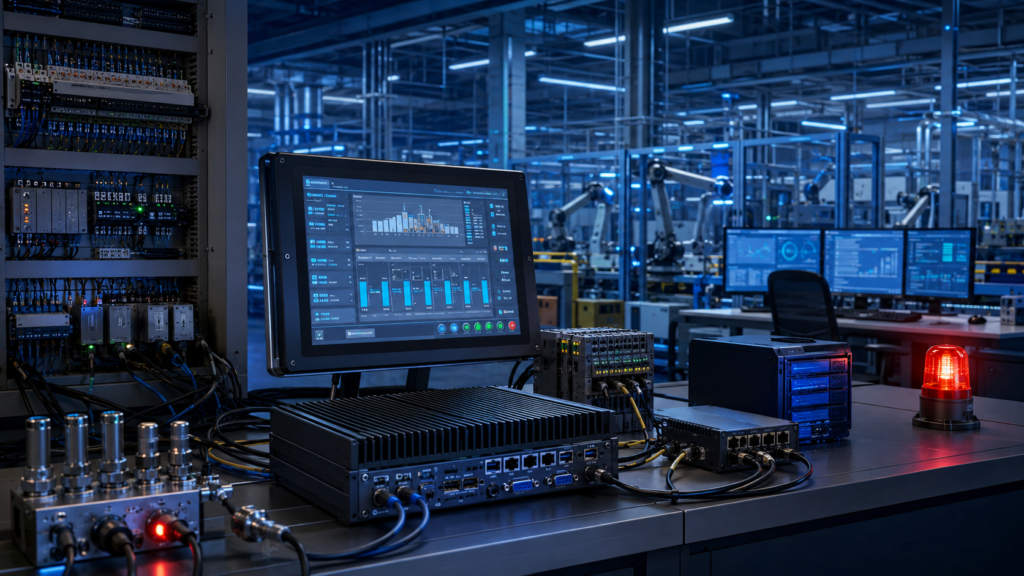
HMI 産業用 PC はマシンのステータスを表示します, アラーム, レシピ, 制作記録, オペレーター向けのメンテナンスデータ.
業界の概要
HMI システムは産業運営の中心です
HMI システムは、オペレータが機械を理解し、操作するのに役立ちます.
プロセス情報を表示します, マシンのステータス, アラームメッセージ, 生産数, レシピ, メンテナンス画面, および取扱説明書. 多くの工場では, HMI は人と機器の間の主要な日常インターフェイスです。.
一般的な HMI アプリケーションには次のものがあります。:
- 機械操作パネル
- 生産ラインのダッシュボード
- 包装機インターフェース
- CNCオペレータ画面
- ロボットワークセルモニター
- ユーティリティ制御ステーション
- SCADA端末
- プロセス監視パネル
- メンテナンスアクセス端末
- 産業用IoTダッシュボード
- 品質検査の表示
- 設備ステータス画面
信頼性の高い HMI 産業用 PC は、オペレーターがより迅速に意思決定を行うのに役立ち、機械操作のリスクを軽減します。.
産業環境に適合するファンレス設計
多くの HMI システムは機械の近くに設置されています, キャビネットの中, コントロールパネル上, または粉塵の多い生産地域では.
ファンベースのコンピューターは筐体内に埃を吸い込む可能性があります. ファンには、時間の経過とともに故障する可能性のある可動部品も導入されています.
ファンレス産業用 PC はこのリスクを軽減します.
ファンレス設計は特に次の用途に役立ちます。:
- 埃っぽい工場の床
- 包装エリア
- CNCワークショップ
- オートメーションキャビネット
- 倉庫システム
- ユーティリティルーム
- キオスク型産業用端末
- 遠隔監視ステーション
- メンテナンスの手間がかからない機器
堅牢なエンクロージャ設計と信頼性の高いストレージを組み合わせた場合, ファンレス IPC は、長時間実行される HMI アプリケーションに安定したプラットフォームを提供します.
HMI はよりデータドリブンになりつつあります
従来の HMI 画面は主に機械の操作に焦点を当てていました.
最新の HMI システムはデータ機能をますますサポートしています, 生産分析を含む, アラーム履歴, 品質記録, メンテナンスログ, リモートアクセス, と産業用IoTの統合.
HMI 産業用 PC は、以下に接続する必要がある場合があります。:
- PLC
- センサー
- ドライブ
- コントローラー
- バーコードリーダー
- 産業用カメラ
- MESプラットフォーム
- SCADAシステム
- ローカルデータベース
- クラウドダッシュボード
- メンテナンス体制
これにより、HMI コンピュータはコネクテッド ファクトリ アーキテクチャの重要な部分になります。.

粉塵の多い環境, タッチパネル, PLC配線, シリアルインターフェース, イーサネットゾーン, ファンレス ハードウェアは HMI 展開に影響を与えます.
主要な課題
継続的なオペレータ アクセスの維持
HMI システムは機械の動作中も利用可能な状態を維持する必要があります.
HMI がフリーズした場合, 再起動します, または通信が失われる, オペレータはアラームにアクセスできなくなる可能性があります, ステータスデータ, レシピ, およびコントロール画面.
これにより、トラブルシューティングが遅くなり、本番環境に影響が出る可能性があります.
信頼性の高い HMI 産業用 PC は連続動作をサポートする必要があります, 安定した熱設計, 信頼できるストレージ, マシンコントローラーとの堅牢な通信.
粉塵や振動が起こりやすい環境での動作
HMI コンピューターは生産設備の近くに設置されることがよくあります.
粉塵にさらされる可能性があります, 振動, 熱, 電気ノイズ, とケーブルのストレス.
ファンレス産業用コンピューターは粉塵の侵入を軽減します. 頑丈なエンクロージャと安全な取り付けにより、プラットフォームを振動や機械的ストレスから保護します。.
これは工場の長期的な信頼性にとって重要です.
さまざまな産業用デバイスを接続する
HMI プラットフォームでは多くのデバイスを接続する必要がある場合があります.
これらには以下が含まれる場合があります:
- PLCコントローラー
- サーボドライブ
- センサー
- バーコードリーダー
- 産業用カメラ
- I/Oモジュール
- ロボットコントローラー
- 試験装置
- ローカルデータベース
- 産業用スイッチ
- MES または SCADA システム
異なるシステムではイーサネットが必要になる場合があります, USB, RS232, RS485, GPIO, またはデジタルI/O.
柔軟な接続により統合の難しさが軽減され、HMI プラットフォームをさまざまなマシンに簡単に導入できるようになります。.
レスポンシブなビジュアライゼーションのサポート
オペレーターは迅速かつ明確な画面応答を必要としています.
HMI 産業用 PC はダッシュボードを実行できます, アラームページ, トレンドチャート, レシピ画面, メンテナンスページ, そして製作記録.
プラットフォームには十分な CPU が必要です, メモリ, グラフィックス機能, ストレージ速度, 選択した HMI ソフトウェアの表示サポート.
HMI の応答が遅いと、オペレータの信頼やマシンの使いやすさに影響を与える可能性があります.
ローカルデータの保存
多くの HMI システムは重要な記録をローカルに保存します.
これらには以下が含まれる場合があります:
- アラーム履歴
- 生産数
- レシピファイル
- オペレーターのアクション
- メンテナンスログ
- 品質記録
- マシンステータスログ
- 構成のバックアップ
- アップロードバッファ
- 診断ファイル
ローカル ストレージはネットワーク中断時の記録の保存に役立ちます.
信頼性の高い SSD または NVMe ストレージにより、システムの応答性とデータ保護が向上します.
リモートメンテナンスをサポート
機械製造業者やメンテナンス チームは、多くの場合、HMI システムへのリモート アクセスを必要とします。.
ログを確認する必要がある場合があります, アラームをチェックする, 構成を更新する, PLC通信のトラブルシューティング, またはシステムステータスを検査する.
リモートアクセスは安全で制御されている必要があります.
HMI 産業用 PC はネットワーク セグメンテーションをサポートする必要があります, アクセス許可, ロギング, 実稼働システムを保護するためのバックアップ ワークフロー.

HMI 産業用 PC が PLC に接続, センサー, コントローラー, タッチスクリーン, スカダ, MES, データベース, クラウドシステム, およびリモートメンテナンスツール.
HMI 産業用 PC ソリューション アーキテクチャ
マシンおよびデバイス層
マシンおよびデバイス層には、HMI システムに接続された機器が含まれます.
この層には以下が含まれる場合があります:
- PLC
- センサー
- サーボドライブ
- モーターコントローラー
- ロボットコントローラー
- I/Oモジュール
- バーコードリーダー
- 産業用カメラ
- 試験装置
- 安全装置
- メートル
- 生産機械
これらのデバイスは、オペレーターが表示および管理する必要があるデータを生成します。.
HMI産業用PC層
HMI 産業用 PC レイヤーは、ローカルの視覚化およびコンピューティング プラットフォームです。.
この層では, ファンレス産業用コンピュータまたは組み込みコンピュータは、:
- HMI ソフトウェアを実行する
- 機械の状態を表示する
- アラーム情報を表示する
- レシピを管理する
- ローカルレコードを保存する
- PLCとコントローラーを接続する
- オペレーター入力のサポート
- メンテナンス画面の提供
- バッファー生産データ
- 情報を工場システムに転送する
この層は、産業用機器のオペレータ向けインターフェイスを提供します。.
制御通信層
通信層は、HMI コンピュータとオートメーション デバイスを接続します。.
含まれる場合があります:
- イーサネット
- USB
- RS232
- RS485
- デジタル I/O
- GPIO
- 産業用イーサネット
- PLC通信
- 産業用スイッチ
- ローカルサービスポート
通信設計はマシンのアーキテクチャに依存します, ソフトウェア要件, と工場のネットワーク構造.
ファクトリインテグレーションレイヤー
HMI産業用PCは上位システムに接続可能.
これらには以下が含まれる場合があります:
- スカダ
- MES
- ERP
- 高品質のデータベース
- 産業用IoTプラットフォーム
- ローカルダッシュボード
- メンテナンス体制
- クラウド監視システム
- トレーサビリティプラットフォーム
これにより、HMI データがより広範なスマート ファクトリー データ環境の一部となることが可能になります。.
セキュリティおよび管理層
セキュリティ層と管理層で長期運用をサポート.
含まれる場合があります:
- ユーザー権限
- ネットワークのセグメンテーション
- 安全なリモートアクセス
- ローカルロギング
- 構成のバックアップ
- ストレージの監視
- システムの健全性の監視
- リモート診断
- ソフトウェア更新管理
これにより、機械の動作が保護され、メンテナンスが簡素化されます。.
主な特長
ファンレス工業デザイン
ファンレス設計は HMI アプリケーションにとって大きな利点です.
粉塵の侵入を減らし、一般的な機械的故障点を 1 つ除去します。.
工場での連続稼働に役立ちます。, 機械室, 包装ライン, CNCワークショップ, 倉庫システム, および制御盤.
ファンレス動作は実際のワークロードに応じて検証する必要があります, 周囲温度, 筐体設計, そして取り付け方法.
信頼性の高いディスプレイのサポート
HMI システムは安定したディスプレイ出力に依存します.
産業用 PC はローカル モニターをサポートする必要がある場合があります, タッチスクリーン, パネル展示, または外部オペレーター画面.
便利な表示オプションには次のものがあります。:
- HDMI
- ディスプレイポート
- レガシー システムの VGA
- タッチスクリーンインターフェースのサポート
- マルチディスプレイ機能
- ローカルダッシュボードの出力
多くの場合、HMI が主要なオペレータ インターフェイスとなるため、ディスプレイの安定性は重要です。.
マルチデバイス接続
HMI 産業用 PC は、マシン統合のための実用的な I/O を提供する必要があります.
便利なインターフェースには次のものがあります。:
- LAN
- USB
- RS232
- RS485
- GPIO
- デジタル入力
- デジタル出力
- HDMI
- ディスプレイポート
- M.2
- PCIe
- SATA または NVMe ストレージ
これらのインターフェイスは PLC をサポートします, バーコードリーダー, センサー, サービスツール, ディスプレイ, コントローラー, および工場ネットワーク接続.
マルチLANネットワーク設計
複数の LAN ポートにより通信パスを分離できます.
HMI システムは、次の目的のために別のネットワークを使用する場合があります。:
- PLC通信
- マシンネットワーク
- 工場ITネットワーク
- SCADA接続
- MES接続
- リモートメンテナンス
- 現地管理
- インダストリアルIoTプラットフォーム
ネットワークを分離すると、トラフィックの組織化が改善され、重要でないトラフィックがマシンの通信に影響を与えるリスクを軽減できます。.
ローカルストレージとデータロギング
ローカルストレージはHMIソフトウェアをサポートします, レシピ, ログ, アラーム, オペレーターの記録, 構成のバックアップ, および診断ファイル.
SSD または NVMe ストレージは、機械式ドライブよりも高速アクセスと優れた耐衝撃性を備えているため、一般的に好まれます。.
ストレージ計画で考慮すべきこと:
- レシピファイルのサイズ
- アラーム履歴
- ローカルデータベースのサイズ
- バックアップのワークフロー
- 書き込み耐久性
- 回復プロセス
- ネットワーク中断動作
信頼性の高いストレージによりトレーサビリティとシステムの保守性が向上します.
頑丈な筐体と取り付け
HMI産業用PCはキャビネットに設置可能, パネルの後ろ, マシンフレームに, またはコンパクトな筐体内.
コンピュータは安全な取り付けと安定したケーブル接続をサポートしている必要があります.
頑丈なエンクロージャ設計により、システムを振動から保護します, ケーブルストレス, 継続的な生産オペレーション.
機械製造者はキャビネットのエアフローも考慮する必要があります, 熱伝導, 取り付けクリアランス, およびサービスへのアクセス.
HMI ソフトウェアの互換性
ハードウェア プラットフォームは、選択した HMI ソフトウェア環境と一致する必要があります。.
重要な考慮事項には以下が含まれます::
- オペレーティング システムのサポート
- CPU性能
- メモリ容量
- グラフィック要件
- タッチスクリーンドライバーのサポート
- PLC通信ドライバー
- データベース要件
- リモートアクセスツール
- 長期的なソフトウェアイメージのサポート
最終的な構成は、実際の HMI アプリケーションで検証する必要があります。.
長いライフサイクルの可用性
HMI システムは多くの場合、長年にわたって使用され続けます。.
一貫したハードウェアはソフトウェア イメージの維持に役立ちます, ドライバー, タッチスクリーンの互換性, PLC通信設定, スペアパーツ, およびサービス手順.
機械製造業者にとって、長いライフサイクルでの可用性は重要です, システムインテグレーター, 同様の HMI システムを多数のマシンに導入しているメーカーも.
導入シナリオ
機械操作盤
ファンレス HMI 産業用 PC を生産機械のオペレータ インターフェイスとしてインストール可能.
機械の状態を表示できる, アラームメッセージ, レシピ, サイクルデータ, メンテナンス情報なども.
機械の操作やトラブルシューティングが容易になります。.
生産ライン HMI ステーション
生産ラインでは多くの場合、ラインレベルのダッシュボードが必要になります.
産業用コンピュータは機械の状態を表示できます, 生産数, 品質データ, ダウンタイムイベント, およびアラーム記録.
複数のデバイスを接続し、MES または SCADA システムにデータを送信できます。.
包装機HMI
包装機器にはレシピ管理が必要, 回線速度表示, ラベル検証ステータス, バーコードレコード, とアラームのレビュー.
ファンレスの組み込みコンピュータで HMI を実行し、PLC から生産データを収集できます。, カメラ, バーコードリーダー, そして重量チェッカー.
これにより、スマートなパッケージングの自動化がサポートされます.
CNC機械オペレーターインターフェース
CNC マシンにはプログラム管理が必要です, 座標表示, ツールデータ, スピンドルステータス, アラーム, およびメンテナンス画面.
HMI 産業用 PC は安定した視覚化を提供し、機械を工場システムに接続できます。.
これにより、使いやすさと機械の視認性が向上します.
ロボットワークセルインターフェース
ロボット セルにはロボットのステータスを確認するためのローカル ダッシュボードが必要な場合があります, ツール情報, 検査結果, 安全地帯のステータス, そして製作記録.
組み込みコンピュータは HMI をサポートし、ロボット コントローラを接続できます, PLC, カメラ, および工場出荷時のソフトウェア.
これにより、コネクテッドロボットオートメーションがサポートされます.
公共事業およびエネルギー監視パネル
ユーティリティ システムにはポンプ用のローカル HMI 画面が必要な場合があります, メートル, 電力システム, 環境センサー, またはリモートインフラストラクチャ.
ファンレス産業用 PC はステータスデータを表示可能, 記録を保存する, SCADA またはクラウド監視システムに接続します.
現場や施設の運営をサポートします.
インダストリアルIoTダッシュボードターミナル
工場はローカル端末を導入して産業用 IoT ダッシュボードを表示する場合があります.
HMI 産業用 PC は機器の健全性を表示できます, 生産動向, エネルギーデータ, アラーム, およびリモートサイトのステータス.
これにより、オペレーターは装置の近くでデータに基づいた意思決定を行うことができます。.
OEM HMI コントローラ プラットフォーム
機械メーカーは、ファンレス産業用コンピューターまたは組み込みボードをカスタム HMI コントローラー システムに統合できます。.
プラットフォームは HMI ソフトウェアをサポートできます, デバイス通信, データロギング, リモート診断, および顧客固有の I/O.
これは再現性のある機械製品の作成に役立ちます.
ビジネス上のメリット
オペレーターの視認性の向上
HMI 産業用 PC により、オペレータはマシンのステータスに明確にアクセスできます, アラーム, トレンド, レシピ, および生産データ.
これにより認識が向上し、オペレーターが問題に迅速に対応できるようになります。.
視認性の向上により、より安全で効率的な機械の運用がサポートされます。.
メンテナンスのリスクの軽減
ファンレス設計により塵埃の侵入が軽減され、システムから可動部品が排除されています。.
頑丈な構造と信頼性の高いストレージの組み合わせ, 産業環境におけるメンテナンスのリスクを軽減します。.
これにより、HMI の長期的な信頼性がサポートされます。.
生産トレーサビリティの向上
HMI プラットフォームは生産記録を収集および保存できます。, アラームログ, オペレータのアクション, レシピの変更, そして質の高いデータ.
これらの記録は MES に転送できます, スカダ, または産業用IoTシステム.
これにより、トレーサビリティとレポートが向上します.
より迅速なトラブルシューティング
ローカルログ, アラーム履歴, リモート診断, およびマシンステータス画面は、メンテナンスチームが問題をより迅速に特定するのに役立ちます.
信頼性の高い HMI 産業用 PC は、構造化されたトラブルシューティングをサポートし、ダウンタイムを削減します。.
より簡単なマシン統合
ファンレス産業用PCでPLCを接続可能, センサー, コントローラー, HMI, バーコードリーダー, カメラ, および工場出荷時のソフトウェア.
これにより、機械製造業者は、より少ない外部デバイスで統合自動化システムを作成できます。.
柔軟な I/O でさまざまなプロジェクト要件をサポート.
スケーラブルな HMI 導入
標準化された HMI 産業用 PC プラットフォームは、多くのマシンに導入可能, 行, および顧客サイト.
一貫したハードウェアによりソフトウェア イメージが簡素化されます, ドライバーの検証, スペアパーツの計画, オペレータートレーニング, およびライフサイクル管理.
これにより、スケーラブルな自動化展開がサポートされます.
CoreIPC を選ぶ理由
CoreIPC は、HMI アプリケーション向けの産業用コンピューティング プラットフォームを提供します, 産業オートメーション, マシンビジョン, 産業用IoT, ロボット工学, および組み込みシステムの統合. HMI産業用PCアプリケーション向け, CoreIPC は信頼性の高い産業用コンピューター ハードウェアに重点を置いています, 組み込みコンピュータソリューション, ファンレスシステム設計, 柔軟な I/O, マルチLAN構成, コンパクトなフォームファクタ, ローカルストレージ機能, OEM/ODMカスタマイズサポート. CoreIPC は機械製造業者を支援します, システムインテグレーター, そしてメーカーは実際の導入要件に適合するコンピューティング プラットフォームを選択します, ディスプレイサポートを含む, PLC通信, デバイスインターフェース, ストレージのニーズ, 取り付け方法, 電源入力, 熱条件, およびライフサイクル計画.
よくある質問
1. HMI産業用PCとは?
HMI 産業用 PC は、ヒューマン マシン インターフェイス ソフトウェアを実行するために使用される産業用コンピューティング プラットフォームです。.
機械の状態を表示します, アラーム, 生産データ, レシピ, メンテナンス画面, およびオペレーターコントロール. PLC からデータを収集することもあります, センサー, コントローラー, および工場システム.
2. HMI アプリケーションにファンレス産業用 PC を使用する理由?
ファンレス産業用 PC は塵の侵入を減らし、一般的な機械的故障ポイントを 1 つ除去します。.
工場などに最適です, 機械キャビネット, 包装ライン, CNCワークショップ, 倉庫, 連続稼働と低メンテナンスが重要な産業用制御パネル.
3. 組み込みコンピュータは HMI システムにどのように使用されますか?
組み込みコンピュータをキャビネット内に設置可能, パネルの後ろに, または機械の近く.
HMIソフトウェアを実行できます, PLCとコントローラーを接続する, マシンデータを表示する, ログを保存する, レシピを管理する, SCADAに情報を送信します, MES, または産業用IoTプラットフォーム.
4. HMI 産業用 PC はどのようなデバイスを接続できますか?
HMI 産業用 PC は PLC に接続できます, センサー, サーボドライブ, バーコードリーダー, 産業用カメラ, ロボットコントローラー, I/Oモジュール, メートル, HMI, ローカルディスプレイ, SCADAシステム, およびMESプラットフォーム.
正確なサポートはインターフェイスによって異なります, ソフトウェアドライバー, およびプロジェクトの要件.
5. 複数の LAN ポートが HMI システムに役立つ理由?
複数の LAN ポートが PLC 通信の分離に役立ちます, マシンネットワーク, 工場IT, スカダ, MES, リモートメンテナンス, および産業用IoTトラフィック.
これにより、トラフィックの組織化が改善され、ネットワーク間の不必要な露出が軽減されます。.
6. HMI 産業用 PC は生産データを保存できますか?
はい. HMI産業用PCはアラームログを保存可能, レシピファイル, 制作記録, オペレータのアクション, 品質データ, 構成のバックアップ, および診断ファイル.
一般的に、高速アクセスと優れた耐衝撃性を備えた SSD または NVMe ストレージが好まれます。.
7. HMI 産業用 PC は SCADA または MES に接続できますか?
はい. HMI 産業用 PC は SCADA とデータを交換できます, MES, 産業用IoTプラットフォーム, ローカルダッシュボード, およびクラウド監視システム.
これは、マシンレベルの情報を工場レベルの管理システムに接続するのに役立ちます.
8. HMI 産業用 PC にとって重要なハードウェア機能は何ですか?
重要な機能にはファンレス設計が含まれます, 信頼できるCPUパフォーマンス, 十分なメモリ, 複数のLANポート, USB, RS232, RS485, GPIO, デジタルI/O, HDMI, ディスプレイポート, SSDまたはNVMeストレージ, 頑丈な筐体, 産業用電力入力, および取り付けオプション.
最終的な構成は、HMI ソフトウェアと設置環境に一致する必要があります。.
9. ファンレス産業用 PC はタッチスクリーンをサポートできますか?
はい. ファンレス産業用 PC は、正しいディスプレイ出力があれば、タッチスクリーンベースの HMI システムをサポートできます。, USBタッチインターフェース, ドライバー, とオペレーティング システムが選択されています.
タッチスクリーンの互換性は、実際のパネルと HMI ソフトウェアで検証する必要があります。.
10. 導入前にテストすべきこと?
導入前, プラットフォームは実際の HMI ソフトウェアでテストする必要があります, PLC通信ドライバー, タッチスクリーン, ディスプレイ解像度, ネットワークトポロジー, ローカルストレージの動作, リモートアクセスワークフロー, 長時間にわたる運用.
熱安定性, 通信回復, バックアップ手順, SCADA または MES との統合も検証する必要があります。.
結論
hmi 産業用 PC は機械視覚化の実用的な基盤です, オペレーターとの対話, アラーム管理, レシピ制御, 生産監視, データロギング, リモート診断, スマートファクトリー接続.
ファンレス産業用コンピューターまたは組み込みコンピューターを機械キャビネット内に配置することによって, 操作パネルの裏側, または生産ラインの近く, 機械製造業者と製造業者は PLC に接続できます, センサー, コントローラー, ディスプレイ, バーコードリーダー, カメラ, SCADAシステム, MESプラットフォーム, 信頼性が高く制御された通信パスを介した産業用 IoT ダッシュボード.
実際の導入要件に従って適切な HMI 産業用 PC を選択する必要があります, ディスプレイサポートを含む, タッチスクリーンの互換性, PLC通信, デバイスインターフェース, LANポート設計, ストレージ構成, 取付方法, 電源入力, 熱条件, オペレーティング システムのサポート, HMI ソフトウェア要件, およびライフサイクル計画.
CoreIPC は、実用的なマシン側向けに設計された産業用コンピューティング プラットフォームを備えた HMI アプリケーション向けのファンレス産業用 PC プロジェクトをサポートします。, キャビネット, パネル, 生産ライン, およびOEM展開. 適切なハードウェア基盤があれば, 機械ビルダーとメーカーは信頼性の高い製品を構築できます, スケーラブルな, オペレーターフレンドリーな HMI システム.
お問い合わせ
ファンレス産業用コンピューターを探しています, 組み込みコンピュータ, または HMI アプリケーション用のコンパクトな IPC プラットフォーム?
プロジェクトの要件については、CoreIPC にお問い合わせください。, ディスプレイ出力を含む, タッチスクリーンのサポート, PLC通信, デバイスインターフェース, LANポートの設定, ストレージデザイン, 取付方法, 電源入力, 動作環境, ライフサイクルのニーズ, および OEM/ODM カスタマイズ オプション.