CoreIPC 産業用コンピューティング ソリューション

産業用コンピュータMESシステム: 製造実行のための信頼性の高い製造現場コンピューティング
エグゼクティブサマリー
An industrial computer MES deployment provides the hardware foundation for connecting production equipment, 演算子, 高品質のステーション, 工場フロア全体でソフトウェアを製造する.
最新の製造実行システムでは, データはマシンやワークステーションから MES サーバーに確実に移動する必要があります, データベース, ダッシュボード, およびエンタープライズ システム. これには標準的なオフィス PC よりも多くのものが必要です. 連続稼働用に設計された産業グレードのコンピューティング ハードウェアが必要です, 安定した接続性, 実際の運用環境との実用的な統合.
産業用コンピュータはMES端末として広く使用されています, マシンデータ収集ノード, 品質検査ワークステーション, バーコードスキャンステーション, トレーサビリティゲートウェイ, および生産ライン監視コンピュータ. PLCに接続します, センサー, スキャナー, RFIDリーダー, プリンター, ビジョンシステム, 試験器具, および工場ネットワーク.
メーカー向け, システムインテグレーター, およびOEM機器ビルダー, 適切な産業用コンピューターまたは組み込みコンピューターの選択はシステムの稼働時間に影響します, データの精度, トレーサビリティ, 維持費, and long-term scalability.
This article explains how industrial computers support MES systems, what challenges appear during deployment, 実用的なソリューション アーキテクチャがどのように構成されているか, and which hardware features matter most for reliable manufacturing execution.
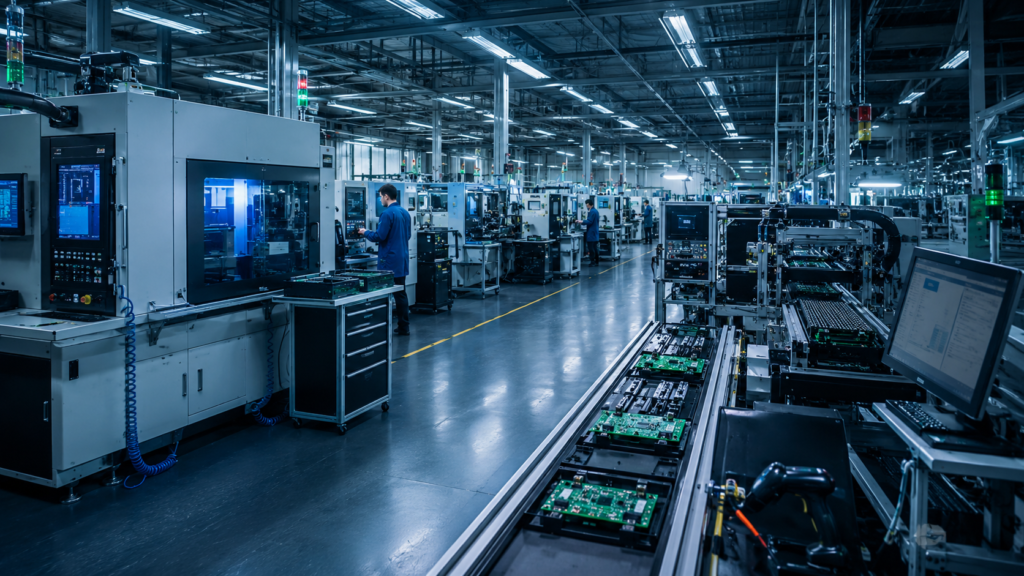
Industrial computers help collect shop-floor data for manufacturing execution systems.
業界の概要
MES Is Moving Closer to the Factory Floor
Manufacturing execution systems were traditionally viewed as software platforms for production reporting, work order tracking, そして品質記録.
今日, MES systems are becoming more closely connected to machines, 生産ライン, 演算子, and real-time factory data. This shift increases the importance of reliable shop-floor computing hardware.
MES platforms often need to collect data from:
- 組立ステーション
- CNCマシン
- SMT生産ライン
- Testing equipment
- バーコードおよびRFIDシステム
- Quality inspection workstations
- Packaging and labeling stations
- Warehouse and material handling areas
Each data point must be captured accurately and transferred to the MES system without unnecessary delay.
Why Industrial Computers Matter
A standard commercial computer may be enough for office use, but shop-floor environments are different.
Industrial computers are designed for factory conditions where systems may face vibration, ほこり, 不安定な電力, 電気ノイズ, 限られたスペース, そして長い営業時間.
In MES projects, industrial PCs and embedded computers provide the local computing layer between physical production equipment and higher-level software systems.
They help manufacturers build a more reliable digital manufacturing environment by supporting real-time data collection, オペレーターとの対話, 機器通信, と生産トレーサビリティ.
From Manual Reporting to Digital Manufacturing
Many factories still rely on paper forms, 手動入力, or delayed reporting for production status.
MES systems reduce this gap by collecting production data directly at the point of operation. Industrial computers make this possible by placing computing power close to the machines and operators.
This enables faster response to production issues, better quality control, and more complete manufacturing records.

Mixed factory equipment requires reliable industrial computers for MES integration.
主要な課題
Equipment Connectivity
One of the biggest MES deployment challenges is connecting different types of production equipment.
Factories often use machines from different generations, vendors, and control platforms. Some machines support modern Ethernet communication, while others still rely on serial ports or external data collection devices.
A practical MES computer may need to support:
- LAN communication
- RS232 and RS485 interfaces
- USB peripherals
- バーコードスキャナー
- RFIDリーダー
- ラベルプリンター
- ビジョンカメラ
- Digital I/O or gateway modules
Without the right hardware interfaces, the MES system may not be able to collect complete production data.
Harsh Shop-Floor Conditions
MES terminals are often installed near machines, コンベア, キャビネット, test benches, or operator workstations.
These environments may include heat, ほこり, 振動, electrical interference, 空気の流れが限られている. A computer failure at a production station can interrupt scanning, 報告, quality checks, or process confirmation.
Industrial computers are better suited for these conditions because they can offer rugged enclosures, ファンレスの熱設計, stable mounting options, and industrial power input.
データの正確性とトレーサビリティ
MES systems depend on accurate and complete data.
バーコードのスキャンが失敗した場合, machine data is delayed, or quality results are not uploaded correctly, production traceability becomes incomplete. This can affect quality control, 顧客監査, 保証分析, and production improvement.
Reliable industrial computers help reduce data loss by supporting stable communication, ローカルバッファリング, and continuous operation at key production points.
Network Design and Security
MES computers often connect machine networks with factory IT networks.
This creates design requirements for network segmentation, 安全な通信, user access control, and reliable data transfer.
In some deployments, multiple LAN ports are useful because they allow separation between machine-side communication and MES server communication. This can improve network organization and reduce the risk of unnecessary interference between systems.
Long-Term Maintenance
MES projects usually expand over time.
A factory may start with one pilot line, then extend the system to multiple workshops, production buildings, or global manufacturing sites.
If the hardware platform changes frequently, メンテナンスが難しくなる. ソフトウェアイメージ, スペアパーツ, 取り付けアクセサリ, ドライバー, and validation records all become harder to manage.
Long-lifecycle industrial computing platforms can reduce these risks and support more consistent MES deployment.

Industrial computers bridge machines, 周辺機器, and MES software platforms.
Industrial Computer MES Solution Architecture
Machine Layer
The machine layer includes the physical equipment that generates production data.
これには PLC が含まれる場合があります, CNC controllers, センサー, アクチュエーター, 計量装置, 試験器具, バーコードスキャナ, RFIDリーダー, マシンビジョンシステム, and industrial meters.
These devices provide information such as:
- 機械の状態
- サイクルタイム
- 生産数
- アラームメッセージ
- Material usage
- プロセスパラメータ
- 試験結果
- Product identification data
The challenge is that this data may come from many different interfaces and formats.
エッジコンピューティング層
The edge computing layer is where industrial computers play the most important role.
An industrial PC or embedded computer can be installed beside a machine, inside a control cabinet, at an operator station, or within a production workstation.
この層では, コンピュータはいくつかのタスクを実行する場合があります:
- Collect data from local devices
- Run MES client software
- 作業指示を表示する
- Record operator input
- Process barcode or RFID data
- Communicate with PLCs and machines
- Buffer data during temporary network issues
- Upload production records to MES servers
This local computing layer improves reliability because not every task needs to depend entirely on a remote server.
MES Server Layer
The MES server layer manages the main production software functions.
It may include work order management, process routing, 生産追跡, 品質記録, traceability databases, reporting dashboards, and integration with ERP or warehouse systems.
産業用コンピューターは工場ネットワークを介してこの層と通信します. The MES server receives data from multiple production stations and provides instructions, status updates, and reporting functions.
エンタープライズ統合レイヤー
MES systems are often connected with ERP, PLM, WMS, スカダ, or business intelligence platforms.
This integration helps align production activity with planning, 在庫, purchasing, 品質管理, and delivery schedules.
Industrial computers do not replace these enterprise systems. その代わり, they provide the reliable shop-floor data foundation that allows higher-level systems to make better decisions.

Fanless industrial PCs support reliable MES operation in production cabinets.
主な特長
産業グレードの信頼性
Reliability is the first requirement for MES hardware.
Production systems may run multiple shifts per day, and MES terminals are expected to stay available during active manufacturing operations.
重要な信頼性要素には次のものがあります。:
- Stable motherboard design
- ファンレスシステムオプション
- 産業用電源入力
- SSDストレージのサポート
- Rugged enclosure design
- Reliable thermal performance
- Long operating lifecycle
The goal is not only high performance, but stable operation in real factory conditions.
柔軟な I/O 構成
MES applications often require more I/O flexibility than office computers.
A typical MES station may need to connect a touchscreen, バーコードスキャナー, プリンター, RFIDリーダー, network cable, USBデバイス, and sometimes serial equipment at the same time.
便利な I/O オプションには次のものがあります。:
- 複数のLANポート
- USB 2.0 とUSB 3.0
- RS232 or RS485
- HDMI または DisplayPort
- GPIO またはデジタル I/O
- M.2拡張
- ミニ PCIe 拡張
- Wireless module support when required
The right I/O configuration reduces the need for external adapters and improves system stability.
ファンレスの熱設計
Fanless industrial computers are widely used in MES environments because they reduce mechanical failure points and limit dust intake.
A fanless design is especially useful in production areas where dust, 粒子, or maintenance limitations may affect standard computers.
しかし, fanless selection should still consider processor power, 周囲温度, エンクロージャスペース, 取付方法, and workload.
Compact Mechanical Design
MES computers are often installed in space-limited locations.
They may be mounted behind displays, キャビネットの中, under workbenches, マシンフレームに, or near production lines.
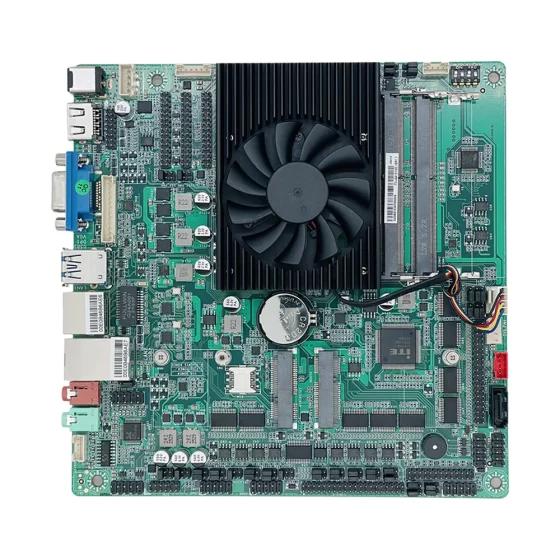
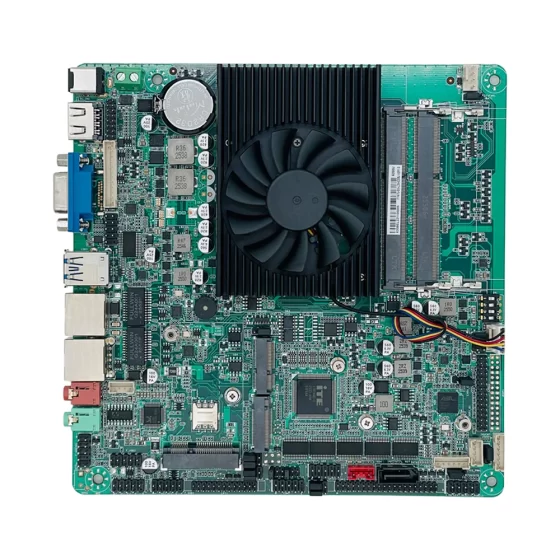
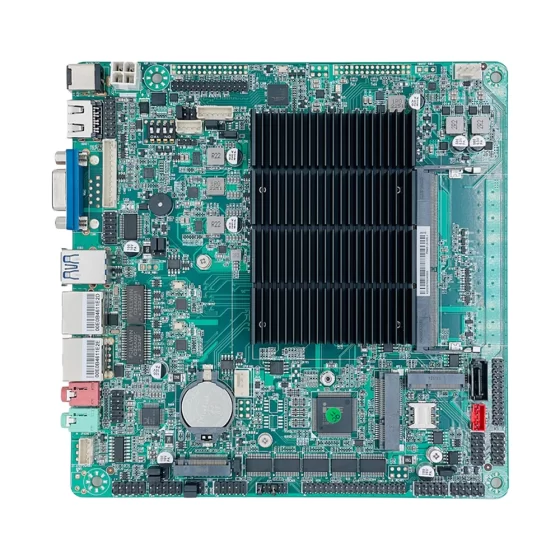
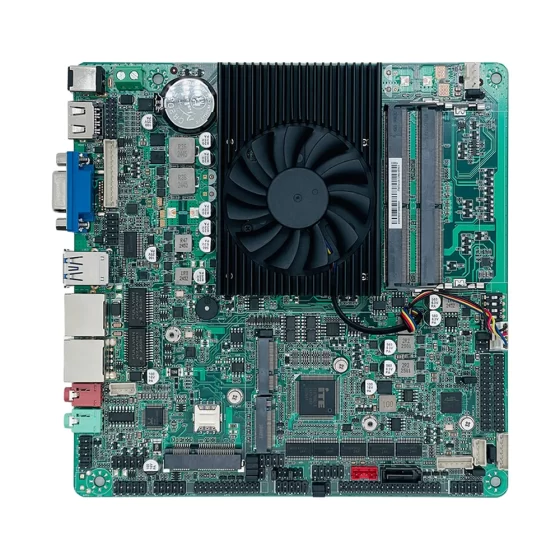
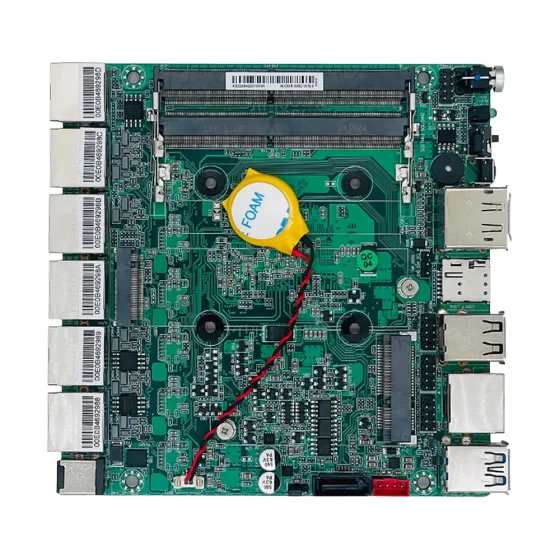
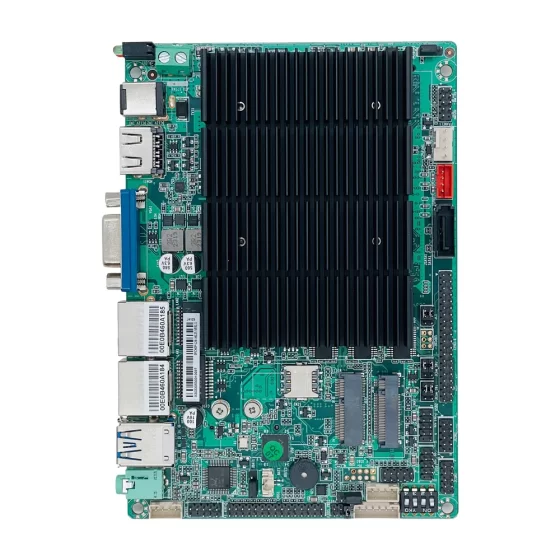
コンパクトな組み込みコンピュータと産業用ボックス PC は柔軟な設置オプションを提供します. For OEM projects, embedded boards may be integrated directly into custom equipment enclosures.
ストレージとデータ保護
MES terminals may store operating system files, application data, ログ, 一時的な生産記録, 検査画像, またはローカルデータベース.
SSD storage is commonly preferred because it offers better shock resistance and faster response than mechanical drives.
For systems that write frequent logs or store large inspection files, storage capacity and endurance should be reviewed during hardware selection.
オペレーティング システムとソフトウェアの互換性
MES ソフトウェアは Windows 上で実行可能, Linux, or browser-based platforms.
大規模導入前, the hardware should be validated with the target operating system, ドライバー, 周辺機器, security tools, remote management software, and MES client applications.
This validation helps avoid unexpected compatibility problems after deployment.
導入シナリオ
Operator MES Terminals
Operator terminals are one of the most common MES deployment scenarios.
An industrial computer may be connected to a monitor, タッチスクリーン, バーコードスキャナー, キーボード, RFIDリーダー, とラベルプリンター.
The terminal can display work instructions, プロセスステップを確認する, collect operator input, and upload station-level production data to the MES system.
This helps reduce paper-based reporting and improves process control.
Machine Data Collection Stations
Industrial computers can collect data directly from production machines.
They may connect to PLCs, CNC controllers, メートル, センサー, or machine communication ports. The collected data can include machine status, サイクルタイム, 出力数, アラーム履歴, およびプロセス値.
This type of deployment is useful when machines do not communicate directly with MES software.
Quality Inspection Workstations
MES systems often need to connect quality inspection results with product serial numbers or work orders.
An industrial computer at the inspection station may connect to cameras, 測定ツール, 試験装置, スキャナー, とプリンター.
検査データを記録できる, store local results, and upload quality records to the MES database.
SMT と電子機器製造
In electronics manufacturing, MES systems are often used to track PCBs, コンポーネント, process routes, テスト結果, 修理記録, and final packaging information.
産業用コンピュータをSMTラインの近くに導入可能, AOIマシン, testing stations, rework areas, and packaging lines.
Stable data capture is important because electronics manufacturing requires accurate traceability across many process steps.
CNC and Mechanical Processing
CNC workshops may use MES systems to collect machine status, production quantities, ツール情報, and operator records.
Because many CNC factories use mixed equipment generations, industrial computers with serial and Ethernet communication options can help connect older and newer machines into the MES workflow.
Warehouse and Material Traceability
MES systems are often connected with warehouse and material handling processes.
Industrial computers can be used at receiving areas, material preparation stations, ラインサイド倉庫, and finished goods areas.
バーコードスキャナーを接続することで, RFIDリーダー, 計量装置, およびラベルプリンター, these systems help improve material traceability and reduce manual errors.
OEM機器の統合
OEM equipment builders may integrate embedded computers or industrial motherboards directly into machines.
This allows equipment to support MES connectivity, データレポート, リモート診断, and operator interface functions from the beginning.
機械メーカー向け, this can improve product value and simplify customer integration.
ビジネス上のメリット
本番環境の可視性の向上
Industrial computers help MES systems collect real-time data from production lines.
Managers can view work order progress, マシンのステータス, ダウンタイムの原因, 生産量, より迅速に高品質の結果が得られます.
This improves decision-making and reduces the delay between shop-floor events and management response.
より強力なトレーサビリティ
Traceability depends on accurate data collection at each process step.
By using industrial computers at scanning, テスト, 組み立て, 検査, and packaging stations, manufacturers can record product IDs, 材料バッチ, オペレータのアクション, プロセスパラメータ, そして質の高い結果.
This supports quality management, audit preparation, そして根本原因の分析.
手動レポートの削減
Manual reporting can create delays and errors.
MES terminals based on industrial computers allow operators and machines to submit data during production. これにより事務処理が軽減されます, improves reporting accuracy, 生産状況の把握にかかる時間を短縮.
Improved Equipment Integration
Factories often use equipment from different vendors and different time periods.
Industrial PCs and embedded computers provide the interface flexibility needed to connect machines, スキャナー, センサー, 試験器具, and network systems into one MES workflow.
This helps manufacturers digitalize existing production assets without replacing all equipment.
スケーラブルな導入
A standardized industrial computer platform can be deployed across multiple lines and factories.
This simplifies installation, ソフトウェアイメージ管理, スペアパーツの計画, メンテナンストレーニング, そして長期的なサポート.
Scalable hardware planning is especially important when MES projects grow from pilot deployment to full factory implementation.
Foundation for Smart Manufacturing
MES is often the first major step toward smart manufacturing.
Once reliable production data is available, manufacturers can develop advanced analytics, quality improvement systems, 機器の監視, 産業用IoTアプリケーション, and factory-level optimization.
Industrial computers provide the practical edge computing foundation for this development.
CoreIPC を選ぶ理由
CoreIPC は製造業向けの産業用コンピューティング プラットフォームを提供します, オートメーション, 組み込みシステム, and shop-floor data applications. For MES systems, CoreIPC focuses on reliable hardware design, practical I/O configurations, compact industrial computers, 組み込みコンピュータ, OEM/ODMカスタマイズサポート. CoreIPC はシステム インテグレーターを支援します, 機器ビルダー, 製造チームは実際の運用環境に適合するコンピューティング プラットフォームを選択します, including interface requirements, 取り付け方法, 電源入力, 熱設計, 長期的な導入ニーズ.
よくある質問
1. What is an industrial computer MES system?
An industrial computer MES system uses industrial-grade computing hardware to connect production equipment, 演算子, and manufacturing execution software.
The industrial computer may work as an operator terminal, マシンデータ収集ノード, 品質検査ワークステーション, or traceability gateway. It collects production data, supports local interaction, and communicates with MES servers. オフィスPCとの比較, industrial computers are better suited for shop-floor environments where reliability, I/O の柔軟性, 継続的な運用が重要.
2. Why are industrial computers used for MES instead of office PCs?
Office PCs are designed mainly for clean and stable office environments. MES terminals are often installed near machines, コンベア, キャビネット, or production workstations.
Industrial computers provide stronger mechanical design, ファンレスオプション, better mounting flexibility, wider I/O support, and more stable operation in industrial conditions. These features help reduce downtime and maintenance problems during continuous production use.
3. What interfaces are important for MES computers?
Important MES computer interfaces usually include LAN, USB, RS232, RS485, HDMI, ディスプレイポート, and sometimes digital I/O or expansion slots.
USB ports are used for scanners, RFIDリーダー, プリンター, キーボード, とカメラ. Serial ports may connect legacy equipment, メートル, 計量装置, またはPLC. Multiple LAN ports can separate machine communication from factory network communication.
4. Can an embedded computer be used for MES data collection?
はい. An embedded computer is often a good choice for MES data collection because it is compact, 信頼性のある, and suitable for machine-side installation.
It can connect to PLCs, センサー, スキャナー, 試験装置, および工場ネットワーク. It may run communication software, protocol conversion tools, local buffering services, or MES client applications. This makes it useful for both new equipment and legacy machine integration.
5. Is a fanless industrial PC suitable for MES terminals?
A fanless industrial PC is often suitable for MES terminals, especially in dusty or maintenance-sensitive production areas.
Because it does not use a mechanical fan, it reduces dust intake and removes one common failure point. しかし, the final selection should consider CPU workload, 周囲温度, installation space, and thermal conditions around the device.
6. Do MES systems require multiple LAN ports?
Multiple LAN ports are not always required, but they are useful in many MES deployments.
One LAN port can connect to machine-side equipment or PLCs, 一方、もう 1 つは MES サーバーまたは工場ネットワークに接続します. この分離により、ネットワーク組織が改善される可能性があります, reduce communication conflicts, and support better security design in production environments.
7. How does industrial computer hardware affect traceability?
Traceability depends on reliable data capture at each process point.
If barcode scans, マシンデータ, テスト結果, or operator confirmations are missed, the MES record becomes incomplete. Industrial computer hardware affects traceability by providing stable operation, reliable peripheral connections, and continuous data communication between shop-floor devices and MES software.
8. What should be considered when selecting storage for MES computers?
Storage selection should consider operating system size, MES application requirements, log frequency, temporary data buffering, inspection image storage, and local database usage.
SSD storage is usually preferred because it offers better shock resistance and faster system response. For heavy logging or image-based inspection stations, capacity and write endurance should be reviewed carefully.
9. Can industrial computers connect legacy machines to MES?
はい. Many factories use industrial computers to connect legacy machines that do not directly support modern MES communication.
With RS232, RS485, イーサネット, USB, またはゲートウェイモジュール, an industrial computer can collect data from older equipment and transfer it to MES software. This helps manufacturers digitalize existing equipment without replacing all machines.
10. When should OEMs use embedded boards for MES integration?
OEMs should consider embedded boards when computing hardware needs to be integrated directly into a machine, HMIパネル, キャビネット, or custom enclosure.
Embedded boards provide flexibility for mechanical design, connector layout, 熱計画, and product customization. They are suitable for equipment builders who want MES connectivity, データレポート, or operator interface functions built into their own products.
結論
An industrial computer MES deployment is an essential foundation for reliable digital manufacturing.
By placing industrial-grade computing hardware close to machines, 演算子, スキャナー, 検査システム, および生産ネットワーク, manufacturers can improve data accuracy, トレーサビリティ, 可視性, and system uptime.
The right industrial computer or embedded computer should be selected based on real shop-floor requirements, I/O構成を含む, ネットワーク設計, 取付方法, 熱条件, 電源入力, ストレージのニーズ, オペレーティング システムの互換性, およびライフサイクル計画.
CoreIPC supports MES system integrators, OEM equipment builders, and manufacturing teams with industrial computing platforms designed for practical factory deployment. 適切なハードウェア基盤があれば, MES systems can become more stable, スケーラブルな, and valuable for long-term smart manufacturing development.
お問い合わせ
産業用コンピュータを探しています, 組み込みコンピュータ, or industrial motherboard for MES system integration?
プロジェクトの要件については、CoreIPC にお問い合わせください。, including processor platform, I/O構成, 取付方法, 電源入力, 動作環境, ライフサイクルの期待, OEM/ODMカスタマイズのニーズ.