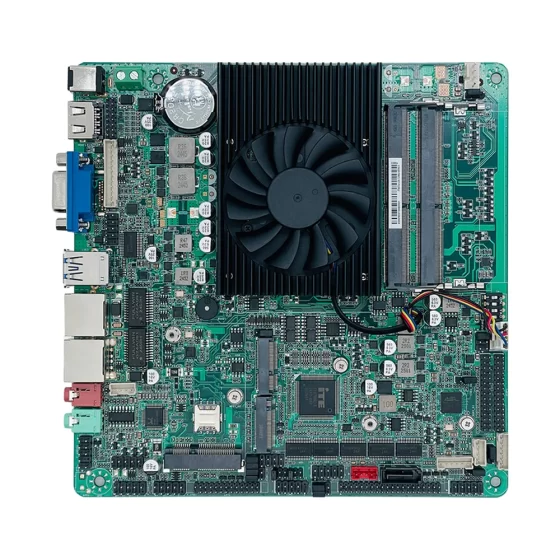
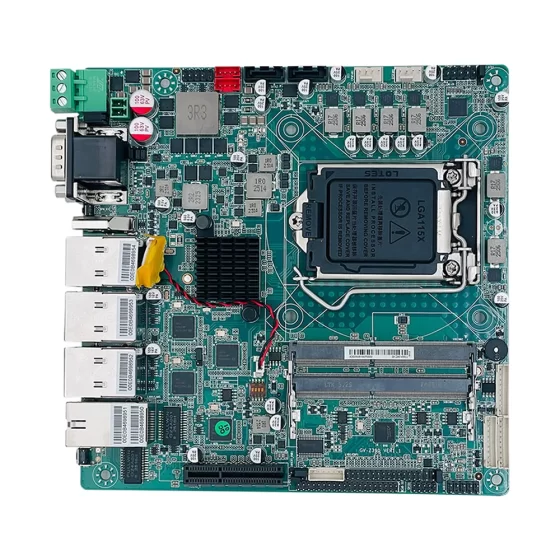
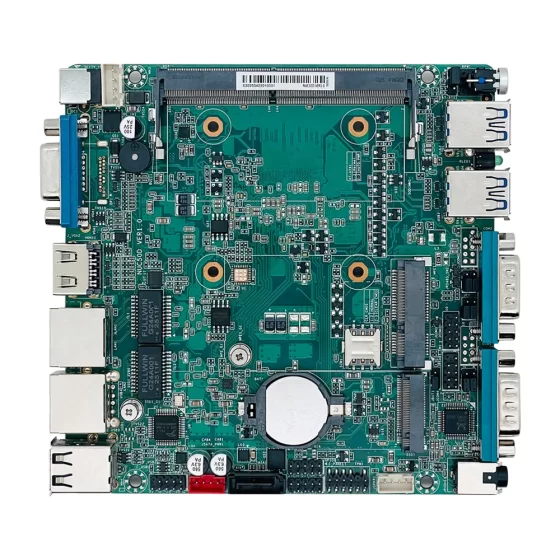
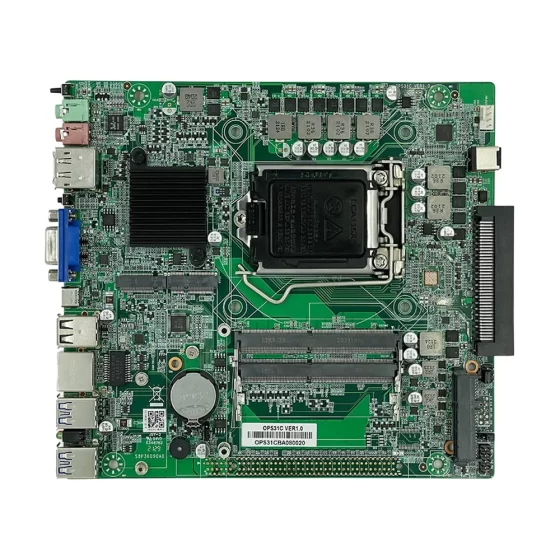
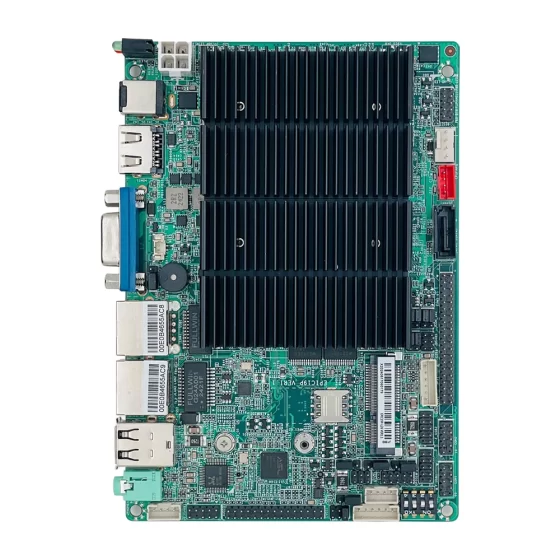
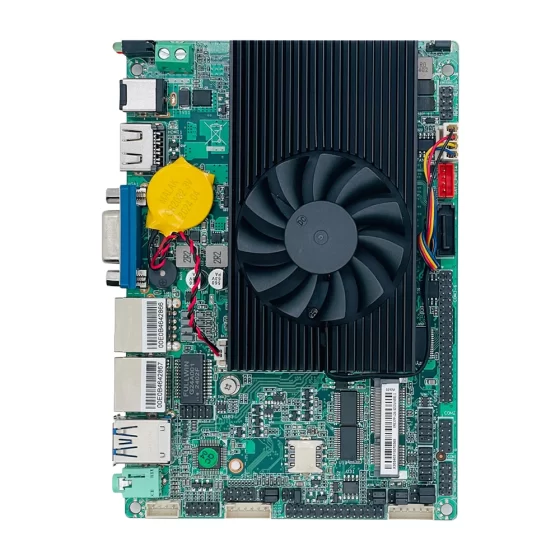
CoreIPC 産業用コンピューティング ソリューション

スマートマニュファクチャリングのためのMES統合プラットフォーム: コネクテッドファクトリーオペレーションのための産業用コンピューティング
エグゼクティブサマリー
MES統合プラットフォームは生産設備間のデジタルブリッジです, 現場オペレーター, 製造実行ソフトウェア, およびエンタープライズビジネスシステム.
スマートな製造環境で, 工場には孤立した機械や手動レポート以上のものが必要です. PLC からの信頼できるデータ フローが必要です, センサー, バーコードスキャナ, RFIDリーダー, 検査システム, 生産端末, および産業用ネットワークを MES システムに統合.
ここで産業用コンピュータと組み込みコンピュータのプラットフォームが不可欠になります。. マシンの接続に必要なローカル コンピューティング層を提供します。, 生産データを収集する, 装置近くのプロセス情報, 製造記録を MES ソフトウェアと同期します.
適切に設計された MES 統合プラットフォームは、メーカーが生産の可視性を向上させるのに役立ちます, 手動レポートを削減する, トレーサビリティの強化, レガシー機器を最新のデジタル システムに接続します.
しかし, MES の統合はソフトウェアだけの課題ではありません. 安定した産業用ハードウェアにも依存します, 柔軟な I/O, 長いライフサイクルの可用性, 信頼性の高いネットワーク, 実際の工場環境全体への実際的な展開.
この記事では、産業用コンピュータが MES 統合プラットフォームをサポートする方法について説明します, メーカーが直面している課題, システムアーキテクチャがどのように機能するか, スマート マニュファクチャリングの導入にとって最も重要なハードウェア機能はどれですか.
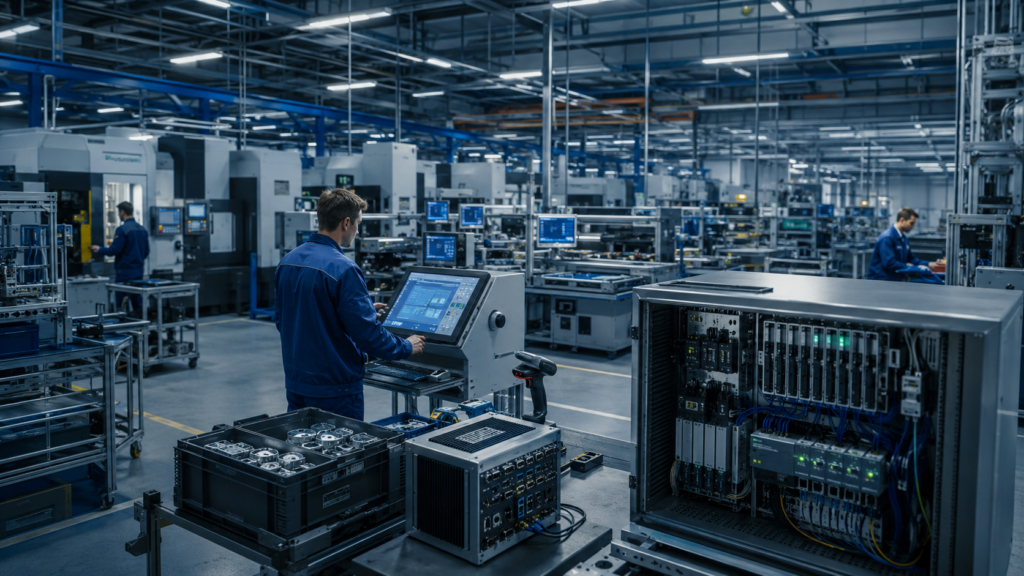
産業用コンピュータは機械から作業現場のデータを収集します, スキャナー, PLC, およびオペレータステーション.
業界の概要
スマート製造には接続された生産データが必要です
スマート製造は正確かつタイムリーな生産データに依存します.
工場は各ラインで何が起こっているかを把握する必要がある, 機械, ワークステーション, 検査エリア, およびマテリアルフロープロセス. 信頼できるデータ収集がなければ, MES ソフトウェアは正確な作業指示を追跡できません, 生産状況, 品質記録, またはトレーサビリティ.
MES 統合プラットフォームは、これらの生産活動を 1 つのデジタル ワークフローに接続します。.
機器やオペレーターからデータを収集します, 次に、そのデータを MES ソフトウェアに転送します, データベース, ダッシュボード, およびエンタープライズ システム. これにより、メーカーは手動レポートからリアルタイムの生産状況の可視化に移行できるようになります。.
MES は製造現場の統合システムになりつつあります
従来の MES システムは生産管理ソフトウェアとして扱われることが多かった.
今日, MES は工場設備との結びつきがますます高まっています, 自動化システム, 品質検査, 倉庫業務, およびオペレータ端末. これにより、ハードウェア統合レイヤーが以前よりも重要になります.
典型的な MES 接続デバイスには次のものがあります。:
- PLCコントローラー
- CNCマシン
- 組立ステーション
- バーコードスキャナー
- RFIDリーダー
- ラベルプリンター
- マシンビジョンカメラ
- 試験機器
- 産業用ディスプレイ
- プロダクションダッシュボード
- ローカルサーバーとデータベース
これらのデバイスを確実に接続するには, 工場には、生産プロセスの近くに導入された産業グレードのコンピューティング プラットフォームが必要です.
産業用コンピュータが重要な理由
商用 PC はオフィス環境でも動作可能, しかし、MES の統合は通常、機械や生産ラインの近くで行われます.
産業用コンピュータは連続稼働用に設計されています, 産業用I/O, キャビネットの設置, ファンレス冷却, 安定したネットワーク, 長期的な展開.
産業用コンピュータがMES端末として動作可能, マシンデータゲートウェイ, エッジコンピューティングノード, 品質検査ワークステーション, またはプロトコル統合プラットフォーム.
組み込みコンピュータをキャビネット内に設置可能, 機械, 実稼働ワークステーション, またはOEM機器. これにより、スペースが限られたコンパクトな MES 統合タスクに適しています。, 信頼性, インターフェイスの柔軟性も重要です.

産業用 PC は、混合工場の機器を MES プラットフォームに接続するのに役立ちます.
主要な課題
混合機器とレガシーマシン
多くの工場では、さまざまなベンダーやさまざまな世代の機器が使用されています.
一部のマシンは最新のイーサネットベースの通信をサポートしています. RS232 のみを提供する場合もあります, RS485, USB, ドライ接点信号, または直接のデジタルインターフェースがまったくない.
これにより、MES 統合に関する共通の課題が生じます: システムは、生産を中断することなく、新しい機器と古い機器の両方を接続する必要があります.
実用的な MES 統合プラットフォームは、さまざまな通信方法をサポートし、既存の生産資産の段階的なデジタル化を可能にする必要があります。.
不安定な作業現場環境
MES 統合ハードウェアは多くの場合、要求の厳しい環境に設置されます.
コンピュータは制御キャビネット内に取り付けられる場合があります, コンベアの近く, CNCマシンの横, またはオペレーターワークステーションで. これらの場所はデバイスにほこりがかかる可能性があります, 振動, 熱, 電気ノイズ, ケーブルの動き, そして不安定な電力.
統合コンピュータに障害が発生した場合, データ収集が停止する可能性があります. オペレーターは作業指示にアクセスできなくなる可能性がある. 品質記録が不完全になる可能性がある.
これが、MES 導入において産業グレードの信頼性が重要である理由です。.
データの精度とリアルタイムの可視性
MES システムは完全かつ正確な生産データに依存しています。.
バーコードのスキャンが失敗した場合, マシンステータスの更新が遅れています, またはテスト結果が正しくアップロードされていません, MES システムは信頼性の高い可視性を提供できません.
メーカーは次のような問題に直面する可能性があります。:
- 不完全なトレーサビリティ記録
- 遅延生産レポート
- 間違った作業指示ステータス
- 品質検査データの欠落
- 手動修正の作業負荷
- 根本原因を見つけるのが難しい
信頼性の高い産業用コンピューターは、生産時点でのデータ取得を安定して維持することで、これらのリスクを軽減します。.
ネットワークのセグメンテーションとセキュリティ
MES 統合プラットフォームは、多くの場合、機械ネットワークと工場 IT ネットワークを接続します。.
これにより、セキュリティとネットワーク設計の要件が作成されます. マシンネットワークはオフィスシステムから隔離しておく必要がある場合があります, 一方、MES データは依然としてサーバーやエンタープライズ プラットフォームに到達する必要があります。.
この状況では複数の LAN ポートが役立ちます.
1 つの LAN ポートで PLC またはマシンに接続可能, 一方、もう 1 つは MES サーバーまたは工場ネットワークに接続します. この分離によりネットワーク構成が改善され、より制御されたデータ フローをサポートできるようになります。.
パイロットラインから完全な工場までの拡張
多くの MES プロジェクトは小規模なパイロット ラインから始まります.
テストが成功した後, 同じシステムを複数の生産ラインに拡張する必要がある場合があります, ワークショップ, 植物, または顧客サイト.
ハードウェア プラットフォームが安定していない、または長期間使用できない場合, スケーリングが難しくなる. ソフトウェアイメージ, ドライバー, 取り付けアクセサリ, スペアパーツ, サポート手順を繰り返し再構築する必要がある場合があります.
標準化された産業用コンピューティング プラットフォームは、この拡張を簡素化するのに役立ちます.
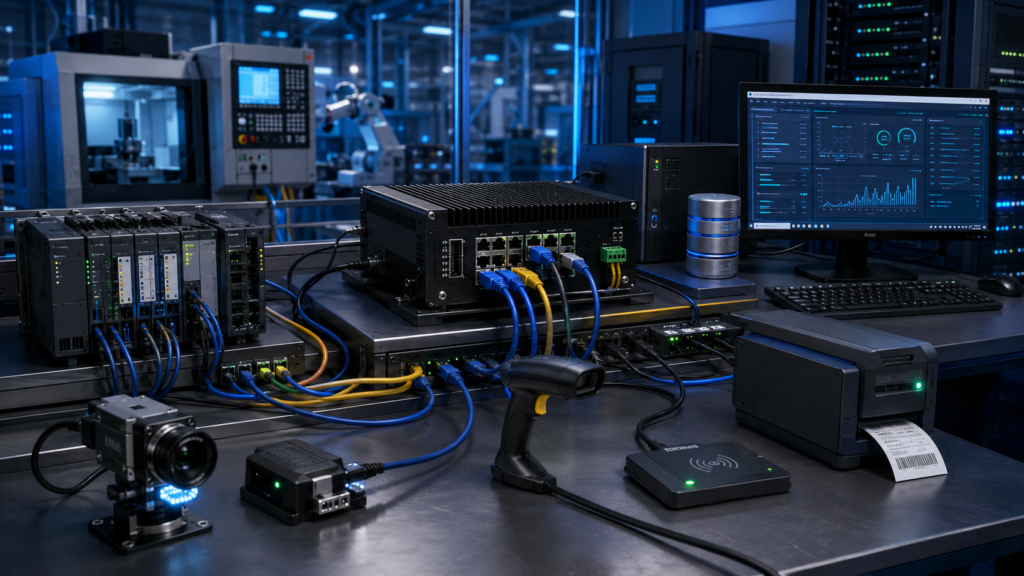
産業用コンピュータは工場のデバイスとMESソフトウェアの間のエッジノードとして機能します.
MES統合プラットフォームのソリューションアーキテクチャ
マシンおよびデバイス層
マシンおよびデバイス層には、生産データを生成する物理機器が含まれます。.
これには PLC が含まれる場合があります, コントローラー, CNC システム, センサー, バーコードスキャナ, RFIDリーダー, 計量装置, 試験器具, カメラ, メートル, および生産ツール.
これらのデバイスはさまざまな種類のデータを生成します, 含む:
- 機械の状態
- サイクルタイム
- 生産量
- アラーム情報
- オペレーター確認
- プロダクトID
- 材料のバッチ番号
- 試験結果
- 検査画像
- プロセスパラメータ
MES 統合プラットフォームは、さまざまなインターフェイスからこの情報を収集し、使用可能な本番データに変換する必要があります。.
インダストリアルエッジコンピューティング層
産業用エッジ コンピューティング層は、産業用コンピューターと組み込みコンピューターが展開される場所です。.
この層は通常、マシンの近くに配置されます, 生産ライン, キャビネット, 検査ステーション, またはオペレータ端末.
この層では, 産業用コンピュータは次のようなタスクを実行できます。:
- MES クライアント アプリケーションの実行
- マシンからのデータ収集
- バーコードおよびRFIDデバイスの接続
- PLCとの通信
- ローカル周辺機器の管理
- ネットワーク中断時のデータのバッファリング
- プロトコルの変換
- MES ソフトウェアへのレコードのアップロード
- 作業指示の表示
- オペレーターとの対話をサポート
このレイヤーにより、実稼働データがリモート サーバーに完全に依存しないため、信頼性が向上します。.
MESアプリケーション層
MES アプリケーション層は実稼働ワークフローを管理します.
作業指示書の実行が含まれる場合があります, ルーティング制御, 生産追跡, 品質管理, トレーサビリティ, オペレーター管理, 設備の状態, 報告, ダッシュボードの視覚化.
産業用コンピュータは、作業現場のデータをこの層に送信し、MES ソフトウェアから指示を受け取ります。.
例えば, MES システムは作業指示をオペレータ端末に送信する場合があります. 産業用コンピュータが指示を表示します, スキャン結果を記録する, 完了データを MES サーバーに送り返します。.
エンタープライズ システム層
MES プラットフォームは多くの場合 ERP と接続されています, WMS, PLM, スカダ, またはビジネス インテリジェンス システム.
この接続により、生産データがビジネス プランニングをサポートできるようになります。, 在庫管理, 品質分析, 保守計画, そして配送管理.
MES 統合プラットフォームはエンタープライズ ソフトウェアに代わるものではありません. その代わり, これらのシステムが効果的に動作するために必要な正確な作業現場のデータ基盤を提供します。.
ローカル復元力とデータバッファリング
実際の工場では, ネットワークの中断が発生する可能性があります.
強力な MES 統合プラットフォームはローカルの復元力をサポートする必要があります. 産業用コンピュータはデータを一時的に保存できます, 生産記録を収集し続ける, 接続が復元された後、MES サーバーと同期します。.
これは、一時的なネットワークの不安定のために生産を停止できない工場に特に役立ちます。.
主な特長
産業グレードの信頼性
MES統合ハードウェアの最も重要な要件は安定した動作です.
MES 統合コンピュータは複数のシフトにわたって継続的に稼働する可能性があります. ダウンタイムがレポートに影響を与える可能性がある生産設備の近くに設置される場合があります, トレーサビリティ, およびプロセス制御.
重要な信頼性機能には次のものがあります。:
- ファンレスシステムオプション
- 産業用マザーボードの設計
- SSDストレージのサポート
- 堅牢な筐体構造
- 安定した熱設計
- 幅広い電圧入力オプション
- 安全な取り付け方法
- 長期的なライフサイクル計画
目標はコンピューティングのパフォーマンスだけではありません. 目標は、実際の工場条件で信頼性の高い動作を実現することです.
工場のデバイス向けの柔軟な I/O
MES の統合には多くの種類の I/O が必要になることがよくあります.
単一のワークステーションにタッチスクリーンを接続する必要がある場合があります, スキャナー, RFIDリーダー, ラベルプリンター, シリアルデバイス, イーサネットケーブル, USBデバイス, 時にはデジタル I/O.
便利なインターフェースには次のものがあります。:
- 複数のLANポート
- USB 2.0 とUSB 3.0
- RS232
- RS485
- HDMI
- ディスプレイポート
- GPIO
- M.2拡張
- ミニ PCIe 拡張
- 無線モジュールのサポート
適切な I/O 構成により、外部アダプターの必要性が減り、システムの信頼性が向上します。.
複数のネットワークポート
複数の LAN ポートは、多くの MES 統合プラットフォームで貴重です.
1 台のコンピュータが異なるネットワーク ゾーンに接続できるようになります。. 例えば, 1 つのポートはマシンコントローラーに接続可能, もう 1 つは MES サーバー ネットワークに接続します.
これはサポートに役立ちます:
- マシンネットワークの分離
- 工場ITネットワーク接続
- ゲートウェイアプリケーション
- 隔離された機器からのデータ収集
- より制御された通信パス
スマート製造システム向け, ネットワーク設計はソフトウェア構成と同じくらい重要です.
ファンレスでコンパクトなシステム設計
ファンレス産業用コンピュータは、粉塵の侵入を減らし、機械的な故障点を 1 つ取り除くため、MES の統合に適していることがよくあります。.
コンパクトな組み込みコンピュータは、設置スペースが限られている場合に便利です.
制御盤内に取り付けることができます, ディスプレイの後ろ, ワークステーションの下で, または装置内に直接.
これにより、工場での改造と OEM 機械の統合の両方に適しています。.
ストレージとデータ保護
MES 統合プラットフォームにはオペレーティング システム ファイルが保存される場合があります, MESクライアントソフト, ログ, 一時的な生産記録, 検査画像, およびローカルデータベース.
SSD ストレージは、従来の機械式ドライブよりも耐衝撃性に優れ、応答が速いため、一般的に使用されています。.
頻繁にログを記録したり画像を保存したりするアプリケーション向け, ストレージの耐久性と容量を慎重に検討する必要があります.
オペレーティング システムと周辺機器の互換性
MES ソフトウェアは Windows 上で実行可能, Linux, ブラウザベースのシステム, またはカスタム産業用ソフトウェア環境.
大規模な導入の前に, ハードウェアはターゲット オペレーティング システムでテストする必要があります, デバイスドライバー, スキャナー, プリンター, カメラ, セキュリティソフト, リモートアクセスツール, およびMESアプリケーション.
これは、ロールアウト中の互換性の問題を回避するのに役立ちます.
導入シナリオ
MESオペレータターミナル
オペレータ端末は、最も一般的な MES 統合シナリオの 1 つです.
産業用コンピュータをタッチスクリーンに接続可能, バーコードスキャナー, キーボード, RFIDリーダー, とラベルプリンター.
駅で, オペレーターは作業指示を表示できます, スキャン素材, 生産手順を確認する, 記録上の欠陥, 制作実績の提出.
これにより、紙ベースのワークフローが削減され、データの精度が向上します。.
マシンデータ収集ゲートウェイ
産業用コンピュータはマシンデータ収集ゲートウェイとして機能可能.
PLCに接続することもできます, CNCマシン, センサー, メートル, またはコントローラー. システムはマシンのステータスを収集できます, 生産量, アラームデータ, サイクルタイム, およびプロセス値.
これは、マシンが MES ソフトウェアと直接通信できない場合に特に便利です。.
品質検査ステーション
品質検査は MES 統合の重要な部分です.
組み込みコンピュータまたは産業用 PC をカメラに接続可能, 測定ツール, 試験器具, バーコードスキャナ, とプリンター.
検査結果と製品IDを紐付けることが可能, 一時的な記録を保存する, 高品質のデータを MES システムにアップロードします.
これにより、メーカーはトレーサビリティと品質分析を向上させることができます。.
SMT と電子機器製造
電子機器の製造では詳細なトレーサビリティが必要になることがよくあります.
MES 統合は PCB シリアル番号を追跡する可能性があります, コンポーネントのバッチ, 検査結果, テスト記録, 手直しステータス, およびパッケージ情報.
産業用コンピュータをSMTラインの近くに導入可能, AOI装置, ICTテスター, 機能テストステーション, 修理ベンチ, そして梱包エリア.
各プロセスステップで重要なトレーサビリティ データが生成される可能性があるため、安定したコンピューティング ハードウェアが重要です。.
CNC および機械ワークショップ
CNC ワークショップには、さまざまな世代のマシンが含まれることがよくあります.
一部のマシンはイーサネット通信をサポートする場合があります, シリアル通信や外部監視デバイスを必要とするものもあります.
柔軟な I/O を備えた産業用コンピューターは、機械のステータスの収集に役立ちます, 生産数, オペレータ入力, およびアラーム記録.
これにより、機械加工ワークショップが既存の機械を MES ワークフローに接続できるようになります。.
倉庫と資材管理
MESの統合はマテリアルフローにも拡張.
産業用コンピュータを受信エリアで使用可能, ラインサイド倉庫, 材料準備ゾーン, および完成品ステーション.
スキャナーを接続することで, RFIDリーダー, 計量装置, およびラベルプリンター, このシステムは材料のトレーサビリティを向上させ、手動入力エラーを減らすことができます。.
OEM機器の統合
機械メーカーは、組み込みコンピュータや産業用マザーボードを自社の機器に直接統合できます。.
これにより、マシンが MES 接続をサポートできるようになります。, データレポート, オペレーターインターフェース, リモート診断, および生産追跡機能.
OEM向け, これにより、スマート製造環境に対応した機器を必要とする顧客にとって、より多くの価値が生まれます。.
ビジネス上のメリット
生産の可視性の向上
MES 統合プラットフォームは、メーカーが工場現場で何が起こっているかを理解するのに役立ちます.
産業用コンピューターは機械やオペレーターからデータを収集します, 次に、この情報を MES ダッシュボードとデータベースに送信します.
生産チームは作業指示の進捗状況を確認できます, マシンのステータス, 生産量, ダウンタイムの理由, より迅速に高品質の結果が得られます.
これにより意思決定が改善され、応答時間が短縮されます。.
製品トレーサビリティの強化
トレーサビリティは各プロセスポイントでの正確なデータ収集に依存します.
産業用コンピューターは製品 ID の収集に役立ちます, 材料バッチ, オペレータのアクション, プロセスパラメータ, テスト結果, そして検査記録.
品質管理をサポートします, 顧客監査, 保証分析, そして根本原因の調査.
厳しい品質要求が求められる業界向け, トレーサビリティは MES 統合の最も重要な利点の 1 つです.
手動レポートの削減
手動レポートは時間がかかり、エラーが発生しやすくなります.
MES 統合プラットフォームにより、生産データをマシンから直接キャプチャできるようになります, スキャナー, 演算子, および検査装置.
これにより事務処理が軽減されます, データの一貫性を向上させる, 生産状況の把握にかかる時間を短縮.
既存設備の有効活用
工場はスマート製造システムを構築するために必ずしも既存の機械を置き換える必要はありません.
産業用コンピューターはシリアルポート経由でレガシー機器に接続可能, イーサネット, USB, または外部ゲートウェイ.
これにより、メーカーは既存の生産資産を段階的にデジタル化できるようになります。.
スケーラブルなスマートファクトリー導入
標準化された産業用コンピューティング プラットフォームがスケーラブルな MES 導入をサポート.
複数のラインや工場で同じハードウェアプラットフォームを使用する場合, ソフトウェアイメージの管理が容易になります, スペアパーツ, メンテナンス手順, トレーニング, および技術サポート.
これは、パイロット プロジェクトから本格的な量産展開に拡大するメーカーにとって重要です。.
産業用IoTと分析の財団
MES の統合により、より高度なスマート製造アプリケーションのためのデータ基盤が構築されます.
機械と生産プロセスが接続されると, メーカーは機器監視を構築できる, 品質分析, 予知保全, 産業用IoTダッシュボード, およびプロセス最適化システム.
産業用コンピューターは、この長期的な開発に必要なエッジ コンピューティング層を提供します。.
CoreIPC を選ぶ理由
CoreIPC は製造業向けの産業用コンピューティング プラットフォームを提供します, オートメーション, マシンの接続性, および組み込みシステムの統合. MES統合プラットフォーム向け, CoreIPC は信頼性の高い産業用コンピューター ハードウェアに重点を置いています, 組み込みコンピュータソリューション, 柔軟な I/O 構成, コンパクトなシステム設計, OEM/ODMカスタマイズサポート. CoreIPC はシステム インテグレーターを支援します, 機器ビルダー, 製造チームは実際の作業現場の要件に適合するコンピューティング プラットフォームを選択します, マシンインターフェースを含む, 取り付け方法, 電源入力, 熱条件, ライフサイクル計画, 展開のスケーラビリティ.
よくある質問
1. MES統合プラットフォームとは?
生産設備を接続するMES統合プラットフォーム, 演算子, 産業用コンピュータ, と MES ソフトウェアを 1 つの製造データ ワークフローに統合.
マシンからデータを収集します, スキャナー, センサー, PLC, 検査ステーション, およびオペレータ端末. 次に、このデータを MES データベースに転送します。, ダッシュボード, およびエンタープライズ システム. 目標は、生産の可視性を向上させることです, トレーサビリティ, 品質管理, そして製造実行.
2. MES統合プラットフォームに産業用コンピュータが必要な理由?
産業用コンピュータは、MES 統合に必要な信頼性の高い作業現場のハードウェア層を提供します.
工場出荷時のデバイスを接続できます, MESクライアントソフトウェアを実行する, 生産データを収集する, 作業指示を表示する, MESサーバーと通信します. オフィスPCとの比較, 産業用コンピュータは、粉塵が舞う工場環境に適しています。, 振動, 熱, 長い稼働時間, 産業用インターフェースが一般的です.
3. MES統合における組み込みコンピュータの使用方法?
組み込みコンピュータは機械の近くに設置可能, キャビネットの中, ディスプレイの後ろ, またはOEM機器内.
PLCデータを収集する場合があります, バーコードスキャナーを接続する, センサーと通信する, バッファ生産記録, またはローカル MES アプリケーションを実行します. 組み込みコンピュータはコンパクトで信頼性が高いため, 機械側の統合やスペースが限られたスマート製造システムに役立ちます。.
4. MES 統合に一般的に必要なインターフェイスは何ですか?
一般的な MES 統合インターフェイスには LAN が含まれます, USB, RS232, RS485, HDMI, ディスプレイポート, GPIO, M.2, およびミニ PCIe.
USBはバーコードスキャナーによく使用されます, RFIDリーダー, カメラ, プリンター, そしてキーボード. シリアルポートは古いマシンに接続できる可能性があります, メートル, またはPLC. 複数の LAN ポートでマシン通信と MES サーバー通信を分離可能.
5. MES 統合は従来の工場設備を接続できますか?
はい. 多くの MES 統合プロジェクトは、レガシー マシンの接続に重点を置いています.
産業用コンピューターは RS232 経由でデータを収集できます, RS485, イーサネット, USB, センサー, または外部ゲートウェイモジュール. これにより、工場はすべての機械を交換することなく、古い設備をデジタル化できるようになります。. また、メーカーがスマート製造能力を段階的に構築するのにも役立ちます.
6. MES 統合において複数の LAN ポートが役立つ理由?
複数の LAN ポートにより、1 台の産業用コンピュータが異なるネットワーク ゾーンに接続可能.
例えば, 1 つの LAN ポートは PLC またはマシン コントローラーに接続可能, 一方、もう 1 つは MES サーバーまたは工場ネットワークに接続します. この分離により、ネットワーク組織が改善される可能性があります, セキュリティ設計をサポート, マシントラフィックとビジネスシステムトラフィック間の不要な干渉を削減します。.
7. MESアプリケーションに適したファンレス産業用コンピュータです。?
はい. ファンレス産業用コンピュータは、ほこりの侵入を減らし、一般的な機械的故障点を取り除くため、多くの場合、MES アプリケーションに適しています。.
これは、メンテナンスへのアクセスが制限されている場合や、ほこりが標準的なコンピュータに影響を与える可能性がある生産現場で役立ちます。. 最終的な選択では、プロセッサのワークロードを考慮する必要があります。, 周囲温度, エンクロージャのエアフロー, そして取り付け位置.
8. MES の統合によりトレーサビリティがどのように向上するか?
MES の統合により、各プロセスステップで生産データを取得することでトレーサビリティが向上します.
産業用コンピュータは製品のシリアル番号を収集できます, 材料バッチデータ, オペレータのアクション, マシンパラメータ, 検査結果, そしてテスト記録. この情報をMESシステムに連携させる場合, メーカーは製品履歴をより正確に追跡し、品質分析をサポートできます.
9. MES統合ハードウェアを導入する前に考慮すべきこと?
導入前, メーカーはマシンのインターフェースを見直すべきだ, 周辺機器, ネットワーク設計, オペレーティング システムの互換性, 取付スペース, 電源入力, 環境条件, ストレージのニーズ, およびライフサイクル要件.
実際の MES ソフトウェアを使用してハードウェアをテストすることも重要です, スキャナー, プリンター, PLC通信, 大規模展開前のリモート メンテナンス ツール.
10. OEM 機械メーカーは MES 対応機器に産業用コンピューターを使用できますか?
はい. OEM 機械メーカーは組み込みコンピューターを使用できる, 産業用PC, または産業用マザーボードを使用して機器を MES 統合に対応できるようにする.
これにより、マシンがデータレポートをサポートできるようになります。, オペレーターインターフェース, リモート診断, 生産追跡, および顧客の MES 接続. OEM向け, 統合されたコンピューティング ハードウェアにより、製品の価値が向上し、エンド ユーザーの導入が簡素化されます。.
結論
MES 統合プラットフォームはスマート製造の重要な基盤です.
機械を接続します, 演算子, スキャナー, 検査装置, 生産端末, とエンタープライズ システムを信頼性の高い製造データ ワークフローに統合. 安定した製造現場のコンピューティング ハードウェアがない場合, MES ソフトウェアは正確なデータを収集できない、またはリアルタイムの生産の可視性をサポートできない.
産業用コンピュータと組み込みコンピュータ プラットフォームは、この統合に必要なエッジ コンピューティング層を提供します。. マシン通信をサポートします, オペレーターとの対話, ローカルデータ処理, ネットワークの分離, 実際の工場環境での長期的な展開.
メーカー向け, システムインテグレーター, およびOEM機器ビルダー, 適切なハードウェア プラットフォームを選択することが重要です. 決定には I/O 構成を考慮する必要があります, ネットワーキング, 取り付け, 電源設計, 熱性能, ストレージ, オペレーティング システムの互換性, およびライフサイクル計画.
CoreIPC は、実用的なスマート製造展開向けに設計された産業用コンピューティング ソリューションを備えた MES 統合プラットフォーム プロジェクトをサポートします。. 適切なハードウェア基盤があれば, 工場は可視性を向上させることができます, トレーサビリティ, 機器の接続, 長期的なデジタル製造の拡張性.
お問い合わせ
産業用コンピュータを探しています, 組み込みコンピュータ, またはMES統合プラットフォーム用の産業用マザーボード?
プロジェクトの要件については、CoreIPC にお問い合わせください。, マシンインターフェースを含む, I/O構成, 取付方法, プロセッサプラットフォーム, 電源入力, 動作環境, ライフサイクルのニーズ, および OEM/ODM カスタマイズ オプション.