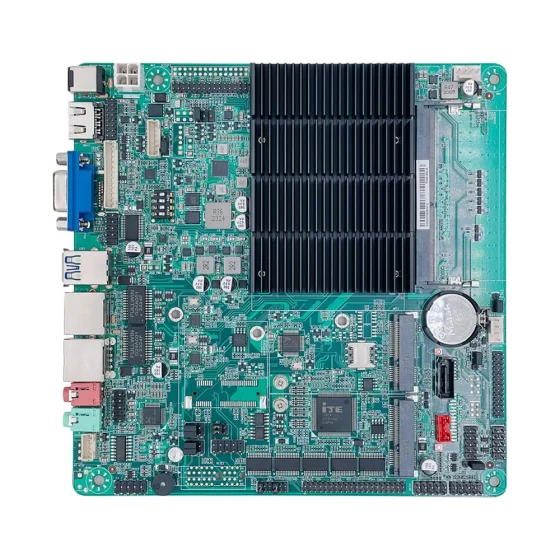
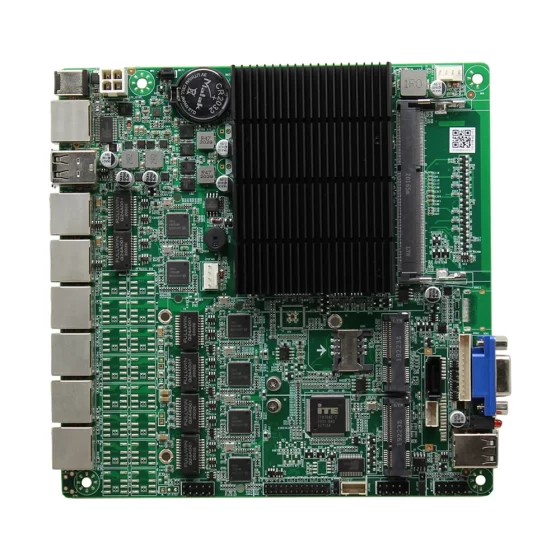
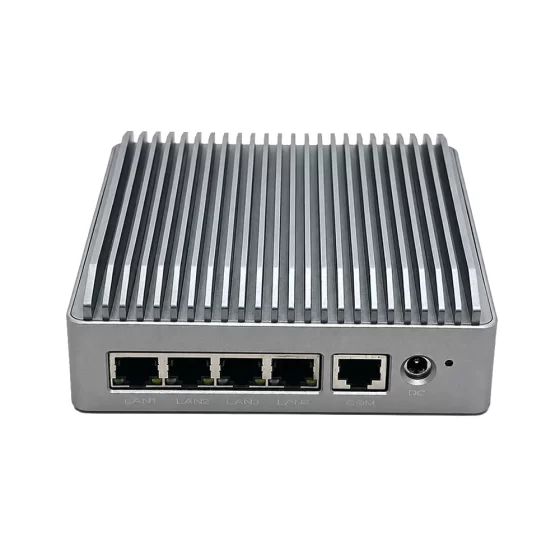
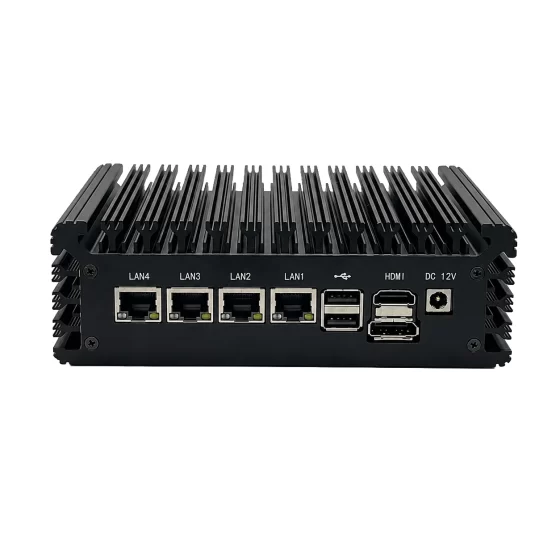
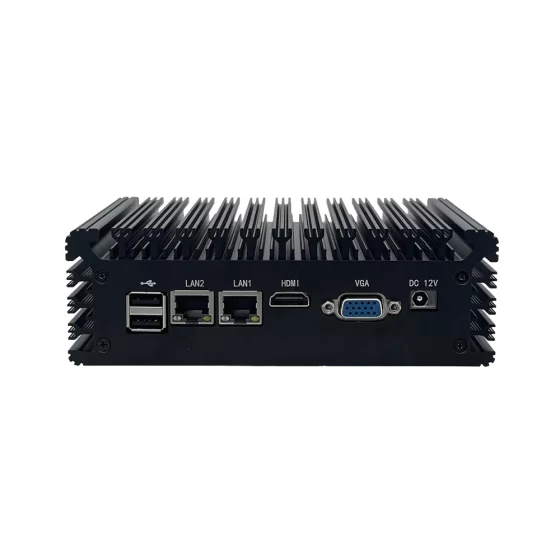
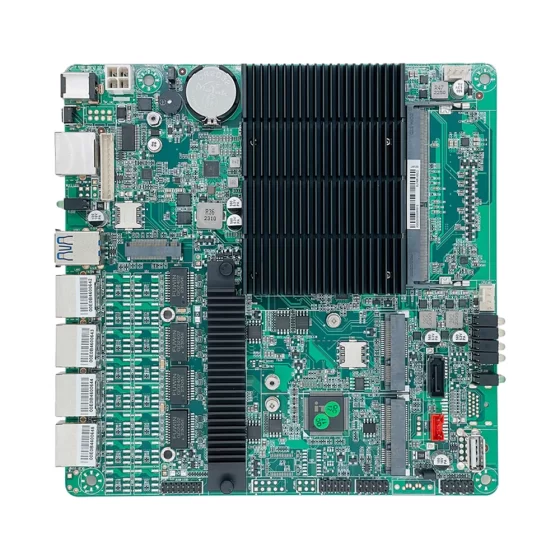
CoreIPC 産業用コンピューティング ソリューション

リモートSCADA展開用の産業用コンピュータ: 信頼できるリモート SCADA コンピュータを選択する方法
エグゼクティブサマリー
リモート SCADA コンピュータは、分散した産業資産を中央監視システムに接続するフィールドレベルのコンピューティング プラットフォームです。. PLCからデータを収集します, RTU, メートル, センサー, パワーデバイス, および通信機器, 次に、このデータを SCADA サーバーに転送します, コントロールルーム, クラウドプラットフォーム, またはメンテナンスチーム.
リモート SCADA 導入の場合, コンピューターは無人駅に設置されることが多い, 屋外キャビネット, ポンプ室, 変電所, 再生可能エネルギー拠点, 交通インフラ, または産業用シェルター. これらの場所では通常、メンテナンスへのアクセスが制限されています, 不安定なネットワーク状態, 厳しい環境要件.
リモート SCADA 展開に適した産業用コンピュータは、以下をサポートする必要があります。:
- 安定した 24/7 フィールド環境での運用
- イーサネット, RS-232, RS-485, USB, 拡張可能なI/O
- ネットワーク中断時のローカルデータのロギングとバッファリング
- 幅広い電圧の電源入力と信頼性の高いストレージ
- メンテナンスを軽減するファンレス設計
- マルチサイト導入のための長期的なプラットフォームの可用性
システムインテグレータおよびOEM向け, 適切な組み込みコンピュータの選択はハードウェアだけで決まるわけではありません. キャビネットのデザインに影響します, ソフトウェアの展開, 維持費, サイバーセキュリティ計画, スペアパーツ管理, 長期的なプロジェクトのスケーラビリティ.
 業界の概要
業界の概要
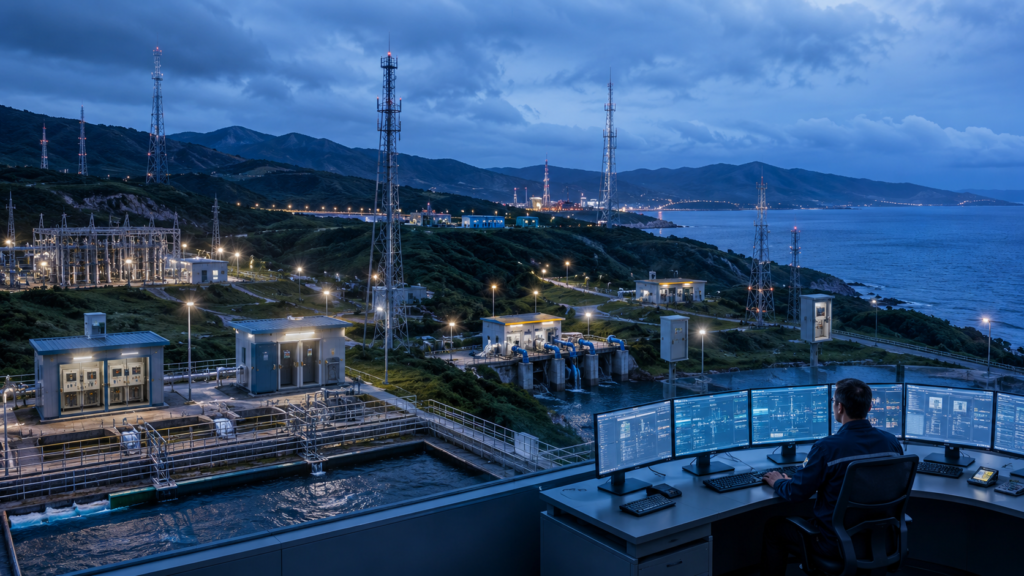
リモート SCADA システムは、機器が広いエリアに分散されている業界で広く使用されています。. これらのシステムは、エンジニアを現場に常駐させることなく、オペレーターがフィールド資産を監視するのに役立ちます。.
一般的なリモート SCADA 環境には次のものがあります。:
- 上下水ポンプ場
- 変電所と再生可能エネルギープラント
- 石油およびガスのパイプラインステーション
- 交通管制キャビネットおよびトンネルシステム
- 環境監視ステーション
- 採掘および遠隔ユーティリティ施設
- 分散型産業機器室
従来の SCADA システムの場合, ほとんどのコンピューティング リソースは中央制御室にありました. 今日, 多くのプロジェクトでは、フィールド機器に近いコンピューティング能力が必要です. これは、リモート サイトでより多くのデータが生成されるためです。, より迅速なローカル応答が必要, そして多くの場合、不安定な長距離通信リンクに依存しています。.
リモート SCADA コンピュータはローカル エッジ ノードとして機能します. PLC や RTU を置き換えることを目的としたものではありません. その代わり, データ取得などのより高度な機能をサポートします, プロトコル変換, アラームログ, ローカルの可視化, リモートアクセス, 監視プラットフォームとの通信.
これにより、産業用コンピュータが SCADA アーキテクチャの重要な部分になります。. フィールドコンピュータに障害が発生した場合, 中央システムがリモート サイトを認識できなくなる可能性があります. ハードウェアに適切なインターフェイスがない場合, 統合はさらに複雑になる. プラットフォームが頻繁に変更される場合, 長期のメンテナンスが難しくなる.
このため, リモート SCADA プロジェクトには安定した組み込みコンピュータ プラットフォームが必要です, コンパクト, 頑丈な, さまざまな現場条件をサポートできる十分な柔軟性を備えています.
主要な課題
リモート SCADA 導入ではオフィスとは異なる課題が生じる, 制御室, または標準的な IT 環境. ハードウェアは現場の実際の状況に応じて選択する必要があります.
| チャレンジ | リモートサイトで何が起こるか | ハードウェア要件 |
|---|---|---|
| 過酷な環境 | 熱, ほこり, 湿度, 振動, 空気の流れが限られていると、長期的な動作に影響を与える可能性があります. | 堅牢な筐体と安定した熱設計を備えたファンレス産業用コンピューター. |
| 混合インターフェース | フィールドデバイスはイーサネットを使用する場合があります, RS-232, RS-485, USB, デジタルI/O, またはプロトコルゲートウェイ. | ネイティブ産業用インターフェイスによる柔軟な I/O 構成. |
| 不安定なネットワーク | 携帯電話, 無線, 衛星, または長距離リンクが切断される可能性があります. | ローカルデータロギング, バッファリング, 自動再接続のサポート. |
| 電力変動 | フィールドキャビネットはDC電源を使用する場合があります, バッテリーバックアップ, または不安定な産業用電力. | 幅広い入力電圧と信頼性の高い電源設計. |
| サイバーセキュリティリスク | リモート アクセスは、適切に制御されていない場合、OT ネットワークを公開する可能性があります. | ネットワークのセグメンテーション, セキュアな OS 構成, VPNのサポート, およびアクセス制御. |
| 長いライフサイクル | SCADA システムは、多くの場合、複数のサイトで長年にわたって実行されます。. | 安定したハードウェア プラットフォーム, 一貫した I/O レイアウト, 長期供給サポート. |
環境の信頼性
リモート SCADA コンピュータは多くの場合、制御キャビネットに設置されます, 道路脇の囲い, 変電所, または産業用シェルター. これらの場所には、きれいな空調や定期的なメンテナンスが行われていない可能性があります.
ファンベースの商用 PC は、ほこりが空気の流れを妨げ、時間の経過とともにファンが磨耗するため、信頼性が低下する可能性があります。. ファンレスの組み込みコンピュータは可動部品を減らし、困難な現場環境での連続動作に適しています。.
インターフェースの複雑さ
リモート サイトには通常、新しいデバイスと従来のデバイスの両方が含まれています. 単一のキャビネットにイーサネット PLC を含めることができる, RS-485メーター, RS-232アナライザー, I/Oモジュール, 産業用スイッチ, および無線ルーター.
外部アダプターを使用しすぎると、配線が複雑になり、障害点が増加します。. ネイティブ LAN およびシリアル インターフェイスにより、キャビネット設計が簡素化され、システムの信頼性が向上します。.
ネットワークの可用性
リモート SCADA システムは、常に安定しているとは限らない通信リンクに依存することがよくあります。. 中央システムへの接続が切断された場合, ローカルコンピュータは重要なデータの収集と保存を継続する必要があります.
これがローカルストレージの理由です, データバッファリング, ウォッチドッグ機能, および回復ロジックはリモート SCADA 導入にとって重要です.
 リモート SCADA コンピュータのソリューション アーキテクチャ
リモート SCADA コンピュータは通常、フィールド制御デバイスと中央監視システムの間に設置されます。. その役割はフィールドデータを収集することです, ローカルで処理する, そしてそれを上位レベルのプラットフォームに安全に送信します.
1. フィールドデバイス層
この層には運用データを生成する機器が含まれます.
代表的なデバイスには次のものがあります。:
- PLC と RTU
- 流量計と圧力センサー
- パワーメーターと保護リレー
- モータードライブとポンプコントローラー
- インバーターとエネルギー機器
- 温度, 湿度, および環境センサー
- デジタル I/O およびリモート I/O モジュール
これらのデバイスはイーサネット経由で通信できます, RS-232, RS-485, Modbus RTU, Modbus TCP, できる, USB, または他の産業用インターフェース.
2. エッジコンピューティング層
産業用コンピューターが設置されている場所です.
コンピュータが実行される可能性があります:
- SCADAランタイムソフトウェア
- データ収集アプリケーション
- ローカル HMI ソフトウェア
- OPC UAゲートウェイソフトウェア
- プロトコル変換サービス
- アラームロギングツール
- SQL または軽量のローカル データベース
- リモートメンテナンスユーティリティ
組み込みコンピュータは、リモート サイトが中央システムから一時的に切断されている場合でも、ローカル コンピューティング機能を提供します。.
3. 通信層
通信層はリモート サイトを外部ネットワークに接続します。.
含まれる場合があります:
- 産業用イーサネットスイッチ
- セルラールーター
- VPNゲートウェイ
- ファイバーコンバーター
- 無線ブリッジ
- ファイアウォール
- プライベートネットワーク機器
デュアル LAN またはマルチ LAN ポートを備えたリモート SCADA コンピュータは、ローカル制御ネットワークを外部通信ネットワークから分離できます。. これは組織の改善に役立ちます, トラブルシューティング, およびサイバーセキュリティ設計.
4. 監視層
監視層には中央の SCADA サーバーが含まれます, 歴史家, エンジニアリングワークステーション, 警報プラットフォーム, またはクラウド監視システム.
オペレーターはこのレイヤーを次の目的で使用します。:
- リアルタイムの機器ステータスの表示
- アラームを受信する
- 履歴データを分析する
- レポートの生成
- メンテナンスの調整
- 複数のリモート局を監視する
フィールドコンピュータは中央システムを物理機器に接続したままにします.
5. リモートメンテナンス層
リモート SCADA システムもエンジニアリング アクセスをサポートする必要がある.
コンピュータは、許可されたユーザーにログの確認を許可する場合があります, ソフトウェアを更新する, コミュニケーションの問題を診断する, またはシステムステータスを確認してください. これは、制御されたアクセス ポリシーを通じて行う必要があります。, 安全なネットワーク構成, および適切なユーザー権限.
主な特長
リモート SCADA 導入用の信頼性の高い産業用コンピュータは、動作環境に基づいて選択する必要があります, コミュニケーション要件, ソフトウェアプラットフォーム, 長期保守計画.
ファンレス設計
ファンレス設計により機械的な故障箇所が減少します. ほこりの多いキャビネットに特に役立ちます, ポンプ場, 変電所, 屋外避難所, 無人現場も.
リモート SCADA プロジェクトの場合, ファンレス システムはメンテナンスの頻度を減らし、長期的な信頼性を向上させます。.
複数のLANポート
デュアル LAN またはマルチ LAN 設計はネットワーク分離に役立ちます.
1 つの LAN ポートでローカル PLC に接続可能, メートル, および産業用機器. 別の LAN ポートでルーターに接続可能, ファイアウォール, または中央SCADAネットワーク. 追加の LAN ポートは冗長性のために使用できます。, メンテナンスアクセス, または分離されたデバイスネットワーク.
RS-232 および RS-485 のサポート
SCADA システムではシリアル通信が依然として一般的です. 何メートルも, アナライザー, コントローラー, およびフィールド機器は RS-232 または RS-485 を使用します.
ネイティブ シリアル ポートを備えたリモート SCADA コンピュータにより、USB-シリアル アダプタの必要性が減り、フィールド配線の信頼性が向上します。.
幅広い電圧の電源入力
リモート サイトでは 12V を使用できる, 24V, または他の DC 電源システム. バッテリバックアップまたは産業用電源に依存する場合もあります.
幅広い電圧入力により、組み込みコンピュータがさまざまなキャビネット電源設計に適応し、追加の変換ハードウェアの必要性が軽減されます。.
信頼性の高いストレージ
リモート SCADA アプリケーションでは、多くの場合、:
- アラーム記録
- イベントログ
- トレンドデータ
- 通信履歴
- 設定ファイル
- 一時的にバッファリングされたデータ
産業用グレードのSSD, M.2ストレージ, データ量に応じてSATAストレージまたはSATAストレージを選択する必要があります, 書き込み頻度, 温度条件, およびオペレーティング システム要件.
ウォッチドッグと自動回復
オペレーティング システムまたはアプリケーションが応答しなくなった場合、ウォッチドッグ タイマーによりシステムを再起動できます。. これは手動リセットが難しい無人現場では重要です.
自動電源オンと BIOS リカバリ設定により、停電後にシステムが動作に戻ることもできます。.
柔軟な拡張性
一部のプロジェクトにはワイヤレスモジュールが必要です, 追加のシリアルポート, CAN通信, 追加のストレージ, またはカスタマイズされた I/O.
M.2による拡張, ミニ PCIe, PCIe, 内部ヘッダー, またはカスタマイズされたボード設計により、システム インテグレータはさまざまな SCADA プロジェクト間で 1 つのプラットフォームを使用できます.
OSとソフトウェアの互換性
SCADA ソフトウェアには Windows が必要な場合があります, Linux, または特定のドライバーのサポート. 導入前, インテグレータはオペレーティング システムの互換性を確認する必要があります, BIOS設定, ドライバーの可用性, 長期的な画像管理.
最高の産業用コンピューターが必ずしも最高性能のモデルであるとは限りません. 本物のソフトウェアにマッチしたプラットフォームです, インタフェース, プロジェクトの環境要件.
導入シナリオ
リモート SCADA コンピュータ プラットフォームは、産業資産を遠隔から監視する必要がある場合に使用されます。.
水と廃水
水道システムにはポンプ場が含まれることがよくあります, 貯水池, リフト乗り場, 処理場, およびパイプライン監視ポイント.
産業用コンピュータは PLC からデータを収集できます, 流量計, 圧力センサー, ポンプコントローラー, バルブ, および水質測定器. ローカルデータロギングや中央オペレーションセンターへのアラーム転送もサポートできます。.
電力とエネルギー
電力インフラには変電所全体にわたる信頼性の高い監視が必要です, 太陽光発電所, 風力発電所, 分散型発電所, およびバッテリーエネルギー貯蔵システム.
組み込みコンピュータは電力計と通信する可能性があります, 保護リレー, インバータ, 環境センサー, バッテリー管理システム, およびエネルギー管理プラットフォーム.
石油とガス
石油およびガスのサイトはメンテナンスチームから遠く離れた場所にある場合があります. パイプラインステーション, バルブステーション, 井戸跡, ターミナル設備は安定した監視が必要.
リモート SCADA コンピューターは圧力を収集できます, 流れ, 温度, バルブの状態, 安全信号, および設備状態データ. ネットワークリンクが不安定または高価な場合、ローカルストレージは重要です.
交通インフラ
交通機関にはトンネルが含まれることが多い, 鉄道駅, 交通管制キャビネット, 路側設備室, および橋梁監視システム.
コンパクトな産業用コンピュータはローカル監視をサポートできます, デバイス通信, システム統合, およびリモート メンテナンス アクセス.
環境およびユーティリティのモニタリング
環境監視サイトが気象情報を収集する可能性がある, 水位, 空気の質, 振動, または機器のステータスデータ.
堅牢な組み込みコンピュータでフィールドデータを収集可能, ローカルレコードを保存する, 情報を中央監視プラットフォームに送信します.
ビジネス上のメリット
適切なリモート SCADA コンピュータは、エンジニアだけでなく価値を生み出します, プロジェクトマネージャーにとっても, システムインテグレーター, インフラ事業者と.
サイト訪問の減少
リモートサイトへのアクセスにはコストがかかる. 組み込みコンピュータがリモート診断をサポートしている場合, ローカルログ, ウォッチドッグの回復, そして安定した通信, エンジニアは現場に出向かなくても、より多くの問題を解決できる.
メンテナンスコストの削減
ファンレス設計, 産業用電力入力, 堅牢な構造により、一般的なハードウェア障害が軽減されます. これにより、SCADA システムの耐用年数にわたるメンテナンスの労力が軽減されます。.
より簡単なシステム統合
ネイティブLAN, シリアルポート, USB, ストレージ, および拡張オプションにより PLC への接続が簡素化されます, RTU, メートル, センサー, および通信機器.
これによりアダプターの使用量が削減されます, 配線の複雑さ, およびキャビネット設計のリスク.
データ継続性の向上
ローカルのロギングとバッファリングにより、ネットワーク停止時の運用記録を保護します.
通信リンクが回復したら, 保存されたデータは、中央の SCADA システムまたは監視プラットフォームと同期できます。.
スケーラブルなマルチサイト展開
SCADA プロジェクトが複数のサイトから数十または数百のステーションに拡張される場合, ハードウェアの一貫性が非常に重要になる.
安定した産業用コンピュータ プラットフォームにより、イメージの展開が簡素化されます, スペアパーツの計画, 技術者のトレーニング, および長期的な文書.
長期的なプロジェクトの安定性
SCADA システムは多くの場合、長年にわたり稼働します。. 一貫した組み込みコンピュータ プラットフォームにより、再設計作業が軽減され、ソフトウェア イメージの不必要な変更が回避されます。, ドライバー, 取り付け, 配線, およびメンテナンス手順.
CoreIPC を選ぶ理由
CoreIPC は産業用コンピュータを提供します, 組み込みコンピュータ, 埋め込みボード, 産業オートメーションおよびリモート監視アプリケーション向けにカスタマイズされたコンピューティング プラットフォーム. リモート SCADA 導入の場合, CoreIPCは安定動作を重視, ファンレスシステム設計, 柔軟な I/O 構成, コンパクトな機械構造, 実践的な統合サポート. CoreIPC はシステム インテグレータと連携します, OEM, 分散した産業現場向けに信頼性の高いコンピューティング ハードウェアを必要とするソリューション プロバイダー. ODMおよびOEM機能を搭載, CoreIPC はプロジェクト固有のインターフェイスをサポートできます, エンクロージャのカスタマイズ, ブランド要件, グローバル B2B アプリケーション向けの長期供給計画.
よくある質問
1. リモート SCADA コンピューターとは何ですか?
リモート SCADA コンピュータは、収集を目的として現場に設置される産業用コンピューティング デバイスです。, プロセス, 店, 運用データを送信する. 通常はPLCに接続します, RTU, メートル, センサー, ドライブ, および通信デバイス. SCADA ソフトウェアを実行する可能性があります, データ取得ツール, プロトコル変換サービス, またはローカル監視アプリケーション. その主な目的は、リモートの産業機器を中央の SCADA プラットフォームに接続することです。.
2. リモート SCADA システムで産業用コンピュータを使用する必要がある理由?
リモート SCADA サイトには熱が発生することがよくあります, ほこり, 振動, 不安定な電力, および限られたメンテナンスアクセス. 市販の PC はこれらの条件向けに設計されていません. 産業用コンピュータはファンレス冷却を提供できます, 幅広い電圧入力, 頑丈な筐体設計, 産業用I/O, ライフサイクルの安定性の向上. これらの機能は、制御盤の信頼性の向上に役立ちます, 変電所, ポンプ室, 屋外避難所, そして無人駅.
3. リモート SCADA 導入に重要なインターフェイスは何ですか?
共通インターフェイスにはイーサネット LAN が含まれます, RS-232, RS-485, USB, デジタルI/O, そしてストレージの拡張. PLCにはEthernetを使用, ルーター, スイッチ, およびSCADAネットワーク. RS-232およびRS-485はメーターに使用されます, アナライザー, レガシーコントローラー, およびフィールド機器. プロジェクトによっては CAN も必要になる場合があります, GPIO, ワイヤレス拡張, またはネットワークの分離と冗長性のための複数の LAN ポート.
4. 組み込みコンピュータで SCADA ソフトウェアを実行できますか?
はい. 必要なオペレーティング システムを満たしていれば、多くの組み込みコンピュータで SCADA ソフトウェアを実行できます。, CPU, メモリ, ストレージ, グラフィックス, およびドライバーの要件. 一部の SCADA プラットフォームには Windows が必要です, 他の人は Linux をサポートしていますが、. リモート展開の場合, 組み込みコンピュータは安定したストレージもサポートする必要があります, ウォッチドッグの回復, リモートメンテナンスツール, 信頼性の高い通信インターフェイス.
5. リモート SCADA アプリケーションでファンレス設計が重要な理由?
ファンレス設計により機械的な故障箇所が減少し、メンテナンスの必要性が軽減されます。. リモートサイトの場合, ほこりや換気不良がファンベースのシステムに影響を与える可能性があります. ファンレス産業用コンピューターはパッシブ熱設計を採用, どちらが制御盤に適していますか, ポンプ場, 変電所, 道路脇の囲い, 無人施設. これにより、定期的なクリーニングやハードウェアの保守が難しい場合の信頼性が向上します。.
6. リモート SCADA コンピュータはネットワークの中断をどのように処理しますか?
中央システムへの接続が利用できない場合でも、リモート SCADA コンピュータはローカルでデータの収集を続行できます。. アラーム記録を保存する場合があります, イベントログ, トレンドデータ, および通信ステータス情報. ネットワークが復旧したら, システムは保存されたデータを SCADA サーバーまたは監視プラットフォームに転送できます. これにより、不安定な携帯電話環境でのデータ損失を軽減できます。, 無線, または長距離ネットワーク.
7. リモート SCADA コンピュータは PLC または RTU を置き換えますか??
いいえ. リモート SCADA コンピュータは通常、PLC や RTU を置き換えるのではなく、それらと連携して動作します。. PLC と RTU はリアルタイム制御と自動化ロジックを処理します. データロギングなどの高度な機能を提供する産業用コンピュータ, ローカルの可視化, プロトコル変換, リモートアクセス, および中央SCADAシステムとの通信. この構造は、コンピューティングの柔軟性を高めながら、制御の信頼性を維持します。.
8. システム インテグレータはリモート SCADA コンピュータを選択する際に何を考慮する必要がありますか?
システムインテグレータは現場環境を評価する必要がある, 温度範囲, 電源入力, 必要なインターフェース, オペレーティング·システム, SCADAソフトウェア, ストレージのニーズ, 取付方法, サイバーセキュリティ政策, およびライフサイクル要件. 適切なプラットフォームでは信頼性のバランスが取れている必要があります, 互換性, 保守性, 長期的な可用性. 通常、安定した、適切に適合したコンピューターは、単に最高パフォーマンスのハードウェアを選択するよりも価値があります。.
結論
リモート SCADA コンピュータは、最新の分散型監視および制御システムの重要な部分です. フィールド機器を中央監視プラットフォームに接続します, ローカルデータ処理をサポート, 通信の信頼性が向上します, 無人または地理的に分散したサイト全体でのリモートメンテナンスが可能になります。.
水系向け, 電力インフラ, 石油とガス, 交通機関, 環境モニタリング, および産業施設, ハードウェア プラットフォームが安定している必要があります, 頑丈な, フレキシブル, 長期運用に適しています.
リモート SCADA 導入用に設計された産業用コンピュータまたは組み込みコンピュータを使用する, システムインテグレーターはダウンタイムを削減できる, 現場での統合を簡素化する, 従来のデバイスと最新のデバイスの両方をサポート, スケーラブルな監視アーキテクチャを構築します. CoreIPC は、リモート SCADA および産業エッジ監視プロジェクト用の実用的なハードウェア ソリューションを必要とする企業に、信頼性の高い産業用コンピューティング プラットフォームとカスタマイズ サポートを提供します。.
お問い合わせ
リモート SCADA システムを開発している場合、または分散フィールド監視用の産業用コンピュータ プラットフォームが必要な場合, CoreIPC はハードウェア要件の評価に役立ちます. インターフェース構成については、CoreIPC チームに問い合わせてください。, コンピューティングパフォーマンス, 筐体設計, オペレーティング システムのサポート, ODM/OEMのカスタマイズ, 次回の SCADA 導入のための長期供給計画.