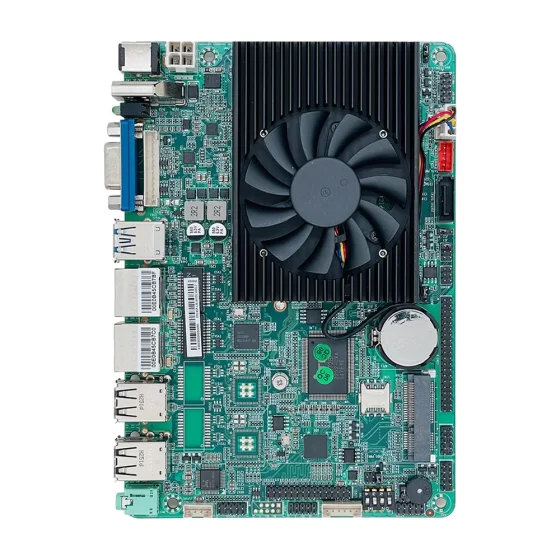
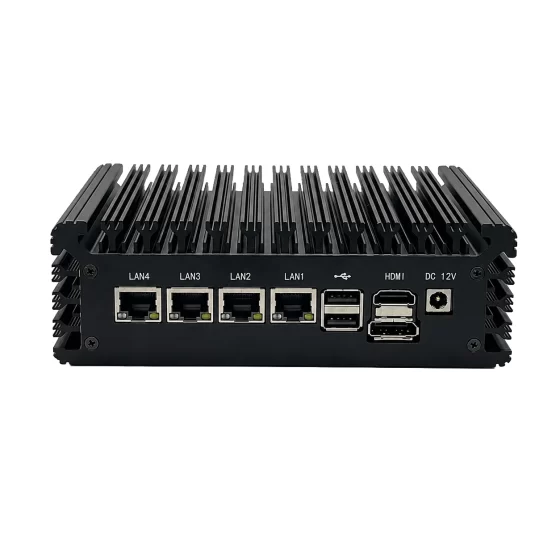
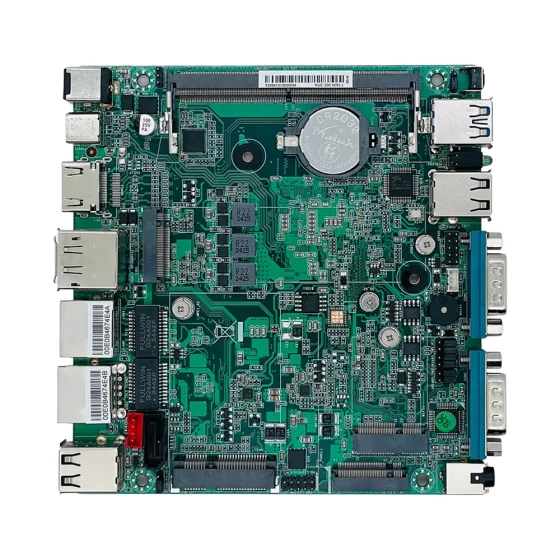
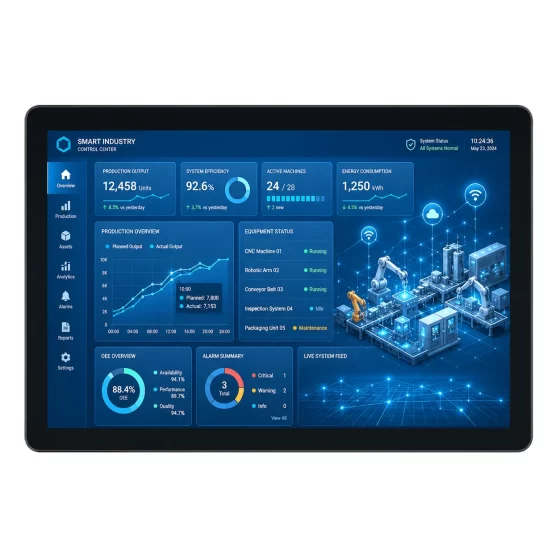
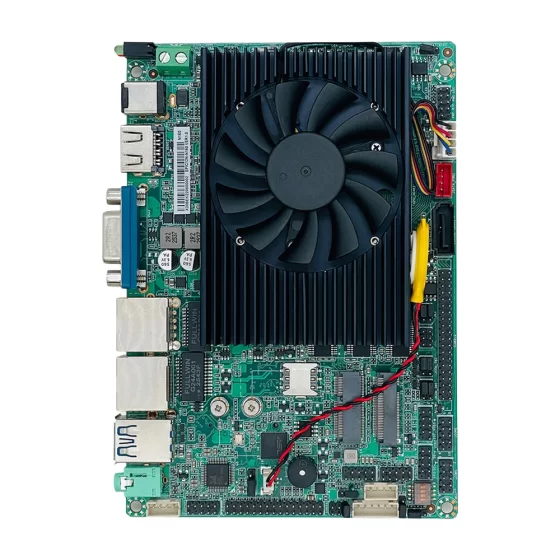
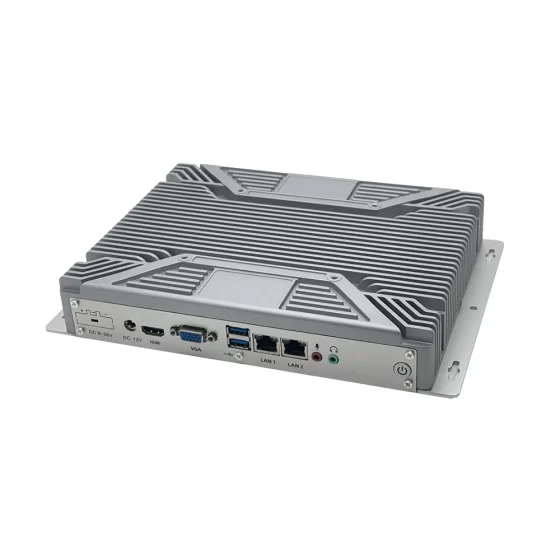
CoreIPC 産業用コンピューティング ソリューション

製造現場管理コンピューティング ソリューション: 接続された生産のための信頼性の高い製造現場管理コンピュータ
エグゼクティブサマリー
作業現場管理コンピュータは、オペレータを接続するために必要な産業用コンピューティング基盤を提供します。, 機械, ワークステーション, 生産データ, 製造現場の工場管理システムと.
現代の工場では, 製造現場の管理はもはや紙のフォームに限定されません, 手動レポート, またはスーパーバイザーのウォークスルー. 生産チームは機械のステータスをリアルタイムで把握する必要がある, 作業指示の進捗状況, オペレータのアクティビティ, 素材の使用法, 品質記録, ダウンタイムイベント, と生産高.
これには、実稼働サイトに直接導入された信頼性の高いコンピューティング ハードウェアが必要です. 産業用コンピュータまたは組み込みコンピュータはオペレータ端末として機能可能, 本番データ収集ノード, マシン通信ゲートウェイ, 品質検査ワークステーション, または製造用ダッシュボードコンピュータ.
一般的なオフィスPCとの比較, 産業用コンピュータは工場環境により適しています. 継続的な運用をサポートします, 柔軟な I/O, ファンレス設計, 安定した取り付け, マシンの接続性, 長期的な展開.
適切に設計された製造現場管理コンピューター ソリューションは、製造業者が生産の可視性を向上させるのに役立ちます, 手動でのデータ入力を減らす, トレーサビリティの強化, より迅速な意思決定をサポートする, デジタル製造の実践的な基盤を構築します.
この記事では、産業用コンピュータが製造現場の管理をどのようにサポートしているかについて説明します。, メーカーが直面している展開上の課題, ソリューション アーキテクチャがどのように構成されているか, 信頼性の高い生産現場のコンピューティングにとってどのハードウェア機能が重要であるか.
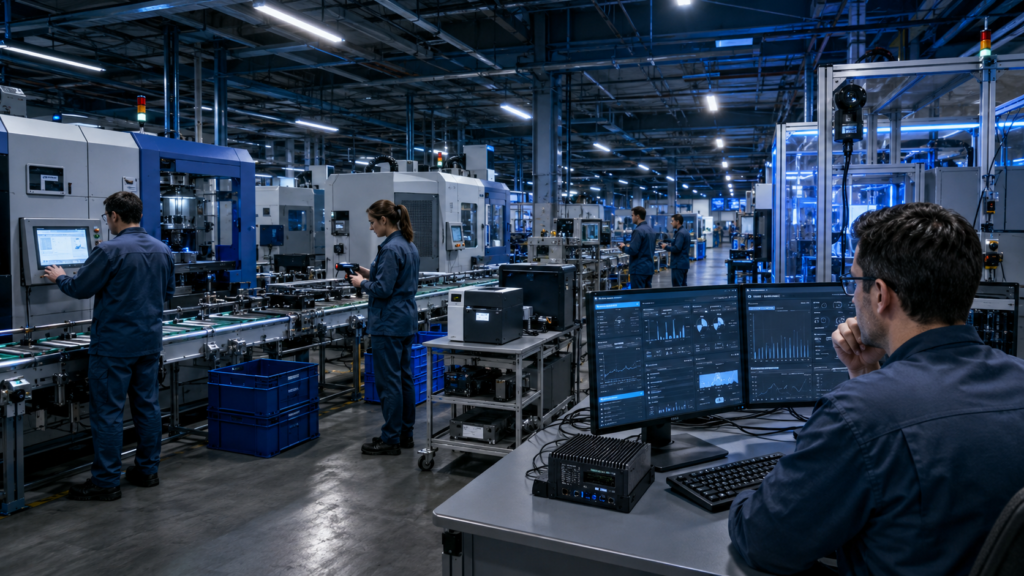
産業用コンピュータ回収オペレータ, 機械, スキャナー, RFID, 製造現場管理システム用の生産データ.
業界の概要
製造現場管理はデータ主導になりつつある
生産現場管理は制御に重点を置いています, 監視, 日々の生産活動を改善する.
伝統的な工場で, 監督者はホワイトボードに頼ることが多い, 紙のレポート, 手動入力, そして連絡が遅くなる. このアプローチは小規模な操作に有効です, しかし、生産ラインになると難しくなります。, 機械, 演算子, 材料, そして品質要件が増加します.
現代の製造現場管理には、より高速で正確なデータが必要です.
工場は理解する必要がある:
- どの作業指示が実行されているか
- どのマシンがアクティブまたはアイドル状態であるか
- 品質に問題があるステーションはどれですか
- どのような材料が使用されているか
- 各プロセスにどのオペレータが割り当てられるか
- どの生産目標が遅れているのか
- 即時対応が必要な異常イベントはどれですか
製造現場管理コンピュータは、実際の生産プロセスに近いこの情報を収集して表示するのに役立ちます。.
産業用コンピューティングが人々を結びつける, 機械, とデータ
製造現場管理はソフトウェア機能だけではありません. 信頼性の高いハードウェアにも依存します.
産業用コンピュータはオペレータを接続するために使用されます, 機械, バーコードスキャナ, RFIDリーダー, プリンター, PLC, センサー, 試験装置, および工場ネットワーク. コンピューティング能力を生産ラインやワークステーションに直接もたらします。.
このローカル コンピューティング レイヤーにより、制作チームはデジタル システムとリアルタイムで対話できるようになります。.
例えば, オペレーターは製品 ID をスキャンできます, 作業指示を見る, プロセスの完了を確認する, 欠陥を報告する, 1 つの産業用端末を通じてラベルを印刷します.
同時に, コンピュータはマシンのステータスを収集できます, レコードを MES にアップロードする, プロダクションダッシュボードを表示します.
標準的な PC では不十分なことが多い理由
市販の PC はオフィスのデスクに適している場合があります, しかし、現場の環境は異なります.
製造現場では粉塵が発生する可能性があります, 振動, 電気ノイズ, 熱, 不安定な電力, 限られた設置スペース. デバイスは長時間連続して稼働し、産業用周辺機器に接続できます。.
製造現場管理コンピュータは、これらの条件に合わせて設計する必要があります。.
産業用コンピュータと組み込みコンピュータは、工場での展開に適したオプションを提供します, 特に信頼性の場合, I/O の柔軟性, 取り付け設計, ライフサイクルの一貫性が重要です.

産業用 PC は、混合工場の機器の接続に役立ちます, レガシーマシン, PLC, シリアルデバイス, およびバーコードステーションから製造現場システムへ.
主要な課題
リアルタイムの生産状況の可視化
多くの工場では、生産イベントと管理の可視化の間に依然として遅れが生じています。.
機械が止まるかもしれない, しかし監督者は後でしか分からないかもしれない. あるステーションで品質問題が発生する可能性がある, ただし、報告はすぐに生産マネージャーに届かない可能性があります. 材料不足により、計画システムが更新される前にラインが遅くなる可能性があります.
この遅延は生産効率に影響を与えます.
製造現場管理コンピュータは、作業現場で情報を収集して表示することで、このギャップを減らすのに役立ちます。.
混合機器とインターフェース
多くの場合、製造現場にはさまざまな種類の生産設備が設置されています。.
一部のマシンはイーサネット通信をサポートしています. その他はシリアルポートを使用します, USB デバイス, ドライコンタクト, センサー, または手動入力. 一部の生産ステップはバーコード スキャナーに依存します, RFIDリーダー, 計量システム, ラベルプリンター, または試験器具.
実際の産業用コンピュータはさまざまなインターフェイスをサポートする必要があります, のような:
- LAN
- USB
- RS232
- RS485
- HDMI または DisplayPort
- GPIO またはデジタル I/O
- 拡張モジュール
- 必要な場合のワイヤレス接続
適切な I/O がない場合, コンピューティング プラットフォームには多くのアダプターが必要になる場合があります, 信頼性が低下する可能性があります.
過酷な工場環境
製造現場のコンピューターは機械の近くに設置される場合があります, コンベア, キャビネット, オペレータステーション, または検査台.
これらの場所はシステムがほこりにさらされる可能性があります, 振動, 熱, ケーブルの動き, そして電力変動. コンピューターが故障した場合, 生産ステーションは作業指示書にアクセスできなくなる可能性があります, スキャン機能, レポートツール, または品質記録.
産業用コンピュータは、頑丈な機械設計によりこのリスクを軽減します, ファンレスオプション, 安定した取り付け, および産業用電力サポート.
データの正確性とトレーサビリティ
製造現場の管理は正確な生産データに依存します.
生産後にオペレーターが手動でデータを入力する場合, エラーが発生する可能性があります. バーコードのスキャンが失敗した場合, トレーサビリティが不完全になる. 高品質のデータがローカルに保存されているが正しくアップロードされていない場合, 分析が難しくなる.
製造現場管理コンピュータは、実際の生産ステップ中にデータをキャプチャするのに役立ちます.
製品IDを紐付けることでトレーサビリティを向上させます。, 材料バッチ, オペレータのアクション, 処理結果, 正しい生産イベントに対する品質記録.
複数行にわたる拡大縮小
多くの工場は、1 つのラインでの小規模なデジタル管理プロジェクトから始まります。.
パイロットが成功した後, 同じシステムを多くの行に拡張する必要がある場合があります, ワークショップ, または工場. すべてのステーションが異なるハードウェアを使用している場合, メンテナンスが難しくなる.
よくある問題には次のようなものがあります。:
- さまざまなドライバー
- さまざまな電源アダプター
- さまざまな取り付け方法
- さまざまなソフトウェアイメージ
- さまざまなスペアパーツ
- さまざまなライフサイクル スケジュール
標準化された産業用コンピューティング プラットフォームにより、大規模な導入の管理が容易になります.

産業用コンピュータが機械を接続する, 演算子, 周辺機器, MES, データベース, 製造現場管理システムの生産ダッシュボード.
製造現場管理コンピュータ ソリューション アーキテクチャ
生産設備層
生産設備層には、作業現場のデータを生成する機械やデバイスが含まれます。.
これには PLC が含まれる場合があります, CNCマシン, 組立工具, センサー, メートル, コンベア, バーコードスキャナ, RFIDリーダー, ラベルプリンター, 計量装置, 試験器具, および検査システム.
これらのデバイスは次のような情報を生成します。:
- 機械の状態
- 出力数量
- アラームイベント
- サイクルタイム
- プロダクトID
- 材料バッチ
- オペレーター確認
- 欠陥記録
- 試験結果
- プロセスパラメータ
製造現場管理システムには、このデータを収集するための信頼性の高いコンピューティング ハードウェアが必要です.
インダストリアルエッジコンピューティング層
産業用エッジ コンピューティング層には、製造現場管理コンピューターが展開されます。.
産業用コンピュータまたは組み込みコンピュータがオペレータ ステーションに設置される場合があります, 生産ライン, 機械キャビネット, 検査台, またはマテリアルハンドリングエリア.
この層では, コンピュータはいくつかのタスクを実行する場合があります:
- 作業指示を表示する
- オペレーターの入力を収集する
- スキャナーとRFIDデバイスを接続する
- 機械やPLCと通信する
- プロセスデータを記録する
- ラベルを印刷する
- MES または製造現場ソフトウェアを実行する
- ネットワーク中断時のデータのバッファリング
- レコードをサーバーにアップロードする
- ローカルダッシュボードを表示する
この層は、データが実際に生産が行われる場所の近くで処理されるため、システムの信頼性を向上させます。.
製造現場のソフトウェア層
製造現場のソフトウェア層には MES が含まれる場合があります, 実稼働ダッシュボード, 作業指示システム, 品質管理ソフトウェア, 機器監視プラットフォーム, またはカスタムファクトリーアプリケーション.
産業用コンピューターは工場ネットワークを介してこの層と通信します.
例えば, ソフトウェア システムはステーションに作業指示を送信する場合があります. 製造現場のコンピュータに指示が表示される, スキャン結果を収集します, 完了ステータスを記録する, そしてデータをシステムに送り返します.
これにより、本番環境の実行と管理の可視化の間に閉ループのワークフローが作成されます。.
ファクトリネットワーク層
工場ネットワークは作業現場のコンピューターとサーバーを接続します, データベース, ワークステーションの監視, およびエンタープライズ システム.
多くの場合, ネットワークのセグメント化は重要です.
1 つの LAN 接続をマシン側の通信に使用できます, もう 1 つは生産管理ネットワークに接続します. これにより組織を改善できる, 干渉を減らす, より優れたセキュリティ設計をサポートします.
エンタープライズ統合レイヤー
製造現場管理データはERPと共有することも可能, WMS, PLM, スカダ, またはビジネス インテリジェンス システム.
これにより、生産情報が計画をサポートできるようになります。, 在庫管理, 品質分析, メンテナンスに関する決定, そして配送管理.
産業用コンピュータはこれらのシステムに代わるものではありません. 必要な信頼性の高い製造現場のデータ基盤を提供します.
主な特長
産業グレードの信頼性
信頼性は製造現場のコンピューティングの第一要件です.
システムは、複数のシフトにわたって継続的に実行し、要求の厳しい実稼働環境でも安定した状態を維持する必要がある場合があります。.
重要な信頼性機能には次のものがあります。:
- 産業用マザーボードの設計
- ファンレスシステムオプション
- 堅牢な筐体構造
- SSDストレージのサポート
- 安定した熱性能
- 幅広い電圧入力オプション
- 安全な取り付け方法
- 長期的なライフサイクル計画
目標は、実際の工場条件での安定稼働です。, 基本的なコンピューティング性能だけでなく.
柔軟な I/O 構成
製造現場管理コンピュータには多くの周辺機器が接続されることがよくあります.
単一のステーションにディスプレイが必要な場合があります, タッチスクリーン, スキャナー, RFIDリーダー, プリンター, キーボード, PLC接続, LAN接続.
便利な I/O オプションには次のものがあります。:
- 複数のLANポート
- USB 2.0 とUSB 3.0
- RS232
- RS485
- HDMI
- ディスプレイポート
- GPIO
- M.2拡張
- ミニ PCIe 拡張
適切な I/O 構成によりアダプターの使用量が削減され、導入の信頼性が向上します。.
ファンレスでメンテナンスの少ない設計
ファンレス産業用コンピューターは製造現場環境で役立ちます.
粉塵の侵入を減らし、一般的な機械的故障点を 1 つ除去します。. これは、限られたメンテナンスでデバイスが長時間稼働することが予想される工場では重要です。.
ファンレス設計は依然としてワークロードに適合する必要があります, 周囲温度, 設置位置, およびエンクロージャのエアフロー.
コンパクトな設置設計
作業現場のコンピューターはスペースが限られた場所に設置されることがよくあります.
モニターの後ろに設置される場合があります, キャビネットの中, ベンチの下, マシンフレームに, または生産ラインの横.
コンパクトな組み込みコンピュータと産業用ボックス PC は柔軟な設置オプションを提供します. OEM機器向け, 組み込みボードはカスタムマシンまたは端末に直接統合可能.
ストレージとデータ保護
製造現場システムにはオペレーティング システム ファイルが保存される場合があります, ローカルアプリケーション, ログ, 一時的な記録, ラベルファイル, 品質データ, または検査画像.
SSD ストレージは、機械式ストレージよりも応答が速く、耐衝撃性に優れているため、通常は好まれます。.
頻繁にログを記録したり、ローカルに画像を保存したりするアプリケーションの場合, 導入前にストレージ容量と書き込み耐久性を確認する必要があります.
ソフトウェアと周辺機器の互換性
製造現場管理ソフトウェアは Windows 上で実行可能, Linux, ブラウザベースのアプリケーション, またはカスタム工場システム.
大規模導入前, ハードウェアはオペレーティング システムで検証する必要があります, ドライバー, スキャナー, プリンター, RFIDデバイス, PLC通信ツール, リモートアクセスソフトウェア, およびサイバーセキュリティ設定.
これにより、工場での展開時の統合リスクが軽減されます。.
導入シナリオ
オペレーターワークステーション
オペレータ ワークステーションは、最も一般的な製造現場管理アプリケーションの 1 つです.
産業用コンピュータはタッチスクリーンに接続可能, スキャナー, RFIDリーダー, キーボード, とラベルプリンター. オペレーターは作業指示を表示できます, スキャン製品, プロセスステップを確認する, 欠陥を報告する, 制作実績の提出.
これにより、紙ベースのワークフローが削減され、プロセスの一貫性が向上します。.
生産ラインの監視
産業用コンピュータを使用して生産ラインの状態を監視できます.
出力数量を表示できます, マシンのステータス, 作業指示の進捗状況, ダウンタイムイベント, 品質アラート.
これにより、生産条件が変化した場合に監督者やオペレーターがより迅速に対応できるようになります。.
マシンデータの収集
作業現場管理コンピュータは機械から直接データを収集できます.
PLCに接続することもできます, CNCマシン, センサー, メートル, またはコントローラー. 収集されたデータには実行ステータスが含まれる場合があります, サイクルタイム, アラームイベント, 出力数, またはプロセス値.
これにより、工場は手動レポートからデータ主導の生産管理に移行することができます。.
品質検査ステーション
品質検査ステーションは多くの場合、信頼性の高いコンピューティング ハードウェアを必要とします.
産業用コンピュータはカメラに接続できる, 測定ツール, 試験器具, バーコードスキャナ, とプリンター. 検査データを記録できる, 結果を製品 ID にリンクする, 記録を品質システムまたは MES システムにアップロードします.
これにより、トレーサビリティと根本原因分析がサポートされます。.
マテリアルハンドリングおよび倉庫エリア
製造現場の管理には資材の移動も含まれます.
産業用コンピュータを受信エリアで使用可能, ラインサイドストレージ, 材料準備ゾーン, および完成品ステーション.
バーコードスキャナーを接続することで, RFIDリーダー, 計量装置, およびラベルプリンター, このシステムは材料追跡を改善し、手動入力エラーを減らすことができます。.
アンドンとビジュアル管理システム
工場では、視覚的な管理システムをサポートするために作業現場のコンピューターを使用する場合があります。.
これらのシステムは回線ステータスを表示します, 生産目標, アラーム, ダウンタイムの理由, およびサポートリクエスト. 監督者が問題を迅速に理解し、対応アクションを調整するのに役立ちます。.
産業用コンピュータは、これらのリアルタイム表示およびデータ収集タスクに安定したハードウェアを提供します。.
OEM機器の統合
機械製造業者は、組み込みコンピュータや産業用マザーボードを製造現場のデータ接続を必要とする機器に統合できます。.
これにより、機械がオペレーターインターフェースをサポートできるようになります。, 生産レポート, リモート診断, 工場管理システムへの接続.
OEM向け, 組み込みコンピューティングにより、マシンの価値が向上し、顧客の統合が簡素化されます。.
ビジネス上のメリット
生産の可視性の向上
製造現場管理コンピュータにより、メーカーは生産活動をより明確に把握できるようになります.
オペレーターからリアルタイムのデータを収集することにより、, 機械, スキャナー, および検査ステーション, 工場チームは作業指示の進捗状況を監視できる, マシンのステータス, 生産量, 品質の問題, およびダウンタイムイベント.
これにより意思決定が改善され、応答の遅れが軽減されます。.
手動レポートの削減
手動レポートには時間がかかり、エラーが発生することもよくあります.
産業用コンピュータにより、生産データをソースでキャプチャできるようになります. オペレーターはスキャン可能, 確認する, 報告, 実際のプロセス中にデータを送信します.
これにより事務手続きが削減され、報告の精度が向上します。.
より強力なトレーサビリティ
トレーサビリティには生産ステップ全体にわたる完全な記録が必要です.
製造現場のコンピューターは製品 ID の取得に役立ちます, 材料バッチ, オペレータのアクション, マシンパラメータ, 検査結果, およびプロセス完了データ.
品質管理をサポートします, 監査, 保証分析, そして継続的な改善.
問題へのより迅速な対応
実稼働データがリアルタイムで利用可能な場合, チームはより迅速に対応できるようになります.
スーパーバイザーはダウンタイムを特定できる, 材料不足, 異常な品質結果, または回線の遅延が早くなる. これにより、問題の発生から修正措置までの時間が短縮されます.
既存設備の有効活用
工場では、作業現場の管理を改善するために、必ずしも既存の機器を交換する必要はありません。.
産業用コンピューターはシリアルポート経由でレガシーマシンに接続可能, イーサネット, USB, センサー, または外部ゲートウェイ. これにより、メーカーは既存の資産を段階的にデジタル化できるようになります。.
スケーラブルな工場管理
標準化された産業用コンピュータ プラットフォームにより、工場は複数のラインやサイトにわたって製造現場管理システムを拡張できます。.
一貫したハードウェアを使用することでソフトウェアの導入が簡素化されます, メンテナンス, スペアパーツの計画, トレーニング, および技術サポート.
これにより、長期的なデジタル製造開発がサポートされます。.
CoreIPC を選ぶ理由
CoreIPC は製造業向けの産業用コンピューティング プラットフォームを提供します, オートメーション, マシンの接続性, および組み込みシステムの統合. 製造現場管理アプリケーション向け, CoreIPC は信頼性の高い産業用コンピューター ハードウェアに重点を置いています, 組み込みコンピュータソリューション, 柔軟な I/O 構成, コンパクトなシステム設計, OEM/ODMカスタマイズサポート. CoreIPC はシステム インテグレーターを支援します, 機器ビルダー, 製造チームは実際の運用環境に適合するコンピューティング プラットフォームを選択します, マシンインターフェースを含む, オペレータ端末, 取り付け方法, 電源入力, 熱設計, 長期的な導入ニーズ.
よくある質問
1. 生産現場管理コンピュータとは?
製造現場管理コンピュータは、生産現場の管理タスクをサポートするために使用される産業用コンピュータです。.
オペレーター端末として機能する可能性があります, 生産監視ステーション, マシンデータ収集ノード, 品質検査ワークステーション, またはダッシュボードコンピューター. オペレーターをつなぐ, 機械, スキャナー, プリンター, 生産の可視性とデータの正確性を向上させるソフトウェア システム.
2. 製造現場管理に産業用コンピュータを使用する理由?
産業用コンピューターは、標準的なオフィス PC では十分な信頼性が得られない工場環境向けに設計されています。.
継続的な運用をサポートできます, 頑丈な設置, ファンレス設計, 柔軟な I/O, 産業用機器との接続. 生産ラインに最適です, 機械キャビネット, 検査ステーション, およびオペレーターワークステーション.
3. 組み込みコンピュータは製造現場でどのように使用されていますか?
組み込みコンピュータは機械の近くに設置可能, キャビネットの中, ディスプレイの後ろ, またはカスタム機器の内部.
PLCからのデータ収集が可能, センサー, スキャナー, RFIDリーダー, またはテスト機器. ローカルアプリケーションを実行することもできます, 作業指示を表示する, バッファデータ, または製造記録を工場のソフトウェア システムにアップロードします.
4. 作業現場のコンピュータにとって重要なインターフェイスは何ですか?
共通インターフェースにはLANが含まれます, USB, RS232, RS485, HDMI, ディスプレイポート, GPIO, M.2, およびミニ PCIe.
USBはスキャナーによく使われます, RFIDリーダー, プリンター, キーボード, とカメラ. シリアルポートはレガシーマシンに便利です, メートル, またはコントローラー. 複数の LAN ポートにより、マシン通信を工場ネットワーク通信から分離することができます。.
5. 製造現場のコンピューターはレガシーマシンに接続できますか?
はい. 産業用コンピューターは、最新のデジタル システムを直接サポートしていないレガシー マシンを接続するためによく使用されます。.
RS232 経由でデータを収集できます, RS485, イーサネット, USB, センサー, またはゲートウェイモジュール. これにより、工場は既存の機器をすべて交換することなく、作業現場の管理を改善できます。.
6. 工場現場への導入に適したファンレスコンピュータです?
ファンレス産業用コンピュータは、ほこりの侵入を減らし、一般的な機械的故障点を取り除くため、多くの場合、製造現場での導入に適しています。.
これは、粉塵が多い本番環境で役立ちます。, 粒子, 振動, または長時間の稼働. しかし, 熱条件, CPUワークロード, 取付位置, 選択する前にエンクロージャのエアフローを確認する必要があります.
7. 製造現場管理コンピュータはトレーサビリティをどのように向上させるのか?
生産工程ごとにデータを収集することでトレーサビリティを向上.
コンピューターは製品 ID を取得できます, 材料バッチ, オペレータのアクション, マシンのステータス, 検査結果, およびプロセス完了記録. このデータが MES または品質システムにアップロードされるとき, メーカーはより完全な生産履歴を構築できる.
8. 製造現場のコンピューターには複数の LAN ポートが必要ですか??
複数の LAN ポートは、コンピュータが機械ネットワークと工場管理ネットワークの両方に接続する必要がある場合に役立ちます。.
1 つの LAN ポートは PLC または機器に接続可能, もう 1 つは MES に接続している間, データベース, または本番ダッシュボード. この分離により、ネットワーク組織が改善され、より優れたセキュリティ設計がサポートされます。.
9. 作業現場のハードウェアを選択する前に考慮すべきこと?
重要な要素にはCPUパフォーマンスが含まれます, メモリ, ストレージ, I/Oインターフェース, オペレーティング システムのサポート, 取付方法, 電源入力, 周囲温度, 周辺機器の互換性, およびライフサイクル要件.
実際のソフトウェアを使用してハードウェアをテストすることも重要です, スキャナー, プリンター, PLC通信, 大規模導入前のネットワーク設定.
10. OEM 機器メーカーは製造現場のコンピューティング機能を統合できますか?
はい. OEM 機器ビルダーは組み込みコンピュータを統合できます, 産業用PC, または産業用マザーボードを機械やカスタム端末に接続.
これにより、機器がオペレーターインターフェースをサポートできるようになります。, 生産レポート, リモート診断, データロギング, および工場管理システムへの接続. また、機器をデジタル製造環境により適したものにするのにも役立ちます.
結論
製造現場管理コンピュータは、接続された生産管理の実用的な基盤です.
信頼性の高い産業用コンピューティングをオペレータの近くにもたらします, 機械, スキャナー, 検査システム, マテリアルステーション, および生産ネットワーク. これにより、メーカーの可視性が向上します, 手動レポートを削減する, トレーサビリティの強化, 現場の問題に迅速に対応します.
実際の導入要件に応じて、適切な産業用コンピュータまたは組み込みコンピュータを選択する必要があります。, I/O構成を含む, 取付方法, 電源入力, 熱条件, ストレージのニーズ, オペレーティング システムの互換性, ネットワーク設計, および長期的なライフサイクル計画.
CoreIPC は、実際の工場環境向けに設計された産業用コンピューティング プラットフォームを使用して、作業現場管理コンピューター プロジェクトをサポートします。. 適切なハードウェア基盤があれば, メーカーはより安定した製品を構築できる, スケーラブルな, データドリブンな生産管理システム.
お問い合わせ
産業用コンピュータを探しています, 組み込みコンピュータ, または製造現場管理用の産業用マザーボード?
プロジェクトの要件については、CoreIPC にお問い合わせください。, オペレータ端末を含む, マシンインターフェース, I/O構成, 取付方法, 電源入力, 動作環境, ライフサイクルのニーズ, および OEM/ODM カスタマイズ オプション.