CoreIPC 産業用コンピューティング ソリューション

エグゼクティブサマリー
A Siemens PLC industrial computer serves as a critical component in modern industrial automation systems, データ処理を可能にする, 視覚化, コミュニケーション, シーメンス PLC コントローラーを補完するエッジ コンピューティング機能. シーメンスの PLC は決定論的な機械制御とリアルタイムの自動化タスクを担当します。, 産業用コンピュータは、HMI 視覚化などの高度な機能を提供します, SCADAの統合, データロギング, 予知保全, 産業用ネットワーキング, およびエッジ AI 分析.
産業として 4.0 取り組みは加速し続ける, メーカーは、Siemens S7-1200 とシームレスに統合できる産業用コンピューティング プラットフォームをますます求めています。, S7-1500, ET 200, およびその他のシーメンス自動化システム. 産業用コンピュータと組み込みコンピュータは運用技術の橋渡しにおいて重要な役割を果たします (OT) と情報技術 (それ), リアルタイムのデータ収集を有効にする, 産業用通信, クラウド接続, インテリジェントな意思決定.
この記事では、シーメンスの PLC アプリケーションにおける産業用コンピューターの役割について説明します。, 導入の主要な課題, solution architectures, 重要な機能, 導入シナリオ, and recommended CoreIPC product categories for industrial automation projects.

Industrial computers provide data processing, 視覚化, and edge computing capabilities for Siemens PLC-based automation systems.
業界の概要
The Growing Role of Siemens PLC Systems in Industrial Automation
Siemens PLCs are widely deployed across industries including:
- 製造業
- Automotive production
- Food and beverage processing
- Pharmaceutical manufacturing
- Logistics and warehousing
- エネルギー管理
- 水処理施設
- Building automation
The Siemens SIMATIC platform has become one of the most widely adopted industrial automation ecosystems globally due to its reliability, スケーラビリティ, and extensive communication capabilities.
しかし, modern automation systems require more than traditional PLC control.
Industrial enterprises increasingly demand:
- リアルタイムの生産監視
- Data-driven decision making
- 予知保全
- リモート診断
- Industrial IoT integration
- エッジコンピューティング機能
- AI を活用した分析
These requirements create the need for a powerful Siemens PLC industrial computer solution.
業界 4.0 and Edge Computing Trends
Modern factories are transitioning toward smart manufacturing environments where machines, センサー, PLC, 産業用コンピュータ, and cloud platforms work together.
Key trends include:
- Industrial IoT deployment
- Smart factory initiatives
- デジタルツイン
- エッジAIコンピューティング
- Machine vision integration
- リアルタイムの生産分析
- Cybersecurity enhancement
- Cloud-connected manufacturing systems
In these architectures, industrial computers serve as the computing backbone that processes and distributes operational data generated by Siemens PLC systems.
主要な課題
Deploying industrial computers alongside Siemens PLC systems presents several practical challenges.
過酷な産業環境
Industrial facilities often expose equipment to:
- ほこり
- 油汚れ
- Shock and vibration
- High humidity
- 電磁妨害
- Wide temperature fluctuations
Traditional office PCs cannot reliably operate under these conditions.
リアルタイムデータ処理要件
Modern production lines generate data from:
- PLC
- センサー
- カメラ
- バーコードスキャナー
- ビジョンシステム
- MESプラットフォーム
Industrial computers must process this information with minimal latency.
Multiple Industrial Protocols
A Siemens PLC industrial computer may need to communicate using:
- プロフィネット
- PROFIBUS
- OPC UA
- Modbus TCP
- イーサネット/IP
- MQTT
- TCP/IP
Managing protocol interoperability can be complex.
Legacy System Integration
Many factories operate mixed environments containing:
- Legacy Siemens PLCs
- New S7-1500 systems
- Third-party automation equipment
- Existing SCADA systems
Industrial computers often act as integration gateways.
サイバーセキュリティのリスク
As production systems become connected, risks increase from:
- 不正アクセス
- マルウェア攻撃
- データ侵害
- Ransomware incidents
Industrial computing platforms must support secure deployment practices.
スケーラビリティ要件
Manufacturers need solutions capable of growing from:
- Single machine deployments
- 生産セル
- Factory-wide automation systems
- Multi-site operations
Scalable industrial computer architectures are essential.

Industrial computer architecture for Siemens PLC applications, connecting field devices, 産業用ネットワーク, SCADAシステム, およびエンタープライズプラットフォーム.
ソリューションアーキテクチャ
Siemens PLC Industrial Computer Architecture
A typical Siemens PLC industrial computer solution includes multiple automation layers.
フィールド層
Devices include:
- センサー
- エンコーダ
- RFIDリーダー
- 温度トランスミッター
- 圧力センサー
- 流量計
- 産業用カメラ
These devices collect operational data from machines and production processes.
制御層
The control layer consists of Siemens automation equipment such as:
- SIMATIC S7-1200 PLC
- SIMATIC S7-1500 PLC
- ET 200 Distributed I/O
- Variable Frequency Drives
- Servo Controllers
PLCs execute deterministic control logic and manage field devices.
産業ネットワーク層
Communication networks may include:
- プロフィネット
- 産業用イーサネット
- PROFIBUS
- Fiber Ethernet
- Wireless Industrial Networks
These networks transfer data between controllers and computing platforms.
産業用コンピュータ層
産業用コンピュータのパフォーマンス:
- データ取得
- HMIの可視化
- SCADA operation
- 生産報告
- データベース管理
- エッジ分析
- ローカルAI処理
The industrial computer collects operational data from Siemens PLCs and transforms it into actionable information.
エンタープライズ層
Industrial computers exchange information with:
- MESシステム
- ERPシステム
- クラウドプラットフォーム
- データレイク
- 予知保全プラットフォーム
これにより、企業全体の可視性が可能になります.
Key Features of an Industrial Computer for Siemens PLC Applications
1. 高性能処理
Industrial automation applications often require:
- Multi-threaded workloads
- Database processing
- Visualization rendering
- 分析エンジン
Modern industrial computers provide sufficient computing resources for demanding applications.
2. ファンレス工業デザイン
ファンレス システムが提供するもの:
- Lower maintenance requirements
- Reduced failure points
- 信頼性の向上
- サイレント動作
This makes them suitable for factory deployment.
3. 幅広い温度での動作
Industrial environments often exceed normal office operating conditions.
Industrial computers support stable operation in:
- 製造工場
- Outdoor cabinets
- 交通システム
- エネルギー施設
4. 産業用接続性
Connectivity options commonly include:
- Multiple Gigabit LAN ports
- シリアルポート
- USBインターフェース
- デジタル I/O
- CANバス
- 無線モジュール
These interfaces simplify PLC integration.
5. エッジコンピューティング機能
Industrial computers can process data locally before cloud transmission.
メリットとしては以下が挙げられます:
- 帯域幅消費量の削減
- 待ち時間の短縮
- 応答時間の短縮
- 信頼性の向上
6. マシンビジョンの統合
産業用コンピュータのサポート:
- 視力検査
- バーコード認識
- 欠陥検出
- Quality assurance systems
Machine vision frequently operates alongside Siemens PLC systems.
7. サイバーセキュリティサポート
Industrial deployments increasingly require:
- セキュアブート
- Trusted platform modules
- ネットワークのセグメンテーション
- アクセス制御
- データの暗号化
Security must be integrated into system design.
8. リモート管理
Remote management functions improve:
- 診断
- Maintenance
- Firmware updates
- システム監視
This reduces operational costs.
9. 長いライフサイクルの可用性
産業オートメーション プロジェクトは、多くの場合、長年にわたって運用され続けます。.
Industrial-grade platforms provide:
- 安定したハードウェア プラットフォーム
- 長期的な可用性
- Controlled product lifecycle
- 保守計画の簡素化

Industrial computers enable real-time edge computing, ローカル分析, and data processing for Siemens PLC-based automation systems.
推奨される CoreIPC 製品
産業用PC
に適しています:
- ファクトリーオートメーション
- 生産監視
- SCADA workstations
利点:
- 柔軟な拡張性
- Strong processing performance
- Broad connectivity options
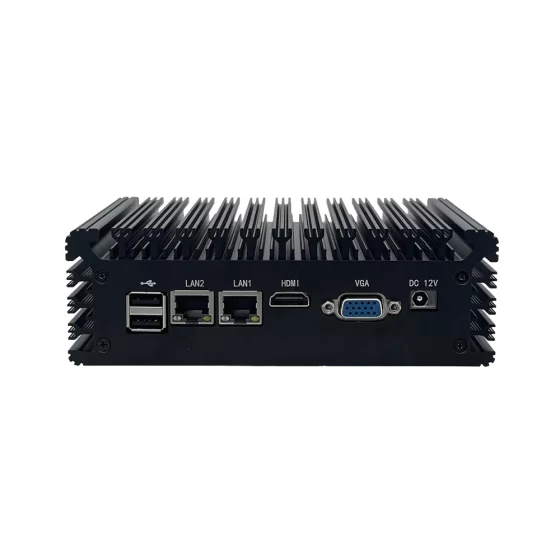
ファンレス産業用 PC
に適しています:
- 粉塵の多い環境
- Embedded control systems
- 機器の統合
利点:
- メンテナンスフリーの運用
- 信頼性の向上
- Compact deployment
組み込みコンピュータ
に適しています:
- マシンコントローラー
- Edge computing nodes
- データ収集システム
利点:
- コンパクトなサイズ
- 低消費電力
- High integration capability
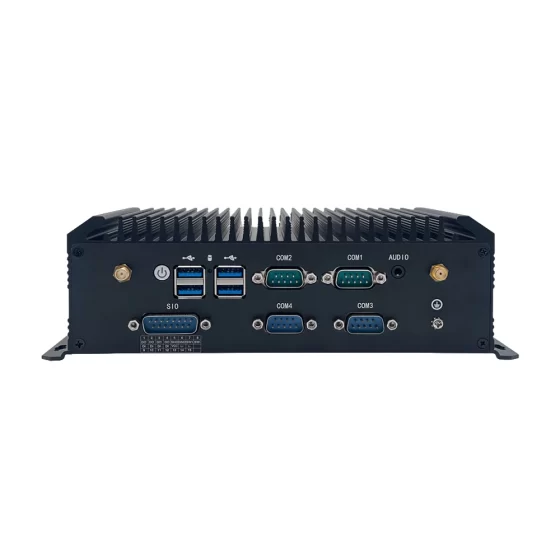
組み込みボックス PC
に適しています:
- オートメーションキャビネット
- AGV systems
- Smart equipment
利点:
- 頑丈な構造
- Flexible mounting options
- 産業上の信頼性
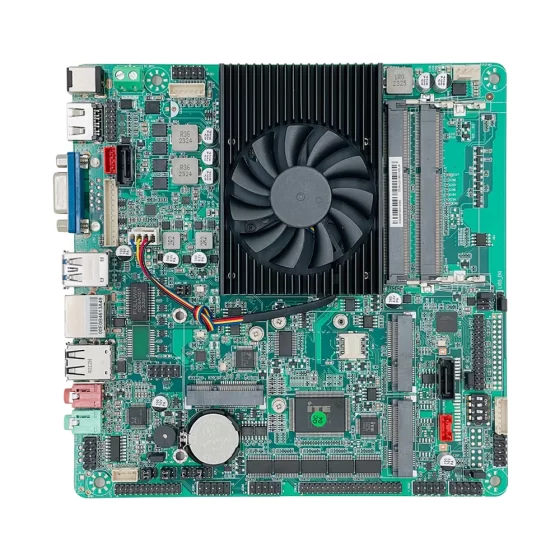
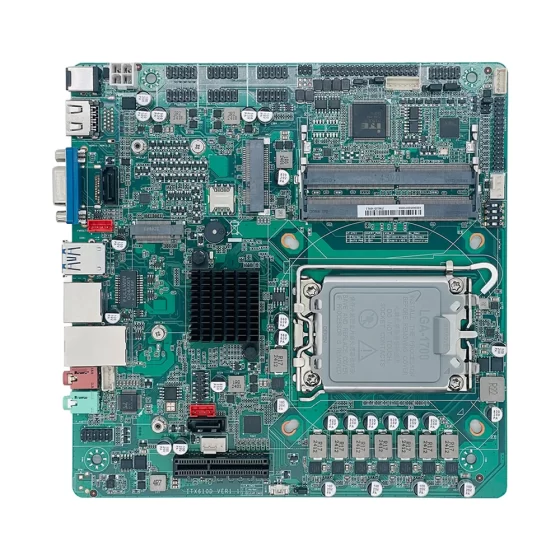
Mini-ITX マザーボード
に適しています:
- Custom automation equipment
- Siemens PLC companion systems
- OEMプロジェクト
利点:
- Standardized form factor
- Rich I/O resources
- 柔軟なシステム設計
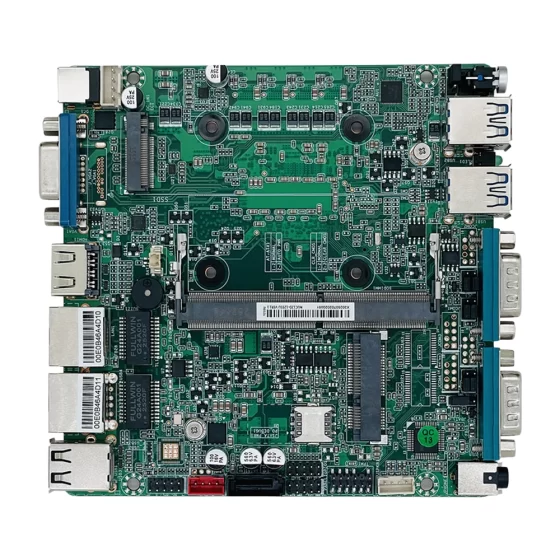
3.5-インチSBC
に適しています:
- Space-constrained systems
- Embedded automation devices
- Compact industrial equipment
利点:
- 設置面積が小さい
- 産業用耐久性
- Cost-effective deployment
エッジ AI コンピューター
に適しています:
- Intelligent manufacturing
- マシンビジョン
- 予知保全
利点:
- AIの加速
- リアルタイム分析
- Edge inference capability
導入シナリオ
Smart Factory Monitoring
Industrial computers collect production data from Siemens PLC systems and provide real-time dashboards for operators and management.
マシンビジョン検査
Industrial computers process images from industrial cameras while Siemens PLCs coordinate machine control actions.
AGV and Mobile Robotics
Embedded computers support navigation, フリート管理, and communication while integrating with factory automation systems.
倉庫自動化
Industrial computers manage:
- コンベヤシステム
- 選別装置
- バーコードスキャン
- 在庫追跡
while communicating with Siemens PLC controllers.
エネルギー管理システム
Industrial computers collect and analyze energy consumption data from PLC-controlled equipment.
Water Treatment Facilities
産業用コンピュータが提供する:
- SCADA visualization
- データロギング
- アラーム管理
- 遠隔監視
for Siemens-based control systems.
Smart Transportation Systems
Industrial computers integrate with traffic control infrastructure and Siemens automation devices for intelligent transportation applications.
ビジネス上のメリット
Organizations deploying industrial computers alongside Siemens PLC systems can achieve measurable benefits.
ダウンタイムの削減
Real-time monitoring enables faster fault detection and troubleshooting.
生産性の向上
Improved data visibility supports process optimization and production efficiency.
メンテナンスコストの削減
Predictive maintenance reduces unexpected equipment failures.
運用上の可視性の向上
Managers gain access to comprehensive production data and analytics.
より迅速な意思決定
Real-time information enables quicker operational responses.
スケーラビリティの向上
Industrial computing platforms support future expansion without major infrastructure redesign.
CoreIPC を選ぶ理由
CoreIPC specializes in industrial computing and embedded hardware solutions for automation applications.
CoreIPC supports customers through:
- 産業用コンピューティングの専門知識
- 組み込みハードウェア開発
- OEM製造サービス
- ODMプロジェクトのサポート
- Product customization capabilities
- Long lifecycle product strategies
- Global deployment support
- Flexible industrial platform solutions
Whether integrating with Siemens PLC systems, machine vision platforms, industrial IoT deployments, or edge computing infrastructures, CoreIPC provides scalable computing platforms designed for industrial environments.
よくある質問
1. What is a Siemens PLC industrial computer?
A Siemens PLC industrial computer is an industrial-grade computing platform that works alongside Siemens PLC controllers to provide visualization, データ処理, コミュニケーション, SCADA機能, およびエッジコンピューティング機能.
2. Can an industrial computer replace a Siemens PLC?
一般的に, いいえ. PLCs are designed for deterministic real-time control, while industrial computers focus on data processing, 視覚化, and advanced computing tasks. Both systems typically complement each other.
3. Which Siemens PLC series are commonly used with industrial computers?
Common integrations include Siemens S7-1200, S7-1500, ET 200, and legacy S7 platforms used in manufacturing and process automation environments.
4. How does an industrial computer communicate with Siemens PLCs?
Communication typically occurs through PROFINET, OPC UA, Modbus TCP, 産業用イーサネット, or other industrial communication protocols.
5. Why use a fanless industrial computer?
ファンレスシステムによりメンテナンスが軽減されます, 信頼性の向上, and eliminate dust-related cooling failures in industrial environments.
6. What applications benefit most from industrial computers?
Applications include SCADA, HMI, マシンビジョン, 予知保全, 産業用IoT, エッジ分析, および生産監視.
7. Can industrial computers support machine vision systems?
はい. Industrial computers often process images from industrial cameras for inspection, 品質管理, and AI-based vision applications.
8. What role does edge computing play in Siemens PLC applications?
Edge computing allows data to be processed locally, 待ち時間の短縮, improving response times, and minimizing cloud bandwidth requirements.
9. Are industrial computers suitable for 24/7 手術?
Industrial-grade platforms are designed for continuous operation and are optimized for long-term reliability.
10. How do industrial computers improve factory productivity?
They provide real-time visibility, 分析, 予知保全, and better integration between automation and enterprise systems.
11. What should be considered when selecting an industrial computer?
重要な要素にはCPUパフォーマンスが含まれます, 動作環境, 接続要件, 拡張性, ライフサイクルサポート, ソフトウェアの互換性.
12. Can industrial computers integrate with cloud platforms?
はい. Many industrial computers support cloud connectivity through MQTT, OPC UA, REST API, and industrial IoT frameworks.
結論
A Siemens PLC industrial computer is an essential component of modern industrial automation architecture. While Siemens PLCs provide reliable machine control, industrial computers deliver the computing power necessary for visualization, データ分析, 産業用ネットワーキング, エッジコンピューティング, and digital transformation initiatives. By combining Siemens automation systems with industrial-grade computing platforms, manufacturers can improve productivity, enhance operational visibility, support predictive maintenance, and build scalable Industry 4.0 infrastructures. Selecting the right industrial computer or embedded computer platform ensures long-term reliability and successful deployment across a wide range of industrial applications.
お問い合わせ
Looking for the right industrial computer solution for Siemens PLC applications?
CoreIPC は産業用コンピューティング プラットフォームを提供します。:
- 産業オートメーション
- スマートマニュファクチャリング
- マシンビジョン
- インダストリアルIoT
- エッジコンピューティング
- OEMプロジェクト
- ODMプロジェクト
- カスタム組み込みハードウェア開発
Contact CoreIPC today to discuss your project requirements and identify the most suitable industrial computing platform for your Siemens automation environment.