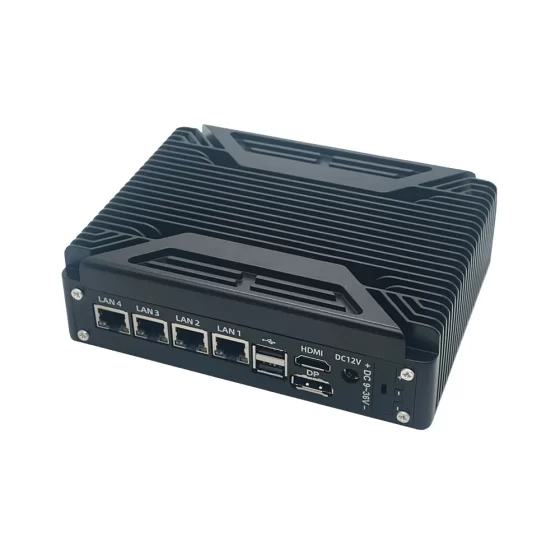
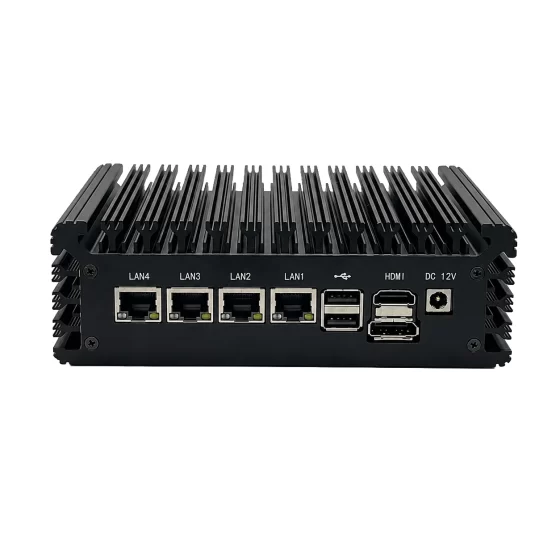
Решения CoreIPC для промышленных вычислений

Вычислительная платформа искусственного интеллекта для автоматизации: Автоматизация вычислений с использованием искусственного интеллекта для интеллектуальных промышленных систем
Управляющее резюме
An AI computing automation platform provides the industrial computing foundation for machine vision, робототехника, профилактическое обслуживание, мониторинг процесса, обнаружение дефектов, and intelligent factory control.
As manufacturing systems become more connected and data-driven, factories need computing platforms that can process AI workloads close to production equipment. Sending all camera images, данные датчика, PLC records, and machine events to a remote cloud system can create latency, давление на полосу пропускания, and operational dependency on network availability.
AI computing automation allows industrial computers and embedded computers to perform local AI inference, обработка данных в реальном времени, machine-side decision support, and automation system integration. These platforms can connect cameras, датчики, ПЛК, роботы, контроллеры движения, считыватели штрих-кодов, промышленные шлюзы, и заводские программные системы.
An industrial computer can act as the local AI processing node for production lines, инспекционные станции, роботизированные клетки, упаковочные системы, logistics sorting systems, and smart manufacturing equipment. An embedded computer can provide similar capabilities in a compact form factor for machine builders and space-limited automation systems.
По сравнению со стандартными коммерческими ПК, промышленные компьютеры обеспечивают большую надежность, гибкий ввод-вывод, прочная механическая конструкция, безвентиляторные варианты, стабильные тепловые характеристики, промышленные сети, и поддержка длительного жизненного цикла.
This article explains how AI computing automation works, с какими проблемами внедрения сталкиваются производители, как структурирована архитектура решения, and which hardware features are important when selecting an industrial computer or embedded computer for AI-enabled automation systems.
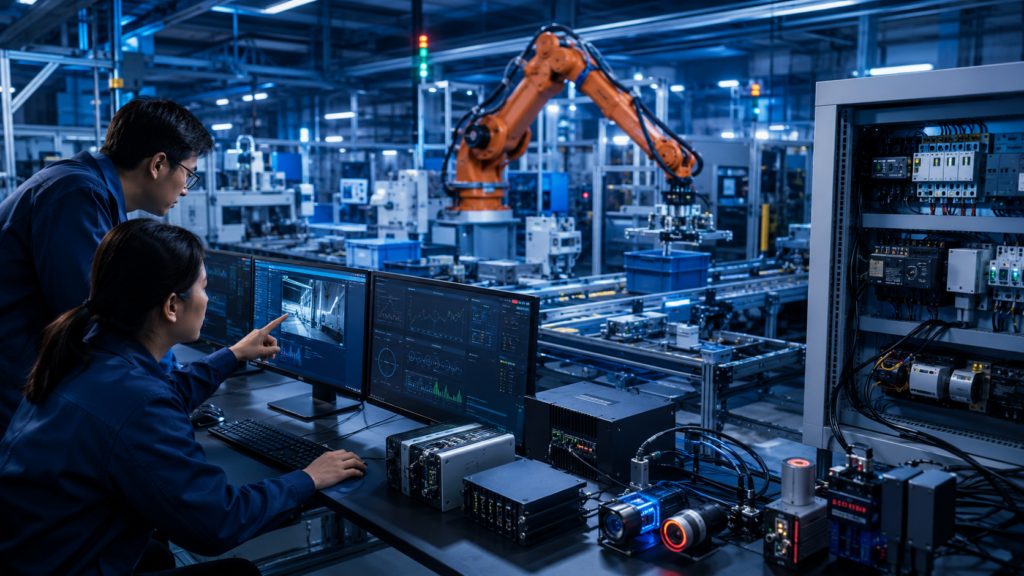
Industrial computers process AI inference, машинное зрение, данные датчика, and machine events near production equipment.
Обзор отрасли
Automation Is Moving from Rule-Based Control to Intelligent Decision-Making
Traditional automation systems are often based on fixed logic.
ПЛК, датчики, моторы, реле, конвейеры, and machine controllers perform defined actions according to programmed rules. This approach is reliable and widely used, but it has limitations when production environments become more complex.
Modern factories increasingly need systems that can recognize images, классифицировать дефекты, обнаружить аномальные закономерности, monitor equipment behavior, and adapt to variable production conditions.
AI computing automation helps bridge this gap.
It brings AI inference, обработка изображений, sensor analysis, and local decision support into the automation layer.
AI Is Becoming Practical on the Factory Floor
AI is no longer limited to research labs or cloud analytics platforms.
В промышленных условиях, AI is increasingly used for practical production tasks such as:
- Visual defect detection
- Product classification
- Проверка сборки
- Распознавание штрих-кода и OCR
- Наведение робота
- Прогностическое обслуживание
- Мониторинг безопасности
- Обнаружение аномалий процесса
- Sorting and routing control
- Анализ энергопотребления
- Production quality monitoring
These applications require reliable local computing hardware.
The AI platform must operate near machines, process data quickly, and communicate with automation equipment in a stable way.
Industrial Computing Is the Foundation
An AI automation system depends on more than AI software.
It needs a stable hardware platform that can connect industrial devices, run AI workloads, управлять данными, and operate continuously in real factory environments.
Промышленные компьютеры и встроенные компьютеры обеспечивают эту основу..
Они могут поддерживать интерфейсы камеры, промышленный ввод-вывод, несколько портов локальной сети, последовательная связь, SSD-накопитель, вывод дисплея, интерфейсы расширения, и надежный монтаж.
This makes them suitable for AI-enabled production lines, OEM machines, роботизированные системы, industrial IoT nodes, and factory edge computing platforms.

Данные нескольких камер, сенсорные сети, Связь с ПЛК, робототехника, давление хранения, and cabinet deployment affect AI automation reliability.
Ключевые проблемы
Matching AI Workloads with Real Production Needs
AI workloads vary widely across automation systems.
A simple barcode recognition station may only need moderate CPU performance. A multi-camera defect detection line may require stronger CPU, графический процессор, память, хранилище, and network bandwidth.
Common AI automation workloads include:
- Обнаружение объектов
- Классификация изображений
- Сегментация дефектов
- Распознавание OCR
- Обнаружение аномалий
- Прогностическое обслуживание
- Robot vision
- Датчик слияния
- Видеоаналитика
- Process data analysis
The industrial computer must be selected according to the actual workload, не только общие характеристики.
Real-Time Response Requirements
Automation systems often require fast response.
Если обработка AI задерживается, the system may fail to reject a defective product, guide a robot, stop an abnormal process, or trigger an alarm in time.
Требования реального времени могут появиться в:
- Визуальный осмотр
- Конвейерная сортировка
- Robot picking
- Проверка упаковки
- High-speed camera systems
- Мониторинг безопасности
- Production line alarms
- Machine fault detection
An AI computing automation platform must provide stable sustained performance during continuous operation.
Industrial Device Integration
AI platforms must connect with real equipment.
A factory automation system may include PLCs, датчики, роботы, контроллеры движения, камеры, контроллеры освещения, считыватели штрих-кодов, шлюзы, промышленные переключатели, и локальные базы данных.
The AI computer may need to receive trigger signals, обрабатывать изображения, send results to PLCs, загрузить записи в МЧС, and display information on an HMI.
Important integration requirements may include:
- локальная сеть
- USB
- RS232
- RS485
- GPIO
- Цифровой вход
- Цифровой выход
- HDMI
- ДисплейПорт
- М.2
- PCIe
Without the right I/O design, AI automation projects become harder to deploy and maintain.
Пропускная способность данных и нагрузка на хранилище
AI automation systems can generate large amounts of data.
Камеры высокого разрешения, 3Д-сенсоры, видеопотоки, Журналы ПЛК, изображения дефектов, файлы модели, and production records can place pressure on both storage and network systems.
The industrial computer may need to handle:
- Потоки данных камеры
- Temporary image buffering
- AI inference outputs
- Локальные базы данных
- Defect image storage
- История датчика
- Производственные журналы
- Model files
- MES or cloud uploads
Скорость хранения, емкость, and write endurance should be considered early in the system design.
Reliability in Factory Environments
Factory environments are not the same as office environments.
AI automation computers may be installed near machines, внутри шкафов управления, на производственных линиях, inside inspection systems, or next to robotic cells.
Эти места могут включать вибрацию., пыль, изменение температуры, электрический шум, ограниченный поток воздуха, движение кабеля, и непрерывная работа.
Industrial-grade hardware helps reduce the risk of downtime, unstable performance, and maintenance problems.

Industrial computers connect AI workloads, оборудование автоматизации, локальные базы данных, облачные системы, и заводские программные платформы.
AI Computing Automation Solution Architecture
Уровень устройств и сбора данных
The device layer includes all production equipment and data sources connected to the AI computing platform.
Этот слой может включать в себя:
- Промышленные камеры
- 3D-камеры
- Высокоскоростные камеры
- ПЛК
- Датчики
- Контроллеры движения
- Роботы
- Считыватели штрих-кодов
- Контроллеры освещения
- Испытательное оборудование
- Промышленные шлюзы
- Счетчики энергии
Эти устройства генерируют необработанные данные, необходимые для вывода ИИ., мониторинг, проверка качества, и автоматизация управления.
Уровень промышленных вычислений искусственного интеллекта
The industrial AI computing layer is the core of the system.
На этом слое, the industrial computer or embedded computer performs local processing.
It may:
- Получение изображений с камер
- Запуск моделей вывода ИИ
- Анализ данных датчиков
- Process PLC records
- Обнаружение дефектов или аномалий
- Calculate robot guidance data
- Результаты проверки магазина
- Send alarms or control signals
- Отображение локальных информационных панелей
- Загрузить выбранные данные в заводские системы
This local edge layer allows AI decisions to happen close to production equipment.
Уровень управления автоматизацией
The automation control layer connects AI results with physical equipment action.
ПЛК, контроллер робота, контроллер конвейера, or motion controller may trigger data capture and receive results from the AI computer.
Например, after an AI vision model detects a defect, промышленный компьютер может отправить сигнал сбоя в ПЛК. The PLC can then activate a reject mechanism or route the product for rework.
В роботизированных приложениях, the AI computer may calculate object position and send coordinates to a robot controller.
Уровень интеграции заводского программного обеспечения
AI automation systems need to connect with higher-level factory software.
The industrial computer may send results to:
- МЧС
- СКАДА
- ERP-система
- Качественные базы данных
- Панели управления производством
- Облачные платформы
- Системы технического обслуживания
- Промышленные IoT-платформы
Вместо отправки всех необработанных данных, the AI platform can process data locally and upload selected results, резюме, сигналы тревоги, or exception records.
This reduces bandwidth pressure and improves system efficiency.
Пользовательский интерфейс и уровень обслуживания
Операторам и инженерам нужен практичный интерфейс для мониторинга и обслуживания..
The AI computer may connect to a monitor, сенсорный экран, Панель ЧМИ, or local workstation.
Интерфейс может отображать:
- Live camera views
- Результаты обнаружения ИИ
- Статус машины
- Тревожные сообщения
- Производство имеет значение
- Изображения дефектов
- Сенсорные тенденции
- Статус модели
- Статус сети
- Системные журналы
A clear interface helps engineers maintain the AI system and respond quickly to production issues.
Ключевые особенности
Производительность вывода ИИ
AI computing automation requires stable inference performance.
Подходящее оборудование зависит от сложности модели., количество камер, sensor frequency, время цикла, and required response speed.
При выборе следует учитывать:
- Производительность процессора
- Поддержка графического процессора или ускорителя искусственного интеллекта
- Объем памяти
- Скорость хранения
- Расширение PCIe
- Расширение M.2
- Потребляемая мощность
- Тепловой расчет
- Поддержка операционной системы
- Совместимость с инфраструктурой искусственного интеллекта
Для легких рабочих нагрузок, встроенного компьютера может быть достаточно. For multi-camera vision or deep learning inference, an edge AI computer or industrial PC with acceleration may be required.
Несколько сетевых интерфейсов
Industrial AI systems often need multiple network connections.
Одна сеть может соединять камеры. Another may connect PLCs or machine controllers. A separate network may connect MES, СКАДА, или облачные системы.
Несколько портов LAN могут поддерживать:
- Разделение трафика камеры
- Машинная сетевая связь
- Заводское ИТ-подключение
- Удаленное обслуживание
- Data upload
- Сегментация безопасности
- Многолинейное развертывание
Network architecture should be planned before deployment to avoid traffic conflicts.
Гибкий промышленный ввод-вывод
The AI computer must connect with real automation devices.
Важные параметры ввода-вывода могут включать в себя:
- локальная сеть
- USB
- RS232
- RS485
- GPIO
- Цифровой вход
- Цифровой выход
- HDMI
- ДисплейПорт
- М.2
- PCIe
- SATA или NVMe хранилище
Flexible I/O reduces external converter usage and improves system reliability.
It also gives machine builders more freedom when integrating AI computing into different equipment platforms.
Прочная и безвентиляторная конструкция
Industrial automation systems often operate continuously.
Fanless computers reduce dust intake and remove one common mechanical failure point. Прочные корпуса защищают от вибрации, напряжение кабеля, и условия установки шкафа.
Однако, AI workloads can generate significant heat.
For high-performance systems, тепловой расчет должен быть тщательно проверен. Мощность процессора, GPU usage, конструкция корпуса, температура окружающей среды, расход воздуха, and mounting position all affect long-term stability.
Надежное хранение и буферизация данных
AI automation platforms may need local storage for images, журналы, файлы модели, данные датчика, записи о дефектах, и временные буферы.
Обычно предпочтение отдается твердотельным накопителям или хранилищам NVMe, поскольку они обеспечивают более быстрый доступ и лучшую ударопрочность, чем механические накопители..
Для приложений с большим объемом данных, the system design should review:
- Емкость хранилища
- Sustained write speed
- Напишите выносливость
- Стратегия резервного копирования
- Retention policy
- Потребности в локальной буферизации
- Рабочая нагрузка базы данных
- Поведение при прерывании сети
Reliable storage design helps prevent data loss and supports traceability.
Длительный жизненный цикл и ремонтопригодность
Automation systems may remain in production for many years.
Частые изменения в моделях компьютеров, водители, интерфейсы, или варианты расширения могут увеличить рабочую нагрузку по проверке и стоимость обслуживания..
Промышленные вычислительные платформы с планированием жизненного цикла помогают производителям и производителям OEM-оборудования поддерживать согласованность систем на нескольких линиях., заводы, и поколения оборудования.
This is especially important for scalable AI deployment.

AI computing platforms improve machine vision, профилактическое обслуживание, robot monitoring, отслеживаемость производства, and data-driven automation.
Сценарии развертывания
Инспекция машинного зрения с использованием искусственного интеллекта
AI machine vision is one of the most common automation applications.
An industrial computer can process images from cameras, запускать модели обнаружения дефектов, and send pass or fail results to PLCs or quality systems.
Приложения могут включать проверку электроники., проверка батареи, проверка упаковки, инспекция пищевых продуктов, фармацевтическая инспекция, и полупроводниковый АОИ.
Robotic Guidance and Picking
Robots can use AI vision to identify objects, найти детали, and adjust movement.
The AI computing platform can process camera images or 3D sensor data and send position information to robot controllers.
Это поддерживает выбор корзины, обработка деталей, проверка сборки, сортировка, и гибкое производство.
Прогнозируемое обслуживание
AI automation platforms can analyze equipment data from vibration sensors, датчики температуры, current sensors, моторы, насосы, и контроллеры станков.
The industrial computer can detect abnormal patterns and generate local alerts before equipment failure becomes more serious.
This helps maintenance teams improve machine availability.
Мониторинг производственной линии
AI can monitor production flow, product presence, состояние машины, and abnormal conditions.
The computing platform can process camera images, данные датчика, and PLC information to detect bottlenecks, недостающие части, line stoppages, или отклонения процесса.
This supports real-time production visibility.
Автоматизация упаковки
Packaging systems can use AI computing for label verification, распознавание штрих-кода, проверка печати, cap inspection, carton checking, and final package validation.
The industrial computer processes images locally and sends results to PLCs, механизмы отклонения, МЧС, or WMS systems.
This reduces packaging errors and improves traceability.
Logistics Sorting
Logistics automation can use AI and vision to identify parcels, читать штрих-коды, проверить этикетки, detect package abnormalities, and guide sorting mechanisms.
Встроенный компьютер может быть установлен внутри сканирующих туннелей., сортировочное оборудование, or conveyor control cabinets.
This supports faster and more accurate warehouse automation.
Обработка данных промышленного Интернета вещей
Industrial IoT systems collect data from machines, датчики, метры, ПЛК, и шлюзы.
An AI computing automation platform can aggregate this data, обработать его локально, обнаруживать аномалии, and send structured results to dashboards, МЧС, СКАДА, или облачные платформы.
This creates a practical bridge between shop-floor equipment and digital manufacturing software.
OEM Machine Integration
Machine builders can integrate AI computers into inspection machines, роботизированные системы, умные шлюзы, сортировочное оборудование, и автоматизированное производственное оборудование.
Вычислительная платформа может обеспечить вывод ИИ, обработка изображений, Дисплей ЧМИ, Связь с ПЛК, локальное хранилище, и вывод заводских данных.
This helps OEMs deliver intelligent equipment for smart manufacturing applications.
Преимущества для бизнеса
Более быстрое принятие решений на местном уровне
AI computing automation brings processing close to the production equipment.
This reduces latency and allows faster decisions for inspection, сортировка, наведение робота, сигналы тревоги, и мониторинг процессов.
Fast local response is important when production systems must act within short cycle times.
Уменьшенная зависимость от облака
Factories do not always need to send every image, видеопоток, или запись с датчика в облако.
An industrial computer can process data locally and upload only useful results, например, будильники, записи о дефектах, резюме, или выбранные изображения.
This reduces bandwidth load and improves production resilience.
Improved Automation Flexibility
AI computing allows automation systems to handle more complex and variable conditions.
Instead of relying only on fixed rules, systems can use visual recognition, обнаружение аномалий, and intelligent classification.
This helps factories automate tasks that are difficult to solve with traditional logic alone.
Более надежная отслеживаемость производства
AI automation data can be linked with product IDs, заказы на работу, результаты проверки, состояние машины, временные метки, идентификаторы станций, and defect images.
Это обеспечивает более надежную прослеживаемость для анализа качества., улучшение процесса, аудит клиентов, и производственная ответственность.
Reliable industrial hardware helps ensure that this data is collected and transferred consistently.
Better Equipment Utilization
AI computing platforms can analyze machine data and detect abnormal conditions earlier.
Predictive maintenance and process monitoring can help reduce unexpected downtime and support better maintenance planning.
This helps manufacturers improve equipment availability and production efficiency.
Масштабируемое интеллектуальное производство
A standardized AI computing platform makes it easier to deploy automation intelligence across multiple machines, линии, и заводы.
Согласованное оборудование упрощает образы программного обеспечения, управление водителем, планирование запасных частей, обучение техническому обслуживанию, и поддержка жизненного цикла.
This helps manufacturers move from small AI pilots to scalable production systems.
Почему CoreIPC
CoreIPC предоставляет промышленные вычислительные платформы для периферийного искусственного интеллекта, машинное зрение, промышленная автоматизация, робототехника, и встроенная системная интеграция. For AI computing automation applications, CoreIPC специализируется на надежном промышленном компьютерном оборудовании., встроенные компьютерные решения, гибкие конфигурации ввода-вывода, компактная конструкция системы, и поддержка настройки OEM/ODM. CoreIPC помогает системным интеграторам, машиностроители, и производственные группы выбирают вычислительные платформы, соответствующие реальным требованиям развертывания, включая рабочую нагрузку ИИ, интерфейсы камеры, сетевой дизайн, автоматизация связи, потребности в хранении, способы крепления, потребляемая мощность, термические условия, и планирование жизненного цикла.
Часто задаваемые вопросы
1. What is an AI computing platform for automation?
An AI computing platform for automation is an industrial computer or embedded computer used to run AI workloads near machines and production equipment.
Он может обрабатывать изображения с камеры, данные датчика, PLC records, and machine events. It may also run AI inference models, обнаруживать дефекты, направляющие роботы, trigger alarms, и загрузить выбранные данные в МЧС, СКАДА, или облачные платформы.
2. Why use an industrial computer for AI computing automation?
Промышленный компьютер предназначен для развертывания на заводе..
Он поддерживает непрерывную работу, прочный монтаж, промышленный ввод-вывод, несколько сетевых интерфейсов, возможность подключения камеры, надежное хранение, и доступность в течение длительного жизненного цикла. These features make it more suitable than a standard office PC for AI automation systems installed near machines, конвейеры, роботы, и шкафы управления.
3. How is an embedded computer used in automation AI systems?
Встроенный компьютер может быть установлен внутри инспекционных машин., роботизированные клетки, умные шлюзы, упаковочные системы, сортировочное оборудование, or production cabinets.
Он может выполнять вывод AI, обрабатывать изображения, общаться с ПЛК, отображать локальные результаты, and send data to factory software. Its compact design makes it useful for OEM equipment and space-limited installations.
4. What AI workloads can automation computers support?
AI automation computers can support visual inspection, обнаружение дефектов, оптическое распознавание текста, распознавание штрих-кода, наведение робота, профилактическое обслуживание, обнаружение аномалий, мониторинг производства, видеоаналитика, и обработка данных промышленного Интернета вещей.
Точная рабочая нагрузка зависит от производительности процессора., Поддержка графического процессора или ускорителя искусственного интеллекта, объем памяти, скорость хранения, полоса пропускания камеры, и совместимость программного обеспечения.
5. Does an AI automation platform need a GPU?
Некоторым рабочим нагрузкам ИИ требуется поддержка графического процессора или ускорителя ИИ., especially for high-resolution machine vision, многокамерный осмотр, видеоаналитика, или сложные модели глубокого обучения.
Другие приложения могут работать на промышленных компьютерах на базе ЦП, если модель легкая и время цикла умеренное.. Hardware should be selected based on real model testing and production requirements.
6. What interfaces are important for AI computing automation?
Важные интерфейсы могут включать несколько портов LAN., USB 3.0, RS232, RS485, GPIO, цифровой вход, цифровой выход, HDMI, ДисплейПорт, М.2, PCIe, САТА, и поддержка хранилища NVMe.
Эти интерфейсы поддерживают камеры, датчики, ПЛК, роботы, контроллеры освещения, считыватели штрих-кодов, промышленные шлюзы, устройства хранения данных, и местные дисплеи.
7. Can fanless industrial computers support AI automation?
Fanless industrial computers can support many AI automation workloads, especially moderate vision, сбор данных, and edge processing tasks.
Однако, high-performance AI inference may generate significant heat. Мощность процессора, GPU or accelerator usage, конструкция корпуса, поток воздуха в шкафу, температура окружающей среды, и метод монтажа следует рассмотреть перед окончательным выбором оборудования..
8. How does AI computing automation connect with PLCs?
The AI computer can connect with PLCs through Ethernet, последовательная связь, цифровой ввод/вывод, or supported automation software interfaces.
A PLC may trigger image capture or send machine status to the AI computer. После обработки, компьютер с искусственным интеллектом может вернуть пропуск, неудача, тревога, позиция, or classification results to the PLC for production action.
9. Can AI automation systems connect with MES or SCADA?
Да. Промышленные компьютеры могут отправлять результаты искусственного интеллекта, производственные данные, сигналы тревоги, протоколы проверок, and equipment status to MES, СКАДА, качественные базы данных, или информационные панели.
This connects machine-side intelligence with higher-level manufacturing systems. It also supports traceability, мониторинг производства, и улучшение процессов.
10. What should be tested before deploying an AI automation computer?
Перед развертыванием, систему следует протестировать на реальных камерах, датчики, ПЛК, модели искусственного интеллекта, время производственного цикла, рабочая нагрузка хранилища, сетевая архитектура, и длительная эксплуатация.
Термическая стабильность, I/O reliability, локальная буферизация, загрузка данных, and maintenance access should also be validated. Это помогает снизить риск во время развертывания производства..
Заключение
An AI computing automation platform is a practical foundation for bringing machine vision, Вывод ИИ, sensor analytics, наведение робота, профилактическое обслуживание, and industrial IoT processing closer to production equipment.
By using an industrial computer or embedded computer near cameras, датчики, ПЛК, роботы, конвейеры, и производственные системы, производители могут обрабатывать данные локально, уменьшить задержку, improve automation flexibility, and strengthen factory traceability.
Правильную платформу следует выбирать в соответствии с реальными требованиями к развертыванию., включая рабочую нагрузку ИИ, интерфейс камеры, Конфигурация ввода/вывода, сетевой дизайн, потребности в хранении, требования к расширению, метод монтажа, потребляемая мощность, термические условия, поддержка операционной системы, и планирование жизненного цикла.
CoreIPC supports AI computing automation projects with industrial computing platforms designed for practical factory and equipment deployment. С правильной аппаратной основой, производители и машиностроители могут создавать надежные, масштабируемый, and data-driven automation systems for smart manufacturing.
Связаться с нами
Ищу промышленный компьютер, встроенный компьютер, or edge AI platform for AI computing automation?
Свяжитесь с CoreIPC, чтобы обсудить требования вашего проекта, включая рабочую нагрузку ИИ, интерфейс камеры, сетевая архитектура, Конфигурация ввода/вывода, дизайн хранилища, автоматизация связи, метод монтажа, потребляемая мощность, операционная среда, потребности жизненного цикла, и варианты настройки OEM/ODM.