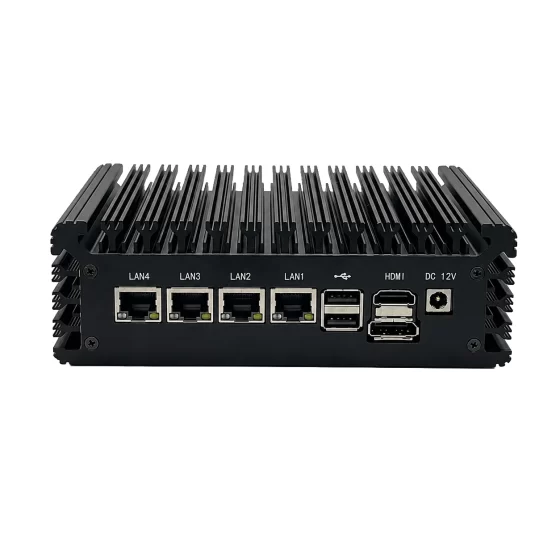
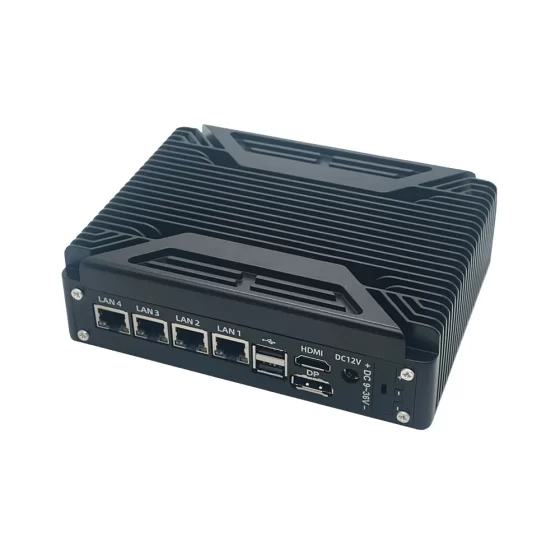
Решения CoreIPC для промышленных вычислений

Система обработки искусственного интеллекта в реальном времени: Обработка ИИ в реальном времени для промышленной автоматизации
Управляющее резюме
Система обработки ИИ в реальном времени обеспечивает основу промышленных вычислений для быстрого вывода ИИ., машинный визуальный осмотр, роботизированное наведение, мониторинг процесса, обнаружение дефектов, и реакция автоматизации в современных производственных средах.
Многие промышленные приложения искусственного интеллекта требуют принятия решений в очень короткие сроки.. Системе технического зрения может потребоваться отбраковать дефектный продукт до того, как он покинет станцию контроля.. Роботизированной ячейке могут потребоваться данные о положении объекта перед следующим циклом движения.. Системе мониторинга может потребоваться обнаружить ненормальное поведение оборудования, прежде чем оно приведет к простою..
Промышленный компьютер или встроенный компьютер может выполнять локальную обработку искусственного интеллекта рядом с камерами., датчики, ПЛК, роботы, конвейеры, и машины. Это помогает уменьшить задержку, более низкая зависимость от сети, и повысить надежность производства.
По сравнению с облачной обработкой ИИ, Периферийные системы искусственного интеллекта в режиме реального времени позволяют фабрикам обрабатывать данные локально и отправлять только полезные результаты., сигналы тревоги, резюме, или выбранные записи в MES, СКАДА, качественные базы данных, или облачные платформы.
По сравнению со стандартными коммерческими ПК, промышленные компьютеры лучше подходят для развертывания на заводе, поскольку они имеют прочную механическую конструкцию., гибкий ввод-вывод, стабильная сеть, надежное хранение, безвентиляторные варианты, и поддержка длительного жизненного цикла.
В этой статье объясняется, как работают системы обработки искусственного интеллекта в реальном времени., с какими проблемами внедрения сталкиваются производители, как структурирована архитектура решения, и какие аппаратные функции имеют значение при выборе промышленного компьютера или встроенного компьютера для рабочих нагрузок искусственного интеллекта в реальном времени..
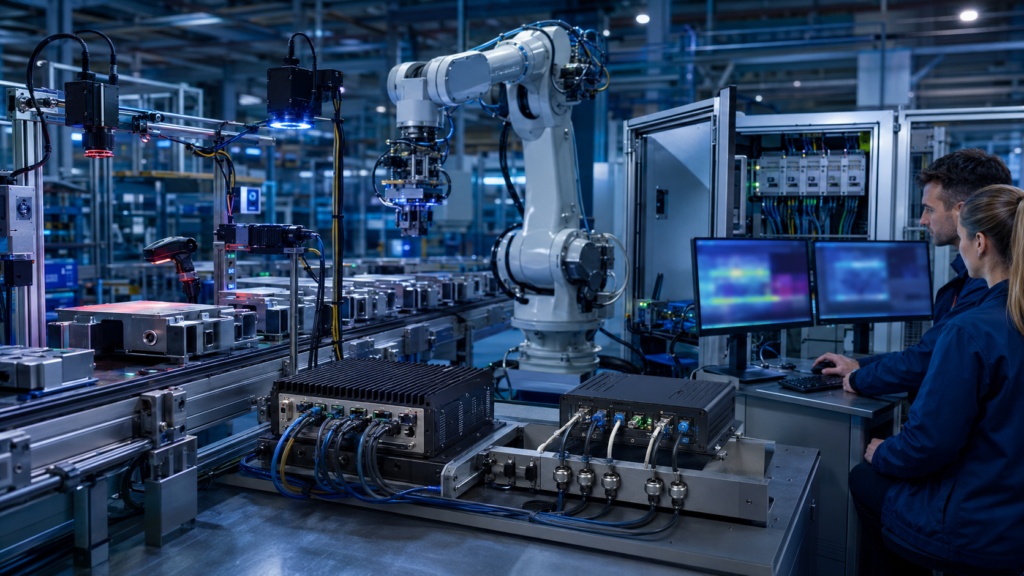
Развертывание фабрики искусственного интеллекта в реальном времени
Обзор отрасли
ИИ переходит от автономного анализа к производству в реальном времени
Ранние промышленные проекты искусственного интеллекта часто фокусировались на автономном анализе..
Изображения, журналы датчиков, или производственные записи были собраны сначала и проанализированы позже. Этот подход полезен для инженерной экспертизы., разработка модели, и изучение процесса.
Однако, современные фабрики все чаще нуждаются в искусственном интеллекте для поддержки живого производства.
ИИ в реальном времени может помочь с:
- Отказ от дефекта
- Машинное зрение
- Наведение робота
- Конвейерная сортировка
- Распознавание штрих-кода и OCR
- Предупреждения о профилактическом обслуживании
- Осведомленность о зоне безопасности
- Мониторинг оборудования
- Обнаружение аномалий процесса
- Проверка упаковки
- Логистическая маршрутизация
Этим приложениям требуется локальное вычислительное оборудование, способное быстро обрабатывать данные и надежно взаимодействовать с системами автоматизации..
Почему важна обработка в реальном времени
В промышленной автоматизации, задержка может напрямую повлиять на производственные результаты.
Если вывод ИИ слишком медленный, дефектный продукт может пройти точку отбраковки. Если данные наведения робота поступают с опозданием, робот может пропустить правильное окно комплектации. Если сигнал тревоги оборудования задерживается, команды технического обслуживания могут отреагировать слишком поздно.
Обработка ИИ в реальном времени помогает преобразовывать данные в действия в рамках производственного цикла..
Система должна обрабатывать захват изображений, предварительная обработка, вывод модели, расчет результата, хранение данных, и связь с ПЛК, достаточно быстрая для приложения.
Промышленные вычисления — это основа аппаратного обеспечения
Система искусственного интеллекта, работающая в реальном времени, зависит не только от модели.
Ему необходимо стабильное промышленное вычислительное оборудование, способное непрерывно выполнять рабочие нагрузки ИИ., подключение к промышленным устройствам, управлять данными, и работать в реальных заводских условиях.
Промышленные компьютеры и встроенные компьютеры обеспечивают эту основу..
Они могут поддерживать интерфейсы камеры, несколько портов локальной сети, USB-подключение, последовательные порты, GPIO, цифровой ввод/вывод, SSD или NVMe-хранилище, вывод дисплея, и модули расширения.
Это делает их пригодными для проверки искусственного интеллекта на стороне машины., роботизированные клетки, автоматизированные системы сортировки, мониторинг производства, и интеллектуальное оборудование OEM.

Проблемы развертывания ИИ в реальном времени
Ключевые проблемы
Вывод искусственного интеллекта с малой задержкой
Системы искусственного интеллекта в реальном времени должны быстро обрабатывать данные.
Требуемое время ответа зависит от приложения. Высокоскоростной линии контроля могут потребоваться результаты в течение миллисекунд или короткого производственного цикла.. Система профилактического обслуживания может обеспечивать более длительные окна анализа, но все равно требует своевременных предупреждений..
Задержка может происходить из нескольких этапов:
- Захват изображения
- Отбор проб с датчика
- Передача данных
- Предварительная обработка
- Вывод модели ИИ
- Постобработка
- Связь с ПЛК
- Хранение результатов
- Сетевая загрузка
Промышленный компьютер необходимо выбирать в соответствии с полным конвейером обработки., не только сама модель ИИ.
Обработка данных из нескольких источников
Системы искусственного интеллекта в реальном времени часто собирают данные из многих источников..
Одно развертывание может включать камеры., датчики, ПЛК, роботы, считыватели штрих-кодов, контроллеры движения, и производственные базы данных.
Общие источники данных включают в себя:
- Промышленные камеры
- 3D-камеры
- Высокоскоростные камеры
- Датчики вибрации
- Датчики температуры
- сигналы ПЛК
- Контроллеры роботов
- Конвейерные энкодеры
- Считыватели штрих-кодов
- Счетчики энергии
- Контроллеры станков
Компьютер должен собирать и обрабатывать эти данные без нестабильного времени или узких мест в связи..
Пропускная способность камеры и стабильность кадра
Машинное зрение — одно из наиболее распространенных приложений искусственного интеллекта в реальном времени..
Полоса пропускания камеры должна быть тщательно спланирована. Система, использующая несколько камер высокого разрешения, может генерировать большие потоки данных, требующие стабильной локальной сети., USB, PCIe, или поддержка захвата кадров.
Важные факторы включают в себя:
- Количество камер
- Разрешение
- Частота кадров
- Битовая глубина изображения
- Тип интерфейса
- Время срабатывания триггера
- Разделение сети
- Скорость хранения
- Рабочая нагрузка по выводам ИИ
Мощный процессор не сможет решить проблему, если изображения не будут получены надежно..
Интеграция промышленного управления
Результаты ИИ в реальном времени должны быть связаны с производственными действиями.
Возможно, системе потребуется отправить пропуск, неудача, тревога, позиция, классификация, или маршрутизация результатов в ПЛК, роботы, конвейеры, механизмы отклонения, или системы SCADA.
Для этого необходима надежная промышленная связь.
Полезные интерфейсы могут включать в себя:
- локальная сеть
- RS232
- RS485
- GPIO
- Цифровой вход
- Цифровой выход
- USB
- HDMI
- ДисплейПорт
- М.2
- PCIe
Правильная конфигурация ввода-вывода уменьшает количество внешних преобразователей и повышает надежность системы..
Долгосрочная стабильность при постоянной рабочей нагрузке
Системы искусственного интеллекта в реальном времени часто работают в несколько смен..
Компьютер может работать внутри шкафа, возле производственной линии, внутри инспекционной машины, или рядом с роботизированной ячейкой.
Эти среды могут включать в себя вибрацию., пыль, нагревать, электрический шум, ограниченный поток воздуха, и напряжение кабеля.
Аппаратное обеспечение промышленного уровня помогает поддерживать стабильную работу в условиях непрерывной рабочей нагрузки искусственного интеллекта и заводских условиях..

Архитектура обработки ИИ в реальном времени
Архитектура решения системы обработки искусственного интеллекта в реальном времени
Уровень сбора данных
Уровень сбора данных захватывает изображения, значения датчиков, состояние машины, и производственные сигналы.
Этот слой может включать в себя:
- Камеры
- Датчики
- ПЛК
- Роботы
- Кодеры
- Контроллеры освещения
- Считыватели штрих-кодов
- Контроллеры движения
- Промышленные шлюзы
- Производственное оборудование
Качество и время получения этих данных напрямую влияют на производительность ИИ в реальном времени..
Если сбор данных нестабильен, Результаты ИИ могут задерживаться, неполный, или ненадежный.
Уровень промышленных периферийных вычислений
Уровень промышленных периферийных вычислений — это место, где промышленный компьютер или встроенный компьютер выполняет локальную обработку..
На этом слое, система может:
- Получать изображения с камеры
- Сбор данных датчиков
- Выполнить вывод ИИ
- Алгоритмы машинного зрения процессов
- Обнаружение дефектов или аномалий
- Рассчитать координаты робота
- Отправка результатов в ПЛК
- Хранить локальные записи
- Отображать информационные панели
- Загрузить выбранные данные
Этот уровень снижает зависимость от удаленных серверов и позволяет ИИ принимать решения рядом с оборудованием..
Слой вывода ИИ
Уровень вывода AI содержит модели и среду выполнения..
В зависимости от приложения, оно может включать в себя:
- Модели обнаружения объектов
- Модели обнаружения дефектов
- модели оптического распознавания символов
- Модели сегментации
- Модели обнаружения аномалий
- Модели прогнозного обслуживания
- Модели видеоаналитики
- Логика объединения датчиков
Вычислительная платформа должна поддерживать необходимую операционную систему., водители, Структура искусственного интеллекта, SDK камеры, Модули графического процессора или ускорителя, и программное обеспечение для промышленной связи.
Уровень ответа автоматизации
Уровень реагирования автоматизации соединяет результаты искусственного интеллекта с реальными производственными действиями..
Например:
- Результат дефекта запускает механизм отклонения.
- Робот получает координаты объекта.
- Конвейер-сортировщик получает информацию о полосах.
- Система мониторинга отправляет сигнал тревоги.
- ПЛК получает сигнал «пройдено» или «не пройдено».
- Панель мониторинга отображает статус производства.
Этот уровень превращает обработку ИИ в практическую ценность автоматизации..
Уровень интеграции заводских данных
Системы искусственного интеллекта в реальном времени также должны подключаться к программному обеспечению более высокого уровня..
Промышленный компьютер может отправлять выбранные записи в:
- МЧС
- СКАДА
- ERP-система
- Качественные базы данных
- WMS
- Облачные платформы
- Панели мониторинга промышленного Интернета вещей
- Платформы обслуживания
- Краеведческие системы
Вместо загрузки всех необработанных данных, система может загружать результаты, исключения, сигналы тревоги, изображения, резюме, и записи прослеживаемости.
Ключевые особенности
Производительность ИИ в реальном времени
Наиболее важной особенностью является стабильная производительность в реальном времени..
Система должна обрабатывать данные в течение необходимого времени цикла..
При выборе следует учитывать:
- Производительность процессора
- Поддержка графического процессора или ускорителя искусственного интеллекта
- Объем памяти
- Полоса пропускания камеры
- Скорость хранения
- Задержка сети
- Сложность модели ИИ
- Поддержка операционной системы
- Тепловой расчет
- Долгосрочная стабильность
Для легких рабочих нагрузок, встроенного компьютера может быть достаточно. Для многокамерных систем или систем глубокого обучения, может потребоваться периферийный компьютер с искусственным интеллектом или промышленный ПК с более сильным ускорением..
Несколько интерфейсов камер и датчиков
Платформы искусственного интеллекта в реальном времени должны поддерживать надежное подключение устройств..
Полезные аппаратные опции могут включать в себя:
- USB 3.0
- Несколько портов LAN
- 2.5Варианты GbE или 10GbE
- RS232
- RS485
- GPIO
- Цифровой вход
- Цифровой выход
- Расширение PCIe
- Расширение M.2
- HDMI или DisplayPort
Эти интерфейсы поддерживают камеры, датчики, контроллеры освещения, ПЛК, считыватели штрих-кодов, роботы, и местные дисплеи.
Локальное хранилище и буферизация данных
Системы искусственного интеллекта в реальном времени могут генерировать множество записей.
Компьютер может хранить:
- Изображения дефектов
- Журналы вывода
- Видеоклипы
- История датчика
- Локальные базы данных
- Файлы моделей AI
- Записи тревог
- Производственные отчеты
- Временные буферы
Обычно предпочтение отдается твердотельным накопителям или хранилищам NVMe, поскольку они обеспечивают быстрый доступ и лучшую ударопрочность, чем механические накопители..
Для приложений с большим объемом данных, емкость хранения, устойчивая скорость записи, писать выносливость, и стратегию резервного копирования следует тщательно пересмотреть..
Разделение сети
Системам реального времени часто требуется несколько сетей..
Одна сеть может соединять камеры. Другой может подключать ПЛК. Другой может подключить MES или облачные системы.
Несколько портов LAN могут поддерживать:
- Разделение трафика камеры
- Машинная сетевая связь
- Заводское ИТ-подключение
- Удаленное обслуживание
- Загрузка в облако
- Сегментация безопасности
- Многолинейное развертывание
Хорошая сетевая архитектура уменьшает конфликты трафика и повышает стабильность системы..
Прочная и безвентиляторная конструкция
Безвентиляторные промышленные компьютеры полезны во многих развертываниях искусственного интеллекта в реальном времени..
Они уменьшают попадание пыли и устраняют одну распространенную точку механического отказа..
Однако, Рабочие нагрузки ИИ могут выделять тепло. Для высокопроизводительных систем искусственного интеллекта, тепловое планирование важно.
Дизайнерам следует пересмотреть:
- Рабочая нагрузка процессора
- Использование графического процессора или ускорителя
- Температура окружающей среды
- Воздушный поток в шкафу
- Конструкция корпуса
- Способ монтажа
- Входная мощность
- Прокладка кабеля
Стабильная тепловая конструкция помогает поддерживать стабильную производительность ИИ.
Длительный жизненный цикл и ремонтопригодность
Системы искусственного интеллекта реального времени часто становятся частью производственной инфраструктуры..
Частые замены оборудования могут создать проблемы с проверкой программного обеспечения искусственного интеллекта., драйверы камеры, Драйверы графического процессора, операционные системы, и интерфейсы автоматизации.
Промышленные вычислительные платформы с планированием жизненного цикла помогают производителям и производителям оборудования поддерживать согласованные системы на нескольких машинах., линии, и заводские площадки.

Производственные операции с искусственным интеллектом в реальном времени
Сценарии развертывания
Визуальный контроль в режиме реального времени
Обработка ИИ в реальном времени широко используется для проверки машинного зрения..
Система захватывает изображения, запускает вывод ИИ, обнаруживает дефекты, и отправляет результаты «пройдено» или «не пройдено» в ПЛК.
Приложения включают проверку электроники, проверка упаковки, инспекция пищевых продуктов, фармацевтическая инспекция, проверка батареи, и полупроводниковый АОИ.
Роботизированное наведение
Роботы могут использовать обработку искусственного интеллекта в реальном времени для распознавания объектов, локализация детали, сбор мусора, и осмотр.
Промышленный компьютер обрабатывает данные камеры или 3D-датчика и отправляет координаты контроллеру робота..
Это поддерживает гибкую автоматизацию и более быстрое роботизированное принятие решений..
Конвейерная сортировка
Сортировочные системы требуют быстрых решений.
Компьютер с искусственным интеллектом может распознавать продукты, посылки, этикетки, штрих-коды, или категории объектов и отправлять информацию о маршрутизации в ПЛК или дивертеры..
Это полезно в логистике, упаковка, выполнение электронной коммерции, и обработка производственных материалов.
Предупреждения о профилактическом обслуживании
Искусственный интеллект в реальном времени может анализировать данные машины на основе вибрации, температура, текущий, давление, или статус ПЛК.
Система может обнаруживать аномальные закономерности и генерировать оповещения локально..
Это помогает командам технического обслуживания раньше реагировать на проблемы с оборудованием..
Видеоаналитика
Промышленная видеоаналитика может контролировать производственный поток, помещения оборудования, зоны безопасности, логистическое движение, или удаленные объекты.
Промышленный компьютер локально обрабатывает видеопотоки и отправляет в системы мониторинга только записи событий или оповещения..
Это снижает нагрузку на сеть и улучшает время отклика..
Проверка упаковки
Упаковочные линии часто требуют быстрой проверки этикеток., штрих-коды, коды дат, кепки, печати, коробки, и конечное качество упаковки.
Система обработки искусственного интеллекта в режиме реального времени может проверять каждую упаковку и инициировать действия по отклонению через связь с ПЛК..
Это помогает уменьшить количество ошибок при доставке и улучшить отслеживаемость..
Периферийная обработка промышленного Интернета вещей
Развертывания промышленного Интернета вещей могут использовать искусственный интеллект в реальном времени для анализа данных датчиков рядом с машинами..
Встроенный компьютер может собирать данные, обнаруживать аномалии, буферные записи, и загружать выбранные результаты на информационные панели или облачные платформы.
Это поддерживает более интеллектуальный мониторинг оборудования и прозрачность производства..
OEM интеллектуальное оборудование
Производители машин могут интегрировать компьютеры с искусственным интеллектом в режиме реального времени в инспекционные машины, роботизированные системы, умные шлюзы, сортировочное оборудование, и автоматизированное производственное оборудование.
Вычислительная платформа может обеспечить вывод ИИ, обработка изображений, Связь с ПЛК, локальное хранилище, Дисплей ЧМИ, и вывод заводских данных.
Преимущества для бизнеса
Более быстрые производственные решения
Обработка ИИ в реальном времени позволяет принимать решения рядом с производственным оборудованием..
Это уменьшает задержку и помогает системе реагировать в течение необходимого времени цикла..
Быстрая локальная обработка ценна для проверки, сортировка, наведение робота, мониторинг, и сигналы тревоги.
Уменьшенная зависимость от облака
Фабрикам не нужно отправлять каждое изображение, видеопоток, или запись с датчика в облако.
Промышленный компьютер может обрабатывать данные локально и загружать только выбранные результаты..
Это снижает использование полосы пропускания и повышает устойчивость производства..
Улучшенный контроль качества
Искусственный интеллект в реальном времени помогает обнаруживать дефекты раньше и более последовательно..
Система может проверять продукцию во время производства и инициировать немедленные действия при появлении дефектов..
Это снижает риск качества на последующих этапах производства и способствует более строгому контролю производства..
Улучшенная интеграция автоматизации
Промышленные компьютеры могут связывать результаты искусственного интеллекта с ПЛК, роботы, конвейеры, датчики, и заводское ПО.
Это превращает модели искусственного интеллекта в практические системы автоматизации..
Результатом может стать более быстрый контроль брака., лучшее управление роботом, автоматическая сортировка, и улучшенный мониторинг.
Более надежная отслеживаемость
Результаты ИИ могут быть связаны с идентификаторами продуктов., временные метки, категории дефектов, изображения, идентификаторы станций, версии модели, и производственные записи.
Это создает полезную отслеживаемость для аудитов., инженерная экспертиза, анализ качества, и улучшение процессов.
Масштабируемое развертывание умной фабрики
Стандартизированная платформа обработки ИИ в реальном времени упрощает развертывание ИИ на нескольких линиях., машины, и заводы.
Согласованное оборудование упрощает образы программного обеспечения, проверка драйвера, планирование запасных частей, обучение техническому обслуживанию, и поддержка жизненного цикла.
Это помогает производителям перейти от пилотных проектов ИИ к масштабируемому производственному развертыванию..
Почему CoreIPC
CoreIPC предоставляет промышленные вычислительные платформы для периферийного искусственного интеллекта, машинное зрение, промышленная автоматизация, робототехника, и встроенная системная интеграция. Для приложений обработки ИИ в реальном времени, CoreIPC специализируется на надежном промышленном компьютерном оборудовании., встроенные компьютерные решения, гибкие конфигурации ввода-вывода, компактная конструкция системы, возможность локального хранения, и поддержка настройки OEM/ODM. CoreIPC помогает системным интеграторам, машиностроители, и производители выбирают вычислительные платформы, соответствующие реальным требованиям развертывания, включая рабочую нагрузку ИИ, интерфейсы камеры, сетевой дизайн, Связь с ПЛК, потребности в хранении, способы крепления, потребляемая мощность, термические условия, и планирование жизненного цикла.
Часто задаваемые вопросы
1. Что такое система обработки искусственного интеллекта в реальном времени?
Система обработки ИИ в режиме реального времени использует локальное вычислительное оборудование для выполнения выводов ИИ и получения результатов в течение необходимого производственного окна..
Он может обрабатывать изображения с камеры, значения датчиков, данные ПЛК, видеопотоки, или данные зрения робота. Затем система отправляет результаты на оборудование автоматизации., информационные панели, или заводское ПО.
2. Зачем использовать промышленный компьютер для обработки искусственного интеллекта в реальном времени?
Промышленный компьютер предназначен для непрерывной работы в заводских условиях..
Он поддерживает надежную установку, промышленный ввод-вывод, возможность подключения камеры, надежная сеть, локальное хранилище, и длительный жизненный цикл развертывания. Эти функции делают его подходящим для систем искусственного интеллекта в реальном времени, установленных рядом с машинами., конвейеры, роботы, и инспекционные станции.
3. Как встроенный компьютер используется в системах искусственного интеллекта реального времени?
Встроенный компьютер может быть установлен внутри машины., системы контроля, шкафы управления, или компактное оборудование автоматизации.
Он может собирать данные, запустить вывод ИИ, общаться с ПЛК, отображать локальные результаты, и загрузить выбранные записи. Его компактный размер полезен для производителей оборудования и распределенных периферийных развертываний..
4. Каким приложениям нужна обработка ИИ в реальном времени?
Приложения включают инспекцию машинного зрения., роботизированное наведение, конвейерная сортировка, проверка упаковки, видеоаналитика, профилактическое обслуживание, распознавание штрих-кода, мониторинг безопасности, и промышленная периферийная обработка IoT.
Любое приложение, которому необходимы быстрые решения ИИ рядом с производственным оборудованием, может получить выгоду от обработки ИИ в реальном времени..
5. Требует ли обработка искусственного интеллекта в реальном времени графического процессора??
Не всегда. Некоторые легкие модели искусственного интеллекта могут работать на промышленных компьютерах на базе ЦП..
Для изображений с высоким разрешением может потребоваться графический процессор или ускоритель искусственного интеллекта., несколько камер, видеоаналитика, модели глубокого обучения, или строгие требования ко времени цикла. Аппаратное обеспечение следует выбирать на основе тестирования реальной модели..
6. Какие интерфейсы важны для компьютеров искусственного интеллекта реального времени?
Важные интерфейсы могут включать несколько портов LAN., USB 3.0, 2.5Нести, 10Нести, RS232, RS485, GPIO, цифровой вход, цифровой выход, HDMI, ДисплейПорт, М.2, PCIe, САТА, и поддержка хранилища NVMe.
Эти интерфейсы помогают подключать камеры, датчики, ПЛК, роботы, контроллеры освещения, сигналы тревоги, и заводские сети.
7. Могут ли безвентиляторные промышленные компьютеры поддерживать искусственный интеллект в реальном времени??
Безвентиляторные промышленные компьютеры могут поддерживать множество умеренных рабочих нагрузок искусственного интеллекта в реальном времени..
Однако, высокопроизводительный вывод ИИ, многокамерная обработка, или рабочие нагрузки на базе графического процессора могут выделять значительное количество тепла. нагрузка процессора, использование ускорителя, поток воздуха в шкафу, температура окружающей среды, и метод установки следует проверить перед развертыванием.
8. Как ИИ в реальном времени соединяется с ПЛК?
Компьютер с искусственным интеллектом может обмениваться данными с ПЛК через Ethernet., последовательная связь, цифровой ввод/вывод, или поддерживаемые интерфейсы промышленного программного обеспечения.
ПЛК может запускать захват изображения или отправлять статус машины.. После обработки, компьютер с искусственным интеллектом может вернуть пропуск, неудача, тревога, позиция, или результаты классификации.
9. Могут ли системы искусственного интеллекта реального времени подключаться к MES или SCADA??
Да. Промышленные компьютеры могут отправлять результаты искусственного интеллекта, сигналы тревоги, протоколы проверок, производственные данные, и статус системы в MES, СКАДА, качественные базы данных, информационные панели, или облачные платформы.
Это связывает решения ИИ на стороне оборудования с производственными процессами более высокого уровня..
10. Что следует протестировать перед развертыванием?
Перед развертыванием, систему следует протестировать на реальных камерах, датчики, модели искусственного интеллекта, Связь с ПЛК, время производственного цикла, рабочая нагрузка хранилища, сетевая архитектура, и длительная эксплуатация.
Термическая стабильность, задержка вывода, получение кадров, Ответ ввода-вывода, локальная буферизация, и загрузка данных также должна быть проверена.
Заключение
Система обработки ИИ в реальном времени является практической основой для промышленных приложений ИИ, требующих низкой задержки., локальный вывод, ответ автоматизации, и надежное развертывание на периферии.
Разместив промышленный компьютер или встроенный компьютер рядом с камерами., датчики, ПЛК, роботы, конвейеры, и производственные системы, производители могут обрабатывать данные локально, уменьшить зависимость от облака, улучшить время отклика, и свяжите результаты искусственного интеллекта с реальными производственными процессами.
Правильную платформу следует выбирать в соответствии с реальными требованиями к развертыванию., включая рабочую нагрузку ИИ, интерфейс камеры, вход датчика, Конфигурация ввода/вывода, сетевая архитектура, потребности в хранении, требования к расширению, метод монтажа, потребляемая мощность, термические условия, поддержка операционной системы, и планирование жизненного цикла.
CoreIPC поддерживает проекты обработки искусственного интеллекта в реальном времени с помощью промышленных вычислительных платформ, предназначенных для практического развертывания предприятий и оборудования.. С правильной аппаратной основой, производители и машиностроители могут создавать надежные, масштабируемый, и готовые к производству системы искусственного интеллекта для интеллектуального производства.
Связаться с нами
Ищу промышленный компьютер, встроенный компьютер, или периферийная платформа искусственного интеллекта для обработки искусственного интеллекта в реальном времени.?
Свяжитесь с CoreIPC, чтобы обсудить требования вашего проекта, включая рабочую нагрузку ИИ, интерфейс камеры, вход датчика, Связь с ПЛК, сетевой дизайн, потребности в хранении, метод монтажа, потребляемая мощность, операционная среда, потребности жизненного цикла, и варианты настройки OEM/ODM.