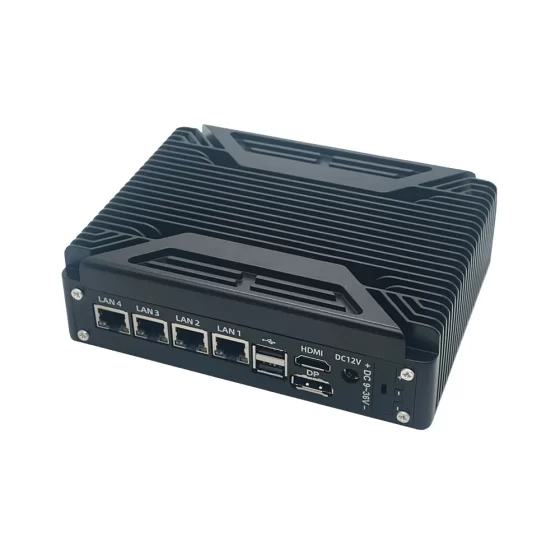
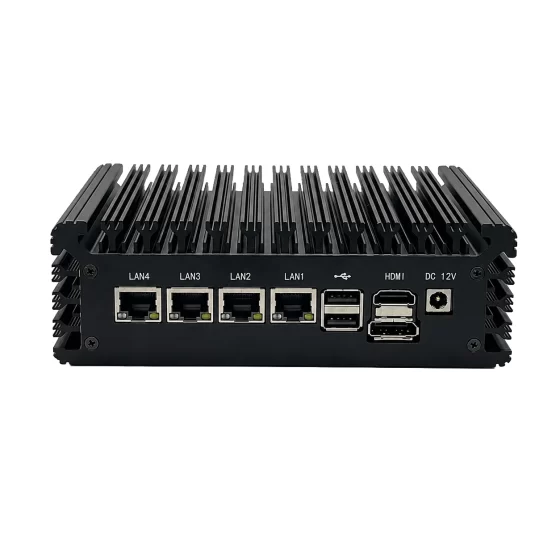
Решения CoreIPC для промышленных вычислений

Периферийный искусственный интеллект для умных городов: Edge AI Умные городские вычисления для городской инфраструктуры
Управляющее резюме
Системы умного города Edge AI обеспечивают локальную вычислительную основу для интеллектуального транспорта, мониторинг общественной инфраструктуры, городская видеоаналитика, экологическое зондирование, умное освещение, мониторинг коммунальных услуг, и подключенные городские операции.
Современные города генерируют большие объемы данных с камер, датчики, системы дорожного движения, точки доступа, контроллеры освещения, счетчики энергии, общественные объекты, и сети связи. Если все необработанные данные отправляются напрямую на централизованные облачные платформы, городские операторы могут столкнуться с высокой загрузкой полосы пропускания, задержка ответа, нагрузка на хранилище данных, и зависимость от доступности сети.
Промышленный компьютер или встроенный компьютер, развернутый на периферии, может обрабатывать данные ближе к источнику.. Он может анализировать потоки камер, собирать данные датчиков, запускать модели вывода ИИ, генерировать локальные оповещения, буферные записи, и отправить выбранную информацию на платформы управления городом, системы дорожного движения, командные центры, или облачные панели мониторинга.
По сравнению со стандартными коммерческими ПК, промышленные компьютеры лучше подходят для развертывания на окраинах умных городов, поскольку они поддерживают установку в защищенных условиях., широкая гибкость ввода-вывода, стабильная сеть, варианты безвентиляторного дизайна, надежное хранение, и доступность в течение длительного жизненного цикла.
В этой статье объясняется, как работают периферийные вычисления умного города с искусственным интеллектом., какие проблемы с развертыванием возникают в городских условиях, как структурирована архитектура решения, и какие аппаратные функции имеют значение при выборе промышленного компьютера или встроенного компьютера для приложений «умного города».
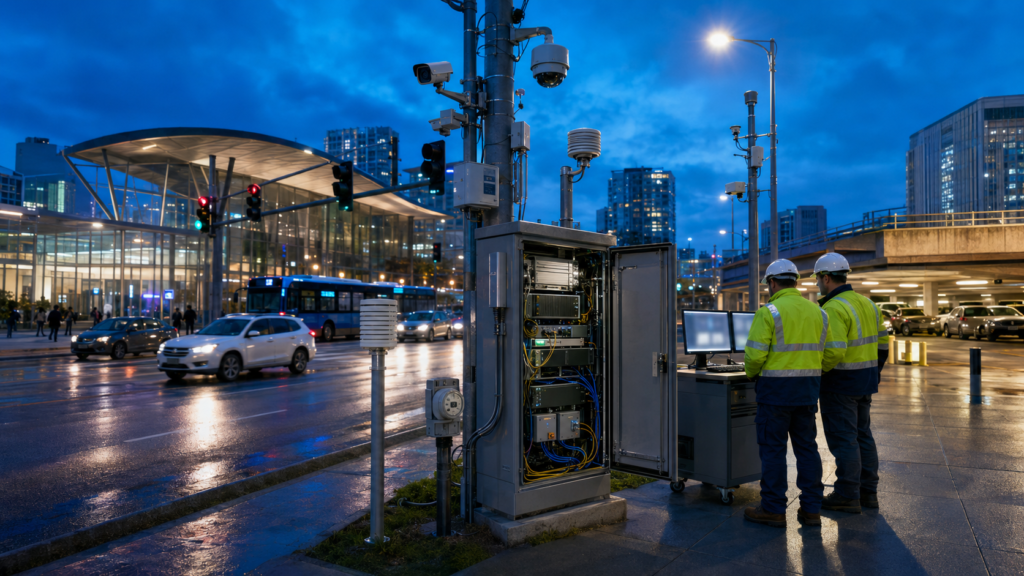
Развертывание Edge AI в умном городе
Обзор отрасли
Города становятся все более управляемыми данными
Проекты умных городов зависят от подключенной инфраструктуры.
Транспортные развязки, общественные здания, парковки, инженерные системы, логистические зоны, транзитные станции, системы освещения, и точки экологического мониторинга могут генерировать полезные оперативные данные.
Эти данные могут поддержать:
- Мониторинг транспортных потоков
- Придорожная видеоаналитика
- Умная парковка
- Мониторинг общественной безопасности
- Экологическое зондирование
- Умное управление освещением
- Энергетический мониторинг
- Управление объектом
- Оптимизация сбора мусора
- Мониторинг состояния инфраструктуры
- Поддержка реагирования на чрезвычайные ситуации
Однако, сбор данных – это только первый шаг.
Городам нужны практичные системы, способные быстро обрабатывать данные, уменьшить ненужную передачу, и поддерживать принятие решений на местном уровне.
Почему Edge AI важен для умных городов
Централизованные облачные платформы полезны для долгосрочного анализа., многосайтовые информационные панели, и общегородское управление.
Однако, многие приложения умного города получают выгоду от локальной обработки.
Дорожной камере может потребоваться быстро обнаружить заторы или ненормальные дорожные условия.. Общественному учреждению могут потребоваться местные экологические оповещения.. Удаленный объект инфраструктуры может нуждаться в постоянном мониторинге, даже если сетевые соединения нестабильны..
Edge AI помогает, обрабатывая данные рядом с камерами, датчики, и городское оборудование.
Вместо загрузки каждого кадра или необработанного значения датчика, система может отправлять обработанные события, резюме, оповещения, и избранные записи.
Промышленные вычисления — это основа аппаратного обеспечения
Устройства Smart City Edge можно устанавливать в уличных шкафах, придорожные системы, транспортные узлы, общественные здания, подсобные помещения, парковки, и распределенные сайты мониторинга.
Эти среды могут включать пыль, изменение температуры, вибрация, электрический шум, нестабильная мощность, ограниченный доступ для обслуживания, и непрерывная работа.
Промышленные компьютеры и встраиваемые компьютеры обеспечивают более подходящую аппаратную основу, чем стандартные офисные ПК..
Они поддерживают промышленные сети, прочные корпуса, локальное хранилище, гибкий ввод-вывод, возможности беспроводного расширения, и длительный жизненный цикл развертывания.

Проблемы развертывания искусственного интеллекта в Smart City Edge
Ключевые проблемы
Распределенное развертывание на многих сайтах
Системы умного города обычно распределены.
Проект может включать в себя множество пересечений., станции мониторинга, парковки, хозяйственные шкафы, транзитные узлы, и удаленные объекты.
В каждой локации может быть разное пространство., власть, сеть, и условия окружающей среды.
Это создает требования к компактному аппаратному обеспечению., стабильное крепление, удаленное обслуживание, и последовательный дизайн платформы.
Стандартизированная промышленная компьютерная платформа может помочь упростить развертывание на многих объектах..
Большие объемы данных видео и датчиков
Многие приложения «умного города» используют видео..
Камеры дорожного движения, камеры видеонаблюдения, парковочные камеры, и камеры мониторинга инфраструктуры могут генерировать большие потоки данных.
Сенсорные системы также могут генерировать непрерывные данные от устройств контроля качества воздуха., метеостанции, счетчики энергии, датчики вибрации, водные системы, и контроллеры освещения.
Периферийному компьютеру с искусственным интеллектом может потребоваться обработка:
- Несколько потоков с камер
- Сбор данных датчиков
- Вывод ИИ
- Локальное хранилище событий
- Сетевая загрузка
- Связь с приборной панелью
- Локальная буферизация
- Мониторинг состояния системы
Оборудование должно выбираться в соответствии с реальным количеством камер., Рабочая нагрузка ИИ, политика хранения, и сетевой дизайн.
Локальный ответ с малой задержкой
Некоторые приложения умного города требуют быстрого местного реагирования..
Примеры включают обнаружение дорожно-транспортных происшествий., придорожные оповещения, мониторинг доступа, обнаружение неисправностей оборудования, или сигнализация коммунальных систем.
Если данные должны быть переданы на удаленный сервер перед анализом, ответ может задержаться.
Системы умного города Edge AI сокращают задержку, обрабатывая данные локально и отправляя только полезные результаты на платформы более высокого уровня..
Это делает систему более практичной для чувствительных ко времени приложений городской инфраструктуры..
Надежность сети и контроль пропускной способности
Развертывание умных городов может опираться на оптоволокно, сотовый, частные сети, или смешанные методы общения.
Доступность сети может зависеть от местоположения.
Граничный компьютер должен поддерживать локальную буферизацию данных, чтобы записи не терялись во время временных сбоев в работе сети..
Контроль пропускной способности также важен.
Загрузка каждого необработанного видеопотока из многих мест может быть дорогостоящей и неэффективной.. Локальный анализ ИИ помогает сократить передачу данных за счет загрузки клипов событий, метаданные, оповещения, и резюме.
Безопасность и управление данными
Системы «умного города» могут обрабатывать конфиденциальную инфраструктуру и операционные данные.
При проектировании системы следует учитывать контроль доступа, сегментация сети, сохранение данных, правила удаленного обслуживания, и безопасная передача данных.
Периферийный компьютер с искусственным интеллектом может располагаться между сетями камер, сенсорные сети, городские платформы, и облачные системы.
Несколько портов LAN, контролируемое соединение, и методы безопасного развертывания помогают улучшить организацию сети и управление данными..

Edge AI Архитектура умного города
Архитектура решения Edge AI для умного города
Уровень устройств и датчиков
Уровень устройств и датчиков включает в себя устройства городской инфраструктуры, которые генерируют данные..
Этот слой может включать в себя:
- Камеры дорожного движения
- IP-камеры
- Промышленные камеры
- Датчики окружающей среды
- Счетчики энергии
- Умные контроллеры освещения
- Датчики парковки
- Устройства контроля доступа
- Датчики погоды
- Придорожное оборудование
- Устройства мониторинга коммунальных услуг
- Коммуникационные шлюзы
Эти устройства предоставляют необработанные данные, необходимые для местной обработки ИИ и управления городом..
Уровень периферийных вычислений ИИ
Уровень периферийных вычислений ИИ — это место, где промышленный компьютер или встроенный компьютер выполняет локальную обработку..
На этом слое, система может:
- Получать потоки с камеры
- Сбор данных датчиков
- Запуск моделей вывода ИИ
- Обнаружение дорожного движения или событий на объекте
- Обработка экологических данных
- Хранить локальные записи
- Буферизация данных во время проблем с сетью
- Генерировать оповещения
- Отображать локальный статус
- Отправьте выбранные данные на городские платформы
Этот уровень уменьшает задержку и помогает системам умного города оставаться работоспособными даже при изменении условий сети..
Слой ИИ-аналитики
Уровень аналитики ИИ содержит модели программного обеспечения и логику, используемые для интерпретации данных..
В зависимости от приложения, оно может включать в себя:
- Обнаружение объектов
- Подсчет транспортных средств
- Анализ перегрузок
- Обнаружение парковочного места
- Обнаружение экологических аномалий
- Мониторинг состояния оборудования
- Видеоаналитика
- Анализ энергопотребления
- Классификация событий
- Логика оповещений на основе правил
Промышленный компьютер должен поддерживать требуемую операционную систему., среда выполнения ИИ, программное обеспечение камеры, средства связи, и приложения для управления данными.
Коммуникационный и платформенный уровень
Периферийная система искусственного интеллекта соединяет местную инфраструктуру с общегородскими программными платформами..
Он может отправлять выбранные данные в:
- Платформы умного города
- Системы управления дорожным движением
- Системы общественной безопасности
- Платформы управления объектами
- Системы энергоменеджмента
- Облачные панели мониторинга
- Местные командные центры
- Платформы обслуживания
- Промышленные системы Интернета вещей
Вместо отправки всех необработанных данных, система может загружать оповещения, обработанные значения, выбранные изображения, видеоклипы, статистика, и записи статуса.
Уровень обслуживания и удаленного управления
Устройства умного города часто разбросаны по многим местам..
Бригадам технического обслуживания необходима практическая информация о состоянии системы..
Периферийный компьютер с искусственным интеллектом может поддерживать:
- Локальный мониторинг здоровья
- Отчеты о состоянии хранилища
- Отчеты о состоянии сети
- Статус подключения камеры
- Удаленное обновление программного обеспечения
- Сбор журналов
- Обзор оповещений
- Доступ к локальной панели управления
Это помогает снизить нагрузку на полевое обслуживание и поддерживает масштабируемость работы..
Ключевые особенности
Производительность вывода ИИ
Рабочие нагрузки ИИ на окраинах умных городов сильно различаются.
Небольшому узлу мониторинга окружающей среды может потребоваться умеренная производительность ЦП.. Многокамерная система придорожной аналитики может потребовать более тщательной обработки., ускорение графического процессора, или поддержка ускорителя искусственного интеллекта.
При выборе следует учитывать:
- Количество камер
- Разрешение видео
- Частота кадров
- Сложность модели ИИ
- Частота обновления датчика
- Рабочая нагрузка хранилища
- Частота загрузки сети
- Необходимость локальной информационной панели
- Поддержка операционной системы
Платформу следует выбирать исходя из реальной рабочей нагрузки и условий развертывания..
Несколько сетевых интерфейсов
Краевым системам «умного города» часто требуется несколько сетевых подключений..
Несколько портов LAN могут помочь разделить:
- Сеть камер
- Сенсорная сеть
- Локальная сеть технического обслуживания
- Подключение городской платформы
- Загрузка в облако
- Сеть удаленного доступа
Разделение сетей может улучшить управление трафиком и уменьшить ненужное воздействие между системами..
Для придорожного и шкафного размещения, стабильная сеть является одним из наиболее важных требований к оборудованию.
Гибкий промышленный ввод-вывод
Приложения «умного города» могут подключаться ко многим типам устройств.
Полезные параметры ввода-вывода могут включать в себя:
- локальная сеть
- USB
- RS232
- RS485
- GPIO
- Цифровой вход
- Цифровой выход
- HDMI
- ДисплейПорт
- М.2
- PCIe
- SATA или NVMe хранилище
Эти интерфейсы могут поддерживать камеры, датчики, метры, контролеры, шлюзы, дисплеи, сигнальные устройства, и беспроводные модули.
Гибкий ввод-вывод снижает потребность во внешних преобразователях и делает развертывание более надежным..
Локальное хранилище и буферизация данных
Системам умного города Edge AI может потребоваться локальное хранилище.
Компьютер может хранить:
- Изображения событий
- Видеоклипы
- История датчика
- Файлы моделей AI
- Журналы тревог
- Системные журналы
- Локальные базы данных
- Временные буферы загрузки
Обычно предпочтение отдается твердотельным накопителям или хранилищам NVMe, поскольку они обеспечивают быстрый доступ и лучшую ударопрочность, чем механические накопители..
При проектировании хранилища следует учитывать срок хранения., писать выносливость, метод резервного копирования, и поведение при прерывании сети.
Прочная и безвентиляторная конструкция
Компьютеры «умного города» могут быть установлены в шкафах, аппаратные комнаты, придорожные ящики, транспортные средства, и инфраструктурные объекты.
Безвентиляторная конструкция помогает уменьшить попадание пыли и устранить одну распространенную точку механического отказа..
Прочные корпуса помогают защитить систему от вибрации., напряжение кабеля, и условия установки на месте.
Тепловой расчет следует тщательно проанализировать., специально для уличных шкафов, зоны с высокой температурой, или рабочие нагрузки искусственного интеллекта с использованием ускорителей.
Длительный жизненный цикл и ремонтопригодность
Инфраструктурные проекты умного города часто рассчитаны на многие годы..
Частые изменения оборудования могут создать проблемы с проверкой программного обеспечения., проблемы с обслуживанием, и проблемы с запчастями.
Промышленные вычислительные платформы с планированием жизненного цикла помогают системным интеграторам и городским операторам поддерживать согласованное развертывание на многих объектах..
Это особенно важно для масштабных проектов умного города и инфраструктуры..

Операции с искусственным интеллектом на границе умного города
Сценарии развертывания
Интеллектуальный мониторинг трафика
Мониторинг дорожного движения — одно из наиболее распространенных приложений умного города с искусственным интеллектом..
Периферийный компьютер с искусственным интеллектом может обрабатывать потоки камер возле перекрестков, дороги, или транспортных коридоров.
Он может поддерживать подсчет транспортных средств, обнаружение перегрузок, мониторинг полосы движения, обнаружение дорожно-транспортных происшествий, и локальное оповещение.
Обработанные данные могут быть отправлены на платформы управления дорожным движением или командные центры..
Умные парковочные системы
Умные системы парковки используют камеры или датчики для определения занятости места., въезд транспортного средства, и поток парковки.
Встроенный компьютер может локально обрабатывать данные о парковке и отправлять выбранную информацию на платформы управления парковками..
Это обеспечивает лучшую видимость парковки и уменьшает ненужную передачу данных..
Мониторинг общественных объектов
Общественные здания, станции, кампусы, и сервисные центры могут использовать периферийный искусственный интеллект для оперативного мониторинга..
Система может анализировать видео, датчики окружающей среды, данные доступа, и состояние оборудования объекта.
Промышленные компьютеры обеспечивают локальную обработку и надежную обработку данных для управления распределенными объектами..
Экологический мониторинг
Города могут использовать периферийные вычисления для мониторинга качества воздуха, температура, влажность, шум, водные условия, и другие факторы окружающей среды.
Встроенный компьютер может собирать данные датчиков, запустить обнаружение локальных аномалий, хранить записи, и загружать сводные данные на экологические панели мониторинга..
Это поддерживает распределенную экологическую осведомленность..
Умное освещение и управление энергопотреблением
Умные системы освещения могут использовать периферийные компьютеры для сбора данных с контроллеров освещения., счетчики энергии, и датчики окружающей среды.
Система может поддерживать логику местного управления., анализ энергопотребления, обнаружение неисправностей, и отчетность.
Это помогает городским операторам повысить энергоэффективность и оперативность технического обслуживания..
Мониторинг транспортных узлов
Транспортные узлы, такие как станции, склады, логистические терминалы, и парковки могут использовать периферийный искусственный интеллект для видеоаналитики., мониторинг потока, доступ к осведомленности, и мониторинг состояния оборудования.
Промышленные компьютеры могут обрабатывать локальные данные и отправлять выбранные события на платформы управления..
Это обеспечивает более безопасную и эффективную работу..
Мониторинг инженерной инфраструктуры
Коммунальные объекты могут включать в себя системы водоснабжения., оборудование распределения электроэнергии, насосные станции, шкафы связи, или оборудование объекта.
Компьютеры Edge AI могут собирать данные датчиков, контролировать состояние оборудования, генерировать оповещения, и буферизовать записи локально.
Это помогает поддерживать работу удаленной инфраструктуры..
Интеграция OEM-оборудования умного города
Системные интеграторы и производители оборудования могут интегрировать промышленные компьютеры или встроенные платы в устройства умного города..
Примеры включают придорожные AI-боксы., шлюзы анализа трафика, системы экологического мониторинга, умные контроллеры освещения, парковочные системы, и устройства мониторинга инфраструктуры.
Вычислительная платформа может обеспечить вывод ИИ, возможность подключения устройства, локальное хранилище, и общение на платформе.
Преимущества для бизнеса
Более быстрое принятие решений на местном уровне
Edge AI обрабатывает данные вблизи городской инфраструктуры.
Это уменьшает задержку между захватом события и ответом..
Быстрая локальная обработка полезна для дорожных событий., инфраструктурная сигнализация, мониторинг объектов, и экологические оповещения.
Сокращение использования полосы пропускания
Системы «умного города» могут генерировать большие объемы необработанных видео и данных датчиков..
Компьютеры Edge AI могут анализировать данные локально и загружать только выбранную информацию..
Это может включать оповещения, статистика, метаданные, клипы событий, и краткие отчеты.
Сокращение передачи необработанных данных делает крупномасштабное развертывание более эффективным..
Повышенная операционная устойчивость
Локальная периферийная обработка снижает зависимость от постоянного подключения к облаку.
Если сеть прервана, периферийный компьютер может продолжить локальный анализ, хранить записи, и данные загрузки буфера.
Это повышает устойчивость распределенной городской инфраструктуры..
Улучшенная видимость инфраструктуры
Системы умного города Edge AI помогают операторам видеть, что происходит на дорогах, удобства, коммунальные услуги, парковки, и общественная инфраструктура.
Преобразуя необработанные данные в полезные события и сводки, городские команды могут реагировать быстрее и более эффективно управлять активами.
Более строгий контроль данных
Локальная обработка данных может помочь уменьшить объем необработанных данных, покидающих сайт..
Это поддерживает лучший контроль данных и позволяет разработчикам систем определять, что хранится., что загружено, кто может получить к нему доступ, и как долго хранятся записи.
Масштабируемое развертывание умного города
Стандартизированная платформа периферийных вычислений ИИ упрощает развертывание приложений «умного города» во многих местах..
Согласованное оборудование упрощает образы программного обеспечения, проверка драйвера, планирование запасных частей, обучение техническому обслуживанию, и поддержка жизненного цикла.
Это помогает системным интеграторам масштабироваться от пилотных проектов до более широкого общегородского развертывания..
Почему CoreIPC
CoreIPC предоставляет промышленные вычислительные платформы для периферийного искусственного интеллекта, промышленный Интернет вещей, умный транспорт, машинное зрение, и встроенная системная интеграция. Для приложений умного города с искусственным интеллектом, CoreIPC специализируется на надежном промышленном компьютерном оборудовании., встроенные компьютерные решения, гибкие конфигурации ввода-вывода, развертывание в нескольких сетях, компактная конструкция системы, и поддержка настройки OEM/ODM. CoreIPC помогает системным интеграторам, поставщики инфраструктурных решений, и производители оборудования выбирают вычислительные платформы, соответствующие реальным требованиям развертывания, включая количество камер, Рабочая нагрузка ИИ, сенсорные интерфейсы, сетевой дизайн, потребности в хранении, способы крепления, потребляемая мощность, термические условия, и планирование жизненного цикла.
Часто задаваемые вопросы
1. Что такое периферийный ИИ для умных городов?
Edge AI для умных городов использует локальное вычислительное оборудование для обработки данных с камер, датчики, метры, и городская инфраструктура рядом с источником данных.
Вместо отправки всех необработанных данных на удаленный сервер, периферийный компьютер анализирует данные локально и отправляет выбранные результаты, оповещения, записи событий, или резюме на городские платформы.
2. Зачем использовать промышленный компьютер для искусственного интеллекта на окраине умного города?
Промышленный компьютер лучше подходит для развертывания умного города, поскольку он поддерживает надежную установку., непрерывная работа, несколько сетевых портов, гибкий ввод-вывод, надежное хранение, и доступность в течение длительного жизненного цикла.
Эти особенности важны для придорожных шкафов., транспортные узлы, общественные объекты, служебные объекты, и развертывание распределенной инфраструктуры.
3. Как встроенный компьютер используется в системах умного города?
Встроенный компьютер может быть установлен внутри придорожного оборудования., парковочные системы, станции экологического мониторинга, контроллеры освещения, хозяйственные шкафы, или шлюзы умного города.
Он может собирать локальные данные, запустить вывод ИИ, хранить записи, и загрузить выбранную информацию на платформы умного города.
4. Какие приложения для умного города могут превзойти поддержку ИИ?
Edge AI может поддерживать мониторинг трафика, умная парковка, экологическое зондирование, мониторинг общественных объектов, умное освещение, мониторинг коммунальных услуг, мониторинг транспортного узла, видеоаналитика, и осведомленность о состоянии инфраструктуры.
Точное применение зависит от подключенных устройств., У вас есть модель, сетевой дизайн, и требования к сайту.
5. Нужен ли ИИ на окраине умного города графический процессор?
Некоторым приложениям может потребоваться поддержка графического процессора или ускорителя искусственного интеллекта., особенно для многокамерной видеоаналитики или сложных моделей искусственного интеллекта.
Другие приложения, например, мониторинг датчиков или легкое обнаружение событий, может работать на встроенных компьютерах на базе ЦП. Аппаратное обеспечение следует выбирать на основе тестирования реальных рабочих нагрузок..
6. Какие интерфейсы важны для компьютеров на окраине умного города?
Важные интерфейсы могут включать несколько портов LAN., USB, RS232, RS485, GPIO, цифровой вход, цифровой выход, HDMI, ДисплейПорт, М.2, PCIe, САТА, и поддержка хранилища NVMe.
Эти интерфейсы помогают подключать камеры, датчики, метры, контроллеры освещения, шлюзы, дисплеи, и модули связи.
7. Могут ли безвентиляторные промышленные компьютеры поддерживать ИИ на окраине умного города??
Безвентиляторные промышленные компьютеры могут поддерживать множество приложений искусственного интеллекта на окраинах умных городов, поскольку они уменьшают попадание пыли и устраняют одну точку механического отказа..
Однако, Видеоаналитика с использованием искусственного интеллекта или размещение шкафов на открытом воздухе могут создать проблемы с температурой. Рабочая нагрузка процессора, использование ускорителя, поток воздуха в корпусе, температура окружающей среды, и метод монтажа должны быть тщательно проверены.
8. Как периферийный ИИ снижает использование пропускной способности умного города?
Периферийный компьютер локально обрабатывает данные камеры и датчиков..
Он загружает только полезную информацию, такую как оповещения., метаданные, клипы событий, статистика, или резюме. Это снижает необходимость отправлять все необработанные видео или данные датчиков на центральные платформы..
9. Могут ли системы умного города с искусственным интеллектом соединяться с облачными платформами??
Да. Промышленные компьютеры могут отправлять выбранные данные на облачные информационные панели, платформы умного города, системы дорожного движения, платформы управления объектами, или системы обслуживания.
Они также могут локально буферизовать данные во время сбоев в сети и загружать записи при восстановлении соединения..
10. Что следует протестировать перед развертыванием?
Перед развертыванием, систему следует протестировать на реальных камерах, датчики, сетевые подключения, модели искусственного интеллекта, рабочая нагрузка хранилища, локальные информационные панели, и длительная эксплуатация.
Термическая стабильность, буферизация данных, загрузить поведение, удаленный доступ для обслуживания, и условия окружающей среды также должны быть подтверждены.
Заключение
Вычисления умного города Edge AI — практическая основа для интеллектуального транспорта, умная парковка, экологический мониторинг, управление общественными объектами, умное освещение, мониторинг коммунальных услуг, и распределенная городская инфраструктура.
Разместив промышленный компьютер или встроенный компьютер рядом с камерами., датчики, метры, контролеры, и инфраструктурные устройства, города могут обрабатывать данные локально, уменьшить использование полосы пропускания, улучшить время отклика, и поддерживать лучшую операционную прозрачность.
Правильная платформа умного города с искусственным интеллектом должна выбираться в соответствии с реальными требованиями к развертыванию., включая количество камер, Рабочая нагрузка ИИ, сенсорные интерфейсы, сетевая архитектура, Конфигурация ввода/вывода, потребности в локальном хранилище, метод монтажа, потребляемая мощность, термические условия, поддержка операционной системы, и планирование жизненного цикла.
CoreIPC поддерживает проекты умного города с использованием искусственного интеллекта с помощью промышленных вычислительных платформ, предназначенных для практической инфраструктуры и развертывания на местах.. С правильной аппаратной основой, системные интеграторы и производители оборудования могут создавать надежные, масштабируемый, и решения для умного города на основе данных.
Связаться с нами
Ищу промышленный компьютер, встроенный компьютер, или периферийная платформа искусственного интеллекта для приложений «умного города»?
Свяжитесь с CoreIPC, чтобы обсудить требования вашего проекта, включая количество камер, Рабочая нагрузка ИИ, интерфейс датчика, сетевая архитектура, дизайн хранилища, Конфигурация ввода/вывода, метод монтажа, потребляемая мощность, операционная среда, потребности жизненного цикла, и варианты настройки OEM/ODM.