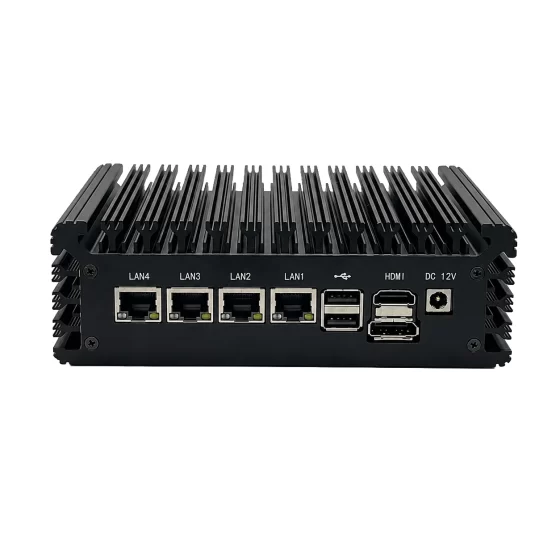
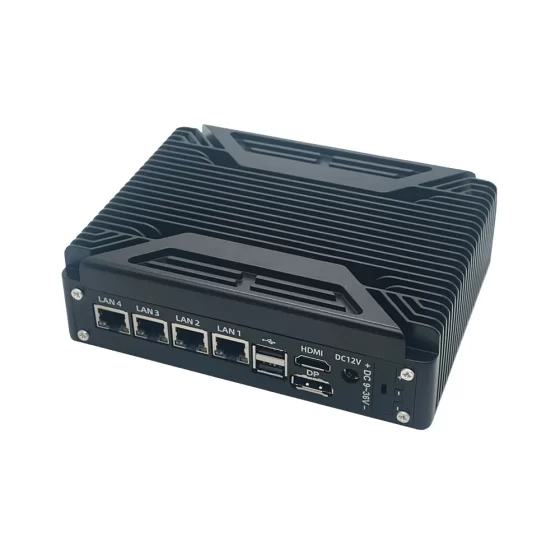
Решения CoreIPC для промышленных вычислений

Вычислительная платформа AI Vision: Платформа AI Vision для промышленного контроля и автоматизации
Управляющее резюме
Платформа машинного зрения обеспечивает основу промышленных вычислений для контроля машинного зрения., обнаружение дефектов, распознавание объектов, роботизированное наведение, проверка упаковки, и контроль качества продукции.
Современные фабрики используют больше камер, датчики, модели искусственного интеллекта, и системы автоматизации для повышения точности контроля и прозрачности производства.. Вместо того, чтобы полагаться только на ручную проверку или простые системы технического зрения, основанные на правилах., производители могут использовать зрение искусственного интеллекта для обнаружения сложных дефектов, классифицировать продукты, распознавать ярлыки, направляющие роботы, и соединить результаты проверки с заводским программным обеспечением.
Промышленный компьютер или встроенный компьютер действует как локальная вычислительная платформа искусственного интеллекта.. Он получает данные изображения с камер., запускает модели вывода ИИ, взаимодействует с ПЛК и роботами, протоколы проверок магазинов, и загружает выбранные результаты в MES, качественные базы данных, СКАДА-системы, или облачные платформы.
По сравнению со стандартными коммерческими ПК, промышленные компьютеры лучше подходят для развертывания на заводе, поскольку они имеют прочную конструкцию, гибкий ввод-вывод, стабильная сеть, безвентиляторные варианты, надежное хранение, и поддержка длительного жизненного цикла.
Вычислительная платформа искусственного интеллекта может быть использована в производстве электроники, проверка полупроводников, производство аккумуляторов, упаковочные линии, пищевая промышленность, фармацевтическая инспекция, логистическая сортировка, роботизированные клетки, и общепромышленная автоматизация.
В этой статье объясняется, как работают платформы искусственного интеллекта., с какими проблемами внедрения сталкиваются производители, как структурирована архитектура решения, и какие аппаратные функции важны при выборе промышленного компьютера или встроенного компьютера для приложений искусственного интеллекта.
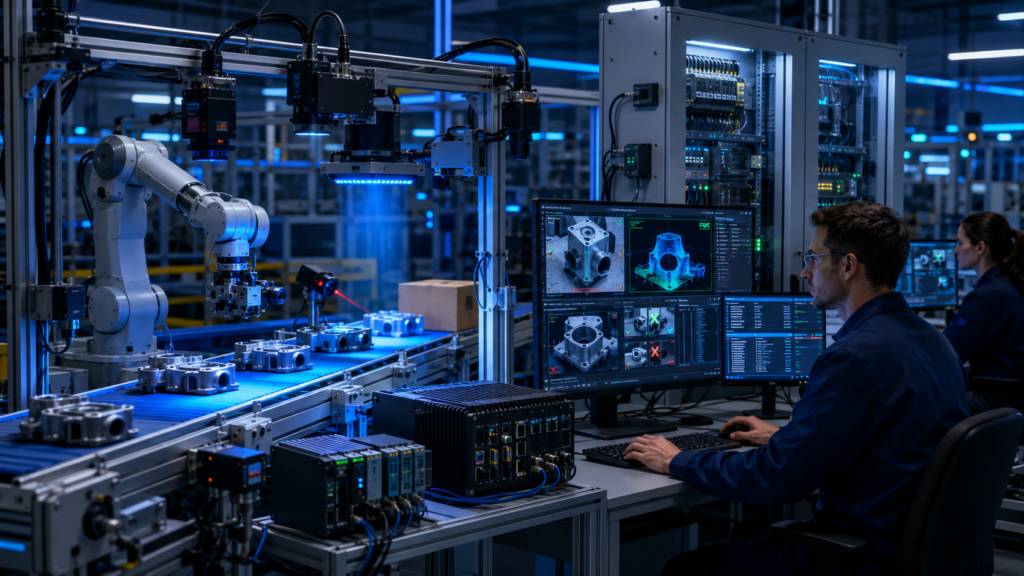
Платформы искусственного интеллекта обрабатывают изображения с камер для проверки, признание, роботизированное наведение, проверка упаковки, и автоматизация.
Обзор отрасли
Машинное зрение становится более интеллектуальным
Традиционное машинное зрение уже много лет используется при промышленном контроле..
Он может проверить наличие продукта, измерить простые размеры, читать штрих-коды, проверить этикетки, и выявить явные дефекты. Эти приложения обычно полагаются на фиксированные правила., пороги, обнаружение края, сопоставление с образцом, или предопределенная логика проверки.
Однако, многие реальные производственные дефекты непросты.
Царапины, вмятины, трещины, пятна, недостающие части, проблемы с пайкой, повреждение упаковки, поверхностное загрязнение, и ошибки сборки могут проявляться в разных формах, размеры, цвета, и условия освещения.
Видение ИИ помогает решить эти проблемы, используя обученные модели для выявления закономерностей, которые трудно определить с помощью одних лишь фиксированных правил..
AI Vision выходит на передний план
Системы машинного зрения с искусственным интеллектом часто требуют локальной обработки рядом с производственным оборудованием..
Отправка всех изображений на удаленный сервер или облачную платформу может привести к задержке., давление в сети, стоимость хранения, и зависимость от внешних связей.
Локальная платформа искусственного интеллекта может обрабатывать изображения на стороне машины и быстро возвращать результаты..
Это важно для:
- Отказ от дефекта
- Наведение робота
- Проверка штрих-кода
- Проверка упаковки
- Сортировка решений
- Производственная сигнализация
- Отслеживаемость качества
- Мониторинг в реальном времени
Промышленные периферийные вычисления позволяют системам машинного зрения стать практическими производственными инструментами, а не только автономными системами анализа..
Промышленные вычисления — это основа аппаратного обеспечения
Системы машинного зрения с искусственным интеллектом требуют большего, чем просто камеры и модели.
Им нужно стабильное промышленное вычислительное оборудование, способное подключать камеры., обрабатывать изображения, общаться с оборудованием автоматизации, хранить записи, и непрерывно работать в заводских условиях.
Промышленные компьютеры и встроенные компьютеры обеспечивают эту основу..
Они поддерживают интерфейсы камеры, несколько портов локальной сети, USB-подключение, последовательная связь, GPIO, SSD-накопитель, вывод дисплея, модули расширения, и надежный монтаж.
Это делает их пригодными для проверки искусственного интеллекта на стороне машины., OEM-системы технического зрения, роботизированные клетки, и умные производственные платформы.

Данные нескольких камер, освещение, отражение поверхности, изменение дефекта, давление на полосу пропускания, и интеграция автоматизации влияют на надежность ИИ-видения.
Ключевые проблемы
Высокая нагрузка на обработку изображений
Платформы искусственного интеллекта часто обрабатывают изображения высокого разрешения., несколько потоков камер, или сложные модели глубокого обучения.
Вычислительная нагрузка зависит от:
- Разрешение камеры
- Количество камер
- Частота кадров
- Сложность модели ИИ
- Время цикла проверки
- Предварительная обработка изображений
- Классификация дефектов
- Локальное хранилище изображений
- Загрузка заводских данных
Если компьютер недостаточно мощный, в системе может возникнуть задержка обработки, пропущенные кадры, нестабильная скорость контроля, или пропущены сроки производства.
Стабильная и продолжительная производительность важнее, чем кратковременные пиковые показатели производительности..
Интерфейс камеры и планирование пропускной способности
Системы машинного зрения с искусственным интеллектом могут использовать USB-камеры, GigE-камеры, 2.5Камеры GbE, 10Камеры GbE, 3D-камеры, или специализированные интерфейсы промышленного зрения.
Каждая конфигурация камеры имеет разные требования к пропускной способности..
Одну камеру с низким разрешением может быть легко поддерживать.. Многокамерная инспекционная платформа может потребовать тщательного разделения сетей., возможность расширения, и высокоскоростное хранилище.
Плохое планирование интерфейса может ограничить работу всей системы..
Даже мощный процессор не сможет решить проблему с данными камеры, если промышленный компьютер не обеспечивает правильный интерфейс камеры или пропускную способность..
Качество изображения и стабильность освещения
Точность видения AI во многом зависит от качества изображения.
Плохое освещение может создавать тени, блики, размышления, низкий контраст, размытие изображения, или несоответствие цвета. Эти проблемы могут снизить точность модели и увеличить число ложных отклонений..
Надежная система машинного зрения на базе искусственного интеллекта требует координации между:
- Выбор камеры
- Дизайн линзы
- Метод освещения
- Позиционирование продукта
- Время срабатывания триггера
- Механический монтаж
- Обучение модели ИИ
- Вычислительное оборудование
Промышленный компьютер должен поддерживать стабильную съемку изображения и надежную связь с камерами., контроллеры освещения, и триггерные датчики.
Интеграция с оборудованием автоматизации
Результаты видения ИИ должны быть связаны с реальными производственными действиями.
Системе может потребоваться связь с ПЛК., конвейеры, роботы, механизмы отклонения, датчики, считыватели штрих-кодов, сигналы тревоги, MES-системы, и качественные базы данных.
Может потребоваться практическая платформа искусственного интеллекта:
- локальная сеть
- USB
- RS232
- RS485
- GPIO
- Цифровой вход
- Цифровой выход
- HDMI
- ДисплейПорт
- М.2
- PCIe
Без подходящего промышленного ввода-вывода, системная интеграция становится более сложной и менее надежной.
Долгосрочная заводская надежность
Системы машинного зрения с искусственным интеллектом часто работают в несколько смен..
Их можно устанавливать рядом с производственными линиями., машины для внутреннего контроля, в шкафах управления, возле конвейеров, или внутри роботизированных ячеек.
Эти среды могут включать в себя вибрацию., пыль, нагревать, электрический шум, движение кабеля, и ограниченный поток воздуха.
Аппаратное обеспечение промышленного уровня помогает снизить риск простоя за счет прочной механической конструкции., стабильные тепловые характеристики, надежное хранение, надежный монтаж, и непрерывность жизненного цикла.

Промышленные компьютеры подключают камеры машинного зрения с искусственным интеллектом, оборудование автоматизации, роботы, заводское программное обеспечение, и системы качества.
Архитектура решения платформы AI Vision
Уровень получения изображений
Уровень получения изображений собирает визуальные данные о продуктах., части, пакеты, этикетки, или производственные процессы.
Этот слой может включать в себя:
- Промышленные камеры
- 3D-камеры
- Высокоскоростные камеры
- Линзы
- Модули освещения
- Триггерные датчики
- Считыватели штрих-кодов
- Датчики положения
- Системы движения
В зависимости от приложения, система может захватывать изображения поверхности, изображения сборки, этикетки изображений, изображения штрих-кода, изображения пакетов, изображения дефектов, или 3D-данные о глубине.
Стабильное и воспроизводимое качество изображения является основой надежной работы машинного зрения с использованием искусственного интеллекта..
Уровень промышленных вычислений искусственного интеллекта
Уровень промышленных вычислений ИИ — это место, где платформа машинного зрения ИИ выполняет локальную обработку..
На этом слое, промышленный компьютер или встроенный компьютер может:
- Получать данные изображения с камер
- Запуск моделей вывода ИИ
- Алгоритмы машинного зрения процессов
- Обнаружение дефектов или отклонений
- Классифицировать продукты или типы дефектов
- Храните изображения и журналы проверок
- Отображение статуса проверки
- Отправляйте сигналы «пройдено» или «не пройдено»
- Общайтесь с ПЛК или роботами
- Загрузить выбранные данные в заводские системы
Этот уровень позволяет принимать решения по проверке и распознаванию вблизи производственного оборудования..
Уровень управления автоматизацией
Уровень управления автоматизацией связывает результаты машинного зрения с действиями физического оборудования..
ПЛК, контроллер робота, контроллер конвейера, система движения, или механизм отклонения может инициировать захват изображения и получение результатов от компьютера машинного зрения с искусственным интеллектом..
Например, после обнаружения бракованной упаковки, промышленный компьютер может отправить сигнал сбоя в ПЛК. ПЛК может активировать механизм отклонения.
В роботизированных приложениях, Платформа машинного зрения AI может определять положение объекта и отправлять данные о координатах контроллеру робота..
Уровень управления данными
Результаты ИИ-видения становятся более ценными, когда они связаны с производственными записями.
Промышленный компьютер может отправлять данные в МЧС, СКАДА, качественные базы данных, WMS, ERP-система, или облачные платформы.
Данные проверки могут включать в себя:
- Идентификатор продукта
- Порядок работы
- Номер партии
- Результат проверки
- Категория дефекта
- Изображение доказательства
- Оценка уверенности
- Идентификатор станции
- Временная метка
- Действия оператора
- Статус доработки
Это поддерживает отслеживаемость, анализ качества, улучшение процесса, и производственная ответственность.
Пользовательский интерфейс и уровень обслуживания
Операторам и инженерам нужен практичный локальный интерфейс..
Компьютер искусственного интеллекта может подключаться к монитору, сенсорный экран, Панель ЧМИ, или инженерное рабочее место.
Интерфейс может отображать:
- Живые изображения с камеры
- Результаты обнаружения ИИ
- Расположение дефектов
- Производство имеет значение
- Отклонить статистику
- Статус камеры
- Модель статуса ИИ
- Статус сети
- Тревожные сообщения
- Системные журналы
Понятный локальный интерфейс помогает инженерам настраивать параметры., просмотреть результаты проверки, и быстро устранять неполадки системы.
Ключевые особенности
Производительность вывода ИИ
Платформы искусственного интеллекта требуют стабильной производительности вывода.
Подходящее оборудование зависит от сложности модели., разрешение камеры, количество камер, скорость производства, и требования ко времени ответа.
При выборе следует учитывать:
- Производительность процессора
- Поддержка графического процессора или ускорителя искусственного интеллекта
- Объем памяти
- Скорость хранения
- Полоса пропускания камеры
- Программная среда
- Поддержка операционной системы
- Тепловой расчет
- Долгосрочная стабильность
Компактный встроенный компьютер может поддерживать умеренные рабочие нагрузки ИИ.. Для многокамерной платформы искусственного интеллекта может потребоваться периферийный компьютер с искусственным интеллектом или более производительный промышленный ПК..
Поддержка интерфейса камеры и видеоизображения
Возможность подключения камеры является одним из наиболее важных требований к оборудованию..
Полезные опции интерфейса могут включать в себя:
- USB 3.0
- Несколько портов LAN
- 2.5Варианты GbE или 10GbE
- Расширение PCIe
- Расширение M.2
- HDMI
- ДисплейПорт
- Высокоскоростной твердотельный накопитель или хранилище NVMe
Для многокамерных систем, движение камер должно быть тщательно спланировано.
Во многих развертываниях, одна сеть может подключать камеры, а другая — заводскую систему.. Это помогает уменьшить конфликты трафика и повышает стабильность системы..
Гибкий промышленный ввод-вывод
Компьютеры машинного зрения с искусственным интеллектом должны подключаться к реальному заводскому оборудованию.
Важные параметры ввода-вывода могут включать в себя:
- локальная сеть
- USB
- RS232
- RS485
- GPIO
- Цифровой вход
- Цифровой выход
- Выход дисплея
- Слоты расширения
Эти интерфейсы могут поддерживать камеры, контроллеры освещения, датчики, считыватели штрих-кодов, ПЛК, конвейеры, роботы, сигналы тревоги, и отвергать механизмы.
Гибкий ввод-вывод сокращает количество внешних адаптеров и повышает надежность развертывания..
Прочная и безвентиляторная конструкция
Безвентиляторные промышленные компьютеры полезны во многих приложениях искусственного интеллекта..
Они уменьшают попадание пыли и устраняют одну распространенную точку механического отказа.. Это способствует снижению затрат на обслуживание в производственных средах, где системы работают непрерывно..
Прочный корпус помогает защитить компьютер от вибрации., напряжение кабеля, и условия установки шкафа.
Однако, Рабочие нагрузки ИИ могут выделять тепло.
Для высокопроизводительных систем машинного зрения с искусственным интеллектом, тепловой расчет должен быть тщательно проверен. Рабочая нагрузка процессора, Использование графического процессора или ускорителя, поток воздуха в шкафу, температура окружающей среды, и метод монтажа влияют на долговременную стабильность.
Надежное хранилище данных машинного зрения
Системы машинного зрения с искусственным интеллектом могут генерировать множество изображений и записей.
Компьютер может хранить:
- Изображения дефектов
- Принятые образцы изображений
- Журналы проверок
- Файлы моделей AI
- Локальные базы данных
- Производственные отчеты
- Видеоклипы
- Временные буферы
Обычно предпочтение отдается твердотельным накопителям или хранилищам NVMe, поскольку они обеспечивают более быстрый доступ и лучшую ударопрочность, чем механические накопители..
Для систем с большим количеством изображений, емкость хранения, устойчивая скорость записи, писать выносливость, метод резервного копирования, и политика хранения должна быть пересмотрена во время проектирования.
Длительный жизненный цикл и ремонтопригодность
Системы искусственного зрения могут оставаться в производстве в течение многих лет.
Частые изменения оборудования могут создать проблемы с проверкой программного обеспечения., проблемы совместимости драйверов, проблемы с запчастями, и стоимость обслуживания.
Промышленные вычислительные платформы с планированием жизненного цикла помогают производителям и производителям оборудования поддерживать согласованное развертывание на нескольких производственных линиях., машины, и заводские площадки.
Это особенно важно для масштабируемого развертывания систем искусственного интеллекта..
Сценарии развертывания
Визуальное обнаружение дефектов с помощью искусственного интеллекта
Платформы искусственного интеллекта широко используются для обнаружения дефектов.
Система может проверять поверхности, компоненты, собрания, пакеты, этикетки, и готовая продукция.
Он может обнаружить царапины, вмятины, трещины, пятна, недостающие части, неправильная сборка, загрязнение, поврежденная упаковка, и нарушения зрения.
Промышленный компьютер локально обрабатывает изображения и отправляет результаты в ПЛК или системы контроля качества..
Проверка электроники и поверхностного монтажа
Производство электроники может использовать AI Vision для проверки печатных плат, проверка компонентов, обзор пайки, распознавание штрих-кода, проверка разъема, и восстановить сбор данных.
Встроенный компьютер можно установить рядом с линиями SMT., АОИ оборудование, испытательные станции, или ремонтировать скамейки.
Результаты проверки могут быть связаны с серийными номерами печатных плат., заказы на работу, и записи МЧС.
Проверка полупроводников
Проверка полупроводников может потребовать получения изображений пластин с высоким разрешением, умирает, субстраты, пакеты, и лазерные метки.
Платформа машинного зрения AI может поддерживать классификацию дефектов, отметка проверки, проверка упаковки, и отслеживаемость качества.
Промышленный компьютер обрабатывает данные изображения и связывает результаты с MES., НПЦ, или качественные базы данных.
Проверка производства аккумуляторов
Производство аккумуляторов может использовать AI Vision для проверки поверхности электродов, проверка внешнего вида ячеек, контроль сварки вкладки, проверка сборки модуля, проверка электропроводки, проверка этикетки, и проверка упаковки.
Компьютер искусственного интеллекта обрабатывает изображения локально и отправляет результаты в производственные системы..
Это поддерживает контроль качества и отслеживаемость при производстве аккумуляторов..
Проверка упаковки
Платформы искусственного интеллекта могут проверять этикетки, штрих-коды, коды дат, печати, кепки, коробки, мешочки, бутылки, и финальные пакеты.
Промышленный компьютер может обнаруживать дефекты упаковки и запускать механизмы отклонения посредством связи с ПЛК..
Это помогает уменьшить количество ошибок при отправке и улучшить качество упаковки..
Пищевая и фармацевтическая инспекция
Пищевое и фармацевтическое производство часто требует визуального контроля продукции., пакеты, этикетки, коды, печати, и окончательная упаковка.
Платформы искусственного интеллекта могут поддерживать проверку внешнего вида, проверка уровня заполнения, проверка этикетки, распознавание штрих-кода, и обнаружение дефектов.
Промышленное компьютерное оборудование помогает связать результаты контроля с записями о партиях и качестве..
Логистическая сортировка и распознавание штрих-кодов
Логистические системы могут использовать зрение искусственного интеллекта для идентификации посылок, распознавание штрих-кода, проверка этикетки, контроль сортировки, и обработка исключений.
Встроенный компьютер может быть установлен внутри сканирующих туннелей., конвейерные системы, или сортировочное оборудование.
Система может отправлять результаты сортировки на платформы WMS и переключатели, управляемые ПЛК..
Роботизированное визуальное управление
Роботам часто нужны данные зрения для идентификации объектов, найти детали, и отрегулировать движение.
Платформа искусственного интеллекта может обрабатывать данные 2D или 3D камеры и отправлять информацию о местоположении на контроллеры роботов..
Это поддерживает выбор корзины, сборка, сортировка, инспекция, и гибкая автоматизация.
Преимущества для бизнеса
Улучшенная согласованность проверки
Платформы искусственного интеллекта помогают производителям более последовательно проверять продукцию в ходе производственных смен..
Система обрабатывает изображения в соответствии с обученными моделями и логикой проверки.. Это снижает зависимость от ручного принятия решений и помогает поддерживать стабильный контроль качества..
Надежное промышленное вычислительное оборудование поддерживает последовательный сбор изображений и выводы искусственного интеллекта..
Более быстрые производственные решения
Локальная обработка ИИ обеспечивает более быструю реакцию.
Промышленный компьютер может обнаруживать дефекты, классифицировать результаты, и отправлять сигналы «годен» или «не пройден» на ПЛК или роботов рядом с производственной линией.
Это помогает поддерживать более быстрые действия по отклонению, переработать маршрутизацию, сортировка решений, и реакция автоматизации.
Сокращение рабочей нагрузки при ручной проверке
Ручная проверка может быть повторяющейся, медленный, и непоследовательный.
AI Vision автоматизирует многие задачи визуального контроля и позволяет операторам сосредоточиться на исключениях., обслуживание, настраивать, и улучшение процессов.
Это повышает эффективность и уменьшает количество пропущенных дефектов, вызванных усталостью..
Более надежная отслеживаемость качества
Данные искусственного интеллекта могут быть связаны с идентификаторами продуктов., заказы на работу, категории дефектов, изображения, временные метки, информация о станции, и действия оператора.
Это создает более надежные записи качества для аудитов клиентов., гарантийное расследование, обзор процесса, и анализ первопричин.
Отслеживаемость становится более ценной, когда данные проверок собираются последовательно и связаны с заводскими системами..
Лучшее улучшение процесса
Платформы искусственного интеллекта генерируют полезные производственные данные.
Производители могут анализировать повторяющиеся дефекты, дрейф процесса, проблемы с качеством, связанные с машиной, отвергать тенденции, и вариация продукта.
Надежные промышленные компьютеры помогают гарантировать сохранение этих данных., переведен, и отображается последовательно.
Масштабируемое интеллектуальное производство
Стандартизированная платформа искусственного интеллекта упрощает развертывание систем контроля и распознавания на нескольких машинах., линии, и заводы.
Согласованное оборудование упрощает образы программного обеспечения, управление драйверами камеры, планирование запасных частей, обучение техническому обслуживанию, и поддержка жизненного цикла.
Это помогает производителям перейти от пилотных проектов ИИ к масштабируемому производственному развертыванию..
Почему CoreIPC
CoreIPC предоставляет промышленные вычислительные платформы для машинного зрения, крайний ИИ, автоматизация производства, робототехника, и встроенная системная интеграция. Для приложений платформы машинного зрения AI, CoreIPC специализируется на надежном промышленном компьютерном оборудовании., встроенные компьютерные решения, гибкие конфигурации ввода-вывода, компактная конструкция системы, и поддержка настройки OEM/ODM. CoreIPC помогает системным интеграторам, машиностроители, и производственные группы выбирают вычислительные платформы, соответствующие реальным требованиям развертывания, включая интерфейсы камеры, Рабочие нагрузки ИИ, автоматизация связи, сетевой дизайн, потребности в хранении, способы крепления, потребляемая мощность, термические условия, и планирование жизненного цикла.
Часто задаваемые вопросы
1. Что такое платформа искусственного интеллекта?
Платформа машинного зрения с искусственным интеллектом — это промышленная вычислительная система, используемая для обработки изображений с камер и запуска программного обеспечения для проверки или распознавания на основе искусственного интеллекта..
Он может обнаружить дефекты, классифицировать продукты, читать этикетки, проверить штрих-коды, направляющие роботы, и свяжите результаты с заводскими системами. Обычно включает в себя камеры, освещение, модели искусственного интеллекта, программное обеспечение машинного зрения, и промышленный компьютер или встроенный компьютер.
2. Зачем использовать промышленный компьютер для ИИ-видения?
Промышленный компьютер предназначен для заводских условий..
Он поддерживает непрерывную работу, прочный монтаж, промышленный ввод-вывод, возможность подключения камеры, стабильное хранилище, несколько сетевых портов, и длительный жизненный цикл развертывания. Эти функции делают его более подходящим, чем стандартный офисный ПК, для систем машинного зрения с искусственным интеллектом, установленных рядом с машинами., конвейеры, роботы, и инспекционные станции.
3. Как встроенный компьютер используется в системах машинного зрения с искусственным интеллектом?
Встроенный компьютер может быть установлен внутри инспекционных машин., роботизированные клетки, упаковочные системы, сканирование туннелей, или шкафы управления.
Он может получать данные камеры, запустить вывод ИИ, общаться с ПЛК, отображать локальные результаты, и загрузить записи проверок. Компактный дизайн делает его полезным для OEM-оборудования и для развертывания на стороне машины в условиях ограниченного пространства..
4. Какие приложения может поддерживать вычислительная платформа искусственного интеллекта?
Платформы искусственного интеллекта могут поддерживать визуальное обнаружение дефектов, проверка сборки, распознавание штрих-кода, проверка упаковки, инспекция пищевых продуктов, фармацевтическая инспекция, проверка батареи, проверка полупроводников, СМТ-инспекция, логистическая сортировка, и роботизированное наведение.
Точное применение зависит от настройки камеры., Дизайн модели ИИ, скорость производства, Потребности ввода-вывода, и требования к системной интеграции.
5. Нужен ли платформе искусственного интеллекта графический процессор??
Некоторым приложениям машинного зрения требуется поддержка графического процессора или ускорителя искусственного интеллекта., особенно для изображений с высоким разрешением, несколько камер, видеоаналитика, 3Д видение, или сложные модели глубокого обучения.
Другие приложения могут работать на промышленных компьютерах на базе ЦП, если модель легкая и время цикла умеренное.. Аппаратное обеспечение следует выбирать на основе тестирования реальной модели..
6. Какие интерфейсы важны для компьютеров машинного зрения с искусственным интеллектом?
Важные интерфейсы могут включать USB 3.0, несколько портов локальной сети, 2.5Нести, 10Нести, RS232, RS485, GPIO, цифровой вход, цифровой выход, HDMI, ДисплейПорт, М.2, и расширение PCIe.
Интерфейсы камеры имеют решающее значение. Промышленный ввод-вывод также важен для связи с ПЛК., управление освещением, датчики, триггеры, роботы, конвейеры, и отвергать механизмы.
7. Могут ли безвентиляторные промышленные компьютеры поддерживать видение искусственного интеллекта?
Безвентиляторные промышленные компьютеры могут поддерживать множество приложений искусственного интеллекта, особенно умеренное развертывание с одной камерой или не требующее особого обслуживания.
Однако, высокопроизводительный вывод ИИ, многокамерный осмотр, или рабочие нагрузки на базе графического процессора могут выделять значительное количество тепла. Рабочая нагрузка процессора, использование ускорителя, поток воздуха в шкафу, температура окружающей среды, и положение установки следует проверить перед развертыванием.
8. Как видение ИИ поддерживает отслеживаемость?
AI Vision поддерживает отслеживаемость, связывая результаты проверки с идентификаторами продуктов., заказы на работу, категории дефектов, записи изображений, временные метки, идентификаторы станций, и действия оператора.
Эти данные можно загрузить в МЧС., качественные базы данных, WMS, СКАДА, или облачные платформы. Полные записи помогают производителям анализировать дефекты, поддержка аудитов, и совершенствовать производственные процессы.
9. Может ли платформа искусственного интеллекта соединяться с ПЛК и роботами??
Да. Компьютер искусственного интеллекта может взаимодействовать с ПЛК, контроллеры роботов, конвейеры, механизмы отклонения, датчики, и другие устройства автоматизации.
Система может получать триггеры, обрабатывать изображения, и отправь пропуск, неудача, позиция, классификация, или результаты тревоги возвращаются на оборудование. Это делает видение ИИ полезным для реального контроля производства..
10. Что следует протестировать перед развертыванием?
Перед развертыванием, систему следует протестировать на реальных камерах, настоящие продукты, производственное освещение, фактическая скорость линии, модели искусственного интеллекта, Связь с ПЛК, интеграция роботов, рабочая нагрузка хранилища, и условия сети.
Долгосрочная стабильность, тепловые характеристики, надежность получения кадров, и поведение загрузки данных также должно быть проверено, чтобы снизить производственный риск..
Заключение
Платформа машинного зрения является практической основой для контроля машинного зрения., Обнаружение дефектов с помощью ИИ, роботизированное наведение, распознавание штрих-кода, проверка упаковки, логистическая сортировка, и отслеживаемость производства.
Разместив промышленный компьютер или встроенный компьютер рядом с камерами., датчики, ПЛК, конвейеры, роботы, и инспекционное оборудование, производители могут обрабатывать визуальные данные локально, уменьшить задержку, улучшить последовательность проверок, и свяжите результаты с заводскими системами.
Правильная вычислительная платформа искусственного интеллекта должна выбираться в соответствии с реальными требованиями к развертыванию., включая интерфейс камеры, Рабочая нагрузка ИИ, разрешение изображения, Конфигурация ввода/вывода, сетевая архитектура, потребности в хранении, требования к расширению, метод монтажа, потребляемая мощность, термические условия, поддержка операционной системы, и планирование жизненного цикла.
CoreIPC поддерживает проекты платформ искусственного интеллекта с помощью промышленных вычислительных платформ, предназначенных для практического развертывания предприятий и оборудования.. С правильной аппаратной основой, производители и машиностроители могут создавать надежные, масштабируемый, и системы машинного зрения на основе искусственного интеллекта для интеллектуального производства.
Связаться с нами
Ищу промышленный компьютер, встроенный компьютер, или периферийная платформа искусственного интеллекта для проекта компьютерного машинного зрения с использованием искусственного интеллекта?
Свяжитесь с CoreIPC, чтобы обсудить требования вашего проекта, включая интерфейс камеры, Рабочая нагрузка ИИ, Конфигурация ввода/вывода, связь с роботом или ПЛК, сетевой дизайн, потребности в хранении, метод монтажа, потребляемая мощность, операционная среда, потребности жизненного цикла, и варианты настройки OEM/ODM.