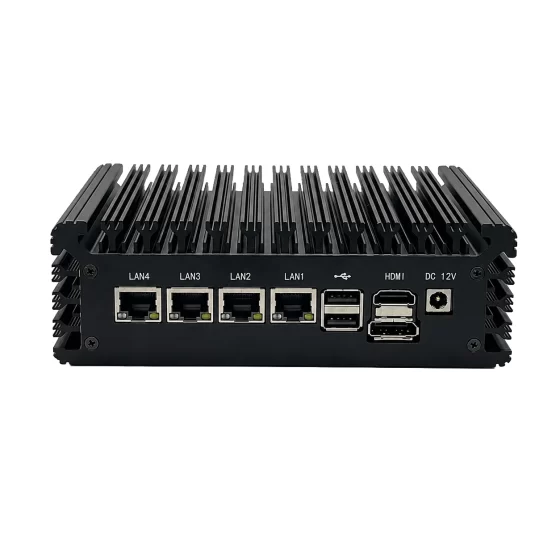
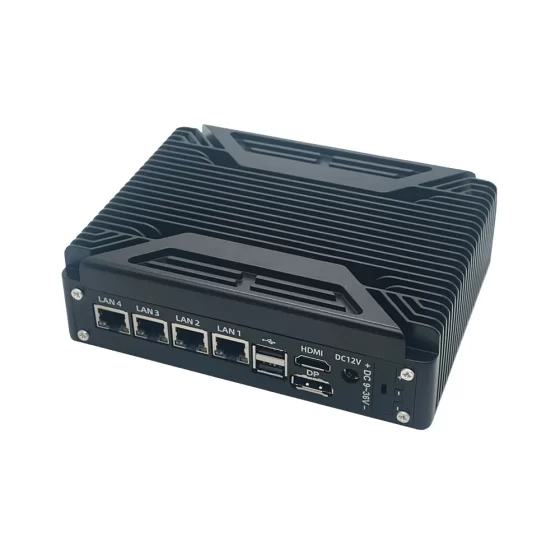
Решения CoreIPC для промышленных вычислений

Промышленный искусственный интеллект для прогнозной аналитики: Промышленная ИИ-аналитика для принятия решений на интеллектуальном предприятии
Управляющее резюме
Аналитика промышленного искусственного интеллекта становится ключевой основой для прогнозного обслуживания, оптимизация процесса, улучшение качества, энергетический мониторинг, и умное принятие заводских решений.
Современные заводы генерируют большие объемы данных от машин., датчики, ПЛК, камеры, роботы, метры, системы контроля, и производственное программное обеспечение. Когда эти данные сохраняются только для последующего отчета, заводы могут пропустить ранние предупреждающие сигналы, повторяющиеся шаблоны качества, энергетические аномалии, и процесс изменений.
Промышленный искусственный интеллект для прогнозной аналитики помогает превратить машинные данные в полезную информацию. Он может анализировать поведение оборудования, обнаружить аномальные закономерности, прогнозировать потенциальные сбои, выявить отклонение процесса, и поддерживать более быстрые производственные решения.
Промышленный компьютер или встроенный компьютер обеспечивает локальную вычислительную платформу для этих рабочих нагрузок.. Он может собирать данные с ПЛК., датчики, камеры, шлюзы, счетчики энергии, и производственные системы, затем запустите аналитические модели рядом с оборудованием.
По сравнению со стандартными коммерческими ПК, промышленные компьютеры лучше подходят для заводских сред, поскольку они поддерживают надежное развертывание., гибкий ввод-вывод, стабильная сеть, локальное хранилище, варианты безвентиляторного дизайна, и доступность в течение длительного жизненного цикла.
В этой статье объясняется, как работает промышленная аналитика ИИ., какие проблемы возникают при реальном развертывании, как структурирована архитектура решения, и какие аппаратные функции важны при выборе промышленного компьютера или встроенного компьютера для приложений прогнозной аналитики..
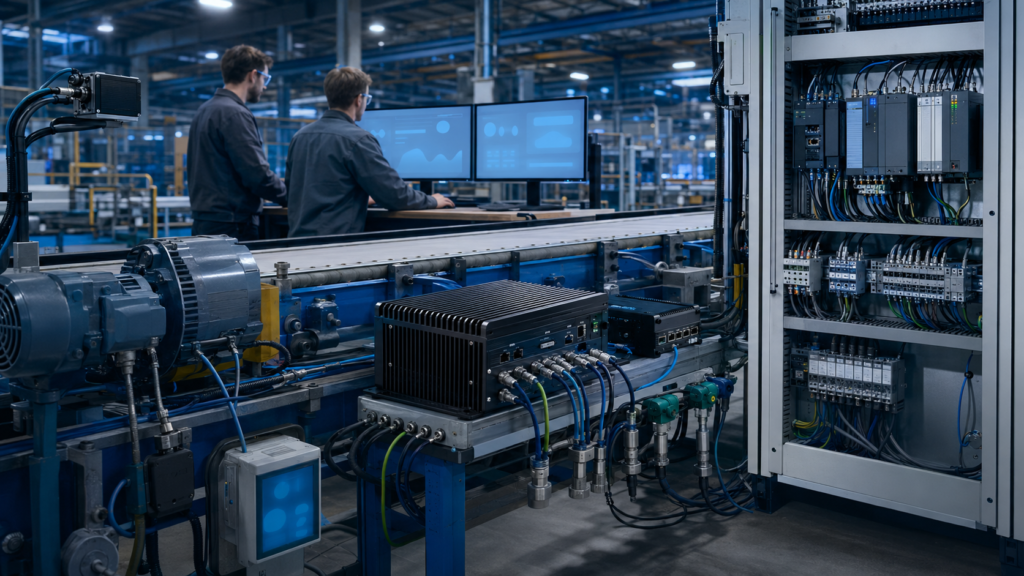
Развертывание на заводе промышленной ИИ-аналитики
Обзор отрасли
Заводам нужна прогнозная аналитика
Традиционный мониторинг производства часто фокусируется на текущем состоянии..
Операторы могут видеть сигналы тревоги, состояния машины, объемы производства, и записи по техническому обслуживанию. Эти сигналы полезны, но они могут не раскрыть, что может произойти дальше.
Прогнозная аналитика добавляет еще один уровень интеллекта.
Оно помогает предприятиям анализировать исторические данные и данные в реальном времени для выявления признаков раннего предупреждения., скрытые корреляции, и аномальные тенденции.
Аналитика промышленного искусственного интеллекта может поддержать:
- Прогностическое обслуживание
- Мониторинг состояния оборудования
- Анализ тенденций качества
- Обнаружение аномалий процесса
- Оптимизация энергопотребления
- Анализ узких мест производства
- Анализ использования машины
- Повышение урожайности
- Распознавание шаблонов отказов
- Планирование технического обслуживания
Цель состоит в том, чтобы помочь командам перейти от реактивного реагирования к более раннему реагированию., действие, поддерживаемое данными.
AI-аналитика переходит на периферию
Облачные платформы могут поддерживать крупномасштабное хранение данных, информационные панели, и аналитика на уровне предприятия.
Однако, многие задачи промышленной аналитики выигрывают от локальной периферийной обработки. Машинные данные могут нуждаться в быстром анализе, буферизуется во время сбоев в сети, или отфильтровано перед загрузкой.
Промышленный компьютер, развернутый рядом с производственным оборудованием, может обрабатывать данные локально..
Это помогает уменьшить задержку, более низкое использование полосы пропускания, защитить конфиденциальные производственные данные, и поддерживать локальную работу, когда сеть нестабильна.
Периферийная промышленная аналитика с использованием искусственного интеллекта особенно полезна, когда предприятиям необходимы быстрые оповещения., локальные информационные панели, или непрерывный сбор данных с распределенных машин.
Промышленные вычисления — это основа аппаратного обеспечения
Прогнозная аналитика требует большего, чем просто программные модели.
Ему необходимо надежное вычислительное оборудование, способное собирать данные с промышленных устройств., запускать аналитические рабочие нагрузки, хранить локальные записи, и общаться с заводскими системами.
Промышленные компьютеры и встроенные компьютеры обеспечивают эту основу..
Они могут поддерживать несколько портов LAN., последовательная связь, GPIO, цифровой ввод/вывод, USB-устройства, SSD-накопитель, вывод дисплея, и модули расширения.
Это делает их подходящими для машинной аналитики., промышленные шлюзы Интернета вещей, узлы профилактического обслуживания, системы энергетического мониторинга, и умные заводские платформы.

Проблемы развертывания промышленной ИИ-аналитики
Ключевые проблемы
Данные от разных машин и систем
Промышленные данные часто фрагментированы..
На одном заводе могут быть устаревшие машины., современные ПЛК, датчики, счетчики энергии, роботы, камеры, системы контроля, и программные платформы от разных производителей.
Каждая система может использовать разные интерфейсы, форматы данных, скорость обновления, и методы связи.
Общие источники данных включают в себя:
- ПЛК
- Датчики
- Контроллеры станков
- Роботы
- Двигатели и приводы
- Счетчики энергии
- Системы технического зрения
- Испытательное оборудование
- Промышленные шлюзы
- MES и SCADA-системы
Платформа промышленной аналитики ИИ должна надежно собирать и систематизировать эти данные, прежде чем можно будет делать полезные прогнозы..
Качество и согласованность данных
Прогнозная аналитика зависит от качества данных.
Если значения датчика отсутствуют, временные метки не совпадают, состояния машины неясны, или данные собираются лишь изредка, Модели искусственного интеллекта могут давать слабые результаты.
Важные факторы качества данных включают в себя:
- Частота дискретизации
- Точность временной метки
- Калибровка датчика
- Контекст состояния машины
- Полнота данных
- Фильтрация шума
- Маркировка событий
- Информация о производственной партии
- История обслуживания
- Рекорды качества
Промышленный компьютер должен поддерживать стабильный сбор данных и локальную буферизацию, чтобы уменьшить пробелы в данных..
Требования к оповещениям в реальном времени
Прогнозная аналитика становится ценной, когда она может обеспечить своевременные действия..
Если машина проявляет ранние признаки аномальной вибрации, перегрев, текущие колебания, дрейф качества, или энергетические отходы, система должна обнаружить закономерность на ранней стадии и сгенерировать полезное предупреждение..
Запоздалая аналитика может снизить ценность системы..
Требования реального времени или почти реального времени могут появиться в:
- Прогностическое обслуживание
- Обнаружение отклонений процесса
- Мониторинг тенденций качества
- Оповещения об энергетических аномалиях
- Анализ узких мест производства
- Мониторинг использования оборудования
- Поддержка мониторинга безопасности
Вычислительная платформа должна обеспечивать стабильную устойчивую производительность при непрерывной работе..
Развертывание и обслуживание модели
Модели промышленной аналитики ИИ могут нуждаться в постоянной корректировке.
Машины со временем изнашиваются, рецепты производства меняются, поведение сенсора меняется, и новые модели продукции поступают в производство. Прогнозирующая модель, которая работает во время пилотного проекта, может нуждаться в обслуживании во время длительного использования..
Разработчики систем должны учитывать:
- Рабочий процесс обновления модели
- Локальное хранилище моделей
- Контроль версий
- Регистрация данных
- Обзор оповещений
- Обработка ложных тревог
- Обратная связь по техническому обслуживанию
- Долгосрочная проверка
Промышленный компьютер с искусственным интеллектом должен поддерживать практическую программную среду для развертывания и обслуживания моделей..
Надежность производственной среды
Системы прогнозной аналитики часто развертываются рядом с машинами или внутри шкафов управления..
Эти места могут включать вибрацию., пыль, нагревать, электрический шум, ограниченный поток воздуха, движение кабеля, и непрерывный график работы.
Если аналитический компьютер вышел из строя, сбор данных может прекратиться, а записи прогнозов могут стать неполными.
Аппаратное обеспечение промышленного уровня помогает снизить этот риск, поддерживая надежную установку., стабильная тепловая конструкция, надежное хранение, и планирование длительного жизненного цикла.

Архитектура прогнозной аналитики промышленного искусственного интеллекта
Архитектура промышленного решения для анализа ИИ
Уровень устройств и датчиков
Уровень устройств и датчиков включает в себя контролируемые машины и источники данных..
Этот уровень может включать ПЛК., датчики, моторы, диски, камеры, роботы, счетчики энергии, испытательные приборы, и производственное оборудование.
Типичные данные могут включать в себя:
- Значения вибрации
- Данные о температуре
- Ток двигателя
- Значения давления
- Скорость и время цикла
- Статус машины
- История тревог
- Потребление энергии
- Записи о качестве продукции
- Результаты проверки
- Мероприятия по техническому обслуживанию
Эти необработанные данные служат исходными данными для промышленной аналитики искусственного интеллекта..
Уровень промышленных периферийных вычислений
Уровень промышленных периферийных вычислений — это место, где промышленный компьютер или встроенный компьютер собирает, процессы, и хранит данные локально.
На этом слое, система может:
- Сбор данных датчиков
- Чтение записей ПЛК
- Обрабатывать машинные события
- Храните местную историю
- Запускайте аналитические модели
- Обнаружение аномальных закономерностей
- Генерируйте прогнозные оповещения
- Буферизация данных во время проблем с сетью
- Отображение локальных информационных панелей
- Загрузить выбранные данные в заводские системы
Этот уровень помогает приблизить прогнозный интеллект к производственному оборудованию..
Слой ИИ-аналитики
Уровень аналитики ИИ содержит модели и логику, используемые для преобразования данных в аналитическую информацию..
В зависимости от приложения, оно может включать в себя:
- Обнаружение аномалий
- Модели прогнозного обслуживания
- Анализ тенденций
- Распознавание шаблонов отказов
- Прогноз качества
- Анализ энергопотребления
- Обнаружение узких мест производства
- Фильтрация тревог на основе правил
- Логика объединения датчиков
Промышленный компьютер должен поддерживать требуемую операционную систему., инструменты аналитики, среда выполнения ИИ, программное обеспечение базы данных, и программное обеспечение для промышленной связи.
Уровень интеграции заводского программного обеспечения
Прогнозная аналитика становится более полезной при подключении к производственным системам..
Промышленный компьютер может отправлять выбранные данные в:
- МЧС
- СКАДА
- ERP-система
- Платформы обслуживания
- Качественные базы данных
- Панели мониторинга промышленного Интернета вещей
- Платформы облачной аналитики
- Краеведческие системы
- Информационные панели мониторинга производства
Вместо загрузки всех необработанных данных, система может отправлять сигналы тревоги, тенденции, резюме, аномальные события, и избранные записи.
Это снижает нагрузку на полосу пропускания и улучшает организацию данных..
Уровень интерфейса оператора и обслуживания
Операторам и группам технического обслуживания нужен практичный интерфейс.
Промышленный компьютер с искусственным интеллектом может подключаться к монитору, сенсорный экран, Панель ЧМИ, или локальная рабочая станция с информационной панелью.
Интерфейс может отображать:
- Статус работоспособности машины
- Прогнозирующие оповещения
- Сенсорные тенденции
- Использование энергии
- Тенденции качества
- История тревог
- Использование оборудования
- Статус модели
- Статус сети
- Системные журналы
Понятный интерфейс помогает командам понимать прогнозы и реагировать соответствующими действиями по обслуживанию или процессам..
Ключевые особенности
Стабильная производительность аналитики
Системы промышленной аналитики искусственного интеллекта должны работать непрерывно.
Оборудование следует выбирать в зависимости от количества машин., частота обновления датчика, Сложность модели ИИ, рабочая нагрузка локальной базы данных, и требования к приборной панели.
При выборе следует учитывать:
- Производительность процессора
- Объем памяти
- Скорость хранения
- Пропускная способность сети
- Совместимость программного обеспечения ИИ
- Рабочая нагрузка локальной базы данных
- Поддержка операционной системы
- Тепловой расчет
- Долгосрочная стабильность
Для облегченной аналитики датчиков, встроенного компьютера может быть достаточно. Для более масштабной многострочной аналитики, может потребоваться более мощный промышленный ПК или компьютер с искусственным интеллектом.
Несколько промышленных интерфейсов
Платформы прогнозной аналитики должны подключаться ко многим типам оборудования..
Полезные параметры ввода-вывода могут включать в себя:
- Несколько портов LAN
- RS232
- RS485
- USB
- GPIO
- Цифровой вход
- Цифровой выход
- HDMI
- ДисплейПорт
- М.2
- PCIe
- SATA или NVMe хранилище
Эти интерфейсы могут поддерживать ПЛК., датчики, шлюзы, счетчики энергии, камеры, считыватели штрих-кодов, локальные дисплеи, и промышленные сети.
Гибкий ввод-вывод сокращает использование внешних преобразователей и повышает надежность развертывания..
Надежное локальное хранилище
Прогнозная аналитика зависит от исторических данных.
Промышленному компьютеру может потребоваться хранить записи датчиков., история состояния машины, журналы тревог, файлы модели, локальные базы данных, отчеты, и временные буферы.
Обычно предпочтение отдается твердотельным накопителям или хранилищам NVMe, поскольку они обеспечивают более быстрый доступ и лучшую ударопрочность, чем механические накопители..
При проектировании хранилища следует учитывать:
- Срок хранения данных
- Размер локальной базы данных
- Напишите выносливость
- Стратегия резервного копирования
- Поведение при прерывании сети
- Частота загрузки
- Требования к записи событий
Надежное локальное хранилище помогает защитить аналитические данные и обеспечивает долгосрочную отслеживаемость..
Разделение сети и подключение
Системы промышленной аналитики на базе искусственного интеллекта часто соединяют как машинные сети, так и заводские ИТ-системы..
Несколько портов LAN могут помочь разделить трафик.
Например:
- Один порт LAN для ПЛК
- Один порт LAN для датчиков или шлюзов
- Один порт LAN для MES или SCADA
- Один порт LAN для загрузки в облако
- Один порт LAN для удаленного обслуживания
Это улучшает организацию сети, уменьшает конфликты на дорогах, и поддерживает лучшее планирование кибербезопасности.
Прочная и безвентиляторная конструкция
Компьютеры промышленной аналитики часто работают в производственных средах..
Безвентиляторная конструкция может уменьшить попадание пыли и устранить одну распространенную точку механического отказа.. Прочные корпуса помогают защитить систему от вибрации., напряжение кабеля, и условия установки шкафа.
Тепловой расчет по-прежнему требует тщательного анализа..
Рабочая нагрузка процессора, конструкция корпуса, температура окружающей среды, расход воздуха, устройства хранения данных, и положение монтажа влияют на долгосрочную надежность.
Длительный жизненный цикл и ремонтопригодность
Системы прогнозной аналитики могут оставаться в производстве в течение многих лет.
Частые изменения оборудования могут создать проблемы с проверкой программного обеспечения., проблемы совместимости драйверов, и проблемы с обслуживанием.
Промышленные вычислительные платформы с планированием жизненного цикла помогают производителям и системным интеграторам поддерживать согласованное развертывание аналитики на нескольких машинах., линии, и заводские площадки.
Это поддерживает масштабируемую реализацию умной фабрики..
Сценарии развертывания
Прогнозируемое обслуживание
Прогнозное обслуживание — одно из наиболее распространенных приложений промышленной аналитики с использованием искусственного интеллекта..
Система улавливает вибрацию, температура, текущий, давление, и данные о состоянии машины.
Модели искусственного интеллекта могут обнаруживать аномальные закономерности и генерировать оповещения до того, как отказ оборудования станет серьезным..
Это помогает командам технического обслуживания более эффективно планировать обслуживание..
Анализ тенденций качества
Аналитика промышленного искусственного интеллекта может помочь выявить тенденции в области качества на всех производственных линиях..
Система может объединять результаты проверки, параметры машины, данные датчика, и информация о партии.
Это помогает инженерам понять повторяющиеся дефекты., дрейф процесса, и качественные вариации.
Энергетическая аналитика
Системы энергетического мониторинга могут использовать аналитику искусственного интеллекта для выявления аномальных моделей потребления..
Платформа может собирать данные со счетчиков электроэнергии., компрессоры, климатическое оборудование, моторы, и производственные линии.
Анализ ИИ может помочь обнаружить потери энергии, необычное рабочее поведение, и неэффективность оборудования.
Анализ узких мест производства
Заводы могут использовать аналитику искусственного интеллекта для изучения времени цикла, состояния машины, события простоя, и линейный поток.
Промышленный компьютер может локально обрабатывать производственные данные и отправлять сводные данные о тенденциях на информационные панели..
Это помогает командам выявлять узкие места и улучшать использование оборудования..
Мониторинг состояния машины
Мониторинг состояния машины фокусируется на состоянии оборудования.
Система может анализировать данные датчиков, история тревог, и схемы работы для оценки состояния оборудования.
Это помогает планировать техническое обслуживание и снижает зависимость только от ручного осмотра..
Обнаружение технологических аномалий
Условия процесса могут меняться медленно, прежде чем возникнут видимые проблемы..
Аналитика ИИ может обнаруживать аномальные комбинации значений датчиков, состояния машины, скорость производства, или качественный результат.
Это помогает инженерам раньше реагировать на нестабильность процесса..
Аналитический шлюз промышленного Интернета вещей
Встроенный компьютер может выступать в качестве шлюза аналитики для распределенных систем IIoT..
Он может собирать машинные данные, провести локальный анализ, буферные записи, и загрузите выбранные результаты в облако или заводские системы.
Это поддерживает масштабируемую цифровую трансформацию на всех машинах и линиях..
Интеграция аналитики оборудования OEM
Машиностроители могут интегрировать промышленную аналитику искусственного интеллекта в оборудование.
Вычислительная платформа может обеспечить локальный сбор данных, логика прогнозного обслуживания, дисплей приборной панели, выход тревоги, и возможность удаленного мониторинга.
Это помогает OEM-производителям создавать более умные машины со встроенными аналитическими возможностями..
Преимущества для бизнеса
Более раннее обнаружение проблем
Аналитика промышленного искусственного интеллекта помогает обнаруживать аномальные тенденции до того, как они перерастут в серьезные сбои..
Анализируя данные машины, значения датчиков, записи качества, и схемы работы, заводы могут раньше реагировать на проблемы с оборудованием или процессами.
Это способствует более активному техническому обслуживанию и контролю производства..
Снижение риска простоя
Прогнозная аналитика может помочь командам технического обслуживания избежать неожиданных остановок оборудования..
Когда система обнаруживает ранние предупреждающие знаки, команды могут планировать проверку или обслуживание во время планового технического обслуживания..
Надежное промышленное вычислительное оборудование помогает обеспечить непрерывный сбор и анализ данных..
Улучшенный контроль качества
Аналитика ИИ может связать результаты качества с состоянием оборудования и параметрами процесса..
Это помогает инженерам понять, почему возникают дефекты и какие условия эксплуатации связаны с изменением качества..
Более качественная аналитика способствует улучшению процессов и оптимизации производительности..
Повышение энергоэффективности
Энергетическая аналитика может выявить необычное энергопотребление, неэффективное поведение оборудования, и аномальные шаблоны полезности.
Заводы могут использовать эту информацию для сокращения отходов и улучшения управления энергопотреблением..
Это особенно полезно для предприятий с большим количеством машин., компрессоры, моторы, и инженерные системы.
Более надежная отслеживаемость данных
Данные прогнозной аналитики можно связать с идентификаторами машин., временные метки, значения датчиков, сигналы тревоги, качественные результаты, записи о техническом обслуживании, и производственные партии.
Это обеспечивает более надежную прослеживаемость для инженерного анализа., аудиты, расследование первопричин, и постоянное улучшение.
Надежное локальное хранилище помогает предотвратить потерю важных записей..
Масштабируемая интеллектуальная аналитика предприятия
Стандартизированная платформа промышленной аналитики ИИ упрощает развертывание прогнозной аналитики на нескольких машинах., производственные линии, и заводские площадки.
Согласованное оборудование упрощает образы программного обеспечения, управление водителем, планирование запасных частей, обучение техническому обслуживанию, и долгосрочная техническая поддержка.
Это помогает производителям перейти от пилотных аналитических проектов к более широкому развертыванию интеллектуальных предприятий..
Почему CoreIPC
CoreIPC предоставляет промышленные вычислительные платформы для периферийного искусственного интеллекта, промышленный Интернет вещей, мониторинг машины, профилактическое обслуживание, автоматизация производства, и встроенная системная интеграция. Для приложений промышленной аналитики искусственного интеллекта, CoreIPC специализируется на надежном промышленном компьютерном оборудовании., встроенные компьютерные решения, гибкие конфигурации ввода-вывода, компактная конструкция системы, возможность локального хранения, и поддержка настройки OEM/ODM. CoreIPC помогает системным интеграторам, машиностроители, и производители выбирают вычислительные платформы, соответствующие реальным требованиям развертывания, включая сенсорные интерфейсы, Рабочая нагрузка ИИ, сетевой дизайн, интеграция протоколов, потребности в хранении, способы крепления, потребляемая мощность, термические условия, и планирование жизненного цикла.
Часто задаваемые вопросы
1. Что такое промышленная аналитика искусственного интеллекта?
Промышленная аналитика искусственного интеллекта использует машинные данные, значения датчиков, производственные записи, и модели искусственного интеллекта для выявления закономерностей, прогнозировать потенциальные проблемы, и поддержка принятия заводских решений.
Он может поддерживать профилактическое обслуживание, анализ тенденций качества, энергетический мониторинг, обнаружение аномалий процесса, мониторинг состояния машины, и оптимизация производства.
2. Зачем использовать промышленный компьютер для прогнозной аналитики?
Промышленный компьютер обеспечивает локальную обработку и подключение, необходимые для развертывания заводской аналитики..
Он может собирать данные с ПЛК., датчики, машины, метры, камеры, и шлюзы. Он может запускать аналитические модели, хранить локальные записи, генерировать оповещения, и загрузить выбранные данные в МЧС, СКАДА, облачные платформы, или информационные панели.
3. Как встроенный компьютер используется в промышленной аналитике искусственного интеллекта?
Встроенный компьютер может выступать в качестве компактного аналитического узла рядом с машинами или внутри шкафов управления..
Он может собирать данные датчиков, обрабатывать машинные записи, запускать локальные модели ИИ, хранить будильники, и отправлять результаты в заводские системы. Его компактный дизайн удобен для распределенного мониторинга и интеграции оборудования OEM..
4. Какие данные необходимы для прогнозной аналитики?
Прогнозная аналитика может использовать вибрацию, температура, текущий, давление, состояние машины, история тревог, потребление энергии, время цикла, результаты проверки, записи о техническом обслуживании, и данные производственной партии.
Лучшие данные зависят от конкретной машины, режим отказа, процесс, и бизнес-цель.
5. Требуется ли для промышленной аналитики искусственного интеллекта графический процессор??
Не всегда. Многие рабочие нагрузки прогнозной аналитики, основанные на данных датчиков, могут выполняться на промышленных компьютерах на базе ЦП..
Поддержка графического процессора или ускорителя искусственного интеллекта может быть полезна для видеоаналитики., анализ на основе изображений, большие модели, или более сложные рабочие нагрузки. Аппаратное обеспечение следует выбирать после тестирования реальных данных и требований к модели..
6. Какие интерфейсы важны для аналитических компьютеров?
Важные интерфейсы могут включать несколько портов LAN., RS232, RS485, USB, GPIO, цифровой вход, цифровой выход, HDMI, ДисплейПорт, М.2, PCIe, САТА, и поддержка хранилища NVMe.
Эти интерфейсы помогают подключать ПЛК., датчики, метры, шлюзы, камеры, локальные дисплеи, и заводские сети.
7. Может ли промышленная аналитика искусственного интеллекта соединяться с системами MES или SCADA??
Да. Промышленные компьютеры могут отправлять результаты аналитики, оповещения, тенденции, состояние машины, и производственные записи в МЧС, СКАДА, системы качества, платформы обслуживания, и облачные панели мониторинга.
Это соединяет аналитику на стороне оборудования с производственными процессами более высокого уровня..
8. Как промышленная аналитика искусственного интеллекта поддерживает прогнозное обслуживание?
Система собирает данные машины, такие как вибрация., температура, текущий, давление, и рабочее состояние.
Модели искусственного интеллекта анализируют закономерности и обнаруживают аномальное поведение до того, как сбой станет серьезным.. Промышленный компьютер может генерировать локальные оповещения и загружать записи о техническом обслуживании на информационные панели или в системы обслуживания..
9. Почему локальное хранилище важно для прогнозной аналитики?
Прогнозная аналитика зависит от исторических данных.
Локальное хранилище помогает сохранять записи датчиков, состояние машины, сигналы тревоги, файлы модели, и журналы событий. Это также позволяет системе продолжать сбор данных во время временных сбоев в работе сети..
Надежное хранилище повышает непрерывность и отслеживаемость данных.
10. Что следует протестировать перед развертыванием?
Перед развертыванием, система должна быть протестирована на реальных ПЛК, датчики, машинные данные, модели искусственного интеллекта, сетевая архитектура, рабочая нагрузка хранилища, программное обеспечение приборной панели, и длительная эксплуатация.
Термическая стабильность, буферизация данных, время оповещения, загрузить поведение, и доступ для технического обслуживания также должен быть подтвержден для снижения производственного риска..
Заключение
Аналитика промышленного искусственного интеллекта — практическая основа для прогнозного обслуживания, обнаружение аномалий процесса, улучшение качества, оптимизация энергопотребления, мониторинг состояния машины, и умное принятие заводских решений.
Разместив промышленный компьютер или встроенный компьютер рядом с ПЛК., датчики, метры, машины, камеры, и производственные системы, производители могут обрабатывать данные локально, раньше обнаруживать аномальные тенденции, уменьшить зависимость от сети, и улучшить операционную прозрачность.
Правильную платформу промышленной аналитики ИИ следует выбирать в соответствии с реальными требованиями к развертыванию., включая сенсорные интерфейсы, Рабочая нагрузка ИИ, сетевая архитектура, интеграция протоколов, Конфигурация ввода/вывода, потребности в локальном хранилище, метод монтажа, потребляемая мощность, термические условия, поддержка операционной системы, и планирование жизненного цикла.
CoreIPC поддерживает проекты промышленной аналитики искусственного интеллекта с помощью промышленных вычислительных платформ, предназначенных для практического развертывания предприятий и оборудования.. С правильной аппаратной основой, производители и машиностроители могут создавать надежные, масштабируемый, и системы прогнозного анализа на основе данных для интеллектуального производства.
Связаться с нами
Ищу промышленный компьютер, встроенный компьютер, или периферийная платформа искусственного интеллекта для промышленной аналитики искусственного интеллекта?
Свяжитесь с CoreIPC, чтобы обсудить требования вашего проекта, включая интерфейс датчика, Рабочая нагрузка ИИ, метод сбора данных, сетевая архитектура, дизайн хранилища, метод монтажа, потребляемая мощность, операционная среда, потребности жизненного цикла, и варианты настройки OEM/ODM.