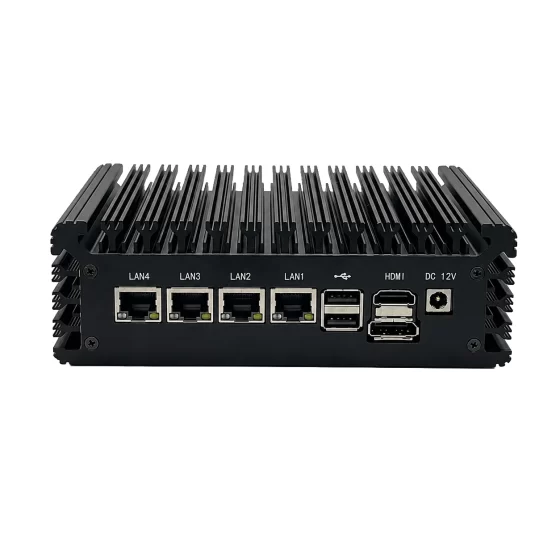
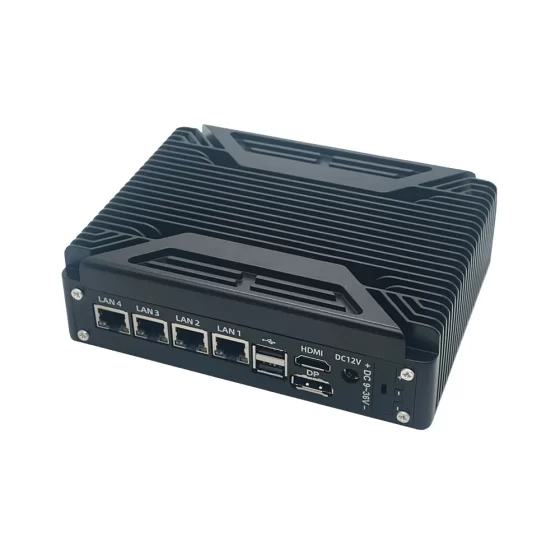
Решения CoreIPC для промышленных вычислений

Промышленный пограничный сервер для искусственного интеллекта: Надежный промышленный периферийный сервер для промышленных задач искусственного интеллекта
Управляющее резюме
Промышленный пограничный сервер обеспечивает локальную вычислительную основу для вывода результатов искусственного интеллекта., обработка машинного зрения, анализ промышленных данных, видеоанализ, мониторинг оборудования, и поддержка принятия решений в режиме реального времени в современных производственных средах.
Как заводы внедряют ИИ, промышленный Интернет вещей, машинное зрение, профилактическое обслуживание, робототехника, и цифровые производственные системы, больше данных необходимо обрабатывать вблизи производственного оборудования. Отправка каждого изображения, запись датчика, или машинное событие в облаке может увеличить задержку, стоимость полосы пропускания, проблемы безопасности данных, и зависимость от доступности сети.
Промышленный компьютер или встроенный компьютер, развернутый в качестве пограничного сервера, может обрабатывать рабочие нагрузки ИИ локально.. Он может подключать камеры, ПЛК, датчики, роботы, шлюзы, машинные контроллеры, устройства хранения данных, и заводские сети. Он также может запускать модели вывода AI., собирать промышленные данные, буферные записи, поддержка информационных панелей, и отправить выбранные результаты в MES, СКАДА, облачные платформы, или корпоративные системы.
По сравнению со стандартными коммерческими серверами или офисными ПК, промышленные периферийные серверы предназначены для суровых заводских условий. Они обеспечивают прочную механическую конструкцию, гибкий ввод-вывод, стабильные тепловые характеристики, варианты без вентилятора или с низким уровнем обслуживания, надежная сеть, и поддержка длительного жизненного цикла.
В этой статье объясняется, как промышленные пограничные серверы поддерживают приложения искусственного интеллекта., с какими проблемами внедрения сталкиваются производители, как работает архитектура решения, и какие аппаратные функции важны при выборе промышленного пограничного сервера для рабочих нагрузок ИИ.
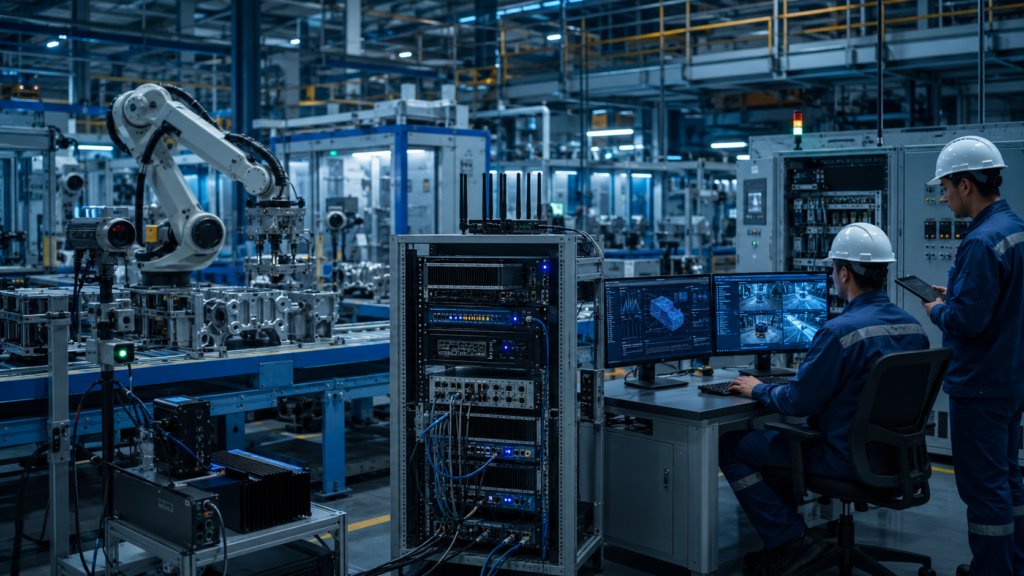
Промышленные компьютеры обрабатывают рабочие нагрузки ИИ рядом с машинами, камеры, датчики, и производственные линии.
Обзор отрасли
ИИ приближается к промышленному оборудованию
Внедрение ИИ в производстве растет во многих областях применения.
Заводы используют ИИ для визуального контроля, классификация дефектов, мониторинг производства, роботизированное наведение, профилактическое обслуживание, оптимизация процесса, мониторинг безопасности, и энергетический анализ.
Эти приложения часто требуют быстрой локальной обработки.. Система проверки камер может потребовать немедленного принятия решения о прохождении или отказе.. Роботизированной ячейке могут потребоваться данные позиционирования в реальном времени.. Системе профилактического обслуживания может потребоваться обнаружить аномальную вибрацию до того, как оборудование выйдет из строя..
Вот почему рабочие нагрузки ИИ все чаще перемещаются с централизованных серверов на платформы промышленных периферийных вычислений..
Почему периферийные вычисления важны для ИИ
Облачные вычисления полезны для обучения моделей., централизованная аналитика, и управление данными на уровне предприятия.
Однако, многие промышленные приложения искусственного интеллекта не могут зависеть только от облака. Производственные линии нуждаются в местном реагировании, локальная буферизация, и стабильная работа даже при изменении условий сети.
Промышленный пограничный сервер помогает решить эту проблему, обрабатывая данные рядом с машинами..
Он может поддерживать:
- Вывод ИИ
- Машинное зрение
- Видеоаналитика
- Обработка данных датчиков
- Сбор данных ПЛК
- Работа с локальной базой данных
- Мониторинг оборудования
- Панели управления производством
- Передача данных между краями и облаком
- Сигнализация в реальном времени и логика управления
Это улучшает время отклика и уменьшает ненужную передачу данных..
Промышленные вычисления отличаются от офисного ИТ-оборудования
Заводские помещения отличаются от офисных серверных помещений.
Пограничный сервер может быть установлен в шкафу управления., возле производственной линии, внутри машины, рядом с роботизированной ячейкой, или на территории распределенного завода. Эти места могут содержать пыль, вибрация, электрический шум, ограниченное пространство, изменение температуры, и продолжительное время работы.
Промышленные компьютеры и встраиваемые компьютеры разработаны для таких условий развертывания..
Они обеспечивают лучшую пригодность для установки со стороны машины., промышленные сети, Расширение ввода/вывода, стабильное крепление, и долгосрочное обслуживание системы.

Данные нескольких камер, сенсорные сети, хранилище, и заводская связь влияют на надежность периферийного ИИ.
Ключевые проблемы
Разнообразие рабочих нагрузок ИИ
Рабочие нагрузки промышленного искусственного интеллекта сильно различаются.
Станции обнаружения дефектов с одной камерой может потребоваться умеренная вычислительная мощность.. Многокамерная система AOI., платформа видеоаналитики, или пограничный сервер искусственного интеллекта для нескольких производственных линий может потребовать более мощного процессора., графический процессор, память, и ресурсы хранения.
Общие рабочие нагрузки ИИ включают в себя:
- Классификация изображений
- Обнаружение объектов
- Сегментация дефектов
- OCR и распознавание кода
- Видеоаналитика
- Модели прогнозного обслуживания
- Обнаружение аномалий
- Обработка зрения робота
- Датчик слияния
- Аналитика локальных данных
Промышленный пограничный сервер следует выбирать в соответствии с фактической рабочей нагрузкой., не только общие характеристики продукта.
Требования к обработке в реальном времени
Многие заводские приложения искусственного интеллекта требуют быстрого реагирования.
Если обработка изображений, вывод, или анализ данных задерживается, система может не выполнить правильное действие в нужное время.
Требования реального времени могут появиться в:
- Отказ от дефекта
- Наведение робота
- Конвейерная сортировка
- Мониторинг безопасности
- Сигнализация оборудования
- Обнаружение отклонений процесса
- Высокоскоростная камера осмотра
- Проверка упаковки
Пограничный сервер должен обеспечивать стабильную и устойчивую производительность при непрерывной производственной нагрузке..
Пропускная способность данных и нагрузка на хранилище
Системы искусственного интеллекта могут генерировать большие объемы данных.
Камеры высокого разрешения, несколько видеопотоков, датчики, Журналы ПЛК, инспекционные изображения, и производственные базы данных могут создавать высокие требования к пропускной способности и объему хранилища..
Промышленному периферийному серверу может потребоваться обработка:
- Потоки данных камеры
- Файлы моделей AI
- Изображения дефектов
- Видеоклипы
- История датчика
- Локальные базы данных
- Производственные журналы
- Временная буферизация данных
- Периферийная синхронизация с облаком
Если скорость хранения или пропускная способность сети недостаточны, в системе могут возникать пропущенные кадры, отложенная обработка, или неполные записи.
Интеграция заводской сети
Промышленные периферийные серверы должны подключаться как к операционным технологиям, так и к системам информационных технологий..
Это может включать сети ПЛК., машинные сети, сети камер, МЧС-серверы, СКАДА-системы, облачные шлюзы, брандмауэры, и корпоративные базы данных.
Практическое развертывание периферийного ИИ может потребовать разделения сети..
Например:
- Один порт LAN для камер
- Один порт LAN для ПЛК
- Один порт LAN для заводской ИТ-сети
- Один порт LAN для удаленного обслуживания или подключения к облаку
Несколько сетевых интерфейсов могут улучшить организацию, безопасность, и стабильность движения.
Долгосрочная надежность
Промышленные системы искусственного интеллекта часто развертываются для долгосрочной эксплуатации..
Если пограничный сервер выходит из строя, инспекция, мониторинг, аналитика, или сбор производственных данных может прекратиться. Это может повлиять на время безотказной работы производства и контроль качества..
Надежность оборудования особенно важна, когда сервер работает рядом с компьютерами, а не внутри чистого ИТ-помещения..
Конструкция промышленного уровня помогает сократить время простоев за счет поддержания стабильных тепловых характеристик., прочная механическая конструкция, надежное хранение, надежный монтаж, и непрерывность жизненного цикла.

Промышленные периферийные серверы соединяют рабочие нагрузки ИИ, заводское оборудование, локальные базы данных, и облачные системы.
Архитектура решения промышленного пограничного сервера
Уровень устройств и сбора данных
Уровень устройств включает все оборудование и источники данных, подключенные к промышленному пограничному серверу..
Этот слой может включать в себя:
- Промышленные камеры
- 3D-камеры
- Высокоскоростные камеры
- ПЛК
- Датчики
- Роботы
- Контроллеры движения
- Считыватели штрих-кодов
- Испытательное оборудование
- Счетчики энергии
- Контроллеры станков
- Промышленные шлюзы
Эти устройства генерируют необработанные данные, необходимые для вывода ИИ., мониторинг, и анализ производства.
Уровень промышленных периферийных вычислений
Уровень промышленных периферийных вычислений — это место, где промышленный пограничный сервер выполняет локальную обработку..
На этом слое, сервер может:
- Запуск моделей вывода ИИ
- Обработка изображений с камеры
- Анализ данных датчиков
- Сбор данных ПЛК
- Хранить локальные записи
- Запускайте пограничные базы данных
- Размещение облегченных информационных панелей
- Управление буферизацией данных
- Отправка сигналов тревоги или результатов
- Перенос выбранных данных в облако или MES-системы
Этот уровень является локальным интеллектуальным слоем между машинами и программными платформами более высокого уровня..
Вывод искусственного интеллекта и прикладной уровень
Уровень приложений искусственного интеллекта содержит программное обеспечение, используемое для промышленного интеллекта..
В зависимости от проекта, это может включать в себя:
- Программное обеспечение машинного зрения
- Среда выполнения вывода ИИ
- Модели обнаружения дефектов
- Программное обеспечение для видеоаналитики
- Модели прогнозного обслуживания
- Программное обеспечение для сбора данных
- Инструменты преобразования протоколов
- Панели локального мониторинга
- Программное обеспечение для оркестровки Edge
Промышленный компьютер должен поддерживать требуемую операционную систему., водители, Структура искусственного интеллекта, SDK камеры, и программное обеспечение для автоматизации.
Уровень интеграции автоматизации и управления
Пограничному серверу может потребоваться отправить результаты обратно на оборудование автоматизации..
Например, после проверки ИИ, он может отправить сигнал о прохождении или сбое в ПЛК. После обнаружения ненормальной вибрации оборудования, это может вызвать тревогу. После распознавания объекта, он может предоставлять координаты контроллеру робота.
Этот уровень интеграции может включать в себя:
- Связь с ПЛК
- Цифровой ввод/вывод
- Последовательная связь
- Промышленные протоколы на базе Ethernet
- Связь с контроллером робота
- Выход тревоги
- Обратная связь о состоянии машины
Надежный ввод-вывод и связь с малой задержкой важны для практического развертывания..
Уровень корпоративного и облачного подключения
Промышленный пограничный сервер также может соединять локальную производственную информацию с системами более высокого уровня..
Он может отправлять выбранные данные в:
- МЧС
- СКАДА
- ERP-система
- Качественные базы данных
- Облачные платформы
- Озера данных
- Системы удаленного мониторинга
- Платформы обслуживания
- Панели управления производством
Вместо отправки каждого необработанного изображения или значения датчика, пограничный сервер может обрабатывать данные локально и загружать только полезные результаты, исключения, резюме, или сжатые записи.
Ключевые особенности
Производительность вычислений ИИ
Рабочие нагрузки ИИ требуют стабильной вычислительной производительности.
Правильная конфигурация зависит от сложности модели., разрешение изображения, количество камер, частота данных датчика, количество видеопотоков, и необходимое время ответа.
При выборе оборудования следует учитывать:
- Производительность процессора
- Поддержка графического процессора или ускорителя искусственного интеллекта
- Объем памяти
- Скорость хранения
- Расширение PCIe
- Тепловой расчет
- Потребляемая мощность
- Поддержка операционной системы
- Совместимость программного обеспечения ИИ
Для легкого вывода ИИ, встроенного компьютера может быть достаточно. Для многокамерной проверки ИИ или видеоаналитики, может потребоваться периферийный компьютер с искусственным интеллектом или промышленный ПК с более сильным ускорением..
Несколько сетевых интерфейсов
Промышленным периферийным серверам часто требуется несколько портов LAN..
Это обеспечивает лучшее разделение между сетями камер., машинные сети, заводские ИТ-сети, и облачные подключения.
Несколько портов LAN могут помочь в поддержке:
- Изоляция трафика камеры
- Связь с ПЛК
- MES-подключение
- Удаленное обслуживание
- Сегментация безопасности
- Планирование резервной сети
- Многострочный сбор данных
Проектирование сети должно планироваться в соответствии с архитектурой предприятия и требованиями кибербезопасности..
Гибкий промышленный ввод-вывод
Пограничные серверы искусственного интеллекта должны подключаться к реальному оборудованию.
Важные параметры ввода-вывода могут включать в себя:
- локальная сеть
- USB
- RS232
- RS485
- GPIO
- Цифровой вход
- Цифровой выход
- HDMI
- ДисплейПорт
- М.2
- PCIe
- SATA или NVMe хранилище
Эти интерфейсы могут поддерживать камеры, датчики, ПЛК, считыватели штрих-кодов, контроллеры освещения, роботизированные системы, устройства хранения данных, и местные дисплеи.
Гибкий ввод-вывод сокращает количество внешних преобразователей и повышает надежность развертывания..
Прочная и безвентиляторная конструкция
Многие промышленные периферийные серверы развернуты рядом с производственным оборудованием..
Безвентиляторная конструкция может уменьшить попадание пыли и устранить одну распространенную точку механического отказа.. Прочные корпуса помогают защитить систему от вибрации., напряжение кабеля, и влияние установки.
Однако, Рабочие нагрузки ИИ могут выделять значительное количество тепла.
Для высокопроизводительных периферийных систем искусственного интеллекта, тепловой расчет должен быть тщательно проверен. Мощность процессора, ускорение графического процессора, размер корпуса, расход воздуха, температура окружающей среды, и расположение шкафа влияют на долгосрочную стабильность.
Надежное хранение и буферизация данных
Промышленным системам искусственного интеллекта может потребоваться локальное хранилище.
Пограничный сервер может хранить изображения, журналы, файлы модели, история датчика, локальные базы данных, видеоклипы, протоколы проверок, и временные данные во время сбоев в сети.
Обычно предпочтение отдается твердотельным накопителям или хранилищам NVMe, поскольку они обеспечивают более быстрый доступ и лучшую ударопрочность, чем механические накопители..
Для приложений с большим объемом данных, емкость хранения, писать выносливость, избыточность, метод резервного копирования, и политика хранения должна быть проверена перед развертыванием.
Длительный жизненный цикл и ремонтопригодность
Промышленные периферийные серверы часто становятся частью долгосрочной инфраструктуры автоматизации..
Частые изменения оборудования могут создать проблемы с проверкой программного обеспечения., проблемы совместимости драйверов, и проблемы с запчастями.
Промышленные вычислительные платформы с планированием жизненного цикла помогают производителям и системным интеграторам поддерживать согласованное развертывание на нескольких линиях., заводы, и поколения машин.
Это особенно важно для производителей OEM-оборудования и крупномасштабного внедрения промышленного искусственного интеллекта..
Сценарии развертывания
Инспекция машинного зрения с использованием искусственного интеллекта
Промышленные периферийные серверы обычно используются для проверки машинного зрения с помощью искусственного интеллекта..
Они могут обрабатывать изображения с камер, запускать модели обнаружения дефектов, классифицировать дефекты, и отправлять результаты в ПЛК или системы качества.
Приложения могут включать проверку электроники., полупроводниковый АОИ, проверка батареи, проверка упаковки, инспекция пищевых продуктов, и фармацевтическая инспекция.
Многокамерная видеоаналитика
Заводы могут использовать видеоаналитику для мониторинга процессов, наблюдение за безопасностью, определение состояния оборудования, и анализ производственных потоков.
Промышленный пограничный сервер может локально обрабатывать несколько видеопотоков и отправлять только оповещения., события, или сводные данные в системы более высокого уровня.
Это снижает нагрузку на сеть и улучшает время отклика..
Прогнозируемое обслуживание
Системы прогнозного обслуживания собирают данные с датчиков вибрации., датчики температуры, моторы, насосы, компрессоры, и контроллеры станков.
Пограничный сервер может анализировать локальные данные для обнаружения аномальных закономерностей и генерировать оповещения о техническом обслуживании..
Это помогает группам технического обслуживания раньше выявлять потенциальные проблемы..
Робототехника и приложения для движения
Роботизированным системам может потребоваться локальная обработка ИИ для распознавания объектов, локализация детали, мониторинг траектории, или визуальное руководство.
Промышленный пограничный сервер может обрабатывать данные с камер или датчиков и отправлять полезные результаты на контроллеры роботов или ПЛК..
Это поддерживает более гибкие рабочие процессы автоматизации и роботизированного контроля..
Обработка данных промышленного Интернета вещей
Промышленные системы Интернета вещей собирают данные о машинах на всех производственных линиях..
Пограничный сервер может агрегировать данные от датчиков., ПЛК, шлюзы, и машины. Он может обрабатывать данные локально, запускать аналитику, и передать выбранную информацию в МЧС, СКАДА, или облачные платформы.
Это создает практичный мост между производственным оборудованием и корпоративным программным обеспечением..
Умный склад и логистика
Склады и логистические центры могут использовать периферийный искусственный интеллект для распознавания штрих-кодов, сортировка посылок, отслеживание посылок, мониторинг безопасности, и конвейерная аналитика.
Промышленные периферийные серверы могут обрабатывать данные камер и сортировать события рядом с оборудованием автоматизации..
Это поддерживает более быстрое принятие решений по маршрутизации и более надежную отслеживаемость..
Мониторинг энергетики и коммунальных услуг
Промышленные предприятия могут использовать пограничные серверы для обработки данных счетчиков электроэнергии, состояние оборудования, экологические данные, и информация о коммунальных системах.
Модели искусственного интеллекта могут помочь обнаружить аномальные модели потребления, неэффективность оборудования, или эксплуатационные аномалии.
Это поддерживает управление энергопотреблением и оптимизацию объекта..
Интеграция OEM-оборудования AI
Производители машин могут интегрировать промышленные периферийные серверы в инспекционные машины, умные шлюзы, роботизированные системы, и производственное оборудование с поддержкой искусственного интеллекта.
Вычислительная платформа может обеспечить вывод ИИ, хранение данных, интерфейсы связи, локальные информационные панели, и возможность подключения к заводской системе.
Это помогает OEM-производителям поставлять оборудование, готовое для интеллектуальных производственных сред..
Преимущества для бизнеса
Меньшая задержка для принятия решений ИИ
Промышленный пограничный сервер обрабатывает данные рядом с машинами.
Это уменьшает задержку между сбором данных и выдачей решения.. Более быстрая локальная обработка важна для отклонения дефектов, наведение робота, сигналы тревоги, и мониторинг производства в режиме реального времени.
Работа с малой задержкой помогает системам искусственного интеллекта стать практическими производственными инструментами, а не просто автономными системами аналитики..
Уменьшенная нагрузка на пропускную способность облака
Промышленные системы искусственного интеллекта могут генерировать большие объемы необработанных данных.
Отправка всех изображений, видео, и записи датчиков в облако могут привести к высокой нагрузке на сеть и затратам на хранение..
Пограничные серверы могут обрабатывать данные локально и загружать только полезные результаты., например, записи о дефектах, сигналы тревоги, резюме, или выбранные изображения.
Это делает развертывание искусственного интеллекта на заводе более эффективным..
Повышенная надежность производства
Локальные периферийные вычисления снижают зависимость от доступности внешней сети.
Даже если связь с облаком или корпоративной сетью прервана, пограничный сервер может продолжить локальную обработку, буферизация, и оборудование связи.
Это повышает устойчивость производства и помогает поддерживать стабильную работу..
Более надежная безопасность данных
Некоторые заводы предпочитают хранить конфиденциальные производственные данные., изображения, обрабатывать информацию, или записи оборудования внутри локальной сети.
Промышленный пограничный сервер позволяет локально обрабатывать больше данных.
Только выбранная информация должна быть доступна для внешнего доступа., в зависимости от политики обработки данных завода и конструкции кибербезопасности.
Улучшенная интеграция с промышленным оборудованием
Промышленные пограничные серверы поддерживают интерфейсы, необходимые для заводского оборудования..
Они могут подключаться к камерам, ПЛК, датчики, роботы, шлюзы, и промышленные сети.
Это делает развертывание ИИ более практичным, поскольку вычислительная платформа может взаимодействовать с реальными машинами., не только программные системы.
Масштабируемое интеллектуальное производство
Стандартизированная платформа промышленных пограничных серверов упрощает развертывание ИИ на нескольких линиях и заводах..
Согласованное оборудование упрощает образы программного обеспечения, управление водителем, планирование запасных частей, обучение техническому обслуживанию, и поддержка жизненного цикла.
Это помогает производителям перейти от пилотных проектов ИИ к масштабируемому производственному развертыванию..
Почему CoreIPC
CoreIPC предоставляет промышленные вычислительные платформы для периферийного искусственного интеллекта, машинное зрение, промышленный Интернет вещей, автоматизация производства, и встроенная системная интеграция. Для приложений промышленных пограничных серверов, CoreIPC специализируется на надежном промышленном компьютерном оборудовании., встроенные компьютерные решения, гибкие конфигурации ввода-вывода, компактная конструкция системы, и поддержка настройки OEM/ODM. CoreIPC помогает системным интеграторам, машиностроители, и производственные группы выбирают вычислительные платформы, соответствующие реальным требованиям развертывания, включая рабочую нагрузку ИИ, интерфейсы камеры, сетевой дизайн, автоматизация связи, потребности в хранении, способы крепления, потребляемая мощность, термические условия, и планирование жизненного цикла.
Часто задаваемые вопросы
1. Что такое промышленный пограничный сервер?
Промышленный пограничный сервер — это надежная вычислительная платформа, используемая для обработки данных рядом с машинами., датчики, камеры, и производственное оборудование.
Он может выполнять вывод AI, собирать промышленные данные, обрабатывать изображения, хранить локальные записи, общаться с ПЛК, и отправить выбранные данные в МЧС, СКАДА, облачные платформы, или базы данных. Он предназначен для заводских условий, где важны надежность и промышленная связь..
2. Зачем использовать промышленный пограничный сервер для искусственного интеллекта?
Приложения искусственного интеллекта часто требуют быстрой локальной обработки..
Промышленный пограничный сервер снижает задержку, снижает использование облачной пропускной способности, поддерживает локальную буферизацию данных, и повышает устойчивость производства. Он может обрабатывать изображения, видеопотоки, данные датчика, и машинные события рядом с оборудованием, позволяя быстрее принимать решения по проверке, мониторинг, сигналы тревоги, и автоматизация управления.
3. Как встроенный компьютер используется в качестве пограничного сервера?
Встроенный компьютер может выступать в качестве компактного пограничного сервера для обработки ИИ на стороне машины., сбор данных, и локальная аналитика.
Может быть установлен внутри шкафов управления., инспекционные машины, роботизированные клетки, умные шлюзы, или OEM-оборудование. Его компактный дизайн делает его полезным там, где пространство ограничено, но все еще необходимы локальные вычисления и промышленная связь..
4. Какие рабочие нагрузки искусственного интеллекта могут поддерживать промышленные периферийные серверы?
Промышленные периферийные серверы могут поддерживать визуальный контроль, обнаружение дефектов, оптическое распознавание текста, распознавание штрих-кода, видеоаналитика, профилактическое обслуживание, обнаружение аномалий, анализ данных датчиков, роботизированное зрение, и обработка данных промышленного Интернета вещей.
Точная рабочая нагрузка зависит от производительности процессора., Поддержка графического процессора или ускорителя искусственного интеллекта, память, полоса пропускания камеры, скорость хранения, и совместимость программных фреймворков.
5. Какие интерфейсы важны для промышленных пограничных серверов?
Важные интерфейсы могут включать несколько портов LAN., USB 3.0, RS232, RS485, GPIO, цифровой вход, цифровой выход, HDMI, ДисплейПорт, М.2, PCIe, САТА, и поддержка хранилища NVMe.
Несколько портов LAN особенно полезны для разделения сетей камер., машинные сети, заводские ИТ-сети, и облачные подключения.
6. Нужен ли промышленному периферийному серверу графический процессор?
Некоторым рабочим нагрузкам ИИ требуется поддержка графического процессора или ускорителя ИИ., специально для многокамерного обзора, обработка изображений высокого разрешения, видеоаналитика, или сложные модели глубокого обучения.
Другие рабочие нагрузки могут выполняться на промышленных компьютерах на базе ЦП, если модель легкая и требования ко времени отклика умеренные.. Аппаратное обеспечение следует выбирать на основе реальной производительности модели ИИ и производственной нагрузки..
7. Можно ли использовать безвентиляторные промышленные компьютеры в качестве пограничных серверов??
Безвентиляторные промышленные компьютеры можно использовать в качестве пограничных серверов для многих умеренных рабочих нагрузок..
Они уменьшают попадание пыли и устраняют одну точку механического отказа.. Однако, высокопроизводительные рабочие нагрузки искусственного интеллекта могут выделять значительное количество тепла. Мощность процессора, Использование графического процессора, конструкция корпуса, температура окружающей среды, поток воздуха в шкафу, и место установки должны быть проверены перед окончательным выбором..
8. Как промышленный пограничный сервер соединяется с облачными платформами?
Промышленный пограничный сервер может обрабатывать данные локально и отправлять выбранные результаты на облачные платформы через защищенные сетевые соединения..
Он может загружать сигналы тревоги, резюме, результаты проверки, выходные данные модели, или сжатые записи вместо отправки всех необработанных данных. Это снижает нагрузку на полосу пропускания, сохраняя при этом поддержку облачной аналитики и централизованного мониторинга..
9. Могут ли промышленные периферийные серверы подключаться к системам MES и SCADA??
Да. Промышленные периферийные серверы могут подключаться к MES, СКАДА, качественные базы данных, производственные панели, и платформы заводских данных.
Они могут собирать данные с машин, обработать его локально, и пересылать структурированную информацию в системы более высокого уровня.. Это помогает соединить производственное оборудование с рабочими процессами цифрового производства..
10. Что следует протестировать перед развертыванием промышленного пограничного сервера?
Перед развертыванием, система должна быть протестирована на реальных моделях ИИ, настоящие камеры, настоящие датчики, Связь с ПЛК, сетевая архитектура, рабочая нагрузка хранилища, подключение к базе данных, термические условия, и длительная эксплуатация.
Тестирование также должно включать поведение при отказе., локальная буферизация, стабильность загрузки данных, и доступ для обслуживания. Это помогает снизить риск во время развертывания производства..
Заключение
Промышленный пограничный сервер — практическая основа для вывода ИИ, машинное зрение, промышленная аналитика Интернета вещей, обработка видео, профилактическое обслуживание, и интеллектуальная интеграция производственных данных.
Размещая промышленное компьютерное оборудование рядом с камерами, датчики, ПЛК, роботы, шлюзы, и производственное оборудование, производители могут обрабатывать данные локально, уменьшить задержку, более низкое использование полосы пропускания, и повысить устойчивость производства.
Правильный промышленный или встроенный компьютер следует выбирать в соответствии с реальными требованиями к развертыванию., включая рабочую нагрузку ИИ, интерфейс камеры, сетевой дизайн, Конфигурация ввода/вывода, емкость хранения, потребности в расширении, метод монтажа, потребляемая мощность, термические условия, поддержка операционной системы, и планирование жизненного цикла.
CoreIPC поддерживает проекты промышленных периферийных серверов с помощью промышленных вычислительных платформ, предназначенных для практического развертывания предприятий и оборудования.. С правильной аппаратной основой, производители и производители оборудования могут создавать более надежные, масштабируемый, и системы искусственного интеллекта, управляемые данными, на переднем крае промышленности.
Связаться с нами
Ищу промышленный компьютер, встроенный компьютер, или периферийная платформа искусственного интеллекта для проекта промышленного периферийного сервера?
Свяжитесь с CoreIPC, чтобы обсудить требования вашего проекта, включая рабочую нагрузку ИИ, интерфейс камеры, сетевая архитектура, Конфигурация ввода/вывода, дизайн хранилища, автоматизация связи, метод монтажа, потребляемая мощность, операционная среда, потребности жизненного цикла, и варианты настройки OEM/ODM.