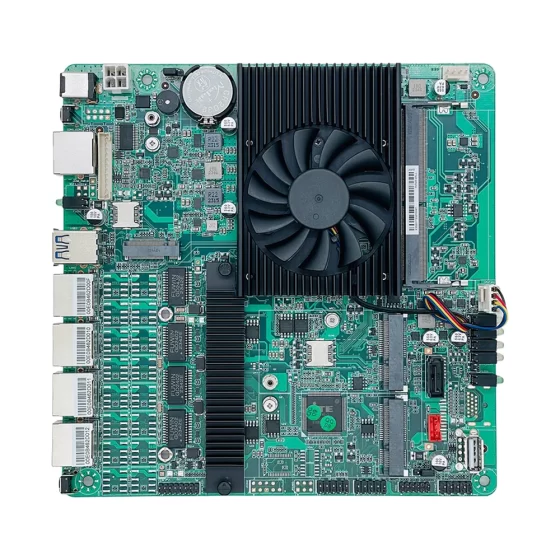
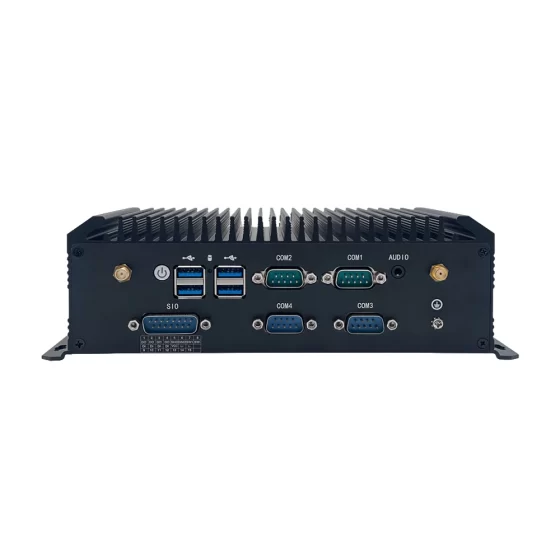
Решения CoreIPC для промышленных вычислений

Управляющее резюме
Промышленный компьютер Siemens PLC служит важнейшим компонентом современных систем промышленной автоматизации., включение обработки данных, визуализация, коммуникация, и функции периферийных вычислений, дополняющие контроллеры ПЛК Siemens. В то время как ПЛК Siemens отвечают за детерминированное управление оборудованием и задачи автоматизации в реальном времени., промышленные компьютеры предоставляют расширенные возможности, такие как визуализация ЧМИ., SCADA-интеграция, регистрация данных, профилактическое обслуживание, промышленные сети, и периферийная аналитика ИИ.
Как промышленность 4.0 инициативы продолжают ускоряться, Производителям все чаще требуются промышленные вычислительные платформы, которые могут легко интегрироваться с Siemens S7-1200., С7-1500, восточноевропейское время 200, и другие системы автоматизации Siemens. Промышленные компьютеры и встроенные компьютеры играют жизненно важную роль в объединении операционных технологий. (ОТ) и информационные технологии (ЭТО), возможность сбора данных в режиме реального времени, промышленная связь, подключение к облаку, и разумное принятие решений.
В этой статье исследуется роль промышленных компьютеров в приложениях ПЛК Siemens., ключевые проблемы развертывания, архитектуры решений, основные функции, сценарии развертывания, и рекомендуемые категории продуктов CoreIPC для проектов промышленной автоматизации.

Промышленные компьютеры обеспечивают обработку данных, визуализация, и возможности периферийных вычислений для систем автоматизации на базе ПЛК Siemens..
Обзор отрасли
Растущая роль систем ПЛК Siemens в промышленной автоматизации
ПЛК Siemens широко используются в различных отраслях, включая:
- Производство
- Автомобильное производство
- Обработка продуктов питания и напитков
- Фармацевтическое производство
- Логистика и складирование
- Энергоменеджмент
- Водоочистные сооружения
- Автоматизация зданий
Платформа Siemens SIMATIC стала одной из наиболее широко распространенных экосистем промышленной автоматизации в мире благодаря своей надежности., масштабируемость, и широкие коммуникационные возможности.
Однако, современные системы автоматизации требуют большего, чем традиционное управление ПЛК.
Промышленные предприятия все чаще требуют:
- Мониторинг производства в режиме реального времени
- Принятие решений на основе данных
- Прогностическое обслуживание
- Удаленная диагностика
- Промышленная интеграция Интернета вещей
- Возможности периферийных вычислений
- Аналитика на базе искусственного интеллекта
Эти требования создают потребность в мощном промышленном компьютерном решении Siemens PLC..
Промышленность 4.0 и тенденции периферийных вычислений
Современные фабрики переходят к «умной» производственной среде, где машины, датчики, ПЛК, промышленные компьютеры, и облачные платформы работают вместе.
Ключевые тенденции включают в себя:
- Развертывание промышленного Интернета вещей
- Инициативы «умного завода»
- Цифровые двойники
- Периферийные вычисления с использованием искусственного интеллекта
- Интеграция машинного зрения
- Аналитика производства в режиме реального времени
- Повышение кибербезопасности
- Облачные производственные системы
В этих архитектурах, промышленные компьютеры служат вычислительной основой, которая обрабатывает и распределяет операционные данные, генерируемые системами ПЛК Siemens..
Ключевые проблемы
Развертывание промышленных компьютеров вместе с системами ПЛК Siemens представляет собой несколько практических задач..
Суровые промышленные условия
Промышленные предприятия часто подвергают оборудование воздействию:
- Пыль
- Загрязнение масла
- Удары и вибрация
- Высокая влажность
- Электромагнитные помехи
- Большие колебания температуры
Традиционные офисные ПК не могут надежно работать в таких условиях..
Требования к обработке данных в реальном времени
Современные производственные линии генерируют данные из:
- ПЛК
- Датчики
- Камеры
- Сканеры штрих-кода
- Системы технического зрения
- MES-платформы
Промышленные компьютеры должны обрабатывать эту информацию с минимальной задержкой..
Несколько промышленных протоколов
Промышленному компьютеру ПЛК Siemens может потребоваться связь с использованием:
- ПРОФИНЕТ
- ПРОФИБУС
- ОПЦ ЮА
- Модбус TCP
- ЭтерНет/IP
- MQTT
- TCP/IP
Управление совместимостью протоколов может быть сложным.
Интеграция устаревших систем
Многие заводы работают в смешанной среде, содержащей:
- Устаревшие ПЛК Siemens
- Новые системы S7-1500
- Стороннее оборудование для автоматизации
- Существующие системы SCADA
Промышленные компьютеры часто действуют как шлюзы интеграции..
Риски кибербезопасности
Поскольку производственные системы становятся взаимосвязанными, риски возрастают от:
- Несанкционированный доступ
- Вредоносные атаки
- Утечки данных
- Инциденты с программами-вымогателями
Промышленные вычислительные платформы должны поддерживать методы безопасного развертывания..
Требования к масштабируемости
Производителям нужны решения, способные вырасти из:
- Развертывание на одной машине
- Производственные ячейки
- Общезаводские системы автоматизации
- Многосайтовые операции
Масштабируемые промышленные компьютерные архитектуры необходимы.

Промышленная компьютерная архитектура для приложений ПЛК Siemens, подключение полевых устройств, промышленные сети, СКАДА-системы, и корпоративные платформы.
Архитектура решения
Архитектура промышленного компьютера Siemens PLC
Типичное промышленное компьютерное решение Siemens PLC включает в себя несколько уровней автоматизации..
Слой поля
Устройства включают в себя:
- Датчики
- Кодеры
- RFID-считыватели
- Датчики температуры
- Датчики давления
- Расходомеры
- Промышленные камеры
Эти устройства собирают эксплуатационные данные от машин и производственных процессов..
Слой управления
Уровень управления состоит из оборудования автоматизации Siemens, такого как:
- ПЛК SIMATIC S7-1200
- ПЛК SIMATIC S7-1500
- восточноевропейское время 200 Распределенный ввод-вывод
- Частотно-регулируемые приводы
- Сервоконтроллеры
ПЛК выполняют детерминированную логику управления и управляют полевыми устройствами..
Уровень промышленной сети
Сети связи могут включать в себя:
- ПРОФИНЕТ
- Промышленный Ethernet
- ПРОФИБУС
- Оптоволоконный Ethernet
- Беспроводные промышленные сети
Эти сети передают данные между контроллерами и вычислительными платформами..
Промышленный компьютерный уровень
Промышленные компьютеры работают:
- Сбор данных
- ЧМИ-визуализация
- работа SCADA
- Производственная отчетность
- Управление базой данных
- Периферийная аналитика
- Локальная обработка ИИ
Промышленный компьютер собирает операционные данные с ПЛК Siemens и преобразует их в полезную информацию..
Корпоративный уровень
Промышленные компьютеры обмениваются информацией с:
- MES-системы
- ERP-системы
- Облачные платформы
- Озера данных
- Платформы прогнозного обслуживания
Это обеспечивает видимость в масштабах всего предприятия..
Ключевые характеристики промышленного компьютера для приложений ПЛК Siemens
1. Высокопроизводительная обработка
Приложения промышленной автоматизации часто требуют:
- Многопоточные рабочие нагрузки
- Обработка базы данных
- Рендеринг визуализации
- Аналитические системы
Современные промышленные компьютеры предоставляют достаточные вычислительные ресурсы для требовательных приложений..
2. Безвентиляторный промышленный дизайн
Безвентиляторные системы предлагают:
- Более низкие требования к техническому обслуживанию
- Уменьшение количества отказов
- Повышенная надежность
- Тихая работа
Это делает их пригодными для заводского развертывания..
3. Широкий диапазон температур
Промышленные условия часто выходят за рамки обычных офисных условий эксплуатации..
Промышленные компьютеры поддерживают стабильную работу в:
- Производственные предприятия
- Уличные шкафы
- Транспортные системы
- Энергетические объекты
4. Промышленная связь
Варианты подключения обычно включают в себя:
- Несколько портов Gigabit LAN
- Последовательные порты
- USB-интерфейсы
- Цифровой ввод/вывод
- CAN-шина
- Беспроводные модули
Эти интерфейсы упрощают интеграцию ПЛК..
5. Возможности периферийных вычислений
Промышленные компьютеры могут обрабатывать данные локально перед передачей в облако.
Преимущества включают в себя:
- Снижение потребления полосы пропускания
- Уменьшенная задержка
- Более быстрое время ответа
- Повышенная надежность
6. Интеграция машинного зрения
Поддержка промышленных компьютеров:
- Визуальный осмотр
- Распознавание штрих-кода
- Обнаружение дефектов
- Системы обеспечения качества
Машинное зрение часто работает вместе с системами ПЛК Siemens..
7. Поддержка кибербезопасности
Промышленное внедрение все чаще требует:
- Безопасная загрузка
- Доверенные модули платформы
- Сегментация сети
- Контроль доступа
- Шифрование данных
Безопасность должна быть интегрирована в дизайн системы.
8. Удаленное управление
Функции удаленного управления улучшаются:
- Диагностика
- Обслуживание
- Обновления прошивки
- Системный мониторинг
Это снижает эксплуатационные расходы.
9. Доступность в течение длительного жизненного цикла
Проекты промышленной автоматизации часто остаются работоспособными в течение многих лет..
Платформы промышленного уровня обеспечивают:
- Стабильные аппаратные платформы
- Долгосрочная доступность
- Контролируемый жизненный цикл продукта
- Упрощенное планирование технического обслуживания

Промышленные компьютеры позволяют выполнять периферийные вычисления в реальном времени, локальная аналитика, и обработка данных для систем автоматизации на базе ПЛК Siemens.
Рекомендуемые продукты CoreIPC
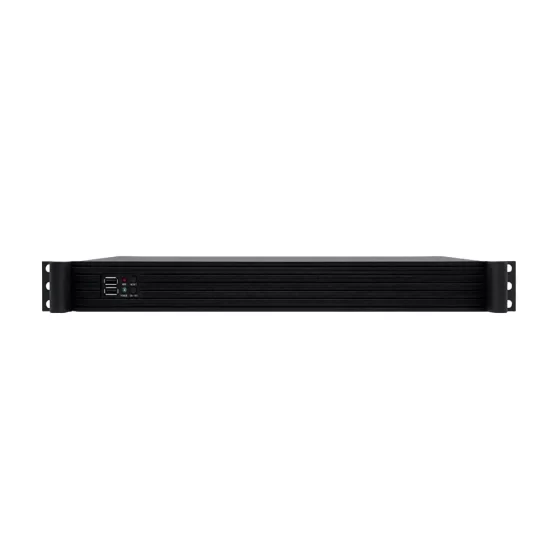
Промышленные ПК
Подходит для:
- Автоматизация производства
- Мониторинг производства
- Рабочие станции SCADA
Преимущества:
- Гибкое расширение
- Высокая производительность обработки
- Широкие возможности подключения
Безвентиляторные промышленные ПК
Подходит для:
- Пыльная среда
- Встроенные системы управления
- Интеграция оборудования
Преимущества:
- Работа без обслуживания
- Повышенная надежность
- Компактное развертывание
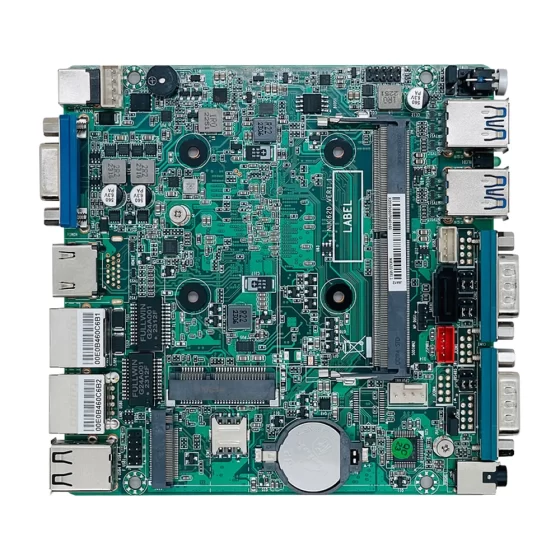
Встроенные компьютеры
Подходит для:
- Контроллеры станков
- Узлы периферийных вычислений
- Системы сбора данных
Преимущества:
- Компактный размер
- Низкое энергопотребление
- Высокая возможность интеграции
Встраиваемые блочные ПК
Подходит для:
- Шкафы автоматизации
- АГВ системы
- Умное оборудование
Преимущества:
- Прочная конструкция
- Гибкие возможности монтажа
- Промышленная надежность
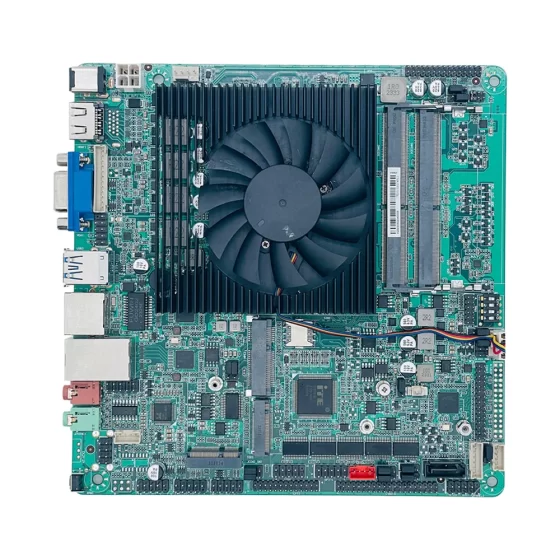
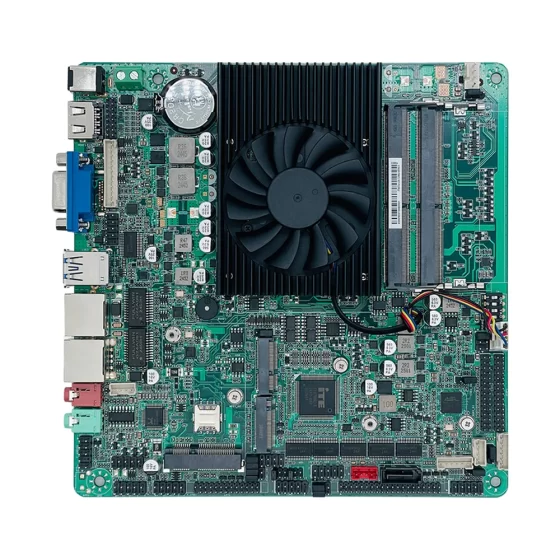
Материнские платы Mini-ITX
Подходит для:
- Нестандартное оборудование для автоматизации
- Сопутствующие системы ПЛК Siemens
- OEM-проекты
Преимущества:
- Стандартизированный форм-фактор
- Богатые ресурсы ввода-вывода
- Гибкая конструкция системы
3.5-дюймовые SBC
Подходит для:
- Системы с ограниченным пространством
- Встраиваемые устройства автоматизации
- Компактное промышленное оборудование
Преимущества:
- Небольшая занимаемая площадь
- Промышленная долговечность
- Экономически эффективное развертывание
Периферийные компьютеры с искусственным интеллектом
Подходит для:
- Интеллектуальное производство
- Машинное зрение
- Прогностическое обслуживание
Преимущества:
- ИИ-ускорение
- Аналитика в реальном времени
- Возможность вывода границ
Сценарии развертывания
Умный мониторинг производства
Промышленные компьютеры собирают производственные данные из систем ПЛК Siemens и предоставляют операторам и руководству информационные панели в режиме реального времени..
Машинное зрение
Промышленные компьютеры обрабатывают изображения с промышленных камер, а ПЛК Siemens координируют действия по управлению оборудованием..
AGV и мобильная робототехника
Встроенные компьютеры поддерживают навигацию., управление автопарком, и коммуникация при интеграции с системами автоматизации производства.
Автоматизация склада
Промышленные компьютеры управляют:
- Конвейерные системы
- Сортировочное оборудование
- Сканирование штрих-кода
- Отслеживание запасов
при общении с контроллерами ПЛК Siemens.
Системы энергоменеджмента
Промышленные компьютеры собирают и анализируют данные о энергопотреблении оборудования, управляемого ПЛК..
Водоочистные сооружения
Промышленные компьютеры обеспечивают:
- СКАДА-визуализация
- Регистрация данных
- Управление тревогами
- Удаленный мониторинг
для систем управления на базе Siemens.
Умные транспортные системы
Промышленные компьютеры интегрируются с инфраструктурой управления дорожным движением и устройствами автоматизации Siemens для интеллектуальных транспортных приложений..
Преимущества для бизнеса
Организации, внедряющие промышленные компьютеры вместе с системами ПЛК Siemens, могут добиться измеримых преимуществ..
Сокращение времени простоя
Мониторинг в режиме реального времени позволяет быстрее обнаруживать и устранять неисправности..
Повышенная производительность
Улучшенная видимость данных способствует оптимизации процессов и повышению эффективности производства..
Снижение затрат на техническое обслуживание
Прогнозируемое техническое обслуживание снижает вероятность непредвиденных сбоев оборудования..
Улучшенная операционная прозрачность
Менеджеры получают доступ к комплексным производственным данным и аналитике.
Более быстрое принятие решений
Информация в режиме реального времени обеспечивает более быстрое оперативное реагирование.
Улучшенная масштабируемость
Промышленные вычислительные платформы поддерживают будущее расширение без серьезной перестройки инфраструктуры..
Почему CoreIPC
CoreIPC специализируется на промышленных вычислениях и встраиваемых аппаратных решениях для приложений автоматизации..
CoreIPC поддерживает клиентов посредством:
- Опыт промышленных вычислений
- Разработка встроенного оборудования
- OEM-производственные услуги
- Поддержка ODM-проекта
- Возможности настройки продукта
- Стратегии продукта с длительным жизненным циклом
- Глобальная поддержка развертывания
- Гибкие решения для промышленных платформ
Интеграция с системами ПЛК Siemens, платформы машинного зрения, промышленное внедрение Интернета вещей, или периферийные вычислительные инфраструктуры, CoreIPC предоставляет масштабируемые вычислительные платформы, предназначенные для промышленных сред..
Часто задаваемые вопросы
1. Что такое промышленный компьютер Siemens PLC?
Промышленный компьютер Siemens PLC — это вычислительная платформа промышленного уровня, которая работает вместе с контроллерами Siemens PLC для обеспечения визуализации., обработка данных, коммуникация, Функционал SCADA, и возможности периферийных вычислений.
2. Может ли промышленный компьютер заменить ПЛК Siemens?
В целом, нет. ПЛК предназначены для детерминированного управления в реальном времени., в то время как промышленные компьютеры сосредоточены на обработке данных, визуализация, и сложные вычислительные задачи. Обе системы обычно дополняют друг друга..
3. Какие серии ПЛК Siemens обычно используются с промышленными компьютерами??
Общие интеграции включают Siemens S7-1200., С7-1500, восточноевропейское время 200, и устаревшие платформы S7, используемые в средах автоматизации производства и процессов..
4. Как промышленный компьютер взаимодействует с ПЛК Siemens?
Связь обычно происходит через PROFINET., ОПЦ ЮА, Модбус TCP, Промышленный Ethernet, или другие протоколы промышленной связи.
5. Зачем использовать безвентиляторный промышленный компьютер?
Безвентиляторные системы сокращают расходы на техническое обслуживание, повысить надежность, и устранить сбои в охлаждении, связанные с пылью, в промышленных условиях.
6. Какие приложения больше всего выигрывают от промышленных компьютеров?
Приложения включают SCADA, ЧМИ, машинное зрение, профилактическое обслуживание, промышленный Интернет вещей, периферийная аналитика, и мониторинг производства.
7. Могут ли промышленные компьютеры поддерживать системы машинного зрения??
Да. Промышленные компьютеры часто обрабатывают изображения с промышленных камер для проверки., контроль качества, и приложения машинного зрения на базе искусственного интеллекта.
8. Какую роль периферийные вычисления играют в приложениях ПЛК Siemens??
Периферийные вычисления позволяют обрабатывать данные локально, уменьшение задержки, улучшение времени отклика, и минимизация требований к пропускной способности облака.
9. Подходят ли промышленные компьютеры для 24/7 операция?
Платформы промышленного класса рассчитаны на непрерывную работу и оптимизированы для обеспечения долгосрочной надежности..
10. Как промышленные компьютеры повышают производительность труда?
Они обеспечивают видимость в реальном времени, аналитика, профилактическое обслуживание, и лучшая интеграция между системами автоматизации и корпоративными системами.
11. Что следует учитывать при выборе промышленного компьютера?
Важные факторы включают производительность процессора., операционная среда, требования к подключению, возможность расширения, поддержка жизненного цикла, и совместимость программного обеспечения.
12. Могут ли промышленные компьютеры интегрироваться с облачными платформами??
Да. Многие промышленные компьютеры поддерживают подключение к облаку через MQTT., ОПЦ ЮА, REST API, и промышленные IoT-фреймворки.
Заключение
Промышленный компьютер Siemens PLC является важным компонентом современной архитектуры промышленной автоматизации.. В то время как ПЛК Siemens обеспечивают надежное управление оборудованием, промышленные компьютеры обеспечивают вычислительную мощность, необходимую для визуализации, анализ данных, промышленные сети, периферийные вычисления, и инициативы цифровой трансформации. Объединив системы автоматизации Siemens с вычислительными платформами промышленного уровня., производители могут повысить производительность, улучшить операционную прозрачность, поддержка профилактического обслуживания, и построить масштабируемую индустрию 4.0 инфраструктура. Выбор подходящего промышленного компьютера или встроенной компьютерной платформы обеспечивает долгосрочную надежность и успешное внедрение в широком спектре промышленных приложений..
Связаться с нами
Ищем подходящее промышленное компьютерное решение для приложений ПЛК Siemens.?
CoreIPC предоставляет промышленные вычислительные платформы для:
- Промышленная автоматизация
- Умное производство
- Машинное зрение
- Промышленный Интернет вещей
- Периферийные вычисления
- OEM-проекты
- ОДМ-проекты
- Разработка встраиваемого оборудования на заказ
Свяжитесь с CoreIPC сегодня, чтобы обсудить требования вашего проекта и определить наиболее подходящую промышленную вычислительную платформу для вашей среды автоматизации Siemens..