CoreIPC Industrial Computing-Lösungen

Industrieller KI-Computer zur Überwachung: Industrielle KI-Überwachung für den Betrieb intelligenter Fabriken
Zusammenfassung
Die industrielle KI-Überwachung wird zu einer wichtigen Grundlage für intelligente Fabriken, vernetzte Maschinen, vorausschauende Wartung, Qualitätskontrolle, und Produktionstransparenz in Echtzeit.
Fertigungsumgebungen erzeugen große Datenmengen von Kameras, Sensoren, SPS, Roboter, Förderer, Motoren, Meter, und Produktionsanlagen. Wenn diese Daten nur manuell erfasst oder ohne lokale Verarbeitung an entfernte Systeme gesendet werden, Fabriken könnten mit einer verzögerten Reaktion rechnen, eingeschränkte Sicht, Netzwerkabhängigkeit, und unvollständige betriebliche Einblicke.
Ein industrieller KI-Computer zur Überwachung stellt lokale Rechenleistung in der Nähe von Maschinen und Produktionslinien bereit. Es kann Daten von Industriegeräten sammeln, Führen Sie KI-Inferenzmodelle aus, Analysieren Sie abnormale Muster, Kameraströme verarbeiten, Geräteprobleme erkennen, und senden Sie Warnungen an Bediener oder Fabriksysteme.
Als Edge-Monitoring-Plattform kann ein Industriecomputer oder ein Embedded-Computer fungieren. Es kann eine Verbindung zu Bildverarbeitungskameras herstellen, Vibrationssensoren, Temperatursensoren, SPS, Industrie-Gateways, Energiezähler, Roboter, und MES- oder SCADA-Systeme.
Im Vergleich zu handelsüblichen PCs, Industriecomputer eignen sich besser für den Werkseinsatz, da sie einen robusten Betrieb unterstützen, flexible I/O, stabile Vernetzung, lüfterlose Designoptionen, zuverlässige Lagerung, und lange Verfügbarkeit über den gesamten Lebenszyklus.
In diesem Artikel wird erläutert, wie industrielle KI-Überwachungssysteme funktionieren, vor welchen Bereitstellungsherausforderungen Hersteller stehen, wie die Lösungsarchitektur aufgebaut ist, und welche Hardware-Features bei der Auswahl eines Industriecomputers oder Embedded-Computers für KI-basierte Überwachungsanwendungen wichtig sind.
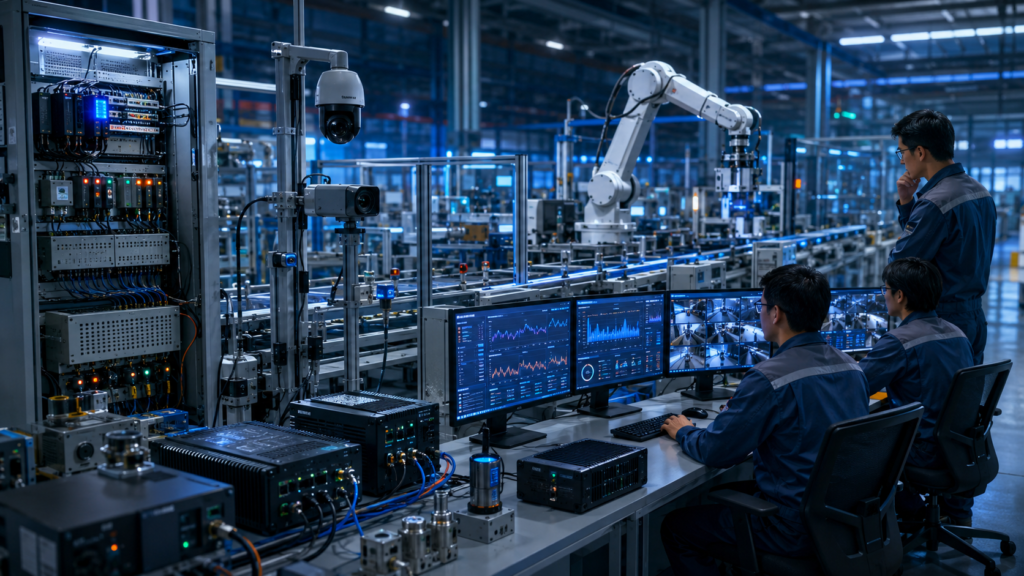
Maschinenstatus, Sensordaten, Videostreams, Gerätegesundheit, und KI-Warnungen in der Nähe von Produktionsanlagen.
Branchenüberblick
Fabriken benötigen eine bessere Echtzeittransparenz
Moderne Fabriken werden immer komplexer.
Produktionslinien können mehrere Maschinen umfassen, Roboterzellen, Inspektionsstationen, Förderer, Versorgungssysteme, und vernetzte Softwareplattformen. Betreiber und Ingenieure müssen in Echtzeit verstehen, was in diesen Systemen passiert.
Herkömmliche Überwachung basiert häufig auf Alarmen, manuelle Kontrollen, SPS-Statussignale, oder regelmäßige Berichte. Diese Methoden sind nützlich, Sie liefern jedoch möglicherweise nicht genügend Details für eine erweiterte Produktionsoptimierung.
Die industrielle KI-Überwachung verbessert diese Situation durch die Hinzufügung lokaler Intelligenz in der Nähe von Geräten.
Es kann bei der Überwachung helfen:
- Maschinenstatus
- Gerätegesundheit
- Ergebnisse der Sichtprüfung
- Prozessanomalien
- Produktionsfluss
- Energieverbrauch
- Umgebungsbedingungen
- Sicherheitsveranstaltungen
- Vorausschauende Wartungssignale
- Qualitätstrends
Das Ziel besteht nicht nur darin, Daten zu sammeln, sondern um Daten in zeitnahe betriebliche Entscheidungen umzuwandeln.
Die KI-Überwachung verlagert sich an den Rand
Cloud-Plattformen können historische Analysen unterstützen, zentralisierte Dashboards, und langfristige Datenspeicherung.
Jedoch, Viele Überwachungsaufgaben erfordern eine lokale Reaktion. Eine Maschinenanomalie, Sicherheitsveranstaltung, Qualitätsmangel, oder eine Produktionsblockade kann ein Handeln innerhalb von Sekunden erfordern.
Jedes Bild wird verschickt, Vibrationsaufzeichnung, oder das Auslesen des Sensors an einen Cloud-Server kann zu Latenz führen, Bandbreitendruck, und Netzwerkabhängigkeit.
Ein industrieller KI-Computer ermöglicht eine Überwachung in der Nähe der Anlage.
Es kann Daten lokal verarbeiten, Alarme schnell senden, Pufferaufzeichnungen bei Netzwerkunterbrechungen, und ausgewählte Ergebnisse in übergeordnete Systeme hochladen.
Industrial Computing ist die Hardware-Grundlage
KI-Überwachungssysteme erfordern mehr als nur Software.
Sie benötigen eine stabile industrielle Computerplattform, die echte Fabrikgeräte verbinden kann, Daten kontinuierlich verarbeiten, und in rauen Umgebungen arbeiten.
Industriecomputer und eingebettete Computer bilden diese Grundlage.
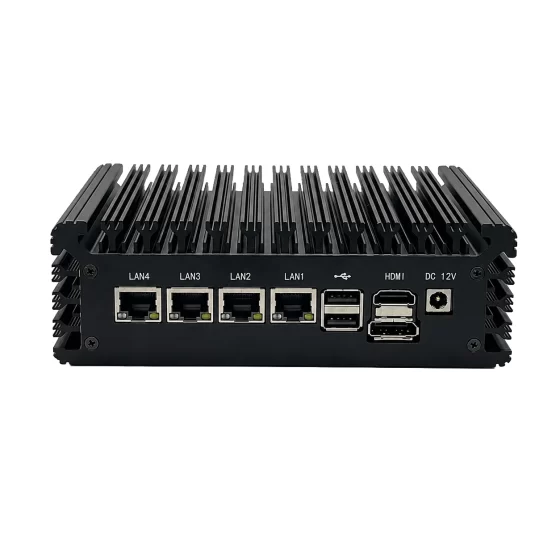
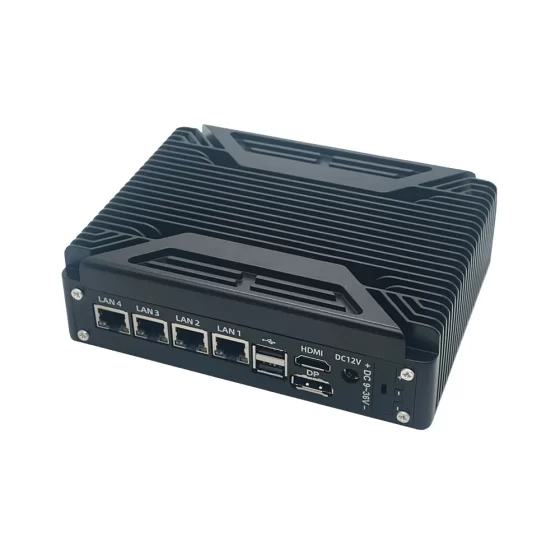
Sie können mehrere LAN-Ports unterstützen, USB-Kameras, serielle Geräte, GPIO-Signale, SSD-Speicher, industrieller Stromeingang, Ausgabe anzeigen, und schrank- oder maschinenseitige Montage.
Dadurch eignen sie sich zur Überwachung von Maschinen, Produktionslinien, Dienstprogramme, Logistiksysteme, und industrielle IoT-Einsätze.

Kamera-Streams, Sensornetzwerke, SPS-Kommunikation, Speicherdruck, Netzwerkdesign, und Fabrikbedingungen beeinflussen die Zuverlässigkeit der KI-Überwachung.
Wichtigste Herausforderungen
Verschiedene Datenquellen
Industrielle Überwachungssysteme müssen Daten von vielen verschiedenen Geräten sammeln.
Eine einzelne Bereitstellung kann Kameras umfassen, Vibrationssensoren, Temperatursensoren, SPS, Motoren, Meter, Barcode-Lesegeräte, Roboter, Gateways, und Produktionsdatenbanken.
Jede Datenquelle kann unterschiedliche Schnittstellen verwenden, Protokolle, Aktualisierungsraten, und Datenformate.
Zu den gängigen Quellen gehören::
- Bildverarbeitungskameras
- IP-Kameras
- SPS-Statussignale
- Vibrationssensoren
- Temperatursensoren
- Drucksensoren
- Stromsensoren
- Energiezähler
- Barcode-Lesegeräte
- Robotersteuerungen
- Industrielle Gateways
Der industrielle KI-Computer muss flexible Konnektivität und stabile Datenerfassung unterstützen.
Anforderungen an Echtzeitwarnungen
Die Überwachung wird wertvoll, wenn anormale Zustände frühzeitig erkannt werden.
Wenn das System Gerätevibrationen erkennt, Überhitzung, Produktionsblockade, fehlender Produktfluss, visuelle Anomalie, oder unsicherer Betrieb, Es muss schnell Warnungen senden.
Verzögerte Warnungen verringern den Wert der KI-Überwachung.
Echtzeitanforderungen können in auftreten:
- Vorausschauende Wartung
- Sicherheitsüberwachung
- Überwachung des Maschinenstatus
- Überwachung der Produktionslinie
- Qualitätsprüfung
- Erkennung von Energieanomalien
- Überwachung von Roboterzellen
- Überwachung des Förderstroms
Die Computerplattform muss unter kontinuierlicher Arbeitslast eine stabile und dauerhafte Leistung bieten.
Variation der KI-Arbeitslast
Die industrielle KI-Überwachung kann unterschiedliche Arbeitsbelastungen mit sich bringen.
Einige Systeme analysieren einfache Sensormuster. Andere verarbeiten Videostreams, Bildverarbeitungsbilder, oder Multi-Source-Daten von mehreren Maschinen.
Zu den Arbeitsbelastungen können gehören:
- Anomalieerkennung
- Bildklassifizierung
- Objekterkennung
- Videoanalyse
- Predictive-Maintenance-Modelle
- Sensordatenanalyse
- Klassifizierung des Gerätestatus
- Erkennung von Prozesstrends
- OCR- oder Barcode-Erkennung
- Produktionsflussanalyse
Die Hardware sollte entsprechend der tatsächlichen Leistung und den Bereitstellungsanforderungen des KI-Modells ausgewählt werden.
Netzwerk- und Datenmanagement
Überwachungssysteme verbinden häufig Fertigungsgeräte mit MES, SCADA, Cloud-Plattformen, Datenbanken, Dashboards, und Wartungssysteme.
Dies führt zu Herausforderungen beim Netzwerkdesign.
Einige Fabriken müssen Kameranetzwerke trennen, Maschinennetzwerke, IT-Netzwerke, und Cloud-Verbindungen. Andere benötigen lokale Pufferung, wenn das Netzwerk instabil ist.
Ein praktischer industrieller KI-Überwachungscomputer benötigt möglicherweise mehrere LAN-Ports, lokaler Speicher, sichere Kommunikation, und zuverlässige Daten-Upload-Funktionen.
Langfristige Fabrikzuverlässigkeit
Von Überwachungssystemen wird oft erwartet, dass sie kontinuierlich laufen.
Sie können in Schaltschränken eingebaut werden, in der Nähe von Maschinen, neben Förderbändern, in Hauswirtschaftsräumen, oder in der Nähe von Roboterzellen.
Diese Umgebungen können Staub enthalten, Vibration, Temperaturänderungen, elektrisches Rauschen, und begrenzter Luftstrom.
Industrietaugliche Hardware ist wichtig, da Überwachungssysteme an Wert verlieren, wenn sie während der Produktion ausfallen.

Industrielle KI-Computer verbinden Sensoren, Kameras, Maschinen, Fabriksoftware, Cloud-Plattformen, und Überwachungs-Dashboards.
Architektur der industriellen KI-Überwachungslösung
Geräte- und Sensorschicht
Die Geräte- und Sensorschicht umfasst die überwachten Geräte.
Diese Schicht kann Produktionsmaschinen umfassen, Kameras, SPS, Sensoren, Motoren, Roboter, Versorgungssysteme, Meter, und industrielle Gateways.
Es generiert die Rohdaten, die für die Überwachung und KI-Analyse verwendet werden.
Typische Daten können sein::
- Bilder
- Videostreams
- Vibrationswerte
- Temperaturdaten
- Maschinenstatus
- Alarmsignale
- Energieverbrauch
- Motorstrom
- Die Produktion zählt
- Prozesszeitpunkt
- Betriebsgeschichte der Ausrüstung
Eine konsistente Datenerfassung ist die Grundlage einer zuverlässigen KI-Überwachung.
Industrielle Edge-Computing-Schicht
In der industriellen Edge-Computing-Schicht führt der industrielle KI-Computer die lokale Verarbeitung durch.
Auf dieser Ebene, B. der Industriecomputer oder der eingebettete Computer:
- Sammeln Sie Sensordaten
- Verarbeiten Sie Videostreams
- Führen Sie KI-Inferenzmodelle aus
- Erkennen Sie abnormale Muster
- Speichern Sie lokale Datensätze
- Pufferdaten bei Netzwerkproblemen
- Alarme auslösen
- Zeigen Sie lokale Dashboards an
- Senden Sie ausgewählte Ergebnisse an MES oder SCADA
- Unterstützen Sie die Fernwartung
Diese lokale Ebene trägt dazu bei, die Latenz zu reduzieren und die Überwachung robuster zu machen.
AI Analytics-Ebene
Die KI-Analyseschicht enthält die Softwarelogik, die zur Erkennung abnormaler Bedingungen verwendet wird.
Abhängig von der Anwendung, es kann beinhalten:
- Predictive-Maintenance-Modelle
- Algorithmen für maschinelles Sehen
- Videoanalysetools
- Erkennung von Sensoranomalien
- Produktionsflussanalyse
- Qualitätstrendanalyse
- Analyse des Energieverbrauchs
- Regelbasierte Alarmlogik
- KI-Inferenzlaufzeit
Der Industrierechner muss das erforderliche Betriebssystem unterstützen, Fahrer, KI-Framework, Datenbank-Tools, und industrielle Kommunikationssoftware.
Automatisierungs- und Alarmebene
Die Automatisierungs- und Alarmebene verbindet KI-Überwachungsergebnisse mit Maßnahmen.
Wenn das System ein Problem erkennt, Es kann eine Warnung an die Betreiber senden, einen Alarm auslösen, Benachrichtigen Sie die Wartungsteams, oder ein Signal an ein SPS- oder SCADA-System senden.
Beispiele hierfür sind:
- Vibrationswarnung der Maschine
- Alarm bei Temperaturanomalien
- Warnung vor Förderbandverstopfung
- Fehlende Produktflusserkennung
- Kamerabasierte Sicherheitsveranstaltung
- Anomalie beim Energieverbrauch
- Anomaler Status der Roboterzelle
- Warnung bei Prozessabweichungen
Diese Ebene hilft dabei, Überwachungsdaten in betriebliche Reaktionen umzuwandeln.
Factory-Software-Integrationsschicht
Industrielle KI-Überwachungssysteme sind in der Regel mit übergeordneten Plattformen verbunden.
Der industrielle KI-Computer kann ausgewählte Daten an senden:
- MES
- SCADA
- ERP
- Qualitätsdatenbanken
- Wartungsplattformen
- Cloud-Dashboards
- Industrielle IoT-Plattformen
- Lokalhistorische Systeme
- Dashboards zur Produktionsüberwachung
Anstatt alle Rohdaten hochzuladen, Das System kann Alarme hochladen, Zusammenfassungen, Ereignisaufzeichnungen, ausgewählte Bilder, und Trenddaten.
Dies reduziert die Netzwerklast und hält die Werksteams gleichzeitig auf dem Laufenden.
Hauptmerkmale
Stabile KI-Verarbeitungsleistung
Ein industrieller KI-Computer zur Überwachung muss im Dauerbetrieb eine stabile Leistung erbringen.
Die erforderliche Konfiguration hängt von der Anzahl der Datenquellen ab, Komplexität des KI-Modells, Anzahl der Videostreams, Sensorfrequenz, und Reaktionszeitanforderungen.
Die Auswahl sollte berücksichtigt werden:
- CPU-Leistung
- GPU- oder KI-Beschleunigerunterstützung
- Speicherkapazität
- Speichergeschwindigkeit
- Netzwerkbandbreite
- Kompatibilität mit KI-Frameworks
- Betriebssystemunterstützung
- Thermisches Design
- Langzeitstabilität
Für leichte Überwachung, Ein eingebetteter Computer kann ausreichen. Für die KI-Überwachung mit mehreren Kameras, Möglicherweise ist ein stärkerer Edge-KI-Computer oder Industrie-PC erforderlich.
Mehrere Netzwerkschnittstellen
KI-Überwachungssysteme benötigen oft mehrere Netzwerkverbindungen.
Ein Netzwerk kann Kameras verbinden. Ein anderer kann SPS oder Maschinengeräte anschließen. Ein separates Netzwerk kann MES verbinden, SCADA, Cloud-Systeme, oder Fernwartungstools.
Mehrere LAN-Ports können unterstützt werden:
- Trennung des Kameranetzwerks
- Maschinennetzwerkkommunikation
- Werks-IT-Anbindung
- Hochladen von Cloud-Daten
- Fernwartung
- Segmentierung der Cybersicherheit
- Mehrleitungsüberwachung
Eine gute Netzwerkplanung verbessert die Systemzuverlässigkeit und die Datenorganisation.
Flexible industrielle I/O
Der Überwachungscomputer muss mit echten Industriegeräten verbunden sein.
Zu den wichtigen E/A-Optionen können gehören:
- LAN
- USB
- RS232
- RS485
- GPIO
- Digitaler Eingang
- Digitaler Ausgang
- HDMI
- DisplayPort
- M.2
- PCIe
- SATA- oder NVMe-Speicher
Diese Schnittstellen können Sensoren unterstützen, Kameras, SPS, Gateways, Meter, Barcode-Lesegeräte, Alarm, und lokale Bedieneranzeigen.
Flexible I/O reduzieren den Bedarf an externen Adaptern und verbessern die Bereitstellungszuverlässigkeit.
Lokale Speicherung und Datenpufferung
Überwachungssysteme müssen möglicherweise Daten lokal speichern.
Der Computer speichert möglicherweise den Sensorverlauf, Alarmaufzeichnungen, Videoclips, Bildbeweis, KI-Modelldateien, Dashboards, lokale Datenbanken, und temporäre Puffer.
SSD- oder NVMe-Speicher werden häufig bevorzugt, da sie einen schnellen Zugriff und eine bessere Stoßfestigkeit als mechanische Laufwerke bieten.
Das Speicherdesign sollte berücksichtigt werden:
- Aufbewahrungsfrist der Daten
- Größe der lokalen Datenbank
- Bild- oder Videospeicherbedarf
- Schreiben Sie Ausdauer
- Backup-Strategie
- Verhalten bei Netzwerkunterbrechungen
- Upload-Häufigkeit
Eine zuverlässige Speicherung trägt zum Schutz der Überwachungsdaten bei und unterstützt die Rückverfolgbarkeit.
Robustes und lüfterloses Design
Industrielle KI-Überwachungscomputer werden oft in der Nähe von Maschinen betrieben.
Lüfterlose Computer reduzieren die Staubaufnahme und beseitigen eine häufige mechanische Fehlerquelle. Robuste Gehäuse schützen das System vor Vibrationen, Auswirkungen auf die Installation, und Kabelbeanspruchung.
Jedoch, KI-Arbeitslasten können erhebliche Hitze erzeugen.
Für leistungsstarke Überwachungssysteme, Das thermische Design sollte sorgfältig geprüft werden. Prozessorauslastung, GPU- oder Beschleunigernutzung, Luftzirkulation im Schrank, Umgebungstemperatur, und Montageort wirken sich alle auf die Langzeitstabilität aus.
Lange Lebensdauer und Wartbarkeit
Überwachungsplattformen werden oft Teil einer langfristigen Fabrikinfrastruktur.
Häufige Änderungen der Hardwaremodelle, Fahrer, Schnittstellen, oder Erweiterungsoptionen können zu Validierungs- und Wartungsproblemen führen.
Industrielle Computerplattformen mit Lebenszyklusplanung helfen Herstellern und Systemintegratoren, konsistente Bereitstellungen über mehrere Linien hinweg aufrechtzuerhalten, Maschinen, und Fabrikgelände.
Dies ist besonders wichtig für groß angelegte industrielle KI-Überwachungs-Rollouts.
Bereitstellungsszenarien
Vorausschauende Wartungsüberwachung
Die vorausschauende Wartung ist eine der wichtigsten industriellen KI-Überwachungsanwendungen.
Das System sammelt Daten von Vibrationssensoren, Temperatursensoren, Motoren, Pumps, Kompressoren, und Maschinensteuerungen.
Der industrielle KI-Computer analysiert Muster vor Ort und generiert Warnungen, wenn ungewöhnliches Verhalten auftritt.
Dies hilft Wartungsteams, potenzielle Geräteprobleme früher zu erkennen.
Überwachung maschineller Bildverarbeitung
Bei der industriellen KI-Überwachung können Kameras zur Beobachtung von Produktionslinien eingesetzt werden, Maschinenbereiche, und Produktfluss.
Der Computer erkennt möglicherweise fehlende Produkte, Oberflächenfehler, falsche Positionierung, Paketschaden, oder anormale Prozessbedingungen.
Dies unterstützt die Qualitätskontrolle und Produktionstransparenz.
Videobasierte Prozessüberwachung
Fabriken können Videoanalysen nutzen, um den Produktionsfluss zu überwachen, Sicherheitsbereiche, Maschinenbetrieb, und Förderbandbewegung.
Der Industrierechner verarbeitet Videostreams lokal und sendet nur ausgewählte Alarme oder Ereignisaufzeichnungen an übergeordnete Systeme.
Dies reduziert die Bandbreitenbelastung und verbessert die Reaktionszeit.
Energieüberwachung
Industrielle KI-Überwachung kann bei der Analyse des Energieverbrauchs helfen.
Das System kann Daten von Zählern sammeln, Leistungsgeräte, Kompressoren, HVAC-Systeme, und Produktionsanlagen.
KI-Modelle können ungewöhnliche Verbrauchsmuster oder Geräteineffizienz erkennen.
Dies unterstützt das Energiemanagement und die Betriebskostenkontrolle.
Roboterzellenüberwachung
Roboterzellen müssen möglicherweise auf ihren Bewegungsstatus überwacht werden, Objekthandhabung, Zyklus-Timing, Sicherheitszonen, und anormaler Betrieb.
Ein industrieller KI-Computer kann Kameradaten verarbeiten, Roboterstatus, und Sensorsignale.
Dies hilft Ingenieuren, abnormales Roboterverhalten zu erkennen und die Zuverlässigkeit der Automatisierung zu verbessern.
Förder- und Logistiküberwachung
Förderanlagen und Logistiksysteme können auf Verstopfungen überwacht werden, Paketfluss, Fehler beim Lesen des Barcodes, Sortierfehler, oder abnormale Bewegung.
Der Industrierechner kann Kamera- und Sensordaten in der Nähe der Förderstrecke verarbeiten.
Dies unterstützt eine schnellere Ausnahmebehandlung in Lagern und Produktionslogistik.
Umweltüberwachung
Industrieanlagen können die Temperatur überwachen, Luftfeuchtigkeit, Luftqualität, Druck, Vibration, oder andere Umweltfaktoren.
Ein eingebetteter Computer kann Sensordaten sammeln, Führen Sie eine lokale Analyse durch, und Benachrichtigungen an Anlagen oder Produktionssysteme senden.
Dies trägt zum Schutz der Ausrüstung bei, Materialien, und Produktionsprozesse.
Integration des OEM-Überwachungssystems
Maschinenbauer können industrielle KI-Computer in Geräteüberwachungssysteme integrieren.
Die Computerplattform kann die Datenerfassung ermöglichen, KI-Analyse, lokaler Speicher, HMI-Anzeige, Alarmausgang, und Fabriksystemkonnektivität.
Dies hilft OEMs, intelligentere Geräte mit integrierter Überwachungsfunktion bereitzustellen.
Geschäftsvorteile
Frühere Erkennung abnormaler Zustände
Die industrielle KI-Überwachung hilft dabei, abnormales Geräte- oder Prozessverhalten früher zu erkennen.
Durch die Analyse von Sensordaten, Bilder, Videostreams, und Maschinensignale vor Ort, Das System kann Probleme erkennen, bevor sie zu schwerwiegenden Ausfällen werden.
Dies unterstützt eine schnellere Reaktion und eine bessere Produktionskontrolle.
Reduziertes Ausfallrisiko
Überwachungssysteme können Wartungsteams dabei helfen, einzugreifen, bevor Geräteprobleme die Produktion stoppen.
Vorausschauende Warnungen, Trendanalyse, und die Erkennung lokaler Anomalien kann eine geplante Wartung anstelle einer reaktiven Reparatur unterstützen.
Zuverlässige industrielle Computerhardware trägt dazu bei, die Überwachung während langer Produktionszyklen aktiv zu halten.
Verbesserte Produktionstransparenz
Durch die KI-Überwachung erhalten Bediener und Ingenieure einen besseren Einblick in den Maschinenstatus, Produktionsfluss, Qualitätsbedingungen, und Nutzleistung.
Dies hilft Teams zu verstehen, was in der Werkstatt passiert, ohne sich nur auf manuelle Kontrollen oder verspätete Berichte zu verlassen.
Eine bessere Sichtbarkeit unterstützt eine fundiertere Entscheidungsfindung.
Geringere Netzwerkabhängigkeit
Die lokale Verarbeitung reduziert die Abhängigkeit von Cloud- oder Remote-Servern.
Der industrielle KI-Computer kann Daten in der Nähe der Ausrüstung verarbeiten, Generieren Sie lokale Warnungen, und Pufferdatensätze, wenn Netzwerkverbindungen nicht verfügbar sind.
Dies verbessert die Ausfallsicherheit und hilft, die Überwachung bei vorübergehenden Netzwerkproblemen fortzusetzen.
Stärkere Datenrückverfolgbarkeit
Überwachungsdaten können mit Maschinen-IDs verknüpft werden, Zeitstempel, Sensorwerte, Alarmaufzeichnungen, Bilder, Videoclips, und Produktionsveranstaltungen.
Dies schafft eine bessere Rückverfolgbarkeit für Wartungsuntersuchungen, Qualitätsanalyse, Prozessüberprüfung, und betriebliche Verbesserung.
Eine zuverlässige lokale Speicherung trägt dazu bei, dass wichtige Datensätze nicht verloren gehen.
Skalierbare Smart Factory-Bereitstellung
Eine standardisierte industrielle KI-Überwachungsplattform kann auf mehreren Maschinen eingesetzt werden, Produktionslinien, und Fabrikgelände.
Konsistente Hardware vereinfacht Software-Images, Fahrerverwaltung, Ersatzteilplanung, Wartungsschulung, und langfristige Unterstützung.
Dies hilft Herstellern, die KI-Überwachung von Pilotprojekten auf umfassendere Smart-Factory-Einsätze zu skalieren.
Warum CoreIPC
CoreIPC bietet industrielle Computerplattformen für Edge-KI, maschinelles Sehen, Industrielles IoT, Fabrikautomation, und eingebettete Systemintegration. Für industrielle KI-Überwachungsanwendungen, CoreIPC konzentriert sich auf zuverlässige industrielle Computerhardware, Embedded-Computer-Lösungen, flexible I/O-Konfigurationen, kompaktes Systemdesign, und OEM/ODM-Anpassungsunterstützung. CoreIPC hilft Systemintegratoren, Maschinenbauer, und Fertigungsteams wählen Computerplattformen aus, die den tatsächlichen Bereitstellungsanforderungen entsprechen, einschließlich KI-Arbeitsaufwand, Sensorschnittstellen, Kamera-Konnektivität, Netzwerkdesign, Speicherbedarf, Montagemethoden, Leistungsaufnahme, thermische Bedingungen, und Lebenszyklusplanung.
Häufig gestellte Fragen
1. Was ist industrielle KI-Überwachung??
Die industrielle KI-Überwachung nutzt KI-Modelle, Sensoren, Kameras, Industriedaten, und Edge-Computing-Hardware zur Überwachung von Maschinen, Produktionslinien, Dienstprogramme, und Fabrikprozesse.
Es kann abnormale Muster erkennen, Benachrichtigungen generieren, unterstützen die vorausschauende Wartung, Analysieren Sie Videostreams, Qualitätsbedingungen überwachen, und Ergebnisse mit MES verknüpfen, SCADA, oder industrielle IoT-Plattformen.
2. Warum einen Industriecomputer zur KI-Überwachung verwenden??
Ein Industriecomputer sorgt für die lokale Verarbeitung und Konnektivität, die für Überwachungssysteme in der Nähe von Maschinen erforderlich sind.
Es kann Daten von Sensoren sammeln, Kameras, SPS, Gateways, und Meter. Es kann KI-Inferenz ausführen, Speichern Sie lokale Datensätze, Benachrichtigungen senden, und laden Sie ausgewählte Daten in Fabriksysteme hoch. Durch das Industriedesign ist er zuverlässiger als Büro-PCs in Produktionsumgebungen.
3. Wie wird ein eingebetteter Computer bei der industriellen KI-Überwachung eingesetzt??
In Schaltschränken kann ein Embedded Computer eingebaut werden, Maschinengehäuse, Intelligente Gateways, Inspektionssysteme, oder OEM-Ausrüstung.
Es kann Maschinendaten sammeln, Führen Sie eine lokale KI-Analyse durch, Alarmaufzeichnungen speichern, Anbindung an Sensoren und SPS, und Überwachungsergebnisse an Dashboards oder Wartungssysteme senden. Seine kompakte Größe ist nützlich für verteilte Überwachungsbereitstellungen.
4. Was kann die industrielle KI-Überwachung erkennen??
Die industrielle KI-Überwachung kann Vibrationsanomalien erkennen, Überhitzung, ungewöhnlicher Energieverbrauch, Maschinenstatusänderungen, Produktionsblockade, fehlender Produktfluss, optische Mängel, Sicherheitsveranstaltungen, Sensoranomalien, und Prozessabweichungen.
Die genaue Leistungsfähigkeit hängt von den angeschlossenen Geräten ab, KI-Modelle, Datenqualität, Systemdesign, und echte Produktionstests.
5. Welche Schnittstellen sind für industrielle KI-Überwachungscomputer wichtig??
Wichtige Schnittstellen können mehrere LAN-Ports sein, USB 3.0, RS232, RS485, GPIO, digitaler Eingang, digitaler Ausgang, HDMI, DisplayPort, M.2, PCIe, SATA, und NVMe-Speicherunterstützung.
Diese Schnittstellen unterstützen Kameras, Sensoren, SPS, Gateways, Meter, Alarm, lokale Anzeigen, und Fabriknetzwerke.
6. Benötigt ein KI-Überwachungscomputer eine GPU??
Einige KI-Überwachungssysteme benötigen GPU- oder KI-Beschleunigerunterstützung, insbesondere für Videoanalysen, Multikamera-Inspektion, und komplexe Deep-Learning-Workloads.
Andere Systeme können auf CPU-basierten Industriecomputern laufen, wenn die Arbeitslast sensorbasiert ist oder leichte Modelle verwendet. Die Hardware sollte nach dem Testen realer KI-Modelle und Datenquellen ausgewählt werden.
7. Können lüfterlose Industriecomputer die KI-Überwachung unterstützen??
Lüfterlose Industriecomputer können viele KI-Überwachungsanwendungen unterstützen, besonders mäßige Sensoranalytik, Datenerfassung, und Einzelkameraüberwachung.
Jedoch, Hochleistungsvideoanalysen oder KI-Workloads mit mehreren Kameras können mehr Wärme erzeugen. CPU-Auslastung, Beschleunigereinsatz, Gehäuseluftstrom, Umgebungstemperatur, und Montagemethode sollten vor der Bereitstellung überprüft werden.
8. Wie unterstützt die industrielle KI-Überwachung die vorausschauende Wartung??
Das System erfasst Daten wie Vibrationen, Temperatur, aktuell, Druck, und Maschinenstatus.
KI-Modelle können Muster analysieren und abnormales Verhalten erkennen, bevor es zu Fehlern kommt. Der Industriecomputer kann lokale Warnungen generieren und Aufzeichnungen auf Wartungsplattformen hochladen, Helfen Sie Teams dabei, den Service zu planen, bevor Ausfallzeiten ernst werden.
9. Kann die industrielle KI-Überwachung mit MES- oder SCADA-Systemen verbunden werden??
Ja. Industriecomputer können Überwachungsdaten senden, Alarm, Maschinenstatus, Trendaufzeichnungen, und Ereigniszusammenfassungen an MES, SCADA, Dashboards, oder industrielle IoT-Plattformen.
Dies trägt dazu bei, die maschinenseitige Überwachung mit übergeordneten Produktions- und Wartungsabläufen zu verbinden.
10. Was sollte vor der Bereitstellung getestet werden??
Vor der Bereitstellung, Das System sollte mit echten Sensoren getestet werden, Kameras, SPS, KI-Modelle, Netzwerkverbindungen, Speicherauslastung, lokale Dashboards, und langlebigen Betrieb.
Thermische Stabilität, Datenpufferung, Alarmzeitpunkt, Verhalten bei Netzwerkunterbrechungen, und der Wartungszugang sollte ebenfalls validiert werden. Dies trägt dazu bei, das Risiko während der Produktionseinführung zu reduzieren.
Abschluss
Die industrielle KI-Überwachung ist eine praktische Grundlage für die vorausschauende Wartung, Bildverarbeitungsüberwachung, Videoanalyse, Energieanalyse, Produktionstransparenz, und intelligente Fabrikabläufe.
Indem Sie einen Industriecomputer oder einen eingebetteten Computer in der Nähe von Kameras platzieren, Sensoren, SPS, Roboter, Meter, und Produktionsanlagen, Hersteller können Daten lokal verarbeiten, Erkennen Sie abnormale Zustände früher, Reduzieren Sie die Netzwerkabhängigkeit, und die operative Reaktion verbessern.
Die richtige Plattform sollte entsprechend den tatsächlichen Bereitstellungsanforderungen ausgewählt werden, einschließlich KI-Arbeitsaufwand, Sensorschnittstellen, Kamera-Konnektivität, I/O-Konfiguration, Netzwerkarchitektur, Speicherbedarf, Montagemethode, Leistungsaufnahme, thermische Bedingungen, Betriebssystemunterstützung, und Lebenszyklusplanung.
CoreIPC unterstützt industrielle KI-Überwachungsprojekte mit industriellen Computerplattformen, die für den praktischen Einsatz in Fabriken und Geräten konzipiert sind. Mit der richtigen Hardware-Grundlage, Hersteller und Maschinenbauer können zuverlässig bauen, skalierbar, und datengesteuerte Überwachungssysteme für intelligente Industrieabläufe.
Kontaktieren Sie uns
Auf der Suche nach einem Industriecomputer, eingebetteter Computer, oder Edge-KI-Plattform für die industrielle KI-Überwachung?
Kontaktieren Sie CoreIPC, um Ihre Projektanforderungen zu besprechen, einschließlich KI-Arbeitsaufwand, Sensorschnittstelle, Kameraverbindung, Netzwerkarchitektur, I/O-Konfiguration, Speicherdesign, Automatisierungskommunikation, Montagemethode, Leistungsaufnahme, Betriebsumgebung, Lebenszyklusanforderungen, und OEM/ODM-Anpassungsoptionen.