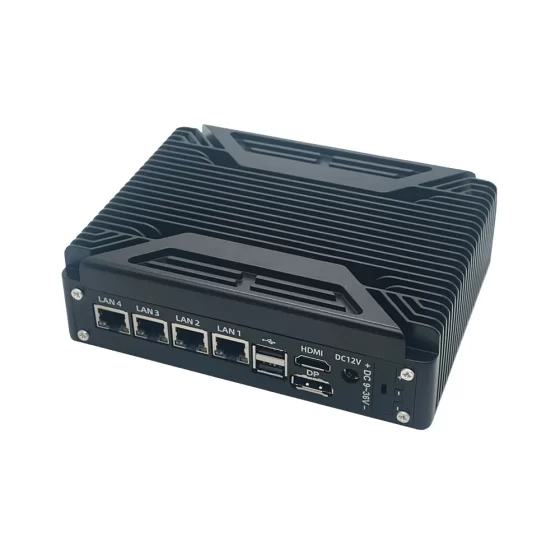
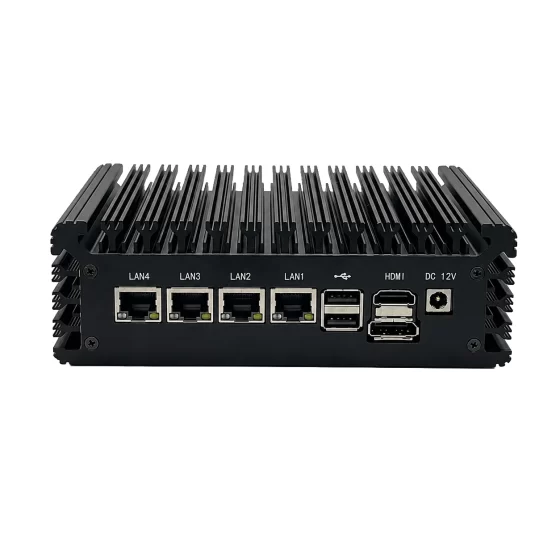
CoreIPC Industrial Computing-Lösungen

Industrieller Edgeserver für KI: Zuverlässiger industrieller Edge-Server für KI-Workloads in Fabriken
Zusammenfassung
Ein industrieller Edge-Server bietet die lokale Computergrundlage für KI-Inferenz, Bildverarbeitung, Industrielle Datenanalyse, Videoanalyse, Geräteüberwachung, und Echtzeit-Entscheidungsunterstützung in modernen Fertigungsumgebungen.
Da Fabriken KI einführen, Industrielles IoT, maschinelles Sehen, vorausschauende Wartung, Robotik, und digitale Fertigungssysteme, Es müssen mehr Daten in der Nähe der Produktionsanlagen verarbeitet werden. Jedes Bild wird verschickt, Sensoraufzeichnung, oder Maschinenereignisse in die Cloud können die Latenz erhöhen, Bandbreitenkosten, Bedenken hinsichtlich der Datensicherheit, und Abhängigkeit von der Netzwerkverfügbarkeit.
Ein als Edge-Server eingesetzter Industriecomputer oder eingebetteter Computer kann KI-Workloads lokal verarbeiten. Es können Kameras angeschlossen werden, SPS, Sensoren, Roboter, Gateways, Maschinensteuerungen, Speichergeräte, und Fabriknetzwerke. Es kann auch KI-Inferenzmodelle ausführen, Industriedaten sammeln, Pufferdatensätze, Unterstützung von Dashboards, und senden Sie ausgewählte Ergebnisse an MES, SCADA, Cloud-Plattformen, oder Unternehmenssysteme.
Im Vergleich zu handelsüblichen Servern oder Büro-PCs, Industrielle Edge-Server sind für raue Fabrikumgebungen konzipiert. Sie bieten ein robustes mechanisches Design, flexible I/O, stabile thermische leistung, lüfterlose oder wartungsarme Optionen, zuverlässige Vernetzung, und langen Lebenszyklus-Support.
In diesem Artikel wird erläutert, wie industrielle Edge-Server KI-Anwendungen unterstützen, vor welchen Bereitstellungsherausforderungen Hersteller stehen, wie die Lösungsarchitektur funktioniert, und welche Hardwarefunktionen bei der Auswahl eines industriellen Edge-Servers für KI-Workloads wichtig sind.
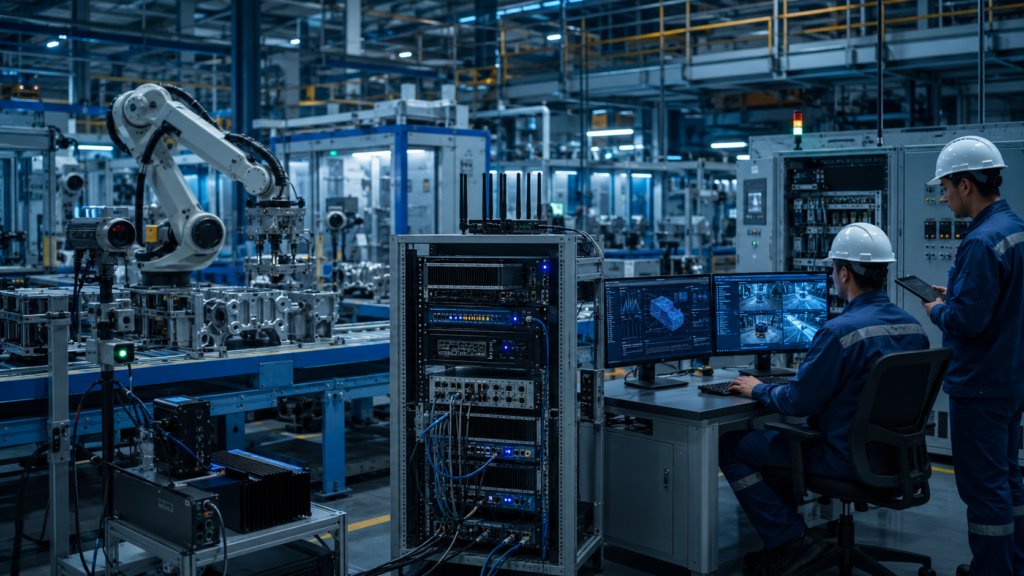
Industriecomputer verarbeiten KI-Arbeitslasten in der Nähe von Maschinen, Kameras, Sensoren, und Produktionslinien.
Branchenüberblick
KI rückt näher an Industrieanlagen heran
Der Einsatz von KI in der Fertigung nimmt in vielen Anwendungsbereichen zu.
Fabriken nutzen KI zur visuellen Inspektion, Fehlerklassifizierung, Produktionsüberwachung, Roboterführung, vorausschauende Wartung, Prozessoptimierung, Sicherheitsüberwachung, und Energieanalyse.
Diese Anwendungen erfordern oft eine schnelle lokale Verarbeitung. Bei einem Kamerainspektionssystem kann eine sofortige Bestanden- oder Nichtbestehen-Entscheidung erforderlich sein. Eine Roboterzelle benötigt möglicherweise Echtzeit-Positionsdaten. Ein vorausschauendes Wartungssystem muss möglicherweise ungewöhnliche Vibrationen erkennen, bevor ein Geräteausfall auftritt.
Aus diesem Grund verlagern sich KI-Workloads zunehmend von zentralisierten Servern auf industrielle Edge-Computing-Plattformen.
Warum Edge Computing für die KI wichtig ist
Cloud Computing ist für das Modelltraining nützlich, zentralisierte Analyse, und Datenmanagement auf Unternehmensebene.
Jedoch, Viele industrielle KI-Anwendungen können nicht nur auf die Cloud angewiesen sein. Produktionslinien benötigen lokale Reaktion, lokale Pufferung, und stabiler Betrieb, auch wenn sich die Netzwerkbedingungen ändern.
Abhilfe schafft hier ein industrieller Edge-Server, der die Daten maschinennah verarbeitet.
Es kann unterstützen:
- KI-Schlussfolgerung
- Bildverarbeitungsinspektion
- Videoanalyse
- Sensordatenverarbeitung
- SPS-Datenerfassung
- Lokaler Datenbankbetrieb
- Geräteüberwachung
- Produktions-Dashboards
- Edge-to-Cloud-Datenübertragung
- Echtzeitalarme und Steuerlogik
Dies verbessert die Reaktionszeit und reduziert unnötige Datenübertragungen.
Industrielle Datenverarbeitung unterscheidet sich von Büro-IT-Hardware
Fabrikumgebungen unterscheiden sich von Büroserverräumen.
Ein Edge-Server kann in einem Schaltschrank installiert werden, in der Nähe einer Produktionslinie, im Inneren einer Maschine, neben einer Roboterzelle, oder in einem verteilten Fabrikbereich. Diese Orte können Staub enthalten, Vibration, elektrisches Rauschen, begrenzter Platz, Temperaturschwankungen, und lange Betriebsstunden.
Industriecomputer und Embedded Computer sind für diese Einsatzbedingungen konzipiert.
Sie eignen sich besser für den maschinenseitigen Einbau, Industrielle Vernetzung, I/O-Erweiterung, stabile Montage, und langfristige Systemwartung.

Multi-Kamera-Daten, Sensornetzwerke, Lagerung, und Fabrikkommunikation wirken sich auf die Zuverlässigkeit der Edge-KI aus.
Wichtigste Herausforderungen
Vielfalt der KI-Arbeitsbelastung
Die Arbeitslasten industrieller KI sind sehr unterschiedlich.
Eine Fehlererkennungsstation mit einer Kamera benötigt möglicherweise eine moderate Rechenleistung. Ein AOI-System mit mehreren Kameras, Videoanalyseplattform, oder Edge-KI-Server für mehrere Produktionslinien erfordern möglicherweise eine stärkere CPU, GPU, Erinnerung, und Speicherressourcen.
Zu den gängigen KI-Workloads gehören::
- Bildklassifizierung
- Objekterkennung
- Fehlersegmentierung
- OCR und Codeerkennung
- Videoanalyse
- Predictive-Maintenance-Modelle
- Anomalieerkennung
- Roboter-Vision-Verarbeitung
- Sensorfusion
- Lokale Datenanalyse
Der industrielle Edge-Server muss entsprechend der tatsächlichen Arbeitslast ausgewählt werden, nicht nur allgemeine Produktspezifikationen.
Anforderungen an die Echtzeitverarbeitung
Viele KI-Anwendungen in Fabriken erfordern eine schnelle Reaktion.
Wenn Bildbearbeitung, Schlussfolgerung, oder die Datenanalyse verzögert sich, Das System kann möglicherweise nicht die richtige Aktion zur richtigen Zeit auslösen.
Echtzeitanforderungen können in auftreten:
- Fehlerablehnung
- Roboterführung
- Sortierung per Förderband
- Sicherheitsüberwachung
- Gerätealarme
- Erkennung von Prozessabweichungen
- Hochgeschwindigkeitskamerainspektion
- Verpackungsüberprüfung
Der Edge-Server muss unter kontinuierlicher Produktionsauslastung eine stabile und dauerhafte Leistung bieten.
Datenbandbreite und Speicherdruck
KI-Systeme können große Datenmengen erzeugen.
Hochauflösende Kameras, mehrere Videostreams, Sensoren, SPS-Protokolle, Inspektionsbilder, und Produktionsdatenbanken können hohe Bandbreiten- und Speicheranforderungen verursachen.
Der industrielle Edge-Server muss möglicherweise damit umgehen:
- Kameradatenströme
- KI-Modelldateien
- Defektbilder
- Videoclips
- Sensorhistorie
- Lokale Datenbanken
- Produktionsprotokolle
- Temporäre Datenpufferung
- Edge-to-Cloud-Synchronisierung
Wenn die Speichergeschwindigkeit oder die Netzwerkbandbreite nicht ausreichen, Es kann sein, dass das System Frames auslässt, verzögerte Bearbeitung, oder unvollständige Aufzeichnungen.
Fabriknetzwerkintegration
Industrielle Edge-Server müssen sowohl mit betrieblichen Technologie- als auch mit Informationstechnologiesystemen verbunden sein.
Dazu können SPS-Netzwerke gehören, Maschinennetzwerke, Kameranetzwerke, MES-Server, SCADA-Systeme, Cloud-Gateways, Firewalls, und Unternehmensdatenbanken.
Eine praktische Edge-KI-Bereitstellung erfordert möglicherweise eine Netzwerktrennung.
Zum Beispiel:
- Ein LAN-Anschluss für Kameras
- Ein LAN-Port für SPS
- Ein LAN-Port für das IT-Netzwerk der Fabrik
- Ein LAN-Port für Fernwartung oder Cloud-Anbindung
Mehrere Netzwerkschnittstellen können die Organisation verbessern, Sicherheit, und Verkehrsstabilität.
Langfristige Zuverlässigkeit
Industrielle KI-Systeme werden häufig für den Langzeitbetrieb eingesetzt.
Wenn der Edge-Server ausfällt, Inspektion, Überwachung, Analytik, oder die Erfassung der Produktionsdaten wird möglicherweise gestoppt. Dies kann die Produktionsverfügbarkeit und die Qualitätskontrolle beeinträchtigen.
Die Zuverlässigkeit der Hardware ist besonders wichtig, wenn der Server in der Nähe von Maschinen und nicht in einem sauberen IT-Raum betrieben wird.
Das industrietaugliche Design hilft, Ausfallzeiten zu reduzieren, indem es eine stabile thermische Leistung unterstützt, robuste mechanische Struktur, zuverlässige Lagerung, sichere Montage, und Lebenszykluskontinuität.

Industrielle Edge-Server verbinden KI-Workloads, Fabrikausrüstung, lokale Datenbanken, und Cloud-Systeme.
Architektur der industriellen Edge-Server-Lösung
Geräte- und Datenerfassungsschicht
Die Geräteschicht umfasst alle Geräte und Datenquellen, die mit dem industriellen Edge-Server verbunden sind.
Diese Schicht kann umfassen:
- Industriekameras
- 3D-Kameras
- Hochgeschwindigkeitskameras
- SPS
- Sensoren
- Roboter
- Motion-Controller
- Barcode-Lesegeräte
- Testausrüstung
- Energiezähler
- Maschinensteuerungen
- Industrielle Gateways
Diese Geräte generieren die für die KI-Inferenz erforderlichen Rohdaten, Überwachung, und Produktionsanalyse.
Industrielle Edge-Computing-Schicht
Auf der Industrial-Edge-Computing-Schicht führt der Industrial-Edge-Server die lokale Verarbeitung durch.
Auf dieser Ebene, Der Server kann:
- Führen Sie KI-Inferenzmodelle aus
- Kamerabilder verarbeiten
- Sensordaten analysieren
- Sammeln Sie SPS-Daten
- Speichern Sie lokale Datensätze
- Führen Sie Edge-Datenbanken aus
- Hosten Sie kompakte Dashboards
- Datenpufferung verwalten
- Senden Sie Alarme oder Ergebnisse
- Übertragen Sie ausgewählte Daten an Cloud- oder MES-Systeme
Diese Schicht ist die lokale Intelligenzschicht zwischen Maschinen und übergeordneten Softwareplattformen.
KI-Inferenz- und Anwendungsschicht
Die KI-Anwendungsschicht enthält die für die industrielle Intelligenz verwendete Software.
Je nach Projekt, Dies kann Folgendes umfassen::
- Bildverarbeitungssoftware
- KI-Inferenzlaufzeit
- Modelle zur Fehlererkennung
- Videoanalysesoftware
- Predictive-Maintenance-Modelle
- Datenerfassungssoftware
- Tools zur Protokollkonvertierung
- Lokale Überwachungs-Dashboards
- Edge-Orchestrierungssoftware
Der Industrierechner muss das erforderliche Betriebssystem unterstützen, Fahrer, KI-Framework, Kamera-SDKs, und Automatisierungssoftware.
Automatisierungs- und Steuerungsintegrationsschicht
Der Edge-Server muss möglicherweise Ergebnisse an die Automatisierungsgeräte zurücksenden.
Zum Beispiel, nach der KI-Inspektion, Es kann ein Pass- oder Fail-Signal an eine SPS senden. Nach Feststellung ungewöhnlicher Gerätevibrationen, es könnte einen Alarm auslösen. Nach dem Erkennen eines Objekts, Es kann einer Robotersteuerung Koordinaten liefern.
Diese Integrationsschicht kann umfassen:
- SPS-Kommunikation
- Digitale I/O
- Serielle Kommunikation
- Ethernet-basierte Industrieprotokolle
- Kommunikation mit der Robotersteuerung
- Alarmausgang
- Feedback zum Maschinenstatus
Zuverlässige I/O und Kommunikation mit geringer Latenz sind wichtig für den praktischen Einsatz.
Enterprise- und Cloud-Konnektivitätsschicht
Der industrielle Edge-Server kann auch lokale Fabrikintelligenz mit übergeordneten Systemen verbinden.
Es kann ausgewählte Daten an senden:
- MES
- SCADA
- ERP
- Qualitätsdatenbanken
- Cloud-Plattformen
- Datenseen
- Fernüberwachungssysteme
- Wartungsplattformen
- Produktions-Dashboards
Anstatt jedes Rohbild oder jeden Sensorwert zu senden, Der Edge-Server kann Daten lokal verarbeiten und nur nützliche Ergebnisse hochladen, Ausnahmen, Zusammenfassungen, oder komprimierte Datensätze.
Hauptmerkmale
KI-Rechenleistung
KI-Workloads erfordern eine stabile Rechenleistung.
Die richtige Konfiguration hängt von der Modellkomplexität ab, Bildauflösung, Anzahl der Kameras, Sensordatenfrequenz, Anzahl der Videostreams, und erforderliche Reaktionszeit.
Die Auswahl der Hardware sollte berücksichtigt werden:
- CPU-Leistung
- GPU- oder KI-Beschleunigerunterstützung
- Speicherkapazität
- Speichergeschwindigkeit
- PCIe-Erweiterung
- Thermisches Design
- Stromverbrauch
- Betriebssystemunterstützung
- Kompatibilität mit KI-Software
Für leichte KI-Inferenz, ein eingebetteter Computer kann ausreichend sein. Für die KI-Inspektion mit mehreren Kameras oder Videoanalysen, Möglicherweise ist ein Edge-KI-Computer oder Industrie-PC mit stärkerer Beschleunigung erforderlich.
Mehrere Netzwerkschnittstellen
Industrielle Edge-Server benötigen oft mehrere LAN-Ports.
Dies ermöglicht eine bessere Trennung zwischen Kameranetzwerken, Maschinennetzwerke, Fabrik-IT-Netzwerke, und Cloud-Verbindungen.
Mehrere LAN-Ports können zur Unterstützung beitragen:
- Isolierung des Kameraverkehrs
- SPS-Kommunikation
- MES-Konnektivität
- Fernwartung
- Sicherheitssegmentierung
- Redundante Netzwerkplanung
- Mehrzeilige Datenerfassung
Das Netzwerkdesign sollte entsprechend der Fabrikarchitektur und den Cybersicherheitsanforderungen geplant werden.
Flexible industrielle I/O
KI-Edgeserver müssen mit realen Geräten verbunden sein.
Zu den wichtigen E/A-Optionen können gehören:
- LAN
- USB
- RS232
- RS485
- GPIO
- Digitaler Eingang
- Digitaler Ausgang
- HDMI
- DisplayPort
- M.2
- PCIe
- SATA- oder NVMe-Speicher
Diese Schnittstellen können Kameras unterstützen, Sensoren, SPS, Barcode-Lesegeräte, Beleuchtungssteuerungen, Robotersysteme, Speichergeräte, und lokale Displays.
Flexible I/O reduzieren den Bedarf an externen Konvertern und verbessern die Bereitstellungszuverlässigkeit.
Robustes und lüfterloses Design
Viele industrielle Edge-Server werden in der Nähe von Produktionsanlagen eingesetzt.
Das lüfterlose Design kann die Staubansaugung reduzieren und eine häufige mechanische Fehlerquelle beseitigen. Robuste Gehäuse schützen das System vor Vibrationen, Kabelspannung, und Auswirkungen auf die Installation.
Jedoch, KI-Arbeitslasten können erhebliche Hitze erzeugen.
Für leistungsstarke Edge-KI-Systeme, Das thermische Design sollte sorgfältig geprüft werden. Prozessorleistung, GPU-Beschleunigung, Gehäusegröße, Luftstrom, Umgebungstemperatur, und Schrankanordnung wirken sich alle auf die Langzeitstabilität aus.
Zuverlässige Speicherung und Datenpufferung
Industrielle KI-Systeme erfordern möglicherweise lokalen Speicher.
Der Edge-Server kann Bilder speichern, Protokolle, Modelldateien, Sensorhistorie, lokale Datenbanken, Videoclips, Inspektionsprotokolle, und temporäre Daten bei Netzwerkunterbrechungen.
SSD- oder NVMe-Speicher werden häufig bevorzugt, da sie einen schnelleren Zugriff und eine bessere Stoßfestigkeit als mechanische Laufwerke bieten.
Für datenintensive Anwendungen, Speicherkapazität, schreibe Ausdauer, Redundanz, Sicherungsmethode, Die Aufbewahrungsrichtlinie sollte vor der Bereitstellung überprüft werden.
Lange Lebensdauer und Wartbarkeit
Industrielle Edge-Server werden häufig Teil einer langfristigen Automatisierungsinfrastruktur.
Häufige Hardwareänderungen können zu Problemen bei der Softwarevalidierung führen, Probleme mit der Treiberkompatibilität, und Ersatzteilherausforderungen.
Industrielle Computerplattformen mit Lebenszyklusplanung helfen Herstellern und Systemintegratoren, konsistente Bereitstellungen über mehrere Linien hinweg aufrechtzuerhalten, Fabriken, und Maschinengenerationen.
Dies ist besonders wichtig für OEM-Gerätehersteller und groß angelegte industrielle KI-Rollouts.
Bereitstellungsszenarien
KI-Inspektion für maschinelles Sehen
Industrielle Edge-Server werden häufig für die KI-Inspektion maschineller Bildverarbeitung verwendet.
Sie können Bilder von Kameras verarbeiten, Fehlererkennungsmodelle ausführen, Mängel klassifizieren, und Ergebnisse an SPS oder Qualitätssysteme senden.
Zu den Anwendungen kann die Prüfung elektronischer Geräte gehören, Halbleiter-AOI, Batterieinspektion, Verpackungsinspektion, Lebensmittelkontrolle, und pharmazeutische Inspektion.
Videoanalyse mit mehreren Kameras
Fabriken können Videoanalysen zur Prozessüberwachung nutzen, Sicherheitsbeobachtung, Erkennung des Gerätestatus, und Produktionsflussanalyse.
Ein industrieller Edge-Server kann mehrere Videostreams lokal verarbeiten und nur Warnungen senden, Ereignisse, oder zusammenfassende Daten an übergeordnete Systeme.
Dies reduziert die Netzwerklast und verbessert die Reaktionszeit.
Vorausschauende Wartung
Vorausschauende Wartungssysteme sammeln Daten von Vibrationssensoren, Temperatursensoren, Motoren, Pumps, Kompressoren, und Maschinensteuerungen.
Der Edge-Server kann lokale Daten analysieren, um abnormale Muster zu erkennen und Wartungswarnungen zu generieren.
Dies hilft Wartungsteams, potenzielle Probleme früher zu erkennen.
Robotik- und Bewegungsanwendungen
Robotersysteme benötigen möglicherweise eine lokale KI-Verarbeitung zur Objekterkennung, Teilelokalisierung, Flugbahnüberwachung, oder visuelle Führung.
Ein industrieller Edge-Server kann Kamera- oder Sensordaten verarbeiten und nützliche Ergebnisse an Robotersteuerungen oder SPS senden.
Dies unterstützt flexiblere Automatisierungs- und Roboterinspektionsabläufe.
Industrielle IoT-Datenverarbeitung
Industrielle IoT-Systeme sammeln Maschinendaten über Produktionslinien hinweg.
Ein Edge-Server kann Daten von Sensoren aggregieren, SPS, Gateways, und Maschinen. Es kann Daten lokal verarbeiten, Führen Sie Analysen durch, und ausgewählte Informationen an MES weiterleiten, SCADA, oder Cloud-Plattformen.
Dies schafft eine praktische Brücke zwischen Werkstattausrüstung und Unternehmenssoftware.
Intelligentes Lager und Logistik
Lagerhäuser und Logistikzentren können Edge-KI zur Barcode-Erkennung nutzen, Paketsortierung, Paketverfolgung, Sicherheitsüberwachung, und Förderbandanalytik.
Industrielle Edge-Server können Kameradaten verarbeiten und Ereignisse in der Nähe der Automatisierungsgeräte sortieren.
Dies unterstützt schnellere Routing-Entscheidungen und eine bessere Rückverfolgbarkeit.
Energie- und Versorgungsüberwachung
Industrieanlagen können Edge-Server zur Verarbeitung von Energiezählerdaten verwenden, Gerätestatus, Umweltdaten, und Informationen zum Versorgungssystem.
KI-Modelle können dabei helfen, abnormale Konsummuster zu erkennen, Ineffizienz der Ausrüstung, oder Betriebsanomalien.
Dies unterstützt das Energiemanagement und die Anlagenoptimierung.
Integration von OEM-KI-Geräten
Maschinenbauer können industrielle Edge-Server in Inspektionsmaschinen integrieren, Intelligente Gateways, Robotersysteme, und KI-fähige Produktionsanlagen.
Die Computerplattform kann KI-Inferenz liefern, Datenspeicherung, Kommunikationsschnittstellen, lokale Dashboards, und Fabriksystemkonnektivität.
Dies hilft OEMs, Geräte bereitzustellen, die für intelligente Fertigungsumgebungen geeignet sind.
Geschäftsvorteile
Geringere Latenz für KI-Entscheidungen
Ein industrieller Edge-Server verarbeitet Daten maschinennah.
Dies reduziert die Verzögerung zwischen Datenerfassung und Entscheidungsausgabe. Eine schnellere lokale Verarbeitung ist wichtig für die Fehlerausschleusung, Roboterführung, Alarm, und Echtzeit-Produktionsüberwachung.
Der Betrieb mit geringer Latenz trägt dazu bei, dass KI-Systeme zu praktischen Produktionswerkzeugen werden und nicht nur zu Offline-Analysesystemen.
Reduzierte Cloud-Bandbreitenlast
Industrielle KI-Systeme können große Mengen an Rohdaten erzeugen.
Alle Bilder werden verschickt, Videos, und Sensoraufzeichnungen in die Cloud können eine hohe Netzwerklast und Speicherkosten verursachen.
Edgeserver können Daten lokal verarbeiten und nur nützliche Ergebnisse hochladen, wie z.B. Mängelprotokolle, Alarm, Zusammenfassungen, oder ausgewählte Bilder.
Dadurch wird die KI-Bereitstellung im Werk effizienter.
Verbesserte Produktionszuverlässigkeit
Lokales Edge-Computing reduziert die Abhängigkeit von der externen Netzwerkverfügbarkeit.
Auch wenn die Kommunikation in der Cloud oder im Unternehmensnetzwerk unterbrochen ist, Der Edge-Server kann die lokale Verarbeitung fortsetzen, Pufferung, und Gerätekommunikation.
Dies verbessert die Ausfallsicherheit der Produktion und trägt zur Aufrechterhaltung eines stabilen Betriebs bei.
Stärkere Datensicherheit
Einige Fabriken ziehen es vor, sensible Produktionsdaten aufzubewahren, Bilder, Prozessinformationen, oder Gerätedatensätze innerhalb des lokalen Netzwerks.
Ein industrieller Edge-Server ermöglicht die lokale Verarbeitung von mehr Daten.
Nur ausgewählte Informationen müssen extern geteilt werden, Abhängig von der Datenrichtlinie und dem Cybersicherheitsdesign der Fabrik.
Bessere Integration mit Industrieanlagen
Industrielle Edge-Server unterstützen die für Fabrikanlagen erforderlichen Schnittstellen.
Sie können sich mit Kameras verbinden, SPS, Sensoren, Roboter, Gateways, und industrielle Netzwerke.
Dies macht den KI-Einsatz praktischer, da die Computerplattform mit realen Maschinen kommunizieren kann, nicht nur Softwaresysteme.
Skalierbare Smart-Manufacturing-Bereitstellung
Eine standardisierte industrielle Edge-Server-Plattform erleichtert die Bereitstellung von KI über mehrere Linien und Fabriken hinweg.
Konsistente Hardware vereinfacht Software-Images, Fahrerverwaltung, Ersatzteilplanung, Wartungsschulung, und Lebenszyklusunterstützung.
Dies hilft Herstellern, von KI-Pilotprojekten zu einer skalierbaren Produktionsbereitstellung überzugehen.
Warum CoreIPC
CoreIPC bietet industrielle Computerplattformen für Edge-KI, maschinelles Sehen, Industrielles IoT, Fabrikautomation, und eingebettete Systemintegration. Für industrielle Edge-Server-Anwendungen, CoreIPC konzentriert sich auf zuverlässige industrielle Computerhardware, Embedded-Computer-Lösungen, flexible I/O-Konfigurationen, kompaktes Systemdesign, und OEM/ODM-Anpassungsunterstützung. CoreIPC hilft Systemintegratoren, Maschinenbauer, und Fertigungsteams wählen Computerplattformen aus, die den tatsächlichen Bereitstellungsanforderungen entsprechen, einschließlich KI-Arbeitsaufwand, Kameraschnittstellen, Netzwerkdesign, Automatisierungskommunikation, Speicherbedarf, Montagemethoden, Leistungsaufnahme, thermische Bedingungen, und Lebenszyklusplanung.
Häufig gestellte Fragen
1. Was ist ein industrieller Edge-Server??
Ein industrieller Edge-Server ist eine robuste Computerplattform, die zur Verarbeitung von Daten in der Nähe von Maschinen verwendet wird, Sensoren, Kameras, und Produktionsanlagen.
Es kann KI-Inferenz ausführen, Industriedaten sammeln, Bilder verarbeiten, Speichern Sie lokale Datensätze, mit SPS kommunizieren, und ausgewählte Daten an MES senden, SCADA, Cloud-Plattformen, oder Datenbanken. Es ist für Fabrikumgebungen konzipiert, in denen Zuverlässigkeit und industrielle Konnektivität wichtig sind.
2. Warum einen industriellen Edge-Server für KI verwenden??
KI-Anwendungen erfordern oft eine schnelle lokale Verarbeitung.
Ein industrieller Edge-Server reduziert die Latenz, Reduziert die Cloud-Bandbreitennutzung, unterstützt lokale Datenpufferung, und verbessert die Produktionsstabilität. Es kann Bilder verarbeiten, Videostreams, Sensordaten, und Maschinenereignisse in der Nähe der Anlage, Dies ermöglicht schnellere Entscheidungen zur Inspektion, Überwachung, Alarm, und Automatisierungssteuerung.
3. Wie wird ein eingebetteter Computer als Edge-Server verwendet??
Ein eingebetteter Computer kann als kompakter Edge-Server für die maschinenseitige KI-Verarbeitung fungieren, Datenerfassung, und lokale Analysen.
Der Einbau in Schaltschränke ist möglich, Inspektionsmaschinen, Roboterzellen, Intelligente Gateways, oder OEM-Ausrüstung. Sein kompaktes Design macht es dort nützlich, wo der Platz begrenzt ist, aber dennoch lokale Datenverarbeitung und industrielle Konnektivität erforderlich sind.
4. Welche KI-Workloads können industrielle Edge-Server unterstützen??
Industrielle Edge-Server können die visuelle Inspektion unterstützen, Fehlererkennung, OCR, Barcode-Erkennung, Videoanalyse, vorausschauende Wartung, Anomalieerkennung, Sensordatenanalyse, Roboter-Vision, und industrielle IoT-Datenverarbeitung.
Die genaue Arbeitslast hängt von der CPU-Leistung ab, GPU- oder KI-Beschleunigerunterstützung, Erinnerung, Kamerabandbreite, Speichergeschwindigkeit, und Software-Framework-Kompatibilität.
5. Welche Schnittstellen sind für industrielle Edge-Server wichtig??
Wichtige Schnittstellen können mehrere LAN-Ports sein, USB 3.0, RS232, RS485, GPIO, digitaler Eingang, digitaler Ausgang, HDMI, DisplayPort, M.2, PCIe, SATA, und NVMe-Speicherunterstützung.
Mehrere LAN-Ports sind besonders nützlich, um Kameranetzwerke zu trennen, Maschinennetzwerke, Fabrik-IT-Netzwerke, und Cloud-Verbindungen.
6. Benötigt ein industrieller Edge-Server eine GPU??
Einige KI-Workloads benötigen GPU- oder KI-Beschleunigerunterstützung, speziell für Multi-Kamera-Vision, hochauflösende Bildverarbeitung, Videoanalyse, oder komplexe Deep-Learning-Modelle.
Andere Workloads können auf CPU-basierten Industriecomputern ausgeführt werden, wenn das Modell leichtgewichtig ist und die Anforderungen an die Reaktionszeit moderat sind. Die Hardware sollte auf der Grundlage der tatsächlichen Leistung des KI-Modells und der Produktionsauslastung ausgewählt werden.
7. Können lüfterlose Industriecomputer als Edge-Server eingesetzt werden??
Für viele mittlere Arbeitslasten können lüfterlose Industriecomputer als Edge-Server eingesetzt werden.
Sie reduzieren die Staubaufnahme und beseitigen eine mechanische Fehlerquelle. Jedoch, Hochleistungs-KI-Workloads können erhebliche Hitze erzeugen. CPU-Leistung, GPU-Nutzung, Gehäusedesign, Umgebungstemperatur, Luftzirkulation im Schrank, und Montageort sollten vor der endgültigen Auswahl überprüft werden.
8. Wie verbindet sich ein industrieller Edge-Server mit Cloud-Plattformen??
Ein industrieller Edge-Server kann Daten lokal verarbeiten und ausgewählte Ergebnisse über sichere Netzwerkverbindungen an Cloud-Plattformen senden.
Es kann Alarme hochladen, Zusammenfassungen, Inspektionsergebnisse, Modellausgänge, oder komprimierte Datensätze, anstatt alle Rohdaten zu senden. Dies reduziert die Bandbreitenbelastung und unterstützt gleichzeitig Cloud-Analysen und zentralisierte Überwachung.
9. Können industrielle Edge-Server mit MES- und SCADA-Systemen verbunden werden??
Ja. Industrielle Edge-Server können eine Verbindung zum MES herstellen, SCADA, Qualitätsdatenbanken, Produktions-Dashboards, und Fabrikdatenplattformen.
Sie können Daten von Maschinen sammeln, Verarbeiten Sie es lokal, und strukturierte Informationen an übergeordnete Systeme weiterleiten. Dies trägt dazu bei, die Werkstattausrüstung mit digitalen Fertigungsabläufen zu verbinden.
10. Was sollte vor der Bereitstellung eines industriellen Edge-Servers getestet werden??
Vor der Bereitstellung, Das System sollte mit echten KI-Modellen getestet werden, echte Kameras, tatsächliche Sensoren, SPS-Kommunikation, Netzwerkarchitektur, Speicherauslastung, Datenbankverbindung, thermische Bedingungen, und langlebigen Betrieb.
Beim Testen sollte auch das Failover-Verhalten berücksichtigt werden, lokale Pufferung, Stabilität des Daten-Uploads, und Wartungszugang. Dies trägt dazu bei, das Risiko während der Produktionseinführung zu reduzieren.
Abschluss
Ein industrieller Edge-Server ist eine praktische Grundlage für KI-Inferenz, maschinelles Sehen, Industrielle IoT-Analyse, Videoverarbeitung, vorausschauende Wartung, und intelligente Fertigungsdatenintegration.
Durch die Platzierung industrieller Computerhardware in der Nähe von Kameras, Sensoren, SPS, Roboter, Gateways, und Produktionsanlagen, Hersteller können Daten lokal verarbeiten, Latenz reduzieren, geringere Bandbreitennutzung, und die Produktionsresilienz verbessern.
Der richtige Industriecomputer oder Embedded-Computer sollte entsprechend den tatsächlichen Einsatzanforderungen ausgewählt werden, einschließlich KI-Arbeitsaufwand, Kameraschnittstelle, Netzwerkdesign, I/O-Konfiguration, Speicherkapazität, Erweiterungsbedarf, Montagemethode, Leistungsaufnahme, thermische Bedingungen, Betriebssystemunterstützung, und Lebenszyklusplanung.
CoreIPC unterstützt industrielle Edge-Server-Projekte mit industriellen Computerplattformen, die für den praktischen Einsatz in Fabriken und Geräten konzipiert sind. Mit der richtigen Hardware-Grundlage, Hersteller und Anlagenbauer können zuverlässiger bauen, skalierbar, und datengesteuerte KI-Systeme am industriellen Rand.
Kontaktieren Sie uns
Auf der Suche nach einem Industriecomputer, eingebetteter Computer, oder Edge-KI-Plattform für ein industrielles Edge-Server-Projekt?
Kontaktieren Sie CoreIPC, um Ihre Projektanforderungen zu besprechen, einschließlich KI-Arbeitsaufwand, Kameraschnittstelle, Netzwerkarchitektur, I/O-Konfiguration, Speicherdesign, Automatisierungskommunikation, Montagemethode, Leistungsaufnahme, Betriebsumgebung, Lebenszyklusanforderungen, und OEM/ODM-Anpassungsoptionen.