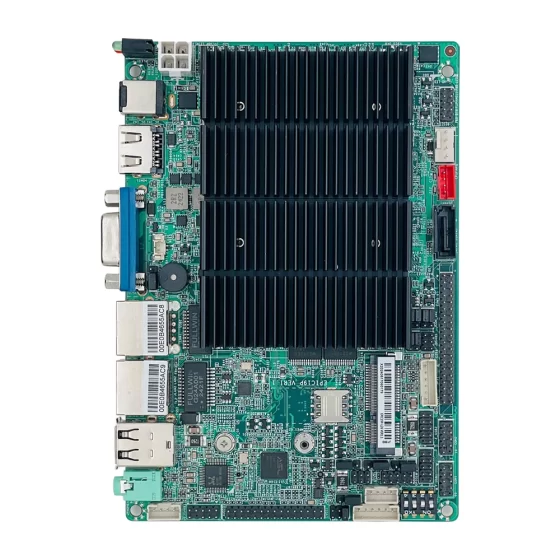
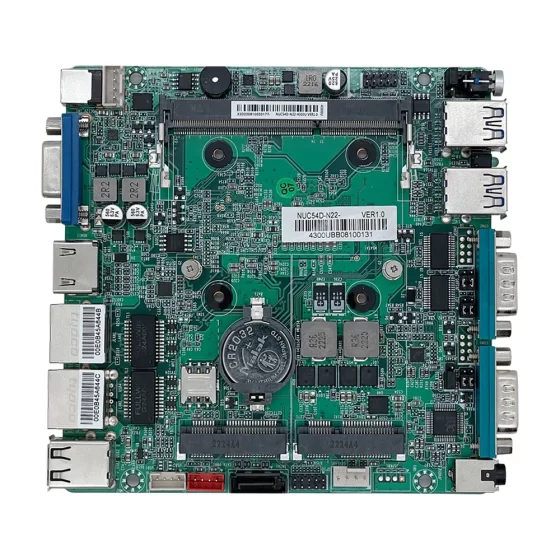
CoreIPC 産業用コンピューティング ソリューション

SCADA監視システム用産業用PC
エグゼクティブサマリー
アン SCADA監視システム用産業用PC 最新の産業用監視および監視制御環境のコンピューティング基盤として機能します. 産業施設はデジタルトランスフォーメーションを受け入れ続ける, 産業用モノのインターネット (IIoT), エッジコンピューティング, データ駆動型の運用, 監視制御とデータ収集 (スカダ) システムはリアルタイムの可視性にとってますます重要になっています, 運用管理, そして意思決定.
SCADA プラットフォームは PLC からデータを収集します, センサー, 遠隔端末装置 (RTU), 産業用ネットワーク, およびフィールドデバイスにより、オペレータに集中監視および管理機能が提供されます。. しかし, SCADA システムの有効性は、基盤となるコンピューティング ハードウェアの信頼性とパフォーマンスに大きく依存します。.
産業用 PC と組み込みコンピューターは処理能力を提供します, 接続性, 信頼性, 要求の厳しい産業環境で動作する SCADA アプリケーションに必要な長期安定性. これらのシステムはデータ収集をサポートします, 視覚化, 履歴データのストレージ, アラーム管理, 産業用通信, 過酷な条件下でも継続的な稼働を維持しながら、エンタープライズ統合を実現.
この記事では、SCADA 監視システムにおける産業用 PC の役割について説明します。, 導入に関する一般的な課題を調査します, ソリューションのアーキテクチャについて説明します, そして、最新の産業環境に産業グレードのコンピューティング プラットフォームを展開する運用上の利点を強調します。.

SCADA システムは、フィールドデバイスを接続することにより、産業運営を一元的に可視化します。, 制御システム, 大規模施設全体にわたる監視プラットフォーム.
業界の概要
SCADA システムは産業オートメーションにおいて最も重要なテクノロジーの 1 つとなっています, インフラ管理, およびプロセス制御. 元々は遠隔地の産業資産と生産プロセスを監視するために開発されました, SCADA プラットフォームは、製造施設全体のリアルタイムの可視性を提供する包括的な運用インテリジェンス システムに進化しました。, 公共事業, 交通ネットワーク, エネルギーインフラ, 重要な産業運営.
最新の SCADA システムは広く導入されています。:
- 製造工場
- 発電設備
- 水処理プラント
- 石油およびガス事業
- 交通インフラ
- ビルディングオートメーションシステム
- 再生可能エネルギープロジェクト
- スマートシティの導入
- 物流施設
- 産業用公益事業
今日の業界組織は、基本的なプロセスの視覚化以上のものを必要としています. 彼らは、SCADA プラットフォームへの依存度を高めています。:
- リアルタイム監視
- 履歴データ分析
- アラーム管理
- 生産報告
- リモート診断
- 予知保全
- エネルギーの最適化
- 資産運用管理
- 規制遵守
- エンタープライズ統合
運用環境の接続がさらに進むにつれて, SCADA システムは、増大するデータ量を処理する必要があります。:
- PLCコントローラー
- 産業用センサー
- マシンビジョンシステム
- スマートメーター
- 産業用IoTデバイス
- リモート機器
産業用コンピュータは、中断のないシステム動作を保証しながら、これらの拡大する要件をサポートするために必要なパフォーマンスと信頼性を提供します。.

最新の SCADA システムは分散した産業資産を統合する必要がある, 制御システム, 通信ネットワーク, 信頼性の高い運用上の可視性を実現する監視プラットフォーム.
主要な課題
連続稼働要件
多くの SCADA システムは継続的に動作します.
施設では多くの場合、:
- 24/7 手術
- リアルタイム監視
- 高可用性
- 最小限のダウンタイム
SCADA 機能が中断されると、生産効率に影響を与える可能性があります, 運転上の安全性, そして資産管理.
過酷な産業環境
SCADA インフラストラクチャは、困難な状況で頻繁に導入されます, 含む:
- ほこり
- 振動
- 湿度
- 電磁妨害
- 高温
- 離れた屋外の場所
商用コンピュータは通常、これらの環境向けに設計されていません.
データ量の増加
最新の産業施設は大量の運用データを生成します.
SCADA システムは、次の情報を処理する必要があります。:
- 数千のセンサー
- 複数のPLC
- 分散型制御システム
- リモート資産
- 産業用IoTデバイス
これには、大量のコンピューティング リソースと信頼性の高いストレージ機能が必要です。.
マルチプロトコルの統合
産業施設には複数のベンダーの機器が含まれることがよくあります.
典型的な SCADA 導入には以下が含まれる場合があります。:
- アレン・ブラッドリー PLC
- シーメンス PLC
- 三菱PLC
- Modbusデバイス
- BACnetシステム
- OPC UAサーバー
- MQTTゲートウェイ
複数の通信プロトコルのサポートは複雑になる場合があります.
サイバーセキュリティの懸念
産業用制御システムは、エンタープライズ ネットワークやクラウド プラットフォームとの接続が増加しています。.
組織は保護しなければなりません:
- 運用データ
- 産業資産
- 制御インフラストラクチャ
- 重要な操作
SCADA 環境で使用される産業用 PC は、安全な通信とネットワーク セグメンテーション戦略をサポートする必要があります.

産業用 PC が SCADA プラットフォームに接続, PLCシステム, フィールドデバイス, リアルタイムの監視と運用インテリジェンスを可能にするクラウド インフラストラクチャ.
ソリューションアーキテクチャ
最新の SCADA モニタリング システムは、複数の相互接続されたレイヤーで構成されています.
層 1: フィールドデバイス
フィールド層には以下が含まれます:
- センサー
- アクチュエーター
- メートル
- ドライブ
- パンプス
- バルブ
- 開閉装置
- 産業機器
これらのデバイスは運用データを収集し、制御コマンドを実行します。.
層 2: 制御層
制御層は次のもので構成されます:
- PLC
- RTU
- 分散型制御システム
- エッジコントローラー
これらのシステムはローカル制御機能を実行し、フィールドデバイスからデータを収集します。.
層 3: 産業用PC層
産業用 PC は SCADA コンピューティング プラットフォームとして機能します.
その責任には以下が含まれます::
- データ取得
- プロトコル変換
- アラーム管理
- 視覚化
- 履歴データの保存
- 報告
- 分析
- エッジコンピューティング
通信プロトコルには次のものがあります。:
- Modbus TCP
- Modbus RTU
- OPC UA
- MQTT
- イーサネット/IP
- プロフィネット
- BACネット
層 4: SCADA ソフトウェア層
SCADA ソフトウェア環境が提供するのは、:
- HMIインターフェース
- ダッシュボード
- 警報システム
- 傾向分析
- 歴史データベース
- イベントロギング
産業用 PC はこれらのアプリケーションをホストし、サポートします。.
層 5: エンタープライズ層とクラウド層
エンタープライズ統合のサポート:
- ERPシステム
- MESプラットフォーム
- クラウド分析
- 予知保全
- マルチサイト監視
産業用 PC は、オペレーティング システムとエンタープライズ アプリケーションの間の安全なゲートウェイとして機能します。.
主な特長
産業グレードの信頼性
SCADA システムには信頼性の高いコンピューティング ハードウェアが必要です.
産業用 PC が提供するのは、:
- ファンレス動作
- 頑丈な構造
- ソリッドステートストレージ
- 長期安定性
- 工業認証
これらの特性により、信頼性とシステムの可用性が向上します.
ファンレス設計
ファンレス産業用コンピューターは、過酷な環境でよく故障する可動部品を排除します.
メリットとしては以下が挙げられます:
- メンテナンスの軽減
- 信頼性の向上
- サイレント動作
- 防塵性の向上
ファンレス設計は、遠隔地や無人での SCADA 設置において特に価値があります。.
幅広い温度での動作
SCADA の導入は屋外または産業環境で行われることがよくあります.
産業用コンピュータのサポート:
- 幅広い動作温度
- 熱安定性
- 連続運転
これにより、厳しい条件下でも信頼性の高いパフォーマンスが保証されます。.
柔軟な通信インターフェース
産業用 PC は広範な接続オプションを提供します.
典型的なインターフェイスには次のものがあります。:
- ギガビットイーサネット
- シリアルポート
- USB
- RS232
- RS422
- RS485
- CANバス
- デジタル I/O
この柔軟性により、幅広い産業用デバイスとの統合がサポートされます。.
エッジコンピューティング機能
産業用 PC はエッジ コンピューティング ワークロードをますますサポートしています.
メリットとしては以下が挙げられます:
- 待ち時間の短縮
- ネットワークトラフィックの削減
- 応答時間の短縮
- ローカル分析
これにより、SCADA システム全体のパフォーマンスが向上します。.
データストレージとヒストリアンのサポート
SCADA システムは多くの場合、長期のデータ保持を必要とします.
産業用コンピュータのサポート:
- 歴史データベース
- データロギング
- イベントの記録
- 生産報告
信頼性の高いストレージ機能は運用分析とコンプライアンス要件に不可欠です.
サイバーセキュリティサポート
産業用 PC がサポートできるのは、:
- ネットワークのセグメンテーション
- ファイアウォールアプリケーション
- 安全な通信プロトコル
- リモートアクセス管理
これらの機能は産業用サイバーセキュリティ戦略を強化します.
導入シナリオ
製造設備
産業用 PC は、SCADA モニタリングをサポートします。:
- 生産ライン
- 包装設備
- ロボットシステム
- 組立作業
オペレーターは製造パフォーマンスをリアルタイムで把握できます.
水と廃水の処理
SCADAシステムモニター:
- パンプス
- バルブ
- 貯水池
- 水質センサー
産業用コンピュータは、要求の厳しいユーティリティ環境でも信頼性の高い動作を提供します.
発電
電力設備はSCADAシステムを利用して、:
- タービン監視
- 変電所管理
- エネルギーレポート
- 機器診断
産業用 PC は継続的な監視と動作の信頼性をサポートします.
石油・ガス事業
産業用コンピュータは、リモート SCADA モニタリングをサポートします。:
- パイプライン
- ポンプ場
- 保管施設
- 製油所の操業
信頼性の高いコンピューティング インフラストラクチャは運用の安全性にとって不可欠です.
ビルディングオートメーション
SCADA プラットフォームはますます導入されています。:
- 商業ビル
- データセンター
- 病院
- 空港
産業用 PC は施設の集中監視と管理をサポートします.
再生可能エネルギープロジェクト
太陽光および風力エネルギー施設はSCADAシステムを使用して監視します:
- インバータ
- 発電
- 環境条件
- グリッドパフォーマンス
産業用コンピュータは遠隔環境でも信頼性の高い動作を実現します.
ビジネス上のメリット
運用上の可視性の向上
SCADA システムは、機器のパフォーマンスと動作ステータスに関するリアルタイムの洞察を提供します。.
産業用 PC は、この重要な情報への信頼性の高いアクセスを保証します.
ダウンタイムの削減
継続的なモニタリングにより、障害が発生する前に機器の問題を特定することができます.
組織はプロアクティブに対応し、混乱を最小限に抑えることができます.
意思決定の強化
SCADA で生成されたデータは、情報に基づいた運用およびメンテナンスの意思決定をサポートします.
産業用 PC は、データ分析とレポート作成に必要なコンピューティング リソースを提供します。.
優れたスケーラビリティ
産業用コンピューティング プラットフォームは、施設の設備追加による将来の拡張をサポートします, センサー, およびソフトウェアアプリケーション.
総所有コストの削減
産業用グレードのハードウェアにより、メンテナンス要件が軽減され、導入ライフサイクルが延長されます.
これにより、全体的な運用コストの削減に貢献します.
デジタルトランスフォーメーションのサポート
産業用 PC は、次の作業に必要なインフラストラクチャを提供します。:
- インダストリアルIoT
- エッジコンピューティング
- 予知保全
- AI分析
- クラウド統合
これらのテクノロジーは、組織が業務を最新化し、競争力を向上させるのに役立ちます.
CoreIPC を選ぶ理由
CoreIPC は、要求の厳しい SCADA 監視環境向けに設計された産業用コンピューティング プラットフォームを提供します. 当社の産業用コンピュータ, 組み込みコンピュータ, 産業用マザーボードは信頼性の高いパフォーマンスを提供します, 柔軟な接続性, 長い製品ライフサイクル, 工業グレードの耐久性. 製造自動化をサポートしているかどうか, 公共インフラ, エネルギー管理, またはリモート監視アプリケーション, CoreIPC ソリューションは、組織が安定してスケーラブルな SCADA システムを自信を持って展開できるように支援します.
よくある質問
SCADA産業用PCとは?
SCADA 産業用 PC は、SCADA ソフトウェアをホストするように設計された堅牢なコンピューティング プラットフォームです。, 運用データを収集する, 産業用通信を管理する, 産業環境でのリアルタイム監視を提供します.
SCADA に商用 PC ではなく産業用 PC を使用する理由?
産業用 PC は過酷な環境向けに設計されています, 連続運転, 広い温度範囲, そして長期的な信頼性, 産業用途により適したものになります.
産業用 PC は SCADA ソフトウェアを直接ホストできますか?
はい. 産業用 PC は通常、SCADA アプリケーションをホストします, 歴史家データベース, HMIソフトウェア, アラーム管理システム, およびレポートツール.
一般的にサポートされている通信プロトコルは何ですか?
産業用 PC は通常、Modbus TCP をサポートします, Modbus RTU, OPC UA, MQTT, イーサネット/IP, プロフィネット, BACネット, およびその他の産業用通信規格.
SCADAシステムに適したファンレス産業用コンピュータはありますか?
はい. ファンレスシステムにより信頼性が向上, メンテナンス要件の軽減, ほこりや汚れに対する耐性が向上.
産業用 PC はリモート SCADA モニタリングをサポートできますか?
はい. 産業用コンピュータはリモート アクセスをサポートできます, クラウド接続, および分散監視アプリケーション.
産業用 PC はエッジ コンピューティングをどのようにサポートするのか?
運用データをローカルで処理します, 遅延と帯域幅の使用量を削減しながら、より迅速な意思決定を可能にします。.
SCADA 産業用 PC を使用している業界?
製造業, 公共事業, エネルギー, 石油とガス, 交通機関, 水処理, 再生可能エネルギー, およびビルオートメーション部門はすべて一般的に SCADA 産業用 PC を導入しています。.
産業用 PC はいつまで利用可能ですか?
産業用コンピューティング プラットフォームは通常、製品ライフサイクルの延長と長期的な可用性を提供して、産業オートメーション プロジェクトをサポートします。.
SCADA産業用PCを選択する際に考慮すべきこと?
重要な要素にはプロセッサーのパフォーマンスが含まれます, 通信インターフェース, 環境仕様, ストレージ容量, ライフサイクルの可用性, サイバーセキュリティ要件, ソフトウェアの互換性.
結論
アン SCADA監視システム用産業用PC 最新の産業監視に必要な信頼性の高いコンピューティング基盤を提供します, 監視制御, およびオペレーショナル インテリジェンス アプリケーション. SCADA ソフトウェアは可視性と制御を提供します。, 産業用コンピュータは信頼性の高いパフォーマンスを保証します, 堅牢な接続性, 長期的な信頼性, インダストリアルIoTなどの新興テクノロジーのサポート, エッジコンピューティング, および予知保全.
産業グレードのコンピューティング プラットフォームを導入することで, 組織は運用の可視性を向上させることができます, ダウンタイムを削減する, 意思決定を強化する, 長期的なデジタル変革目標をサポートするスケーラブルな監視インフラストラクチャを構築します。.
お問い合わせ
SCADA監視システム用の産業用PCソリューションをお探しですか?
CoreIPC は産業用コンピュータを提供します, 組み込みコンピュータ, 産業用マザーボード, SCADA 用に設計されたカスタマイズされたコンピューティング プラットフォーム, インダストリアルIoT, エッジコンピューティング, エネルギー管理, および産業オートメーションアプリケーション.
当社のエンジニアリング チームに連絡して、プロジェクトの要件について話し合い、導入に最適な産業用コンピューティング ソリューションを特定します。.