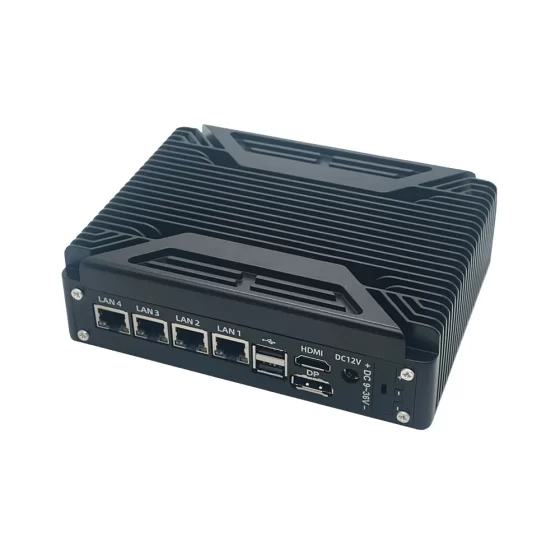
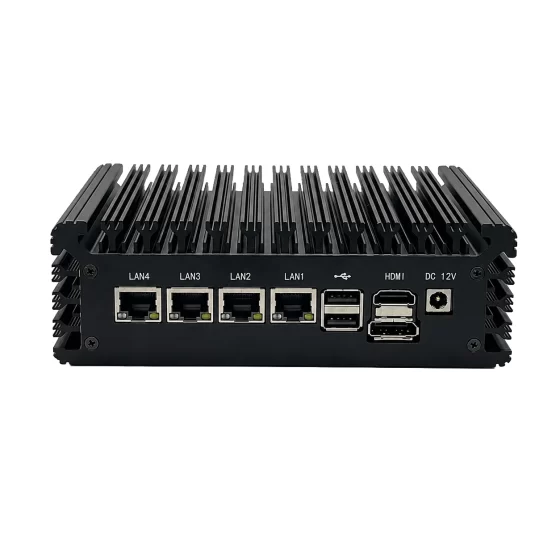
CoreIPC 産業用コンピューティング ソリューション

自動化のための AI コンピューティング プラットフォーム: スマート産業システム向けの AI コンピューティング オートメーション
エグゼクティブサマリー
An AI computing automation platform provides the industrial computing foundation for machine vision, ロボット工学, 予知保全, プロセス監視, 欠陥検出, and intelligent factory control.
As manufacturing systems become more connected and data-driven, factories need computing platforms that can process AI workloads close to production equipment. Sending all camera images, センサーデータ, PLC records, and machine events to a remote cloud system can create latency, 帯域幅のプレッシャー, and operational dependency on network availability.
AI computing automation allows industrial computers and embedded computers to perform local AI inference, リアルタイムデータ処理, machine-side decision support, and automation system integration. These platforms can connect cameras, センサー, PLC, ロボット, モーションコントローラー, バーコードリーダー, 産業用ゲートウェイ, および工場出荷時のソフトウェア システム.
An industrial computer can act as the local AI processing node for production lines, 検査ステーション, ロボット細胞, 包装システム, logistics sorting systems, and smart manufacturing equipment. An embedded computer can provide similar capabilities in a compact form factor for machine builders and space-limited automation systems.
標準的な商用 PC との比較, 産業用コンピュータの信頼性が向上, 柔軟な I/O, 頑丈な機械設計, ファンレスオプション, 安定した熱性能, 産業用ネットワーキング, 長いライフサイクルのサポート.
This article explains how AI computing automation works, メーカーが直面している展開上の課題, ソリューション アーキテクチャがどのように構成されているか, and which hardware features are important when selecting an industrial computer or embedded computer for AI-enabled automation systems.
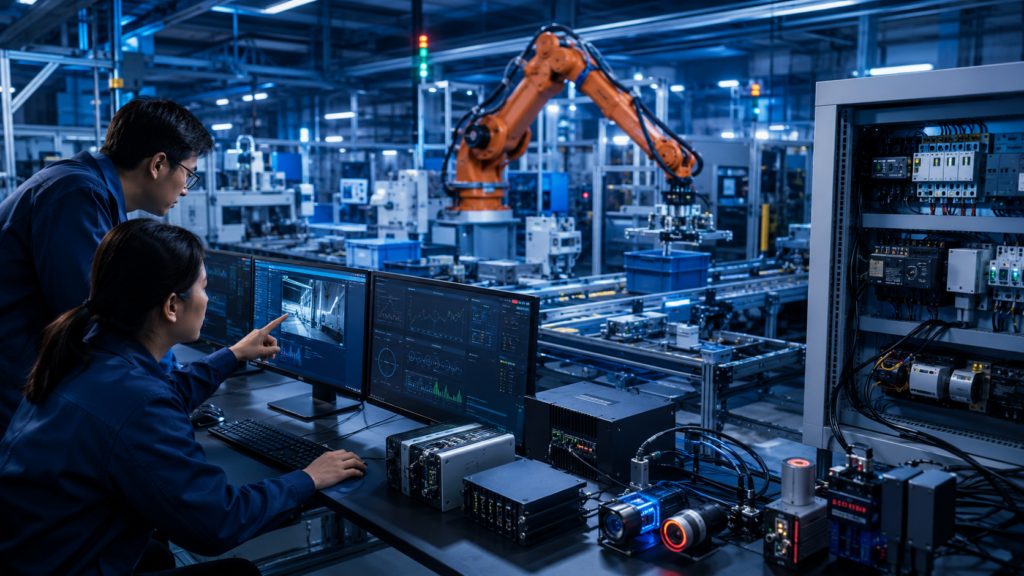
Industrial computers process AI inference, マシンビジョン, センサーデータ, and machine events near production equipment.
業界の概要
Automation Is Moving from Rule-Based Control to Intelligent Decision-Making
Traditional automation systems are often based on fixed logic.
PLC, センサー, モーター, リレー, コンベア, and machine controllers perform defined actions according to programmed rules. This approach is reliable and widely used, but it has limitations when production environments become more complex.
Modern factories increasingly need systems that can recognize images, 欠陥を分類する, 異常なパターンを検出する, monitor equipment behavior, and adapt to variable production conditions.
AI computing automation helps bridge this gap.
It brings AI inference, 画像処理, sensor analysis, and local decision support into the automation layer.
AI Is Becoming Practical on the Factory Floor
AI is no longer limited to research labs or cloud analytics platforms.
産業環境において, AI is increasingly used for practical production tasks such as:
- 視覚的な欠陥の検出
- Product classification
- 組立て検証
- バーコードとOCR認識
- ロボット誘導
- 予知保全
- 安全監視
- プロセスの異常検出
- Sorting and routing control
- エネルギー使用量の分析
- Production quality monitoring
これらのアプリケーションには信頼性の高いローカル コンピューティング ハードウェアが必要です.
The AI platform must operate near machines, process data quickly, and communicate with automation equipment in a stable way.
Industrial Computing Is the Foundation
An AI automation system depends on more than AI software.
It needs a stable hardware platform that can connect industrial devices, run AI workloads, データを管理する, and operate continuously in real factory environments.
産業用コンピュータと組み込みコンピュータがこの基盤を提供します.
カメラインターフェイスをサポートできます, 産業用I/O, 複数のLANポート, シリアル通信, SSDストレージ, ディスプレイ出力, 拡張インターフェース, 頑丈な取り付け.
This makes them suitable for AI-enabled production lines, OEM machines, ロボットシステム, industrial IoT nodes, and factory edge computing platforms.

マルチカメラデータ, センサーネットワーク, PLC通信, ロボット工学, storage pressure, and cabinet deployment affect AI automation reliability.
主要な課題
Matching AI Workloads with Real Production Needs
AI workloads vary widely across automation systems.
A simple barcode recognition station may only need moderate CPU performance. A multi-camera defect detection line may require stronger CPU, GPU, メモリ, ストレージ, and network bandwidth.
Common AI automation workloads include:
- 物体検出
- 画像分類
- 欠陥のセグメント化
- OCR認識
- 異常検知
- 予知保全
- Robot vision
- センサーフュージョン
- ビデオ分析
- Process data analysis
The industrial computer must be selected according to the actual workload, 一般的な仕様だけでなく.
Real-Time Response Requirements
Automation systems often require fast response.
If AI processing is delayed, the system may fail to reject a defective product, guide a robot, stop an abnormal process, or trigger an alarm in time.
リアルタイム要件が表示される場合があります。:
- 視力検査
- コンベア仕分け
- Robot picking
- 梱包の検証
- High-speed camera systems
- 安全監視
- Production line alarms
- Machine fault detection
An AI computing automation platform must provide stable sustained performance during continuous operation.
産業用デバイスの統合
AI platforms must connect with real equipment.
A factory automation system may include PLCs, センサー, ロボット, モーションコントローラー, カメラ, 照明コントローラー, バーコードリーダー, ゲートウェイ, 産業用スイッチ, およびローカルデータベース.
The AI computer may need to receive trigger signals, 画像を処理する, send results to PLCs, レコードを MES にアップロードする, and display information on an HMI.
Important integration requirements may include:
- LAN
- USB
- RS232
- RS485
- GPIO
- デジタル入力
- デジタル出力
- HDMI
- ディスプレイポート
- M.2
- PCIe
適切な I/O 設計がなければ, AI automation projects become harder to deploy and maintain.
データ帯域幅とストレージ圧力
AI automation systems can generate large amounts of data.
高解像度カメラ, 3Dセンサー, ビデオストリーム, PLCログ, 欠陥画像, モデルファイル, and production records can place pressure on both storage and network systems.
The industrial computer may need to handle:
- カメラデータストリーム
- Temporary image buffering
- AI inference outputs
- ローカルデータベース
- Defect image storage
- センサー履歴
- 生産ログ
- Model files
- MES or cloud uploads
ストレージ速度, 容量, and write endurance should be considered early in the system design.
Reliability in Factory Environments
Factory environments are not the same as office environments.
AI automation computers may be installed near machines, inside control cabinets, 生産ライン上で, inside inspection systems, or next to robotic cells.
これらの場所では振動が発生する可能性があります, ほこり, 温度変化, 電気ノイズ, 限られた空気の流れ, ケーブルの動き, そして連続運転.
Industrial-grade hardware helps reduce the risk of downtime, unstable performance, and maintenance problems.

Industrial computers connect AI workloads, 自動化装置, ローカルデータベース, クラウドシステム, および工場出荷時のソフトウェアプラットフォーム.
AI Computing Automation Solution Architecture
デバイスとデータ取得層
The device layer includes all production equipment and data sources connected to the AI computing platform.
この層には以下が含まれる場合があります:
- 産業用カメラ
- 3Dカメラ
- ハイスピードカメラ
- PLC
- センサー
- モーションコントローラー
- ロボット
- バーコードリーダー
- 照明コントローラー
- 試験装置
- 産業用ゲートウェイ
- エネルギーメーター
これらのデバイスは AI 推論に必要な生データを生成します, 監視, 品質検査, そして自動化制御.
産業用 AI コンピューティング層
The industrial AI computing layer is the core of the system.
この層では, the industrial computer or embedded computer performs local processing.
かもしれない:
- カメラから画像を取得する
- AI推論モデルを実行する
- センサーデータを分析する
- Process PLC records
- 欠陥または異常を検出する
- Calculate robot guidance data
- 検査結果を保存する
- Send alarms or control signals
- ローカルダッシュボードを表示する
- 選択したデータを工場システムにアップロードする
This local edge layer allows AI decisions to happen close to production equipment.
自動化制御層
The automation control layer connects AI results with physical equipment action.
PLC, ロボットコントローラー, コンベアコントローラー, or motion controller may trigger data capture and receive results from the AI computer.
例えば, after an AI vision model detects a defect, 産業用コンピュータは失敗信号を PLC に送信できます。. The PLC can then activate a reject mechanism or route the product for rework.
ロボット用途で, the AI computer may calculate object position and send coordinates to a robot controller.
ファクトリーソフトウェア統合レイヤー
AI automation systems need to connect with higher-level factory software.
The industrial computer may send results to:
- MES
- スカダ
- ERP
- 高品質のデータベース
- プロダクションダッシュボード
- クラウドプラットフォーム
- メンテナンス体制
- 産業用IoTプラットフォーム
すべての生データを送信する代わりに, the AI platform can process data locally and upload selected results, 要約, アラーム, or exception records.
This reduces bandwidth pressure and improves system efficiency.
ユーザーインターフェイスとメンテナンス層
オペレーターとエンジニアは監視とメンテナンスのための実用的なインターフェースを必要としています.
The AI computer may connect to a monitor, タッチスクリーン, HMIパネル, or local workstation.
インターフェイスで表示できるのは、:
- Live camera views
- AIによる検知結果
- 機械の状態
- アラームメッセージ
- 生産数
- 欠陥画像
- センサーのトレンド
- モデルステータス
- ネットワークステータス
- システムログ
A clear interface helps engineers maintain the AI system and respond quickly to production issues.
主な特長
AI推論パフォーマンス
AI computing automation requires stable inference performance.
適切なハードウェアはモデルの複雑さに依存します, カメラ数, sensor frequency, サイクルタイム, and required response speed.
選択は考慮すべきです:
- CPU性能
- GPU または AI アクセラレータのサポート
- メモリ容量
- ストレージ速度
- PCIeの拡張
- M.2拡張
- 消費電力
- 熱設計
- オペレーティング システムのサポート
- AI フレームワークの互換性
軽量のワークロード向け, 組み込みコンピュータで十分かもしれない. For multi-camera vision or deep learning inference, an edge AI computer or industrial PC with acceleration may be required.
複数のネットワークインターフェース
Industrial AI systems often need multiple network connections.
1 つのネットワークでカメラを接続できる. Another may connect PLCs or machine controllers. A separate network may connect MES, スカダ, またはクラウドシステム.
複数のLANポートをサポート可能:
- カメラトラフィックの分離
- マシンネットワーク通信
- 工場IT接続
- リモートメンテナンス
- Data upload
- セキュリティのセグメンテーション
- 複数行の展開
Network architecture should be planned before deployment to avoid traffic conflicts.
柔軟な産業用 I/O
The AI computer must connect with real automation devices.
重要な I/O オプションには次のものがあります。:
- LAN
- USB
- RS232
- RS485
- GPIO
- デジタル入力
- デジタル出力
- HDMI
- ディスプレイポート
- M.2
- PCIe
- SATA または NVMe ストレージ
Flexible I/O reduces external converter usage and improves system reliability.
It also gives machine builders more freedom when integrating AI computing into different equipment platforms.
堅牢なファンレス設計
Industrial automation systems often operate continuously.
Fanless computers reduce dust intake and remove one common mechanical failure point. 頑丈なエンクロージャが振動から保護します, ケーブルストレス, およびキャビネットの設置条件.
しかし, AI ワークロードは大量の熱を発生させる可能性があります.
For high-performance systems, 熱設計は慎重に検討する必要があります. プロセッサーのパワー, GPU usage, 筐体設計, 周囲温度, 気流, and mounting position all affect long-term stability.
信頼性の高いストレージとデータバッファリング
AI automation platforms may need local storage for images, ログ, モデルファイル, センサーデータ, 欠陥記録, および一時バッファ.
SSD または NVMe ストレージは、機械式ドライブよりもアクセスが速く、耐衝撃性に優れているため、一般的に好まれます。.
データ量の多いアプリケーション向け, the system design should review:
- ストレージ容量
- Sustained write speed
- 書き込み耐久性
- バックアップ戦略
- Retention policy
- ローカルバッファリングのニーズ
- Database workload
- ネットワーク中断動作
Reliable storage design helps prevent data loss and supports traceability.
長いライフサイクルと保守性
Automation systems may remain in production for many years.
コンピューターのモデルが頻繁に変更される, ドライバー, インターフェース, または拡張オプションにより、検証の作業負荷とメンテナンスコストが増加する可能性があります.
ライフサイクル プランニングを備えた産業用コンピューティング プラットフォームは、メーカーや OEM 機器ビルダーが複数のラインにわたって一貫したシステムを維持するのに役立ちます, 工場, と機器の世代.
This is especially important for scalable AI deployment.

AI computing platforms improve machine vision, 予知保全, robot monitoring, 生産トレーサビリティ, and data-driven automation.
導入シナリオ
AIマシンビジョン検査
AI machine vision is one of the most common automation applications.
An industrial computer can process images from cameras, 欠陥検出モデルを実行する, and send pass or fail results to PLCs or quality systems.
アプリケーションには電子機器検査が含まれる場合があります, バッテリー検査, 梱包検査, 食品検査, 医薬品検査, および半導体AOI.
Robotic Guidance and Picking
Robots can use AI vision to identify objects, 部品を見つける, and adjust movement.
The AI computing platform can process camera images or 3D sensor data and send position information to robot controllers.
これはビンピッキングをサポートします, part handling, 組立ての検証, 並べ替え, 柔軟な製造.
予知保全
AI automation platforms can analyze equipment data from vibration sensors, 温度センサー, current sensors, モーター, パンプス, およびマシンコントローラー.
The industrial computer can detect abnormal patterns and generate local alerts before equipment failure becomes more serious.
This helps maintenance teams improve machine availability.
生産ラインの監視
AI can monitor production flow, product presence, マシンのステータス, and abnormal conditions.
The computing platform can process camera images, センサーデータ, and PLC information to detect bottlenecks, 不足している部品, line stoppages, またはプロセスの逸脱.
This supports real-time production visibility.
包装自動化
Packaging systems can use AI computing for label verification, バーコード認識, seal inspection, cap inspection, carton checking, and final package validation.
The industrial computer processes images locally and sends results to PLCs, 拒否メカニズム, MES, or WMS systems.
This reduces packaging errors and improves traceability.
Logistics Sorting
Logistics automation can use AI and vision to identify parcels, バーコードを読み取る, ラベルを検証する, detect package abnormalities, and guide sorting mechanisms.
組み込みコンピュータをスキャントンネル内に設置可能, 仕分け装置, or conveyor control cabinets.
This supports faster and more accurate warehouse automation.
産業用IoTデータ処理
Industrial IoT systems collect data from machines, センサー, メートル, PLC, とゲートウェイ.
An AI computing automation platform can aggregate this data, ローカルで処理する, 異常を検出する, and send structured results to dashboards, MES, スカダ, またはクラウドプラットフォーム.
This creates a practical bridge between shop-floor equipment and digital manufacturing software.
OEM マシンの統合
Machine builders can integrate AI computers into inspection machines, ロボットシステム, スマートゲートウェイ, 仕分け装置, および自動生産設備.
コンピューティング プラットフォームは AI 推論を提供できます, 画像処理, HMIディスプレイ, PLC通信, ローカルストレージ, および工場出荷時のデータ出力.
This helps OEMs deliver intelligent equipment for smart manufacturing applications.
ビジネス上のメリット
ローカルでの意思決定の迅速化
AI computing automation brings processing close to the production equipment.
This reduces latency and allows faster decisions for inspection, 並べ替え, ロボット誘導, アラーム, およびプロセス監視.
Fast local response is important when production systems must act within short cycle times.
クラウド依存性の軽減
Factories do not always need to send every image, ビデオストリーム, またはセンサー記録をクラウドに送信.
An industrial computer can process data locally and upload only useful results, such as alarms, 欠陥記録, 要約, または選択した画像.
This reduces bandwidth load and improves production resilience.
Improved Automation Flexibility
AI computing allows automation systems to handle more complex and variable conditions.
Instead of relying only on fixed rules, systems can use visual recognition, 異常検出, and intelligent classification.
This helps factories automate tasks that are difficult to solve with traditional logic alone.
より強力な生産トレーサビリティ
AI automation data can be linked with product IDs, 作業命令, 検査結果, マシンのステータス, タイムスタンプ, ステーションID, and defect images.
これにより、品質分析のためのより強力なトレーサビリティが実現します。, プロセスの改善, 顧客監査, そして生産責任.
Reliable industrial hardware helps ensure that this data is collected and transferred consistently.
Better Equipment Utilization
AI computing platforms can analyze machine data and detect abnormal conditions earlier.
Predictive maintenance and process monitoring can help reduce unexpected downtime and support better maintenance planning.
This helps manufacturers improve equipment availability and production efficiency.
スケーラブルなスマート マニュファクチャリングの導入
A standardized AI computing platform makes it easier to deploy automation intelligence across multiple machines, 行, そして工場.
一貫したハードウェアによりソフトウェア イメージが簡素化されます, ドライバー管理, スペアパーツの計画, メンテナンストレーニング, およびライフサイクルサポート.
This helps manufacturers move from small AI pilots to scalable production systems.
CoreIPC を選ぶ理由
CoreIPC はエッジ AI 向けの産業用コンピューティング プラットフォームを提供します, マシンビジョン, 産業オートメーション, ロボット工学, および組み込みシステムの統合. For AI computing automation applications, CoreIPC は信頼性の高い産業用コンピューター ハードウェアに重点を置いています, 組み込みコンピュータソリューション, 柔軟な I/O 構成, コンパクトなシステム設計, OEM/ODMカスタマイズサポート. CoreIPC はシステム インテグレーターを支援します, 機械製造業者, 製造チームは実際の導入要件に適合するコンピューティング プラットフォームを選択します, AI ワークロードを含む, カメラインターフェース, ネットワーク設計, オートメーションコミュニケーション, ストレージのニーズ, 取り付け方法, 電源入力, 熱条件, およびライフサイクル計画.
よくある質問
1. What is an AI computing platform for automation?
An AI computing platform for automation is an industrial computer or embedded computer used to run AI workloads near machines and production equipment.
カメラ画像を処理できる, センサーデータ, PLC records, and machine events. It may also run AI inference models, 欠陥を検出する, ガイドロボット, trigger alarms, 選択したデータを MES にアップロードします, スカダ, またはクラウドプラットフォーム.
2. Why use an industrial computer for AI computing automation?
An industrial computer is designed for factory deployment.
連続運転をサポートします, 頑丈な取り付け, 産業用I/O, multiple network interfaces, カメラの接続, 信頼できるストレージ, 長いライフサイクルの可用性. These features make it more suitable than a standard office PC for AI automation systems installed near machines, コンベア, ロボット, および制御盤.
3. How is an embedded computer used in automation AI systems?
組み込みコンピュータを検査機内に設置可能, ロボット細胞, スマートゲートウェイ, 包装システム, 仕分け装置, or production cabinets.
AI推論を実行できる, 画像を処理する, PLCと通信する, ローカル結果を表示する, and send data to factory software. Its compact design makes it useful for OEM equipment and space-limited installations.
4. What AI workloads can automation computers support?
AI automation computers can support visual inspection, 欠陥検出, OCR, バーコード認識, ロボット誘導, 予知保全, 異常検出, 生産監視, ビデオ分析, および産業用IoTデータ処理.
正確なワークロードは CPU のパフォーマンスによって異なります, GPU または AI アクセラレータのサポート, メモリ容量, ストレージ速度, カメラの帯域幅, ソフトウェアの互換性.
5. Does an AI automation platform need a GPU?
一部の AI ワークロードには GPU または AI アクセラレータのサポートが必要です, especially for high-resolution machine vision, マルチカメラ検査, ビデオ分析, または複雑な深層学習モデル.
モデルが軽量でサイクルタイムが中程度であれば、他のアプリケーションも CPU ベースの産業用コンピューターで実行できる可能性があります。. Hardware should be selected based on real model testing and production requirements.
6. What interfaces are important for AI computing automation?
重要なインターフェイスには複数の LAN ポートが含まれる場合があります, USB 3.0, RS232, RS485, GPIO, デジタル入力, デジタル出力, HDMI, ディスプレイポート, M.2, PCIe, SATA, およびNVMeストレージのサポート.
これらのインターフェースはカメラをサポートしています, センサー, PLC, ロボット, 照明コントローラー, バーコードリーダー, 産業用ゲートウェイ, ストレージデバイス, およびローカルディスプレイ.
7. Can fanless industrial computers support AI automation?
Fanless industrial computers can support many AI automation workloads, especially moderate vision, データ取得, and edge processing tasks.
しかし, high-performance AI inference may generate significant heat. CPUパワー, GPU or accelerator usage, 筐体設計, キャビネットのエアフロー, 周囲温度, 最終的なハードウェアを選択する前に、取り付け方法を検討する必要があります。.
8. How does AI computing automation connect with PLCs?
The AI computer can connect with PLCs through Ethernet, シリアル通信, デジタルI/O, またはサポートされている自動化ソフトウェア インターフェイス.
A PLC may trigger image capture or send machine status to the AI computer. 加工後, AIコンピューターはパスを返すことができます, 失敗, アラーム, 位置, or classification results to the PLC for production action.
9. Can AI automation systems connect with MES or SCADA?
はい. 産業用コンピューターは AI 結果を送信できる, 生産データ, アラーム, 検査記録, and equipment status to MES, スカダ, 高品質のデータベース, またはダッシュボード.
This connects machine-side intelligence with higher-level manufacturing systems. It also supports traceability, 生産監視, そしてプロセスの改善.
10. What should be tested before deploying an AI automation computer?
導入前, システムは実際のカメラでテストする必要があります, センサー, PLC, AIモデル, 生産サイクルタイム, ストレージのワークロード, ネットワークアーキテクチャ, 長時間にわたる運用.
熱安定性, I/O reliability, ローカルバッファリング, データのアップロード, and maintenance access should also be validated. これにより、運用展開時のリスクを軽減できます。.
結論
An AI computing automation platform is a practical foundation for bringing machine vision, AI推論, sensor analytics, ロボット誘導, 予知保全, and industrial IoT processing closer to production equipment.
By using an industrial computer or embedded computer near cameras, センサー, PLC, ロボット, コンベア, および生産システム, メーカーはデータをローカルで処理できる, 待ち時間を短縮する, improve automation flexibility, and strengthen factory traceability.
実際の導入要件に応じて適切なプラットフォームを選択する必要があります, AI ワークロードを含む, カメラインターフェース, I/O構成, ネットワーク設計, ストレージのニーズ, 拡張要件, 取付方法, 電源入力, 熱条件, オペレーティング システムのサポート, およびライフサイクル計画.
CoreIPC supports AI computing automation projects with industrial computing platforms designed for practical factory and equipment deployment. 適切なハードウェア基盤があれば, メーカーや機械製造業者は信頼性の高い製品を構築できます, スケーラブルな, and data-driven automation systems for smart manufacturing.
お問い合わせ
産業用コンピュータを探しています, 組み込みコンピュータ, or edge AI platform for AI computing automation?
プロジェクトの要件については、CoreIPC にお問い合わせください。, AI ワークロードを含む, カメラインターフェース, ネットワークアーキテクチャ, I/O構成, ストレージデザイン, オートメーションコミュニケーション, 取付方法, 電源入力, 動作環境, ライフサイクルのニーズ, および OEM/ODM カスタマイズ オプション.