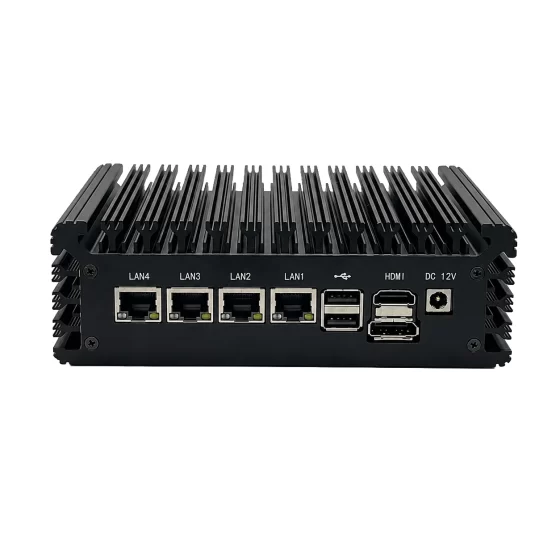
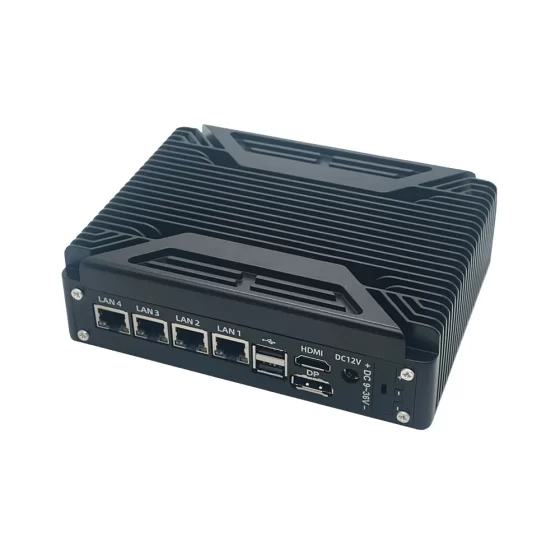
CoreIPC 産業用コンピューティング ソリューション

リアルタイムAI処理システム: 産業オートメーション向けのリアルタイム AI 処理
エグゼクティブサマリー
リアルタイム AI 処理システムは、高速 AI 推論のための産業用コンピューティング基盤を提供します, マシンビジョン検査, ロボット誘導, プロセス監視, 欠陥検出, 最新の製造環境における自動化への対応.
産業用 AI アプリケーションの多くは、非常に短い時間枠内での意思決定を必要とします. ビジョンシステムは、検査ステーションを出る前に欠陥製品を拒否する必要がある場合があります. ロボットセルは、次の動作サイクルの前にオブジェクトの位置データを必要とする場合があります. 監視システムは、ダウンタイムが発生する前に、機器の異常な動作を検出する必要がある場合があります。.
産業用コンピューターまたは組み込みコンピューターは、カメラの近くでローカル AI 処理を実行できます, センサー, PLC, ロボット, コンベア, そして機械. これはレイテンシの短縮に役立ちます, ネットワーク依存性の低下, 生産の信頼性を向上させます.
クラウドのみのAI処理との比較, リアルタイム エッジ AI システムにより、工場はデータをローカルで処理し、有用な結果のみを送信できるようになります, アラーム, 要約, または選択したレコードを MES に送信します, スカダ, 高品質のデータベース, またはクラウドプラットフォーム.
標準的な商用 PC との比較, 産業用コンピュータは堅牢な機械設計を備えているため、工場での導入に適しています。, 柔軟な I/O, 安定したネットワーク, 信頼できるストレージ, ファンレスオプション, 長いライフサイクルのサポート.
この記事では、リアルタイム AI 処理システムの仕組みについて説明します, メーカーが直面している展開上の課題, ソリューション アーキテクチャがどのように構成されているか, リアルタイム AI ワークロード用の産業用コンピューターまたは組み込みコンピューターを選択する際にどのハードウェア機能が重要になるか.
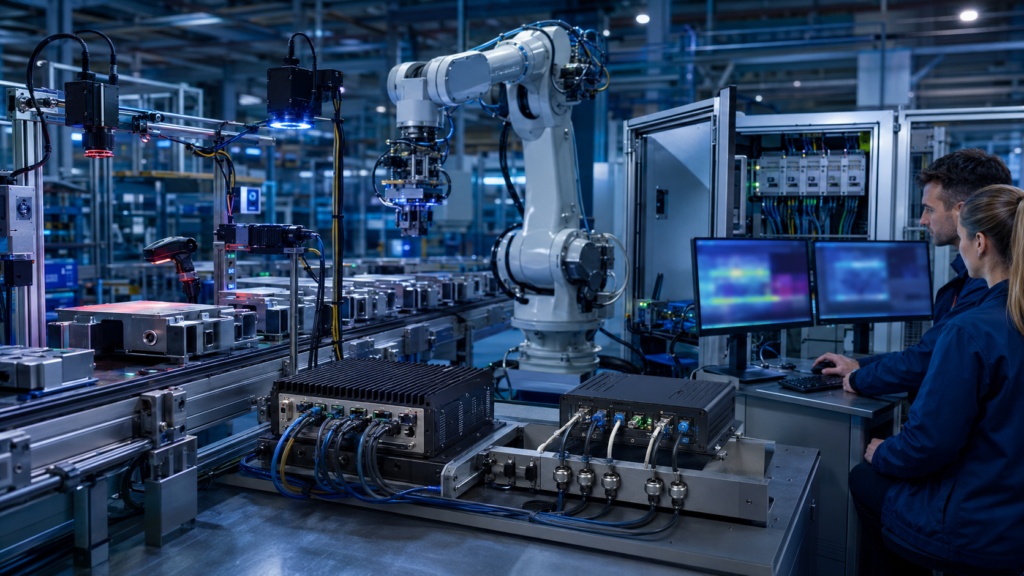
リアルタイム AI ファクトリー導入
業界の概要
AI はオフライン分析からリアルタイム生産へと移行しています
初期の産業用 AI プロジェクトはオフライン分析に重点を置くことが多かった.
画像, センサーログ, または、生産記録が最初に収集され、後で分析されました. このアプローチはエンジニアリングレビューに役立ちます, モデル開発, そしてプロセスの研究.
しかし, 現代の工場では、ライブ生産をサポートする AI の必要性がますます高まっています.
リアルタイム AI が役立つのは、:
- 欠陥の拒否
- マシンビジョン検査
- ロボット誘導
- コンベア仕分け
- バーコードとOCR認識
- 予知メンテナンスのアラート
- 安全地帯の認識
- 設備監視
- プロセスの異常検出
- 梱包の検証
- 物流ルーティング
これらのアプリケーションには、データを迅速に処理し、自動化システムと確実に通信できるローカル コンピューティング ハードウェアが必要です。.
リアルタイム処理が重要な理由
産業オートメーションにおいて, 遅延は生産結果に直接影響する可能性があります.
AIの推論が遅すぎる場合, 欠陥のある製品はリジェクトポイントを通過する可能性があります. ロボット誘導データの到着が遅れた場合, ロボットは正しいピッキングウィンドウを見逃す可能性があります. 機器の警報が遅れた場合, メンテナンスチームの対応が遅すぎる可能性があります.
リアルタイム AI 処理は、生産サイクル内でデータをアクションに変換するのに役立ちます.
システムは画像キャプチャを処理する必要があります, 前処理, モデル推論, 結果の計算, データストレージ, アプリケーションに十分な速度の PLC 通信.
インダストリアル コンピューティングはハードウェアの基盤です
リアルタイム AI システムはモデル以上のものに依存します.
AI ワークロードを継続的に実行できる安定した産業用コンピューティング ハードウェアが必要です, 産業用機器に接続する, データを管理する, 実際の工場環境で動作します.
産業用コンピュータと組み込みコンピュータがこの基盤を提供します.
カメラインターフェイスをサポートできます, 複数のLANポート, USB接続, シリアルポート, GPIO, デジタルI/O, SSDまたはNVMeストレージ, ディスプレイ出力, および拡張モジュール.
これにより、マシンサイドの AI 検査に適しています。, ロボット細胞, 自動仕分けシステム, 生産監視, およびOEMスマート機器.

リアルタイム AI 導入の課題
主要な課題
低遅延 AI 推論
リアルタイム AI システムはデータを迅速に処理する必要があります.
必要な応答時間はアプリケーションによって異なります. 高速検査ラインでは、ミリ秒以内または短い生産サイクルでの結果が必要な場合があります. 予知保全システムでは分析期間を長くできる可能性がありますが、それでもタイムリーなアラートが必要です.
レイテンシはいくつかの段階で発生する可能性があります:
- 画像キャプチャ
- センサーサンプリング
- データ転送
- 前処理
- AIモデル推論
- 後処理
- PLC通信
- 結果の保存
- ネットワークアップロード
産業用コンピュータは、完全な処理パイプラインに従って選択する必要があります, AIモデル自体だけでなく.
マルチソースデータ処理
リアルタイム AI システムは多くのソースからデータを収集することがよくあります.
単一の導入にはカメラが含まれる場合があります, センサー, PLC, ロボット, バーコードリーダー, モーションコントローラー, および実稼働データベース.
一般的なデータ ソースには次のものがあります。:
- 産業用カメラ
- 3Dカメラ
- ハイスピードカメラ
- 振動センサー
- 温度センサー
- PLC信号
- ロボットコントローラー
- コンベヤエンコーダ
- バーコードリーダー
- エネルギーメーター
- マシンコントローラー
コンピューターは、不安定なタイミングや通信ボトルネックを発生させずに、このデータを収集して処理する必要があります。.
カメラの帯域幅とフレームの安定性
マシン ビジョンは、最も一般的なリアルタイム AI アプリケーションの 1 つです.
カメラの帯域幅は慎重に計画する必要があります. 複数の高解像度カメラを使用するシステムでは、安定した LAN を必要とする大規模なデータ ストリームが生成される場合があります。, USB, PCIe, またはフレームグラバーのサポート.
重要な要素には以下が含まれます::
- カメラ数
- 解決
- フレームレート
- 画像のビット深度
- インターフェースの種類
- トリガータイミング
- ネットワークの分離
- ストレージ速度
- AI推論のワークロード
画像が確実に取得されない場合、強力なプロセッサでも問題を解決できません。.
産業用制御の統合
リアルタイムの AI 結果は生産アクションに結び付けられる必要があります.
システムはパスを送信する必要がある場合があります, 失敗, アラーム, 位置, 分類, または結果を PLC にルーティングする, ロボット, コンベア, 拒否メカニズム, またはSCADAシステム.
これには信頼性の高い産業用通信が必要です.
便利なインターフェースには次のものがあります。:
- LAN
- RS232
- RS485
- GPIO
- デジタル入力
- デジタル出力
- USB
- HDMI
- ディスプレイポート
- M.2
- PCIe
適切な I/O 構成により、外部コンバータが削減され、システムの信頼性が向上します。.
継続的なワークロード下でも長期的な安定性を実現
リアルタイム AI システムは複数のシフトにまたがって稼働することがよくあります.
コンピューターはキャビネット内で動作する場合があります, 生産ラインの近く, 検査機の中, またはロボット細胞の横で.
これらの環境には振動が含まれる可能性があります, ほこり, 熱, 電気ノイズ, 限られた空気の流れ, とケーブルのストレス.
産業グレードのハードウェアは、継続的な AI ワークロードや工場の条件下でも安定した動作を維持するのに役立ちます.

リアルタイム AI 処理アーキテクチャ
リアルタイム AI 処理システム ソリューション アーキテクチャ
データ取得層
データ取得層は画像をキャプチャします, センサー値, マシンのステータス, および生産信号.
この層には以下が含まれる場合があります:
- カメラ
- センサー
- PLC
- ロボット
- エンコーダ
- 照明コントローラー
- バーコードリーダー
- モーションコントローラー
- 産業用ゲートウェイ
- 生産設備
このデータの品質とタイミングは、リアルタイム AI のパフォーマンスに直接影響します。.
データ取得が不安定な場合, AIの結果が遅れる可能性があります, 不完全, または信頼できない.
インダストリアルエッジコンピューティング層
産業用エッジ コンピューティング層は、産業用コンピューターまたは組み込みコンピューターがローカル処理を実行する場所です。.
この層では, システムが:
- カメラ画像を受信する
- センサーデータを収集する
- AI 推論を実行する
- プロセスマシンビジョンアルゴリズム
- 欠陥または異常を検出する
- ロボット座標の計算
- 結果を PLC に送信する
- ローカルレコードを保存する
- ダッシュボードを表示する
- 選択したデータをアップロードする
このレイヤーにより、リモート サーバーへの依存が軽減され、AI による意思決定が機器の近くで行われるようになります。.
AI推論層
AI 推論層にはモデルとランタイム環境が含まれます.
アプリケーションに応じて, 含まれる可能性があります:
- 物体検出モデル
- 欠陥検出モデル
- OCRモデル
- セグメンテーションモデル
- 異常検出モデル
- 予知保全モデル
- ビデオ分析モデル
- センサーフュージョンロジック
コンピューティング プラットフォームは必要なオペレーティング システムをサポートする必要があります, ドライバー, AIフレームワーク, カメラSDK, GPU またはアクセラレータ モジュール, および産業用通信ソフトウェア.
自動応答層
自動化応答レイヤーは AI 出力と実際の生産アクションを接続します.
例えば:
- 欠陥の結果が拒否メカニズムをトリガーする.
- ロボットが物体の座標を受け取る.
- コンベアソーターがレーン情報を受信.
- 監視システムがアラームを送信する.
- PLC が合格または不合格信号を受信する.
- ダッシュボードに生産ステータスが表示される.
このレイヤーは AI 処理を実用的な自動化価値に変える.
ファクトリデータ統合レイヤー
リアルタイム AI システムは上位レベルのソフトウェアと接続する必要もあります.
産業用コンピュータは、選択されたレコードを次の宛先へ送信する場合があります。:
- MES
- スカダ
- ERP
- 高品質のデータベース
- WMS
- クラウドプラットフォーム
- 産業用IoTダッシュボード
- メンテナンスプラットフォーム
- 郷土史家制度
すべての生データをアップロードする代わりに, システムは結果をアップロードできます, 例外, アラーム, 画像, 要約, およびトレーサビリティ記録.
主な特長
リアルタイム AI パフォーマンス
最大の特徴は安定したリアルタイム性能.
システムは必要なサイクル タイム内にデータを処理する必要があります.
選択は考慮すべきです:
- CPU性能
- GPU または AI アクセラレータのサポート
- メモリ容量
- カメラの帯域幅
- ストレージ速度
- ネットワーク遅延
- AI モデルの複雑さ
- オペレーティング システムのサポート
- 熱設計
- 長時間にわたる安定性
軽量のワークロード向け, 組み込みコンピュータで十分かもしれない. マルチカメラまたはディープラーニング システム向け, より強力な加速を備えたエッジ AI コンピューターまたは産業用 PC が必要になる場合があります.
複数のカメラとセンサーのインターフェイス
リアルタイム AI プラットフォームは信頼性の高いデバイス接続をサポートする必要がある.
便利なハードウェア オプションには次のものがあります。:
- USB 3.0
- 複数のLANポート
- 2.5GbE または 10GbE オプション
- RS232
- RS485
- GPIO
- デジタル入力
- デジタル出力
- PCIeの拡張
- M.2拡張
- HDMI または DisplayPort
これらのインターフェースはカメラをサポートしています, センサー, 照明コントローラー, PLC, バーコードリーダー, ロボット, およびローカルディスプレイ.
ローカルストレージとデータバッファリング
リアルタイム AI システムは多数のレコードを生成する可能性があります.
コンピュータには保存される場合があります:
- 欠陥画像
- 推論ログ
- ビデオクリップ
- センサー履歴
- ローカルデータベース
- AIモデルファイル
- アラーム記録
- 生産報告書
- 一時バッファ
SSD または NVMe ストレージは、機械式ドライブよりも高速アクセスと優れた耐衝撃性を備えているため、一般的に好まれます。.
データ量の多いアプリケーション向け, ストレージ容量, 持続的な書き込み速度, 書き込み耐久性, バックアップ戦略は慎重に検討する必要があります.
ネットワークの分離
リアルタイム システムには複数のネットワークが必要になることがよくあります.
1 つのネットワークでカメラを接続できる. 別の PLC が接続される可能性があります. 別のシステムは MES またはクラウド システムに接続する可能性があります.
複数のLANポートをサポート可能:
- カメラトラフィックの分離
- マシンネットワーク通信
- 工場IT接続
- リモートメンテナンス
- クラウドアップロード
- セキュリティのセグメンテーション
- 複数行の展開
優れたネットワーク アーキテクチャによりトラフィックの競合が軽減され、システムの安定性が向上します。.
堅牢なファンレス設計
ファンレス産業用コンピューターは、多くのリアルタイム AI 導入に役立ちます.
粉塵の侵入を減らし、一般的な機械的故障点を 1 つ除去します。.
しかし, AI ワークロードは熱を発生させる可能性があります. 高性能AIシステム向け, 熱計画は重要です.
デザイナーはレビューする必要があります:
- プロセッサーのワークロード
- GPU またはアクセラレータの使用
- 周囲温度
- キャビネットのエアフロー
- 筐体設計
- 取付方法
- 電源入力
- ケーブルの配線
安定した熱設計により AI パフォーマンスの一貫性を維持.
長いライフサイクルと保守性
リアルタイム AI システムは多くの場合、生産インフラストラクチャの一部になります。.
ハードウェアを頻繁に変更すると、AI ソフトウェアで検証の問題が発生する可能性があります, カメラドライバー, GPUドライバー, オペレーティングシステム, および自動化インターフェース.
ライフサイクル計画を備えた産業用コンピューティング プラットフォームは、メーカーや機械製造業者が複数の機械にわたって一貫したシステムを維持するのに役立ちます, 行, および工場敷地.

リアルタイムAI生産運用
導入シナリオ
リアルタイム画像検査
リアルタイム AI 処理はマシンビジョン検査に広く使用されています.
システムは画像をキャプチャします, AI推論を実行する, 欠陥を検出します, 合格または不合格の結果を PLC に送信します.
アプリケーションには電子機器検査が含まれます, 梱包検査, 食品検査, 医薬品検査, バッテリー検査, および半導体AOI.
ロボット誘導
ロボットは物体認識にリアルタイム AI 処理を使用できる, 部品のローカリゼーション, ビンピッキング, そして検査.
産業用コンピューターはカメラまたは 3D センサーのデータを処理し、座標をロボット コントローラーに送信します。.
これにより、柔軟な自動化とロボットによる迅速な意思決定がサポートされます。.
コンベア仕分け
仕分けシステムには迅速な意思決定が必要です.
AIコンピューターが商品を認識できる, 小包, ラベル, バーコード, またはオブジェクト カテゴリを設定し、ルーティング情報を PLC またはダイバータに送信します。.
これは物流に役立ちます, 梱包, eコマースフルフィルメント, 生産資材の取り扱い.
予知メンテナンスアラート
リアルタイムAIで振動から機械データを解析, 温度, 現在, プレッシャー, またはPLCステータス.
システムは異常なパターンを検出し、ローカルでアラートを生成できます.
これにより、メンテナンスチームが機器の問題に早期に対応できるようになります。.
ビデオ分析
産業用ビデオ分析で生産フローを監視できる, 設備エリア, 安全地帯, 物流移動, または遠隔施設.
産業用コンピュータはビデオ ストリームをローカルで処理し、イベント レコードまたはアラートのみを監視システムに送信します。.
これによりネットワーク負荷が軽減され、応答時間が短縮されます。.
包装の検証
包装ラインでは多くの場合、ラベルの素早いチェックが必要です, バーコード, 日付コード, キャップ, シール, カートン, そして最終的なパッケージの品質.
リアルタイム AI 処理システムは各パッケージを検査し、PLC 通信を通じて拒否アクションをトリガーできます。.
これにより、出荷エラーが減少し、トレーサビリティが向上します。.
産業用IoTエッジ処理
産業用 IoT の導入では、リアルタイム AI を使用して機械の近くのセンサー データを分析できます.
組み込みコンピューターはデータを収集できる, 異常を検出する, バッファレコード, 選択した結果をダッシュボードまたはクラウド プラットフォームにアップロードします.
これにより、よりスマートな機械監視と工場の可視化がサポートされます。.
OEM インテリジェント機器
機械製造業者はリアルタイム AI コンピューターを検査機械に統合できます, ロボットシステム, スマートゲートウェイ, 仕分け装置, および自動生産設備.
コンピューティング プラットフォームは AI 推論を提供できます, 画像処理, PLC通信, ローカルストレージ, HMIディスプレイ, および工場出荷時のデータ出力.
ビジネス上のメリット
より迅速な生産決定
リアルタイムの AI 処理により、生産設備の近くで意思決定を行うことが可能になります.
これにより遅延が軽減され、必要なサイクル タイム内でシステムが応答できるようになります。.
高速なローカル処理は検査に価値があります, 並べ替え, ロボット誘導, 監視, とアラーム.
クラウド依存性の軽減
工場はすべての画像を送信する必要はありません, ビデオストリーム, またはセンサー記録をクラウドに送信.
産業用コンピュータはデータをローカルで処理し、選択した結果のみをアップロードできます.
これにより、帯域幅の使用量が削減され、本番環境の復元力が向上します。.
品質管理の向上
リアルタイム AI は欠陥をより早期に、より一貫して検出するのに役立ちます.
このシステムは生産中に製品を検査し、欠陥が見つかった場合には直ちに措置をトリガーできます。.
これにより、下流の品質リスクが軽減され、より強力な生産管理がサポートされます。.
より優れた自動化統合
産業用コンピューターは AI の結果を PLC に接続できる, ロボット, コンベア, センサー, および工場出荷時のソフトウェア.
これにより、AI モデルが実用的な自動化システムに変わります.
その結果、より高速な拒否制御が可能になります, より良いロボット誘導, 自動仕分け, モニタリングの改善.
より強力なトレーサビリティ
AI結果をプロダクトIDと紐付けることが可能, タイムスタンプ, 欠陥カテゴリ, 画像, ステーションID, モデルのバージョン, そして製作記録.
これにより、監査に役立つトレーサビリティが作成されます。, エンジニアリングレビュー, 品質分析, そしてプロセスの改善.
スケーラブルなスマートファクトリー導入
標準化されたリアルタイム AI 処理プラットフォームにより、複数のラインにわたる AI の導入が容易になります, 機械, そして工場.
一貫したハードウェアによりソフトウェア イメージが簡素化されます, ドライバーの検証, スペアパーツの計画, メンテナンストレーニング, およびライフサイクルサポート.
これにより、メーカーはパイロット AI プロジェクトからスケーラブルな実稼働展開に移行することができます。.
CoreIPC を選ぶ理由
CoreIPC はエッジ AI 向けの産業用コンピューティング プラットフォームを提供します, マシンビジョン, 産業オートメーション, ロボット工学, および組み込みシステムの統合. リアルタイムAI処理用途向け, CoreIPC は信頼性の高い産業用コンピューター ハードウェアに重点を置いています, 組み込みコンピュータソリューション, 柔軟な I/O 構成, コンパクトなシステム設計, ローカルストレージ機能, OEM/ODMカスタマイズサポート. CoreIPC はシステム インテグレーターを支援します, 機械製造業者, そしてメーカーは実際の導入要件に適合するコンピューティング プラットフォームを選択します, AI ワークロードを含む, カメラインターフェース, ネットワーク設計, PLC通信, ストレージのニーズ, 取り付け方法, 電源入力, 熱条件, およびライフサイクル計画.
よくある質問
1. リアルタイムAI処理システムとは?
リアルタイム AI 処理システムは、ローカル コンピューティング ハードウェアを使用して AI 推論を実行し、必要な生産時間枠内で結果を生成します。.
カメラ画像を処理する場合があります, センサー値, PLCデータ, ビデオストリーム, またはロボットビジョンデータ. その後、システムは結果を自動化機器に送信します。, ダッシュボード, または工場出荷時のソフトウェア.
2. リアルタイム AI 処理に産業用コンピューターを使用する理由?
産業用コンピュータは、工場環境での連続稼働向けに設計されています。.
頑丈な設置をサポートします, 産業用I/O, カメラの接続, 信頼性の高いネットワーク, ローカルストレージ, 長いライフサイクルの展開. これらの機能により、機械の近くに設置されるリアルタイム AI システムに適しています。, コンベア, ロボット, および検査ステーション.
3. 組み込みコンピュータはリアルタイム AI システムでどのように使用されますか?
組み込みコンピュータは機械の内部にインストールできます, 検査システム, 制御盤, またはコンパクトな自動化装置.
データを収集できる, AI推論を実行する, PLCと通信する, ローカル結果を表示する, 選択したレコードをアップロードします. コンパクトなサイズは、マシンビルダーや分散エッジ展開に役立ちます。.
4. リアルタイム AI 処理が必要なアプリケーション?
アプリケーションにはマシンビジョン検査が含まれます, ロボット誘導, コンベア仕分け, 梱包確認, ビデオ分析, 予知保全, バーコード認識, 安全監視, および産業用IoTエッジ処理.
生産設備の近くで AI による迅速な意思決定を必要とするアプリケーションは、リアルタイム AI 処理の恩恵を受けることができます。.
5. リアルタイム AI 処理には GPU が必要ですか?
常にではありません. 一部の軽量 AI モデルは CPU ベースの産業用コンピューターで実行できます.
高解像度の画像には GPU または AI アクセラレータが必要になる場合があります, 複数のカメラ, ビデオ分析, 深層学習モデル, または厳しいサイクルタイム要件. ハードウェアは実際のモデルのテストに基づいて選択する必要があります.
6. リアルタイム AI コンピューターにとって重要なインターフェイスは何ですか?
重要なインターフェイスには複数の LAN ポートが含まれる場合があります, USB 3.0, 2.5運ぶ, 10運ぶ, RS232, RS485, GPIO, デジタル入力, デジタル出力, HDMI, ディスプレイポート, M.2, PCIe, SATA, およびNVMeストレージのサポート.
これらのインターフェイスはカメラの接続に役立ちます, センサー, PLC, ロボット, 照明コントローラー, アラーム, および工場ネットワーク.
7. ファンレス産業用コンピューターはリアルタイム AI をサポートできるか?
ファンレス産業用コンピューターは、多くの中程度のリアルタイム AI ワークロードをサポートできます.
しかし, 高性能AI推論, マルチカメラ処理, または、GPU ベースのワークロードにより大量の熱が発生する可能性があります. CPUワークロード, アクセルの使用, キャビネットのエアフロー, 周囲温度, 導入前に取り付け方法を検討する必要があります.
8. リアルタイム AI はどのように PLC と接続するのか?
AI コンピューターはイーサネット経由で PLC と通信できます, シリアル通信, デジタルI/O, またはサポートされている産業用ソフトウェア インターフェイス.
PLC は画像キャプチャをトリガーしたり、マシンのステータスを送信したりする場合があります. 加工後, AIコンピューターはパスを返すことができます, 失敗, アラーム, 位置, または分類結果.
9. リアルタイム AI システムは MES または SCADA に接続できますか?
はい. 産業用コンピューターは AI 結果を送信できる, アラーム, 検査記録, 生産データ, システムステータスをMESに送信, スカダ, 高品質のデータベース, ダッシュボード, またはクラウドプラットフォーム.
これにより、機械側の AI の決定がより高いレベルの製造ワークフローに接続されます。.
10. 導入前にテストすべきこと?
導入前, システムは実際のカメラでテストする必要があります, センサー, AIモデル, PLC通信, 生産サイクルタイム, ストレージのワークロード, ネットワークアーキテクチャ, 長時間にわたる運用.
熱安定性, 推論レイテンシー, フレーム取得, I/O応答, ローカルバッファリング, データのアップロードも検証する必要があります.
結論
リアルタイム AI 処理システムは、低遅延を必要とする産業用 AI アプリケーションの実用的な基盤です, 局所推論, 自動化対応, 信頼性の高いエッジ展開.
産業用コンピューターまたは組み込みコンピューターをカメラの近くに配置することによって, センサー, PLC, ロボット, コンベア, および生産システム, メーカーはデータをローカルで処理できる, クラウドへの依存を軽減する, 応答時間を改善する, AI の結果を実際の生産アクションに結び付ける.
実際の導入要件に応じて適切なプラットフォームを選択する必要があります, AI ワークロードを含む, カメラインターフェース, センサー入力, I/O構成, ネットワークアーキテクチャ, ストレージのニーズ, 拡張要件, 取付方法, 電源入力, 熱条件, オペレーティング システムのサポート, およびライフサイクル計画.
CoreIPC は、実際の工場や機器の導入向けに設計された産業用コンピューティング プラットフォームを使用して、リアルタイム AI 処理プロジェクトをサポートします。. 適切なハードウェア基盤があれば, メーカーや機械製造業者は信頼性の高い製品を構築できます, スケーラブルな, スマート製造のための生産対応 AI システム.
お問い合わせ
産業用コンピュータを探しています, 組み込みコンピュータ, またはリアルタイム AI 処理のためのエッジ AI プラットフォーム?
プロジェクトの要件については、CoreIPC にお問い合わせください。, AI ワークロードを含む, カメラインターフェース, センサー入力, PLC通信, ネットワーク設計, ストレージのニーズ, 取付方法, 電源入力, 動作環境, ライフサイクルのニーズ, および OEM/ODM カスタマイズ オプション.