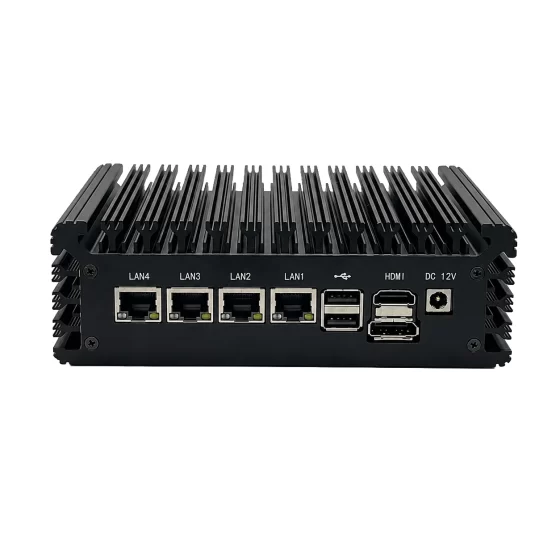
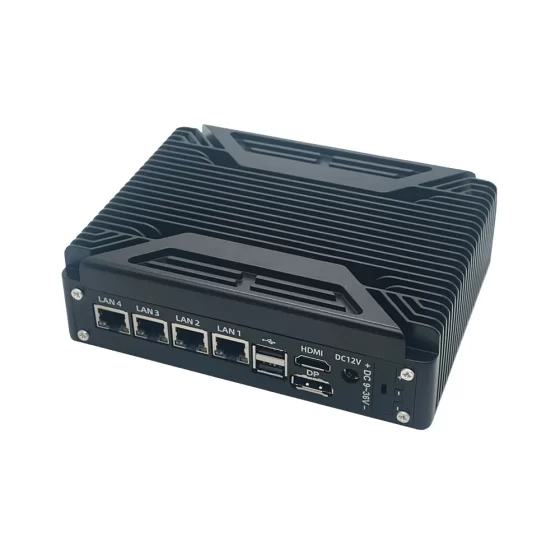
CoreIPC 産業用コンピューティング ソリューション

予測分析のための産業用 AI: スマートファクトリーの意思決定のための産業用 AI 分析
エグゼクティブサマリー
産業用 AI 分析は予知保全の重要な基盤になりつつあります, プロセスの最適化, 品質向上, エネルギー監視, スマートファクトリーの意思決定.
現代の工場は機械から大量のデータを生成します, センサー, PLC, カメラ, ロボット, メートル, 検査システム, およびプロダクションソフトウェア. このデータが後のレポートのためにのみ保存される場合, 工場は早期の警告サインを見逃す可能性がある, 繰り返される品質パターン, エネルギー異常, そしてプロセスの変更.
予測分析用の産業用 AI は、マシン側のデータを有用な洞察に変えるのに役立ちます. 機器の挙動を分析できる, 異常なパターンを検出する, 潜在的な障害を予測する, プロセスドリフトを特定する, より迅速な生産上の意思決定をサポートします.
産業用コンピュータまたは組み込みコンピュータは、これらのワークロードにローカル コンピューティング プラットフォームを提供します。. PLCからのデータ収集が可能, センサー, カメラ, ゲートウェイ, エネルギーメーター, および生産システム, 次に、機器の近くで分析モデルを実行します。.
標準的な商用 PC との比較, 産業用コンピュータは堅牢な展開をサポートするため、工場環境により適しています。, 柔軟な I/O, 安定したネットワーク, ローカルストレージ, ファンレス設計オプション, 長いライフサイクルの可用性.
この記事では、産業用 AI 分析の仕組みについて説明します, 実際の導入ではどのような課題が発生するか, ソリューション アーキテクチャがどのように構成されているか, 予測分析アプリケーション用の産業用コンピューターまたは組み込みコンピューターを選択する際にどのハードウェア機能が重要であるか.
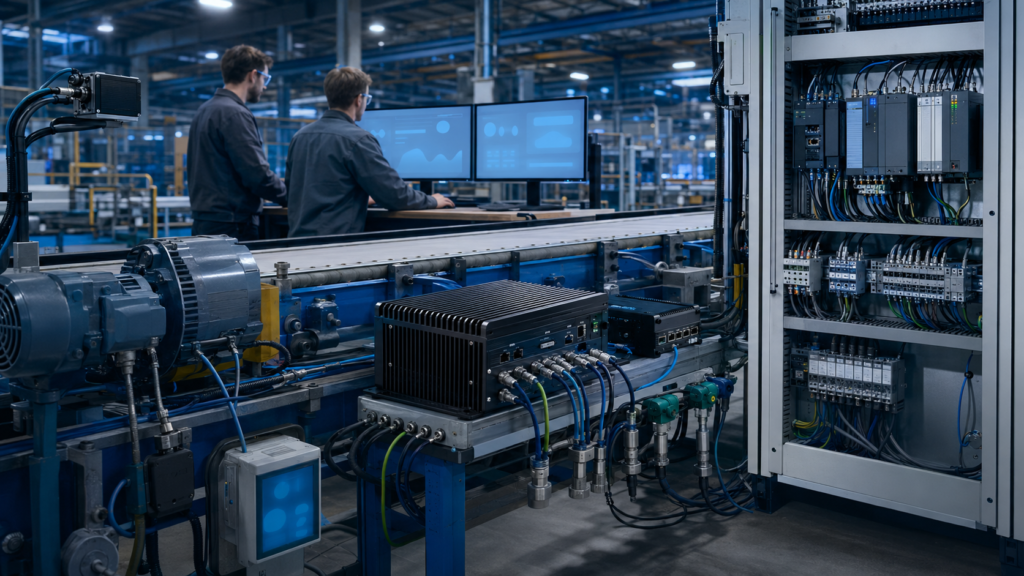
産業用 AI 分析ファクトリーの導入
業界の概要
工場には予測的な洞察が必要
従来の工場監視では、多くの場合、現在のステータスに焦点が当てられます。.
オペレータにアラームが表示される場合がある, マシンの状態, 生産数, とメンテナンス記録. これらの信号は役に立ちます, しかし、次に何が起こるかは明らかにしないかもしれない.
予測分析により、新たなインテリジェンス層が追加されます.
工場が履歴データとリアルタイムデータを分析して、早期の警告兆候を特定するのに役立ちます, 隠れた相関関係, そして異常な傾向.
産業用 AI 分析がサポートできること:
- 予知保全
- 機器の健全性監視
- 品質傾向分析
- プロセスの異常検出
- エネルギー使用の最適化
- 生産ボトルネックの分析
- 機械稼働率分析
- 収量の向上
- 故障パターンの認識
- 保守計画
目標は、チームが事後対応から早期対応に移行できるように支援することです。, データに基づいたアクション.
AI アナリティクスはエッジへ移行中
クラウド プラットフォームは大規模なデータ ストレージをサポートできます, ダッシュボード, エンタープライズレベルの分析.
しかし, 多くの産業分析タスクはローカル エッジ処理から恩恵を受けます. マシンデータを迅速に分析する必要がある場合があります, ネットワーク中断中にバッファリングされる, またはアップロード前にフィルタリングされる.
生産装置の近くに配置された産業用コンピュータはデータをローカルで処理できます.
これはレイテンシの短縮に役立ちます, 帯域幅の使用量が減少する, 機密の本番データを保護する, ネットワークが不安定な場合でもローカル操作を維持します.
エッジベースの産業用 AI 分析は、工場で迅速なアラートが必要な場合に特に役立ちます, ローカルダッシュボード, または分散マシンからの継続的なデータ収集.
インダストリアル コンピューティングはハードウェアの基盤です
予測分析にはソフトウェア モデル以上のものが必要です.
産業用デバイスからデータを収集できる信頼性の高いコンピューティング ハードウェアが必要です, 分析ワークロードを実行する, ローカルレコードを保存する, 工場システムと通信します.
産業用コンピュータと組み込みコンピュータがこの基盤を提供します.
複数の LAN ポートをサポートできます, シリアル通信, GPIO, デジタルI/O, USB デバイス, SSDストレージ, ディスプレイ出力, および拡張モジュール.
これにより、マシン側の分析に適しています。, 産業用IoTゲートウェイ, 予知保全ノード, エネルギー監視システム, およびスマートファクトリープラットフォーム.

産業用 AI アナリティクス導入の課題
主要な課題
さまざまなマシンやシステムからのデータ
産業データは断片化されていることが多い.
単一の工場に従来のマシンが含まれる場合がある, 最新の PLC, センサー, エネルギーメーター, ロボット, カメラ, 検査システム, さまざまなベンダーのソフトウェア プラットフォーム.
各システムは異なるインターフェースを使用する場合があります, データ形式, 更新速度, とコミュニケーション方法.
一般的なデータ ソースには次のものがあります。:
- PLC
- センサー
- マシンコントローラー
- ロボット
- モーターとドライブ
- エネルギーメーター
- ビジョンシステム
- 試験装置
- 産業用ゲートウェイ
- MES および SCADA システム
産業用 AI 分析プラットフォームは、有用な予測を行う前に、このデータを確実に収集して整理する必要があります。.
データの品質と一貫性
予測分析はデータ品質に依存します.
センサー値が欠落している場合, タイムスタンプが矛盾している, マシンの状態が不明瞭, またはデータがたまにしか収集されない, AI モデルは弱い結果を生み出す可能性がある.
重要なデータ品質要素には次のものがあります。:
- サンプリング周波数
- タイムスタンプの精度
- センサーの校正
- マシン状態のコンテキスト
- データの完全性
- ノイズフィルタリング
- イベントのラベル付け
- 生産バッチ情報
- メンテナンス履歴
- 品質記録
産業用コンピュータは、データギャップを減らすために、安定したデータ収集とローカルバッファリングをサポートする必要があります。.
リアルタイム アラートの要件
予測分析は、タイムリーなアクションをサポートできる場合に価値が高まります.
機械に異常な振動の初期の兆候が見られる場合, 過熱, 電流変動, 品質ドリフト, あるいはエネルギーの無駄遣い, システムはパターンを早期に検出し、有用なアラートを生成する必要があります。.
分析の遅延によりシステムの価値が低下する可能性がある.
リアルタイムまたはほぼリアルタイムの要件が表示される場合があります。:
- 予知保全
- 工程逸脱検知
- 品質傾向の監視
- エネルギー異常アラート
- 生産ボトルネックの分析
- 機器使用状況の監視
- 安全に関する監視サポート
コンピューティング プラットフォームは、継続的な動作下でも安定した持続的なパフォーマンスを提供する必要があります。.
モデルの導入とメンテナンス
産業用 AI 分析モデルは継続的な調整が必要な場合があります.
機械は時間の経過とともに摩耗します, 生産レシピの変更, センサーの動作が変化する, そして新しい製品モデルが生産に入ります. パイロットプロジェクト中に機能する予測モデルは、長期使用中にメンテナンスが必要になる場合があります.
システム設計者は考慮する必要があります:
- モデル更新ワークフロー
- ローカルモデルストレージ
- バージョン管理
- データロギング
- アラートのレビュー
- 誤報の処理
- メンテナンスのフィードバック
- 長期的な検証
産業用 AI コンピューターは、モデルの展開とメンテナンスのための実用的なソフトウェア環境をサポートする必要があります。.
工場環境の信頼性
予測分析システムは、多くの場合、機械の近くまたは制御キャビネット内に導入されます。.
これらの場所では振動が発生する可能性があります, ほこり, 熱, 電気ノイズ, 限られた空気の流れ, ケーブルの動き, 継続的な運転スケジュール.
分析コンピュータに障害が発生した場合, データ収集が停止し、予測記録が不完全になる可能性があります.
産業用グレードのハードウェアは、頑丈な設置をサポートすることでこのリスクを軽減します。, 安定した熱設計, 信頼できるストレージ, 長期的なライフサイクル計画.

産業用 AI 予測分析アーキテクチャ
産業用 AI 分析ソリューションのアーキテクチャ
デバイスとセンサー層
デバイス層とセンサー層には、監視対象のマシンとデータ ソースが含まれます.
この層には PLC が含まれる場合があります, センサー, モーター, ドライブ, カメラ, ロボット, エネルギーメーター, 試験器具, および生産設備.
典型的なデータには次のものがあります。:
- 振動値
- 温度データ
- モーター電流
- 圧力値
- 速度とサイクルタイム
- 機械の状態
- アラーム履歴
- エネルギー消費量
- 製品の品質記録
- 検査結果
- メンテナンスイベント
この生データは産業用 AI 分析の入力となります。.
インダストリアルエッジコンピューティング層
産業用エッジ コンピューティング層は、産業用コンピューターまたは組み込みコンピューターがデータを収集する場所です。, プロセス, データをローカルに保存します.
この層では, システムが:
- センサーデータを収集する
- PLC レコードの読み取り
- マシンイベントを処理する
- ローカル履歴を保存する
- 分析モデルを実行する
- 異常なパターンを検出
- 予測アラートを生成する
- ネットワークの問題時のデータのバッファリング
- ローカルダッシュボードを表示する
- 選択したデータを工場システムにアップロードする
このレイヤーは、予測インテリジェンスを生産設備に近づけるのに役立ちます.
AI分析レイヤー
AI 分析レイヤーには、データを洞察に変換するために使用されるモデルとロジックが含まれています.
アプリケーションに応じて, 含まれる可能性があります:
- 異常検知
- 予知保全モデル
- 傾向分析
- 故障パターンの認識
- 品質予測
- エネルギー使用量の分析
- 生産ボトルネックの検出
- ルールベースのアラームフィルタリング
- センサーフュージョンロジック
産業用コンピュータは必要なオペレーティング システムをサポートする必要があります, 分析ツール, AI ランタイム, データベースソフトウェア, および産業用通信ソフトウェア.
ファクトリーソフトウェア統合レイヤー
工場システムと接続すると、予測分析がさらに便利になります.
産業用コンピュータは、選択されたデータを次の宛先へ送信する場合があります。:
- MES
- スカダ
- ERP
- メンテナンスプラットフォーム
- 高品質のデータベース
- 産業用IoTダッシュボード
- クラウド分析プラットフォーム
- 郷土史家制度
- 生産監視ダッシュボード
すべての生データをアップロードする代わりに, システムはアラームを送信できます, トレンド, 要約, 異常事態, および選択されたレコード.
これにより、帯域幅の負荷が軽減され、データ構成が改善されます。.
オペレータおよびメンテナンスインターフェイス層
オペレーターとメンテナンスチームには実用的なインターフェースが必要です.
産業用 AI コンピューターはモニターに接続できます, タッチスクリーン, HMIパネル, またはローカルのダッシュボードワークステーション.
インターフェイスで表示できるのは、:
- マシンの健康状態
- 予測アラート
- センサーのトレンド
- エネルギー使用量
- 品質の傾向
- アラーム履歴
- 設備の利用状況
- モデルステータス
- ネットワークステータス
- システムログ
明確なインターフェイスにより、チームは予測を理解し、適切なメンテナンスやプロセス アクションで対応することができます。.
主な特長
安定した分析パフォーマンス
産業用 AI 分析システムは継続的に稼働する必要がある.
ハードウェアはマシンの数に応じて選択する必要があります, センサーの更新レート, AI モデルの複雑さ, ローカルデータベースのワークロード, およびダッシュボードの要件.
選択は考慮すべきです:
- CPU性能
- メモリ容量
- ストレージ速度
- ネットワーク帯域幅
- AI ソフトウェアの互換性
- ローカルデータベースのワークロード
- オペレーティング システムのサポート
- 熱設計
- 長時間にわたる安定性
軽量センサー分析用, 組み込みコンピュータで十分かもしれない. 大規模な複数行の分析の場合, より強力な産業用 PC またはエッジ AI コンピューターが必要になる場合があります.
複数の産業用インターフェース
予測分析プラットフォームはさまざまな種類の機器と接続する必要があります.
便利な I/O オプションには次のものがあります。:
- 複数のLANポート
- RS232
- RS485
- USB
- GPIO
- デジタル入力
- デジタル出力
- HDMI
- ディスプレイポート
- M.2
- PCIe
- SATA または NVMe ストレージ
これらのインターフェイスは PLC をサポートできます, センサー, ゲートウェイ, エネルギーメーター, カメラ, バーコードリーダー, ローカルディスプレイ, および産業用ネットワーク.
柔軟な I/O により外部コンバータの使用が削減され、導入の信頼性が向上します.
信頼性の高いローカルストレージ
予測分析は履歴データに依存します.
産業用コンピュータはセンサー記録を保存する必要がある場合があります, マシンステータス履歴, アラームログ, モデルファイル, ローカルデータベース, レポート, および一時バッファ.
SSD または NVMe ストレージは、機械式ドライブよりもアクセスが速く、耐衝撃性に優れているため、一般的に好まれます。.
ストレージ設計で考慮すべきこと:
- データ保存期間
- ローカルデータベースのサイズ
- 書き込み耐久性
- バックアップ戦略
- ネットワーク中断動作
- アップロード頻度
- イベント記録の要件
信頼性の高いローカル ストレージは分析データの保護に役立ち、長期的なトレーサビリティをサポートします.
ネットワークの分離と接続
産業用 AI 分析システムは、多くの場合、機械ネットワークと工場 IT システムの両方を接続します。.
複数の LAN ポートはトラフィックの分離に役立ちます.
例えば:
- PLC用LANポート×1
- センサーまたはゲートウェイ用の LAN ポート 1 つ
- MES または SCADA 用の LAN ポート 1 つ
- クラウドアップロード用の LAN ポート 1 つ
- リモートメンテナンス用の LAN ポート 1 つ
これによりネットワーク組織が改善されます, トラフィックの競合を減らす, より優れたサイバーセキュリティ計画をサポートします.
堅牢なファンレス設計
産業用分析コンピューターは多くの場合、実稼働環境で動作します。.
ファンレス設計により、塵の侵入を減らし、一般的な機械的故障点を 1 つ取り除くことができます。. 頑丈なエンクロージャがシステムを振動から保護します, ケーブルストレス, およびキャビネットの設置条件.
熱設計は依然として慎重に検討する必要があります.
プロセッサーのワークロード, 筐体設計, 周囲温度, 気流, ストレージデバイス, と取り付け位置はすべて長期信頼性に影響します.
長いライフサイクルと保守性
予測分析システムは長年運用され続ける可能性があります.
ハードウェアを頻繁に変更すると、ソフトウェア検証の問題が発生する可能性があります, ドライバーの互換性の問題, とメンテナンスの課題.
ライフサイクル プランニングを備えた産業用コンピューティング プラットフォームは、メーカーやシステム インテグレーターが複数のマシンにわたって一貫した分析展開を維持するのに役立ちます, 行, および工場敷地.
これにより、スケーラブルなスマート ファクトリーの実装がサポートされます。.
導入シナリオ
予知保全
予知保全は、最も一般的な産業用 AI 分析アプリケーションの 1 つです.
システムが振動を収集する, 温度, 現在, プレッシャー, およびマシンステータスデータ.
AI モデルは異常なパターンを検出し、機器の故障が深刻になる前にアラートを生成できます。.
これにより、メンテナンス チームがより効果的にサービスを計画できるようになります。.
品質傾向分析
産業用 AI 分析は、生産ライン全体の品質傾向の特定に役立ちます.
検査結果を統合できるシステム, マシンパラメータ, センサーデータ, とバッチ情報.
これは、エンジニアが再発する欠陥を理解するのに役立ちます, プロセスドリフト, そして品質のばらつき.
エネルギー分析
エネルギー監視システムは AI 分析を使用して異常な消費パターンを特定できます.
プラットフォームは電力メーターからデータを収集する場合があります, コンプレッサー, 空調設備, モーター, そして生産ライン.
AI 分析はエネルギーの無駄を検出するのに役立ちます, 異常な動作動作, 設備の非効率性.
生産ボトルネックの分析
工場は AI 分析を使用してサイクル時間を調査できます, マシンの状態, ダウンタイムイベント, そしてラインの流れ.
産業用コンピュータは生産データをローカルで処理し、トレンドの概要をダッシュボードに送信できます。.
これにより、チームはボトルネックを特定し、機器の使用率を向上させることができます。.
マシンの状態の監視
マシンの状態監視に重点を置いたマシンの状態監視.
システムはセンサーデータを分析できます, アラーム履歴, 機器の健全性を推定するための動作パターン.
これによりメンテナンス計画がサポートされ、手動検査のみへの依存が軽減されます。.
プロセスの異常検出
目に見える問題が発生する前に、プロセス条件がゆっくりと変化する可能性があります.
AI 分析により、センサー値の異常な組み合わせを検出できます, マシンの状態, 生産速度, または質の高い結果.
これにより、エンジニアはプロセスの不安定性に早期に対応できるようになります。.
インダストリアルIoT分析ゲートウェイ
組み込みコンピュータは、分散型 IIoT システムの分析ゲートウェイとして機能できます。.
マシンデータを収集できます, ローカル分析を実行する, バッファレコード, 選択した結果をクラウドまたは工場システムにアップロードします.
これにより、マシンやライン全体にわたるスケーラブルなデジタル変革がサポートされます。.
OEM マシン分析の統合
機械製造業者は産業用 AI 分析を機器に統合できます.
コンピューティング プラットフォームはローカル データ収集を提供できます, 予知保全ロジック, ダッシュボードの表示, 警報出力, およびリモート監視接続.
これにより、OEM は分析機能が組み込まれたよりスマートなマシンを提供できるようになります。.
ビジネス上のメリット
問題の早期発見
産業用 AI 分析は、深刻な障害になる前に異常な傾向を検出するのに役立ちます.
機械データを解析することで, センサー値, 品質記録, と動作パターン, 工場は設備やプロセスの問題に早期に対応できる.
これにより、よりプロアクティブなメンテナンスと生産管理がサポートされます。.
ダウンタイムのリスクの軽減
予測分析は、保守チームが予期しない機器の停止を回避するのに役立ちます.
システムが早期の警告兆候を検出したとき, チームは、予定されたメンテナンス期間中に検査やサービスを計画できます.
信頼性の高い産業用コンピューティング ハードウェアにより、データ収集と分析の継続的な実行が可能になります。.
品質管理の向上
AI 分析により、品質の結果を機械の状態やプロセス パラメーターと結び付けることができます.
これは、エンジニアが欠陥がなぜ発生するのか、どの動作条件が品質のばらつきに関係しているのかを理解するのに役立ちます。.
品質に関する洞察の向上により、プロセスの改善と歩留まりの最適化がサポートされます。.
エネルギー効率の向上
エネルギー分析により異常な電力消費を特定できる, 非効率的な機器の動作, そして異常なユーティリティパターン.
工場はこれらの洞察を利用して廃棄物を削減し、エネルギー管理を改善できます。.
これは、多くの機械を備えた施設に特に役立ちます, コンプレッサー, モーター, およびユーティリティシステム.
より強力なデータトレーサビリティ
予測分析データはマシンIDとリンク可能, タイムスタンプ, センサー値, アラーム, 質の高い結果, 整備記録, および生産バッチ.
これにより、エンジニアリング分析のためのより強力なトレーサビリティが実現します。, 監査, 根本原因の調査, そして継続的な改善.
信頼性の高いローカル ストレージにより、重要な記録の損失を防ぐことができます.
スケーラブルなスマートファクトリー分析
標準化された産業用 AI 分析プラットフォームにより、複数のマシンにわたる予測分析の導入が容易になります, 生産ライン, および工場敷地.
一貫したハードウェアによりソフトウェア イメージが簡素化されます, ドライバー管理, スペアパーツの計画, メンテナンストレーニング, および長期的な技術サポート.
これにより、メーカーはパイロット分析プロジェクトからより広範なスマート ファクトリー導入までスケールアップすることができます。.
CoreIPC を選ぶ理由
CoreIPC はエッジ AI 向けの産業用コンピューティング プラットフォームを提供します, 産業用IoT, マシンの監視, 予知保全, ファクトリーオートメーション, および組み込みシステムの統合. 産業用AI分析アプリケーション向け, CoreIPC は信頼性の高い産業用コンピューター ハードウェアに重点を置いています, 組み込みコンピュータソリューション, 柔軟な I/O 構成, コンパクトなシステム設計, ローカルストレージ機能, OEM/ODMカスタマイズサポート. CoreIPC はシステム インテグレーターを支援します, 機械製造業者, そしてメーカーは実際の導入要件に適合するコンピューティング プラットフォームを選択します, センサーインターフェースを含む, AI ワークロード, ネットワーク設計, プロトコルの統合, ストレージのニーズ, 取り付け方法, 電源入力, 熱条件, およびライフサイクル計画.
よくある質問
1. 産業用AI分析とは?
産業用 AI 分析ではマシンデータが使用されます, センサー値, 制作記録, パターンを識別するための AI モデル, 潜在的な問題を予測する, 工場の意思決定をサポートします.
予知保全をサポートできる, 品質傾向分析, エネルギー監視, プロセスの異常検出, マシンの状態の監視, 生産の最適化.
2. 予測分析に産業用コンピューターを使用する理由?
産業用コンピューターは、工場分析の展開に必要なローカル処理と接続を提供します。.
PLCからのデータ収集が可能, センサー, 機械, メートル, カメラ, とゲートウェイ. 分析モデルを実行できます, ローカルレコードを保存する, アラートを生成する, 選択したデータを MES にアップロードします, スカダ, クラウドプラットフォーム, またはダッシュボード.
3. 組み込みコンピューターは産業用 AI 分析でどのように使用されますか?
組み込みコンピュータは、機械の近くまたは制御キャビネット内でコンパクトな分析ノードとして機能できます。.
センサーデータを収集できる, マシンレコードを処理する, ローカル AI モデルを実行する, ストアアラーム, 結果を工場システムに送信します. コンパクトな設計は、分散モニタリングや OEM マシンの統合に役立ちます。.
4. 予測分析に必要なデータは何ですか?
予測分析では振動が使用される場合があります, 温度, 現在, プレッシャー, マシンのステータス, アラーム履歴, エネルギー消費, サイクルタイム, 検査結果, 整備記録, および生産バッチデータ.
最適なデータは特定のマシンによって異なります, 故障モード, プロセス, そしてビジネス目標.
5. 産業用 AI 分析には GPU が必要ですか?
常にではありません. センサー データに基づく多くの予測分析ワークロードは、CPU ベースの産業用コンピューターで実行できます。.
GPU または AI アクセラレータのサポートはビデオ分析に役立つ可能性があります, 画像ベースの分析, 大型モデル, またはより複雑なワークロード. ハードウェアは実際のデータとモデルの要件をテストした後に選択する必要があります.
6. 分析コンピュータにとって重要なインターフェイスは何ですか?
重要なインターフェイスには複数の LAN ポートが含まれる場合があります, RS232, RS485, USB, GPIO, デジタル入力, デジタル出力, HDMI, ディスプレイポート, M.2, PCIe, SATA, およびNVMeストレージのサポート.
これらのインターフェイスは PLC の接続に役立ちます, センサー, メートル, ゲートウェイ, カメラ, ローカルディスプレイ, および工場ネットワーク.
7. 産業用 AI 分析は MES または SCADA システムに接続できますか?
はい. 産業用コンピューターは分析結果を送信できます, アラート, トレンド, マシンのステータス, 生産記録をMESに送信, スカダ, 品質システム, メンテナンスプラットフォーム, およびクラウドダッシュボード.
これにより、機械側の分析がより高度な製造ワークフローに接続されます。.
8. 産業用 AI 分析は予知保全をどのようにサポートしますか?
振動などの機械データを収集するシステム, 温度, 現在, プレッシャー, そして稼働状況.
AI モデルがパターンを分析し、障害が深刻になる前に異常な動作を検出します。. 産業用コンピュータはローカル アラートを生成し、メンテナンス記録をダッシュボードまたはメンテナンス システムにアップロードできます。.
9. 予測分析にとってローカル ストレージが重要な理由?
予測分析は履歴データに依存します.
ローカルストレージはセンサー記録の保存に役立ちます, マシンのステータス, アラーム, モデルファイル, およびイベントログ. また、ネットワークが一時的に中断されている間も、システムがデータの収集を継続できるようになります。.
信頼性の高いストレージによりデータの継続性とトレーサビリティが向上します.
10. 導入前にテストすべきこと?
導入前, システムは実際の PLC でテストする必要があります, センサー, マシンデータ, AIモデル, ネットワークアーキテクチャ, ストレージのワークロード, ダッシュボードソフトウェア, 長時間にわたる運用.
熱安定性, データバッファリング, アラートのタイミング, アップロード動作, 運用リスクを軽減するには、メンテナンス アクセスも検証する必要があります。.
結論
産業用 AI 分析は予知保全の実用的な基盤です, プロセスの異常検出, 品質向上, エネルギーの最適化, マシンの状態の監視, スマートファクトリーの意思決定.
産業用コンピュータまたは組み込みコンピュータを PLC の近くに配置する, センサー, メートル, 機械, カメラ, および生産システム, メーカーはデータをローカルで処理できる, 異常な傾向を早期に検出する, ネットワーク依存性を軽減する, 運用の可視性を向上させる.
実際の導入要件に応じて、適切な産業用 AI 分析プラットフォームを選択する必要があります, センサーインターフェースを含む, AI ワークロード, ネットワークアーキテクチャ, プロトコルの統合, I/O構成, ローカルストレージのニーズ, 取付方法, 電源入力, 熱条件, オペレーティング システムのサポート, およびライフサイクル計画.
CoreIPC は、実際の工場や機器の導入向けに設計された産業用コンピューティング プラットフォームを使用して、産業用 AI 分析プロジェクトをサポートします。. 適切なハードウェア基盤があれば, メーカーや機械製造業者は信頼性の高い製品を構築できます, スケーラブルな, スマート製造のためのデータ駆動型予測分析システム.
お問い合わせ
産業用コンピュータを探しています, 組み込みコンピュータ, または産業用 AI 分析用のエッジ AI プラットフォーム?
プロジェクトの要件については、CoreIPC にお問い合わせください。, センサーインターフェースを含む, AI ワークロード, データ収集方法, ネットワークアーキテクチャ, ストレージデザイン, 取付方法, 電源入力, 動作環境, ライフサイクルのニーズ, および OEM/ODM カスタマイズ オプション.