CoreIPC 産業用コンピューティング ソリューション

スマートシティ向けのエッジ AI: 都市インフラ向けエッジ AI スマート シティ コンピューティング
エグゼクティブサマリー
エッジ AI スマート シティ システムは、インテリジェントな交通のためのローカル コンピューティング基盤を提供します, 公共インフラの監視, 都市部のビデオ分析, 環境センシング, スマート照明, ユーティリティの監視, 接続された都市運営.
現代の都市はカメラから大量のデータを生成します, センサー, 交通システム, アクセスポイント, 照明コントローラー, エネルギーメーター, 公共施設, および通信ネットワーク. すべての生データが集中クラウド プラットフォームに直接送信される場合, 都市通信事業者は高帯域幅の使用に直面する可能性がある, 応答が遅い, データストレージのプレッシャー, ネットワークの可用性への依存.
エッジに配置された産業用コンピューターまたは組み込みコンピューターは、ソースに近い場所でデータを処理できます。. カメラストリームを分析できます, センサーデータを収集する, AI推論モデルを実行する, ローカルアラートを生成する, バッファレコード, 選択した情報を都市管理プラットフォームに送信します, 交通システム, コマンドセンター, またはクラウドダッシュボード.
標準的な商用 PC との比較, 産業用コンピュータは堅牢な設置をサポートしているため、スマート シティ エッジの導入に適しています。, 幅広い I/O の柔軟性, 安定したネットワーク, ファンレス設計オプション, 信頼できるストレージ, 長いライフサイクルの可用性.
この記事では、エッジ AI スマート シティ コンピューティングの仕組みについて説明します, 都市環境ではどのような導入上の課題が発生するか, ソリューション アーキテクチャがどのように構成されているか, スマート シティ アプリケーション用の産業用コンピューターまたは組み込みコンピューターを選択する際にどのハードウェア機能が重要になるか.
エッジ AI スマートシティの導入
業界の概要
都市はよりデータドリブンになりつつある
スマートシティ プロジェクトは接続されたインフラストラクチャに依存します.
交差点, 公共の建物, 駐車場, ユーティリティシステム, 物流ゾーン, 乗り換え駅, 照明システム, および環境監視ポイントはすべて、有用な運用データを生成できます。.
このデータでサポートできるのは、:
- 交通流監視
- 路側ビデオ分析
- スマートパーキング
- 公共の安全の監視
- 環境センシング
- スマートな照明制御
- エネルギー監視
- 施設管理
- 廃棄物収集の最適化
- インフラ状態の監視
- 緊急時対応サポート
しかし, データ収集は最初のステップにすぎません.
都市にはデータを迅速に処理できる実用的なシステムが必要です, 不要な送信を減らす, ローカルの意思決定をサポートします.
スマートシティにとってエッジ AI が重要な理由
一元化されたクラウド プラットフォームは長期的な分析に役立ちます, マルチサイトダッシュボード, そして市全体の管理.
しかし, 多くのスマート シティ アプリケーションはローカル処理の恩恵を受けます.
交通カメラは渋滞や異常な道路状況を迅速に検出する必要がある場合があります. 公共施設では地域の環境に関する警告が必要な場合があります. リモート インフラストラクチャ サイトでは、ネットワーク接続が不安定な場合でも継続的な監視が必要な場合があります.
エッジ AI はカメラの近くでデータを処理することで役立ちます, センサー, 都市設備と.
すべてのフレームまたは生のセンサー値をアップロードする代わりに, システムは処理されたイベントを送信できます, 要約, アラート, および選択されたレコード.
インダストリアル コンピューティングはハードウェアの基盤です
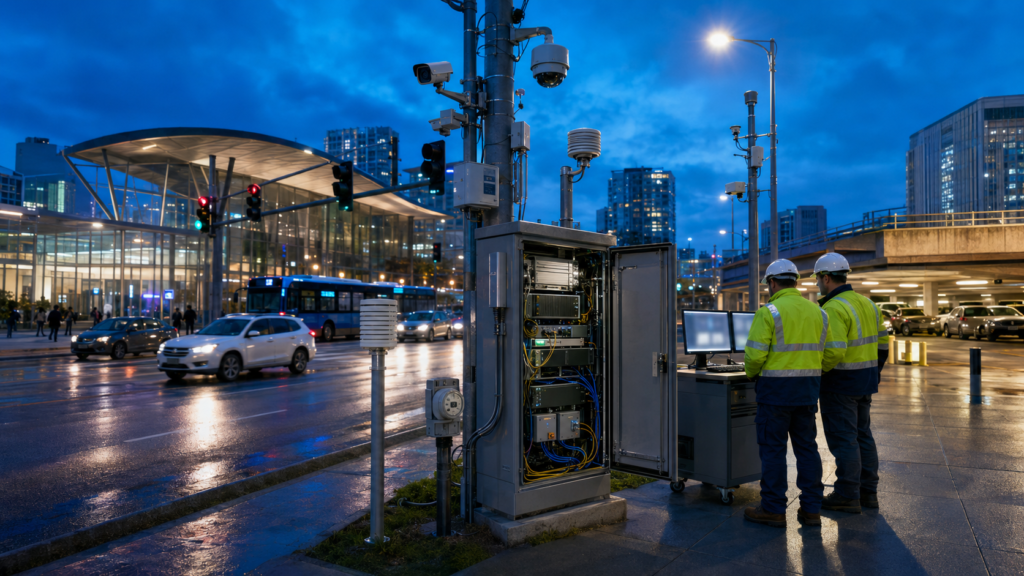
スマートシティエッジデバイスは屋外キャビネットに設置可能, 路側システム, 交通拠点, 公共の建物, ユーティリティルーム, 駐車場, および分散監視サイト.
これらの環境には粉塵が含まれる可能性があります, 温度変化, 振動, 電気ノイズ, 不安定な電力, 限られたメンテナンスアクセス, そして連続運転.
産業用コンピュータと組み込みコンピュータは、標準的なオフィス PC よりも適切なハードウェア基盤を提供します。.
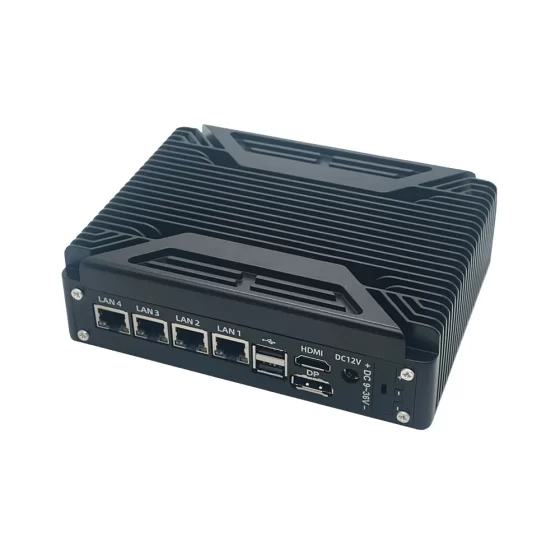
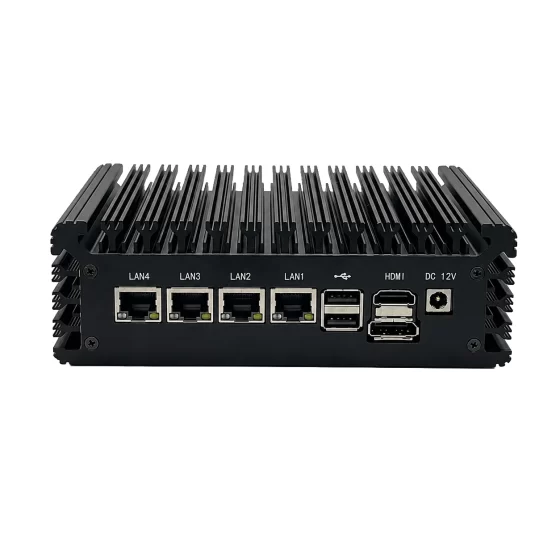
産業用ネットワーキングをサポートします, 頑丈な筐体, ローカルストレージ, 柔軟な I/O, ワイヤレス拡張オプション, 長いライフサイクルの展開.

スマート シティ エッジ AI 導入の課題
主要な課題
多くのサイトにわたる分散導入
スマートシティ システムは通常分散型です.
プロジェクトには多くの交差点が含まれる場合があります, 監視ステーション, 駐車場, ユーティリティキャビネット, トランジットノード, および遠隔施設.
それぞれの場所に異なるスペースがある場合があります, 力, ネットワーク, および環境条件.
これにより、コンパクトなハードウェアが必要になります。, 安定した取り付け, リモートメンテナンス, 一貫したプラットフォーム設計.
標準化された産業用コンピュータ プラットフォームは、多くのサイトにわたる展開を簡素化するのに役立ちます.
大量のビデオおよびセンサー データ量
多くのスマート シティ アプリケーションにはビデオが含まれます.
交通カメラ, 防犯カメラ, 駐車カメラ, インフラ監視カメラは大量のデータ ストリームを生成する可能性があります.
センサーシステムは大気質デバイスから継続的なデータを生成することもできます, 気象観測所, エネルギーメーター, 振動センサー, 給水システム, および照明コントローラー.
エッジ AI コンピューターが処理する必要がある場合があります:
- 複数のカメラストリーム
- センサーデータの収集
- AI推論
- ローカルイベントストレージ
- ネットワークアップロード
- ダッシュボード通信
- ローカルバッファリング
- システムの健全性の監視
実際のカメラ数に応じてハードウェアを選択する必要があります, AI ワークロード, ストレージポリシー, およびネットワーク設計.
低遅延のローカル応答
一部のスマート シティ アプリケーションでは、迅速なローカル応答が必要です.
例としては、交通イベントの検出が挙げられます。, 路側警報, アクセス監視, 設備異常検知, またはユーティリティ システムのアラーム.
分析前にデータをリモート サーバーに送信する必要がある場合, 返信が遅くなる可能性があります.
エッジ AI スマート シティ システムは、データをローカルで処理し、有用な結果のみを上位レベルのプラットフォームに送信することで遅延を削減します。.
これにより、時間に敏感な都市インフラのアプリケーションにとってシステムがより実用的になります。.
ネットワークの信頼性と帯域幅制御
スマートシティの導入はファイバーに依存する可能性がある, セルラー, プライベートネットワーク, または混合通信方法.
ネットワークの可用性は場所によって異なる場合があります.
ネットワークの一時的な中断中にレコードが失われないように、エッジ コンピューターはローカル データ バッファリングをサポートする必要があります。.
帯域幅の制御も重要.
さまざまな場所から生のビデオ ストリームをすべてアップロードすると、費用がかかり非効率的になる可能性があります. ローカル AI 分析は、イベント クリップをアップロードすることでデータ転送を削減します。, メタデータ, アラート, と要約.
セキュリティとデータガバナンス
スマート シティ システムは機密性の高いインフラストラクチャと運用データを処理する可能性があります.
システム設計ではアクセス制御を考慮する必要があります, ネットワークのセグメンテーション, データの保持, リモートメンテナンスルール, 安全なデータ転送.
エッジ AI コンピューターはカメラ ネットワークの間に配置される可能性があります, センサーネットワーク, 都市プラットフォーム, およびクラウドシステム.
複数のLANポート, 制御された接続, 安全な展開プラクティスは、より優れたネットワーク組織とデータ ガバナンスのサポートに役立ちます.

エッジAIスマートシティアーキテクチャ
エッジ AI スマートシティ ソリューション アーキテクチャ
デバイスとセンサー層
デバイス層とセンサー層には、データを生成する都市インフラ デバイスが含まれます。.
この層には以下が含まれる場合があります:
- 交通カメラ
- IPカメラ
- 産業用カメラ
- 環境センサー
- エネルギーメーター
- スマート照明コントローラー
- パーキングセンサー
- アクセス制御デバイス
- 気象センサー
- 路側設備
- ユーティリティ監視デバイス
- 通信ゲートウェイ
これらのデバイスは、ローカル AI 処理と都市管理に必要な生データを提供します。.
エッジAIコンピューティング層
エッジ AI コンピューティング層は、産業用コンピューターまたは組み込みコンピューターがローカル処理を実行する場所です。.
この層では, システムが:
- カメラストリームを受信する
- センサーデータを収集する
- AI推論モデルを実行する
- 交通や施設のイベントを検出
- プロセス環境データ
- ローカルレコードを保存する
- ネットワークの問題時のデータのバッファリング
- アラートの生成
- ローカルステータスの表示
- 選択したデータを都市プラットフォームに送信
このレイヤーは遅延を軽減し、ネットワーク状態が変化してもスマート シティ システムが動作し続けるのを支援します。.
AI分析レイヤー
AI 分析レイヤーには、データの解釈に使用されるソフトウェア モデルとロジックが含まれています.
アプリケーションに応じて, 含まれる可能性があります:
- 物体検出
- 車両カウント
- 混雑分析
- 駐車スペース検出
- 環境異常検知
- 設備状態監視
- ビデオ分析
- エネルギー使用量の分析
- イベントの分類
- ルールベースのアラートロジック
産業用コンピュータは必要なオペレーティング システムをサポートする必要があります, AI ランタイム, カメラソフトウェア, コミュニケーションツール, およびデータ管理アプリケーション.
通信層とプラットフォーム層
エッジ AI システムは、ローカル インフラストラクチャと都市全体のソフトウェア プラットフォームを接続します。.
選択したデータを次の宛先へ送信する場合があります。:
- スマートシティプラットフォーム
- 交通管理システム
- 公安システム
- 施設管理プラットフォーム
- エネルギー管理システム
- クラウドダッシュボード
- 現地指令センター
- メンテナンスプラットフォーム
- 産業用IoTシステム
すべての生データを送信する代わりに, システムはアラートをアップロードできます, 処理された値, 選択された画像, ビデオクリップ, 統計, およびステータス記録.
メンテナンスおよびリモート管理層
スマート シティ デバイスは多くの場所に分散されることがよくあります.
メンテナンスチームはシステムステータスの実用的な可視性を必要としています.
エッジ AI コンピューターはサポートする可能性があります:
- ローカルヘルスモニタリング
- ストレージステータスレポート
- ネットワークステータスレポート
- カメラの接続状態
- リモートソフトウェアアップデート
- ログ収集
- アラートのレビュー
- ローカルダッシュボードへのアクセス
これにより、フィールドメンテナンスの作業負荷が軽減され、スケーラブルな運用がサポートされます。.
主な特長
AI推論パフォーマンス
スマートシティエッジAIのワークロードは大きく異なります.
小規模な環境監視ノードには中程度の CPU パフォーマンスが必要な場合があります. マルチカメラ路側分析システムには、より強力な処理が必要になる場合があります, GPUアクセラレーション, または AI アクセラレータのサポート.
選択は考慮すべきです:
- カメラ数
- ビデオ解像度
- フレームレート
- AI モデルの複雑さ
- センサーの更新頻度
- ストレージのワークロード
- ネットワークアップロード頻度
- ローカルダッシュボードのニーズ
- オペレーティング システムのサポート
プラットフォームは、実際のワークロードと導入条件に基づいて選択する必要があります。.
複数のネットワークインターフェース
スマート シティ エッジ システムでは、多くの場合、複数のネットワーク接続が必要になります。.
複数の LAN ポートは分離に役立ちます:
- カメラネットワーク
- センサーネットワーク
- 現地保守ネットワーク
- 都市プラットフォーム接続
- クラウドアップロード
- リモートアクセスネットワーク
ネットワークを分離すると、トラフィック管理が改善され、システム間の不必要な危険が軽減されます。.
路側およびキャビネットの導入向け, 安定したネットワークは最も重要なハードウェア要件の 1 つです.
柔軟な産業用 I/O
スマート シティ アプリケーションは多くの種類のデバイスに接続できる.
便利な I/O オプションには次のものがあります。:
- LAN
- USB
- RS232
- RS485
- GPIO
- デジタル入力
- デジタル出力
- HDMI
- ディスプレイポート
- M.2
- PCIe
- SATA または NVMe ストレージ
これらのインターフェースはカメラをサポートできます, センサー, メートル, コントローラー, ゲートウェイ, ディスプレイ, 警報装置, および無線モジュール.
柔軟な I/O により外部コンバータの必要性が減り、導入の信頼性が高まります。.
ローカルストレージとデータバッファリング
エッジ AI スマート シティ システムにはローカル ストレージが必要な場合があります.
コンピュータには保存される場合があります:
- イベント画像
- ビデオクリップ
- センサー履歴
- AIモデルファイル
- アラームログ
- システムログ
- ローカルデータベース
- 一時アップロードバッファ
SSD または NVMe ストレージは、機械式ドライブよりも高速アクセスと優れた耐衝撃性を備えているため、一般的に好まれます。.
ストレージ設計は保存期間を考慮する必要があります, 書き込み耐久性, バックアップ方法, およびネットワーク中断動作.
堅牢なファンレス設計
スマートシティエッジコンピュータはキャビネットに設置可能, 機器室, 路傍のボックス, 交通機関, およびインフラストラクチャ サイト.
ファンレス設計により、塵の侵入を軽減し、一般的な機械的故障点を 1 つ取り除くことができます。.
頑丈なエンクロージャがシステムを振動から保護します, ケーブルストレス, および現場設置条件.
熱設計は慎重に検討する必要があります, 特に屋外キャビネットの場合, 高温領域, またはアクセラレータを使用した AI ワークロード.
長いライフサイクルと保守性
スマート シティ インフラストラクチャ プロジェクトは、多くの場合、長年にわたって実行されます。.
ハードウェアを頻繁に変更すると、ソフトウェア検証の問題が発生する可能性があります, メンテナンスの問題, スペアパーツの課題.
ライフサイクル プランニングを備えた産業用コンピューティング プラットフォームは、システム インテグレーターや都市運営者が多くのサイトにわたって一貫した導入を維持するのに役立ちます.
これは大規模なスマートシティおよびインフラストラクチャプロジェクトにとって特に重要です.

スマートシティエッジAI運用
導入シナリオ
インテリジェントなトラフィック監視
交通監視は、最も一般的なエッジ AI スマート シティ アプリケーションの 1 つです.
エッジ AI コンピューターは交差点近くのカメラ ストリームを処理できます, 道路, または輸送通路.
車両カウントをサポートする可能性があります, 輻輳検出, レーンモニタリング, 交通イベントの検出, およびローカル アラートの生成.
処理されたデータは交通管理プラットフォームまたは指令センターに送信可能.
スマートパーキングシステム
スマートパーキングシステムはカメラまたはセンサーを使用してスペースの占有を検出します, 車両進入, そして駐車の流れ.
組み込みコンピューターは駐車データをローカルで処理し、選択した情報を駐車管理プラットフォームに送信できます.
これにより、駐車場の視認性が向上し、不必要なデータ転送が削減されます。.
公共施設の監視
公共の建物, 駅, キャンパス, およびサービス施設は運用監視にエッジ AI を使用する場合があります.
システムはビデオを分析できます, 環境センサー, データにアクセスする, および施設設備状況.
産業用コンピュータは、分散施設管理のためのローカル処理と信頼性の高いデータ処理を提供します。.
環境モニタリング
都市はエッジ コンピューティングを使用して大気質を監視できる, 温度, 湿度, ノイズ, 水の状態, およびその他の環境要因.
組み込みコンピューターはセンサーデータを収集できます, ローカル異常検出を実行する, 記録を保存する, 概要を環境ダッシュボードにアップロードします.
これにより、分散した環境意識をサポートします.
スマート照明とエネルギー管理
スマート照明システムはエッジ コンピューターを使用して照明コントローラーからデータを収集できます, エネルギーメーター, および環境センサー.
システムはローカル制御ロジックをサポートする場合があります, エネルギー使用量の分析, 故障検出, そして報告.
これにより、都市運営者はエネルギー効率とメンテナンス対応を向上させることができます。.
交通ハブの監視
駅などの交通拠点, デポ, 物流ターミナル, および駐車場はビデオ分析にエッジ AI を使用する場合があります, フロー監視, アクセスの認識, および機器の状態監視.
産業用コンピュータはローカル データを処理し、選択したイベントを管理プラットフォームに送信できます.
より安全で効率的な作業をサポートします.
公共インフラの監視
ユーティリティサイトには水道システムが含まれる場合があります, 配電設備, ポンプ場, コミュニケーションキャビネット, または施設設備.
エッジ AI コンピューターはセンサー データを収集できます, 機器の状態を監視する, アラートを生成する, レコードをローカルにバッファリングします.
これは、リモートインフラストラクチャ運用のサポートに役立ちます.
OEM スマートシティ機器の統合
システムインテグレーターと機器ビルダーは、産業用コンピューターまたは組み込みボードをスマートシティデバイスに統合できます.
例としては、路傍の AI ボックスなどがあります。, トラフィック分析ゲートウェイ, 環境監視システム, スマート照明コントローラー, 駐車システム, およびインフラストラクチャ監視アプライアンス.
コンピューティング プラットフォームは AI 推論を提供できます, デバイスの接続性, ローカルストレージ, とプラットフォームコミュニケーション.
ビジネス上のメリット
ローカルでの意思決定の迅速化
エッジ AI は都市インフラの近くでデータを処理します.
これにより、イベントのキャプチャと応答の間の遅延が短縮されます。.
高速ローカル処理は交通イベントに役立ちます, インフラストラクチャアラーム, 施設監視, および環境に関する警告.
帯域幅使用量の削減
スマート シティ システムは大量の生のビデオとセンサー データを生成できます.
エッジ AI コンピューターはローカルでデータを分析し、選択された情報のみをアップロードできます.
これにはアラートが含まれる場合があります, 統計, メタデータ, イベントクリップ, および要約記録.
未加工データの送信を削減することで、大規模な導入の効率が向上します.
運用上の回復力の向上
ローカルエッジ処理により、継続的なクラウド接続への依存が軽減されます。.
ネットワークが中断された場合, エッジコンピュータはローカル分析を継続できます, 記録を保存する, アップロードデータをバッファリングします.
これにより、分散型都市インフラの復元力が向上します.
インフラストラクチャの可視性の向上
エッジ AI スマート シティ システムは、オペレーターが道路の向こう側で何が起こっているかを把握できるように支援します, 設備, 公共事業, 駐車場, および公共インフラ.
生データを有用なイベントと概要に変換することによって, 都市チームはより迅速に対応し、資産をより効果的に管理できるようになります.
より強力なデータ管理
データをローカルで処理すると、サイトから流出する生データの量を減らすことができます。.
これにより、より優れたデータ制御がサポートされ、システム設計者が保存される内容を定義できるようになります。, 何がアップロードされているのか, 誰がアクセスできるのか, 記録がどのくらいの期間保存されるか.
スケーラブルなスマートシティ導入
標準化されたエッジ AI コンピューティング プラットフォームにより、スマート シティ アプリケーションを多くの場所に簡単に展開できるようになります.
一貫したハードウェアによりソフトウェア イメージが簡素化されます, ドライバーの検証, スペアパーツの計画, メンテナンストレーニング, およびライフサイクルサポート.
これにより、システム インテグレーターはパイロット プロジェクトからより広範な都市全体への導入まで拡張することができます。.
CoreIPC を選ぶ理由
CoreIPC はエッジ AI 向けの産業用コンピューティング プラットフォームを提供します, 産業用IoT, スマートな交通手段, マシンビジョン, および組み込みシステムの統合. エッジAIスマートシティアプリケーション向け, CoreIPC は信頼性の高い産業用コンピューター ハードウェアに重点を置いています, 組み込みコンピュータソリューション, 柔軟な I/O 構成, マルチネットワーク展開, コンパクトなシステム設計, OEM/ODMカスタマイズサポート. CoreIPC はシステム インテグレーターを支援します, インフラストラクチャ ソリューション プロバイダー, そして機器製造業者は、実際の導入要件に適合するコンピューティング プラットフォームを選択します。, カメラ数を含む, AI ワークロード, センサーインターフェース, ネットワーク設計, ストレージのニーズ, 取り付け方法, 電源入力, 熱条件, およびライフサイクル計画.
よくある質問
1. スマートシティ向けエッジAIとは?
スマート シティ向けのエッジ AI は、ローカル コンピューティング ハードウェアを使用してカメラからのデータを処理します, センサー, メートル, データソース近くの都市インフラと.
すべての生データをリモート サーバーに送信する代わりに, エッジ コンピューターはローカルでデータを分析し、選択された結果を送信します, アラート, イベント記録, または都市プラットフォームへの概要.
2. スマートシティエッジAIに産業用コンピューターを使用する理由?
産業用コンピュータは堅牢な設置をサポートしているため、スマートシティの展開に適しています。, 連続運転, 複数のネットワークポート, 柔軟な I/O, 信頼できるストレージ, 長いライフサイクルの可用性.
これらの機能は道路脇のキャビネットにとって重要です, 交通拠点, 公共施設, ユーティリティサイト, 分散インフラストラクチャの展開.
3. 組み込みコンピュータはスマートシティシステムでどのように使用されますか?
路側設備内に組み込みコンピュータを搭載可能, 駐車システム, 環境監視ステーション, 照明コントローラー, ユーティリティキャビネット, またはスマートシティゲートウェイ.
ローカルデータを収集できる, AI推論を実行する, 記録を保存する, 選択した情報をスマートシティプラットフォームにアップロードします.
4. AI をサポートできるスマート シティ アプリケーションとは?
エッジ AI はトラフィック監視をサポートできます, スマートパーキング, 環境センシング, 公共施設の監視, スマート照明, ユーティリティの監視, 交通ハブの監視, ビデオ分析, インフラストラクチャの状態認識.
正確なアプリケーションは接続されているデバイスによって異なります, あなたにはモデルがいます, ネットワーク設計, およびサイト要件.
5. スマートシティエッジAIにはGPUが必要か?
一部のアプリケーションでは GPU または AI アクセラレータのサポートが必要な場合があります, 特にマルチカメラビデオ分析や複雑な AI モデルの場合.
その他の用途, センサー監視や軽量イベント検出など, CPU ベースの組み込みコンピュータ上で動作する可能性があります. ハードウェアは実際のワークロードテストに基づいて選択する必要があります.
6. スマートシティエッジコンピューターにとって重要なインターフェースは何ですか?
重要なインターフェイスには複数の LAN ポートが含まれる場合があります, USB, RS232, RS485, GPIO, デジタル入力, デジタル出力, HDMI, ディスプレイポート, M.2, PCIe, SATA, およびNVMeストレージのサポート.
これらのインターフェイスはカメラの接続に役立ちます, センサー, メートル, 照明コントローラー, ゲートウェイ, ディスプレイ, および通信モジュール.
7. ファンレス産業用コンピューターはスマートシティエッジAIをサポートできるか?
ファンレス産業用コンピューターは、粉塵の侵入を減らし、機械的な故障点を 1 つ取り除くため、多くのスマート シティ エッジ AI アプリケーションをサポートできます。.
しかし, AI ビデオ分析や屋外キャビネットの導入により、熱の問題が発生する可能性があります. プロセッサーのワークロード, アクセルの使用, エンクロージャのエアフロー, 周囲温度, 取り付け方法をよく検討してください.
8. エッジ AI はスマート シティの帯域幅使用量をどのように削減するか?
エッジ コンピューターはカメラとセンサーのデータをローカルで処理します.
アラートなどの有益な情報のみをアップロードします, メタデータ, イベントクリップ, 統計, または要約. これにより、すべての生のビデオまたはセンサー データを中央プラットフォームに送信する必要性が軽減されます。.
9. エッジ AI スマート シティ システムはクラウド プラットフォームに接続できますか?
はい. 産業用コンピューターは選択したデータをクラウド ダッシュボードに送信できます, スマートシティプラットフォーム, 交通システム, 施設管理プラットフォーム, または保守システム.
また、ネットワーク中断中にデータをローカルにバッファリングし、接続が回復したときにレコードをアップロードすることもできます。.
10. 導入前にテストすべきこと?
導入前, システムは実際のカメラでテストする必要があります, センサー, ネットワーク接続, AIモデル, ストレージのワークロード, ローカルダッシュボード, 長時間にわたる運用.
熱安定性, データバッファリング, アップロード動作, リモートメンテナンスアクセス, 環境条件も検証する必要があります.
結論
エッジ AI スマート シティ コンピューティングは、インテリジェントな交通機関の実用的な基盤です, スマートパーキング, 環境モニタリング, 公共施設管理, スマート照明, ユーティリティの監視, 分散型都市インフラストラクチャ インテリジェンス.
産業用コンピューターまたは組み込みコンピューターをカメラの近くに配置することによって, センサー, メートル, コントローラー, およびインフラストラクチャデバイス, 都市はローカルでデータを処理できる, 帯域幅の使用量を減らす, 応答時間を改善する, 運用上の可視性の向上をサポートします.
実際の導入要件に応じて、適切なエッジ AI スマート シティ プラットフォームを選択する必要があります, カメラ数を含む, AI ワークロード, センサーインターフェース, ネットワークアーキテクチャ, I/O構成, ローカルストレージのニーズ, 取付方法, 電源入力, 熱条件, オペレーティング システムのサポート, およびライフサイクル計画.
CoreIPC は、実用的なインフラストラクチャとフィールド展開向けに設計された産業用コンピューティング プラットフォームを使用して、エッジ AI スマート シティ プロジェクトをサポートします. 適切なハードウェア基盤があれば, システムインテグレーターと機器ビルダーは信頼性の高いシステムを構築できます, スケーラブルな, データ駆動型のスマートシティ ソリューション.
お問い合わせ
産業用コンピュータを探しています, 組み込みコンピュータ, またはスマートシティアプリケーション用のエッジAIプラットフォーム?
プロジェクトの要件については、CoreIPC にお問い合わせください。, カメラ数を含む, AI ワークロード, センサーインターフェース, ネットワークアーキテクチャ, ストレージデザイン, I/O構成, 取付方法, 電源入力, 動作環境, ライフサイクルのニーズ, および OEM/ODM カスタマイズ オプション.