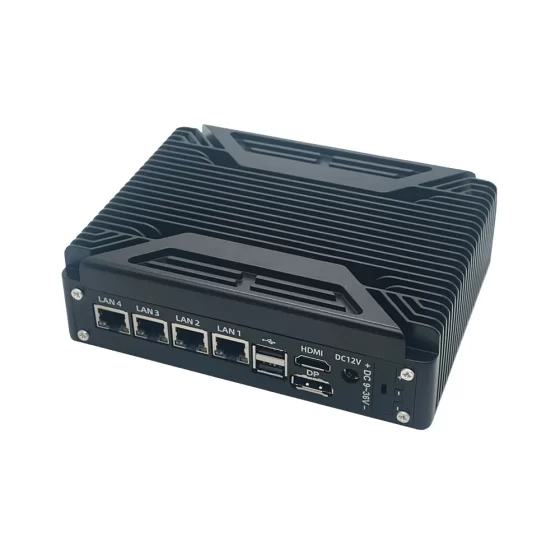
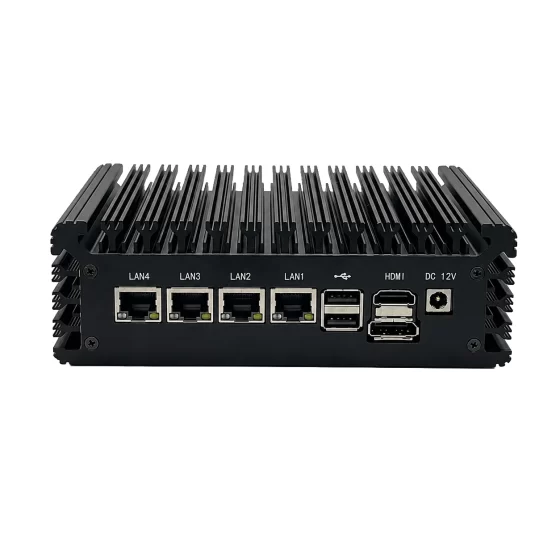
CoreIPC 産業用コンピューティング ソリューション

深層学習用の GPU IPC: 産業用 AI およびマシン ビジョン向けのディープ ラーニング IPC
エグゼクティブサマリー
ディープラーニング IPC は、AI 推論のための産業用コンピューティング基盤を提供します, マシンビジョン, 欠陥検出, ビデオ分析, ロボット誘導, 最新の製造環境におけるデータ駆動型の自動化.
工場がより高度な AI モデルとより多くのカメラベースの検査システムを採用するにつれて, コンピューティング要件が増加している. 従来の産業用コンピュータは、多くの自動化タスクやデータ収集タスクをサポートできます。, しかし、ディープ ラーニングのワークロードでは、より強力な並列処理が必要になることがよくあります。, より高いメモリ帯域幅, より高速なストレージ, 安定したGPUアクセラレーション.
GPU IPC は、産業用コンピュータの信頼性とグラフィックス処理能力を組み合わせます。. 高解像度の画像を処理できる, 複数のカメラストリーム, 深層学習モデル, 生産設備付近でのリアルタイム AI 推論.
システムをコンパクトに展開する必要がある場合は、組み込みコンピュータも使用できます。, マシン側のインストール, またはOEM統合. より要求の厳しい AI ビジョン アプリケーション向け, GPU 拡張またはエッジ AI アクセラレーションを備えた産業用コンピューターは、実際の運用ワークロードに必要なパフォーマンスを提供できます。.
標準的な商用 PC との比較, 産業用 GPU IPC プラットフォームは産業環境向けに設計されています. 堅牢な設置をサポートします, 安定した熱設計, 柔軟な I/O, カメラの接続, 高速ストレージ, 産業用ネットワーキング, 長いライフサイクルの展開.
この記事では、GPU IPC システムがディープ ラーニング アプリケーションをサポートする方法について説明します, メーカーが導入時に直面する課題とは, ソリューション アーキテクチャの仕組み, ディープ ラーニング ワークロード用の産業用コンピューターまたは組み込みコンピューターを選択する際にどのハードウェア機能が重要であるか.
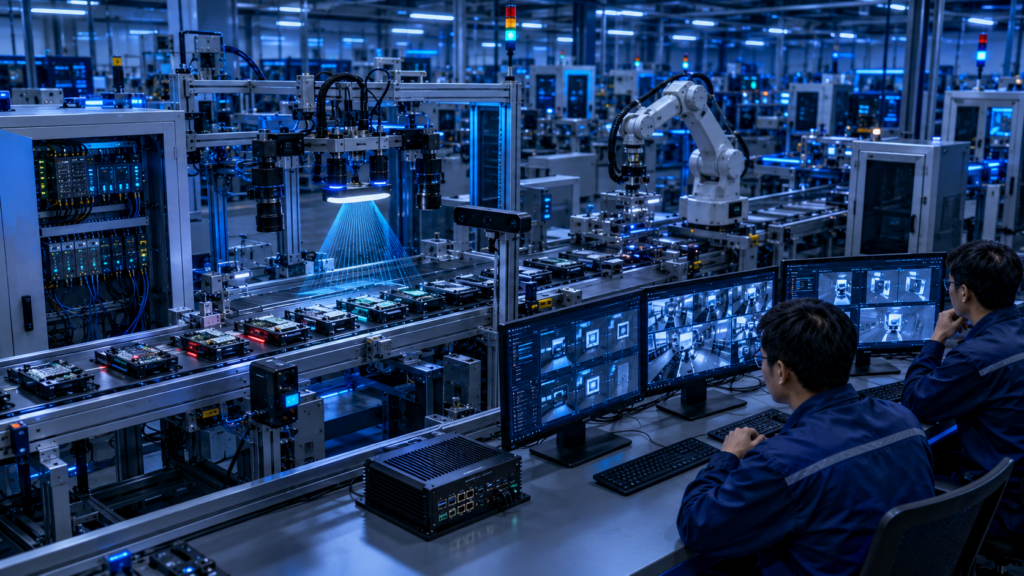
GPU IPC プラットフォームは、生産設備の近くで AI ビジョンとディープラーニング推論ワークロードを処理します.
業界の概要
ディープラーニングは産業オートメーションで実用化されつつある
ディープラーニングは工場オートメーションとスマートマニュファクチャリングでますます使用されています.
メーカーによる画像分析に役立ちます, 欠陥を検出する, オブジェクトを分類する, パターンを認識する, モニター機器, 複雑な産業データを処理する.
典型的な深層学習アプリケーションには次のものがあります。:
- 視覚的な欠陥の検出
- 表面検査
- 半導体AOI
- 電子機器検査
- バッテリーの検査
- 包装検査
- バーコードとOCR認識
- 物体検出
- ロボット誘導
- ビデオ分析
- 予知保全
- 異常検知
これらのアプリケーションには信頼性の高いローカル コンピューティング ハードウェアが必要です.
ディープラーニング IPC は、AI 処理をクラウドまたはラボ環境から実際の運用システムに導入するのに役立ちます.
GPU アクセラレーションが重要な理由
深層学習モデルでは多くの並列計算が必要になることがよくあります.
GPU は大量の画像データと行列データを効率的に処理できるため、このタイプのワークロードに最適です。.
産業用途において, GPU アクセラレーションは次のような場合に役立ちます:
- AI 推論の高速化
- マルチカメラ処理
- 高解像度画像解析
- ビデオストリーム分析
- 複雑な欠陥のセグメント化
- 物体検出
- モデルの検証
- エッジAIの導入
- リアルタイムの外観検査
すべてのアプリケーションに大規模な GPU が必要なわけではありません. 一部の軽量モデルは、CPU ベースの産業用コンピューターまたは組み込み AI モジュールで実行できます。.
しかし, 画像解像度の場合, カメラ数, モデルの複雑さ, または応答時間の要件が増加する, GPU IPCがより重要になる.
産業用コンピューティングはオフィス AI ハードウェアとは異なります
ディープラーニング IPC は、GPU を搭載した単なるデスクトップ PC ではありません.
工場環境では機械の近くで安定した稼働が求められます, コンベア, カメラ, ロボット, PLC, および制御盤.
これらの環境には振動が含まれる可能性があります, ほこり, 熱, 限られた空気の流れ, 電気ノイズ, そして長い営業時間.
産業用コンピューターと組み込みコンピューターは、これらの条件に合わせて設計されています。.
より強力な機械設計を提供します, 産業用I/O, 信頼性の高い電源入力, 制御された熱性能, 長いライフサイクルのサポート, 実際の工場での展開のための柔軟な取り付け.

マルチカメラデータ, GPUの熱設計, ストレージのワークロード, PLC通信, とキャビネットの設置は深層学習 IPC の信頼性に影響します.
主要な課題
高い AI 処理ワークロード
ディープラーニングのワークロードは要求が厳しい場合があります.
必要なパフォーマンスはカメラの解像度によって異なります, カメラの数, フレームレート, AIモデルのサイズ, 推論速度, 前処理, 後処理, ローカルストレージのニーズ.
システムで処理が必要になる場合があります:
- 高解像度の画像
- 複数のカメラストリーム
- ビデオクリップ
- 欠陥セグメンテーションモデル
- 物体検出モデル
- OCRモデル
- 分類モデル
- センサーフュージョンデータ
- 製作実績
IPC の電力が不足している場合, システムでは推論の遅延が発生する可能性があります, ドロップされたフレーム, 検査のタイミングを逃した, または不安定な生産パフォーマンス.
GPU の熱管理
GPU アクセラレーションにより AI 処理が向上, しかし、それはまた電力と熱を増加させます.
産業用システムは、空気の流れが制限されるキャビネット内や生産ラインの近くで動作することがよくあります。.
熱計画は重要です.
重要な要素には以下が含まれます::
- GPUの消費電力
- CPUワークロード
- 筐体設計
- キャビネットのエアフロー
- 周囲温度
- 取付位置
- 粉塵の状態
- 長時間実行されるワークロード
- 拡張カードのレイアウト
GPU IPC は実際の動作条件に応じて選択して取り付ける必要があります, 最高のパフォーマンス仕様だけでなく.
カメラの帯域幅とデータ フロー
多くの深層学習アプリケーションはカメラベースです.
システムは USB カメラを使用する場合があります, GigE カメラ, 2.5GbEカメラ, 10GbEカメラ, ラインスキャンカメラ, 3Dカメラ, または特殊なフレームグラバーインターフェイス.
各カメラはデータ帯域幅要件を作成します.
マルチカメラ AI 検査プラットフォームは考慮する必要があります:
- カメラインターフェースの種類
- カメラ数
- フレームレート
- 画像解像度
- ネットワークの分離
- PCIeの拡張
- ストレージ速度
- メモリ帯域幅
- 処理パイプライン
システムが画像を確実に取得できない場合、強力な GPU でもカメラのボトルネックを解決できません。.
産業用デバイスの統合
ディープラーニング IPC は工場の設備と通信する必要があります.
PLCとの接続が必要な場合があります, ロボット, モーションコントローラー, コンベア, センサー, 照明コントローラー, バーコードリーダー, アラーム, MESシステム, およびSCADAプラットフォーム.
有用な産業用インターフェースには次のものがあります。:
- LAN
- USB
- RS232
- RS485
- GPIO
- デジタル入力
- デジタル出力
- HDMI
- ディスプレイポート
- M.2
- PCIe
適切な I/O 設計がなければ, AI 導入の統合と維持が困難になる.
長期的な信頼性とライフサイクル
産業用 AI システムは、多くの場合、長年運用され続けます。.
GPUモデルの変更, ドライバ, オペレーティング·システム, カメラSDK, または産業用コンピュータ プラットフォームでは検証の問題が発生する可能性があります.
メーカーと機械製造業者は、一貫した導入をサポートできるハードウェアを必要としています, スペアパーツの計画, ソフトウェアイメージの安定性, そして長期メンテナンス.
これが、深層学習 IPC プロジェクトにとってライフサイクル計画が重要である理由です。.

GPU IPC システムが AI ビジョン カメラを接続, アクセラレーションハードウェア, 自動化装置, および工場出荷時のソフトウェア システム.
ディープラーニング IPC ソリューションのアーキテクチャ
データ取得層
データ取得層は画像をキャプチャします, ビデオストリーム, センサー値, およびマシンデータ.
この層には以下が含まれる場合があります:
- 産業用カメラ
- 3Dカメラ
- ハイスピードカメラ
- ラインスキャンカメラ
- フレームグラバー
- 照明コントローラー
- トリガーセンサー
- PLC
- 振動センサー
- バーコードリーダー
- ロボットコントローラー
- 生産設備
この入力の品質は深層学習のパフォーマンスに直接影響します。.
安定したカメラ捕捉, 正確なトリガー, AI モデルが信頼できる結果を生み出すには、クリーンなセンサー データが必要です.
GPU 産業用コンピューティング層
GPU 産業用コンピューティング層はシステムの中核です.
この層では, 産業用コンピュータまたは組み込みコンピュータはデータをローカルで処理します.
かもしれない:
- カメラから画像を取得する
- ディープラーニング推論を実行する
- 画像の前処理を実行する
- 欠陥検出モデルを実行する
- セグメンテーションアルゴリズムを実行する
- プロセスビデオ分析
- 検査記録を保管する
- ローカルダッシュボードを表示する
- 結果を PLC に送信する
- 選択したデータを工場システムにアップロードする
このローカル コンピューティング レイヤーによりレイテンシが短縮され、生産設備の近くで AI による意思決定が行われるようになります。.
AIソフトウェア層
AI ソフトウェア層にはモデルが含まれます, ランタイム, ドライバー, およびアプリケーションソフトウェア.
プロジェクトに応じて, 含まれる可能性があります:
- 深層学習推論ランタイム
- マシンビジョンソフトウェア
- カメラSDK
- GPUドライバー
- AIモデル管理ツール
- 画像前処理パイプライン
- 欠陥分類ロジック
- ビデオ分析ソフトウェア
- ローカルデータベースソフトウェア
- 産業用通信ソフトウェア
ハードウェアの選択では、最初からソフトウェアの互換性を考慮する必要があります.
GPU IPC はオペレーティング システムをサポートする必要があります, GPUドライバー, カメラインターフェース, アプリケーションに必要な AI フレームワークと.
自動化制御層
自動化制御レイヤーは、AI の結果と物理的な生産アクションを結び付けます。.
PLC, ロボットコントローラー, コンベアシステム, モーションコントローラー, または拒否メカニズムが深層学習 IPC から出力を受け取る場合があります.
例えば, 表面欠陥を検出した後, IPC は失敗信号を PLC に送信できます. その後、PLC は拒否メカニズムをアクティブ化できます。.
ロボット誘導アプリケーションで, IPC はカメラ データを処理し、オブジェクトの座標をロボット コントローラーに送信します。.
ファクトリデータ統合レイヤー
AI の結果は生産記録と関連付けられるとさらに価値が高まります.
深層学習 IPC は、選択されたデータを次の宛先へ送信する場合があります。:
- MES
- スカダ
- 高品質のデータベース
- WMS
- ERP
- クラウドプラットフォーム
- 郷土史家制度
- プロダクションダッシュボード
データには製品 ID が含まれる場合があります, 欠陥カテゴリ, 画像, タイムスタンプ, ステーションID, 信頼スコア, モデルのバージョン, そして検査結果.
これによりトレーサビリティがサポートされます, 品質分析, そしてプロセスの改善.
主な特長
AI 推論のための GPU アクセラレーション
GPU アクセラレーションはディープラーニング IPC の最も重要な機能の 1 つです.
適切な GPU 構成は、実際のモデルと運用ワークロードによって異なります。.
選択は考慮すべきです:
- AIモデルのサイズ
- 必要な推論速度
- カメラの数
- 画像解像度
- ビデオストリーム数
- バッチ処理のニーズ
- GPUメモリ
- 消費電力
- ドライバーサポート
- 熱設計
産業用途向け, 安定した長時間実行の推論は、短期間のベンチマーク結果よりも重要です.
高速カメラ接続
深層学習ビジョンシステムには信頼性の高いカメラ入力が必要です.
便利なハードウェア オプションには次のものがあります。:
- USB 3.0 ポート
- 複数のLANポート
- 2.5GbE または 10GbE オプション
- PCIeの拡張
- フレームグラバーのサポート
- M.2拡張
- 高速SSDまたはNVMeストレージ
- 表示出力
マルチカメラ検査用, ネットワーク トラフィックとカメラの帯域幅は慎重に計画する必要があります.
安定性を向上させるために、カメラ ネットワークを工場の IT ネットワークから分離する必要がある場合があります.
柔軟な産業用 I/O
GPU IPC はオートメーション機器に接続する必要があります.
重要な I/O オプションには次のものがあります。:
- LAN
- USB
- RS232
- RS485
- GPIO
- デジタル入力
- デジタル出力
- HDMI
- ディスプレイポート
- M.2
- PCIe
- SATA または NVMe
これらのインターフェースはカメラをサポートしています, センサー, 照明コントローラー, PLC, ロボット, コンベア, バーコードリーダー, アラーム, およびローカルディスプレイ.
柔軟な I/O により外部コンバータの使用が削減され、導入の信頼性が向上します.
AI データの信頼できるストレージ
深層学習システムは大量のデータを生成する可能性があります.
IPC は保存する必要がある場合があります。:
- 欠陥画像
- 受け入れられたサンプル
- ビデオクリップ
- AIモデルファイル
- トレーニングサンプル
- 推論ログ
- 検査記録
- ローカルデータベース
- 一時バッファ
SSD または NVMe ストレージは、機械式ドライブよりも高速なアクセスと優れた耐衝撃性をサポートするため、一般的に好まれます。.
データ量の多い AI システム向け, ストレージ容量, 持続的な書き込み速度, 書き込み耐久性, バックアップ戦略, 保持ポリシーは設計時に検討する必要があります.
堅牢な機械的および熱的設計
ディープラーニング IPC は産業用設置をサポートする必要がある.
頑丈な設計により振動から保護します, ケーブルストレス, 取り付け衝撃, そして連続運転.
熱設計は、GPU アクセラレーションを使用する場合に特に重要です.
システム設計者はレビューする必要があります:
- CPUとGPUの発熱量
- ファンレスまたはアクティブ冷却の要件
- キャビネットのエアフロー
- 周囲温度
- GPUカードのクリアランス
- 防塵対策
- 電源容量
- ケーブルの配線
信頼性の高い熱プランニングにより、長期間の動作期間にわたって安定した AI パフォーマンスを維持できます.
長いライフサイクルと保守性
深層学習システムでは、多くの場合、慎重なソフトウェア検証が必要です.
カメラドライバー, GPUドライバー, AI フレームワーク, オペレーティングシステム, とアプリケーション ソフトウェアは連携して動作する必要があります.
ハードウェアを頻繁に変更すると、メンテナンスコストが増加する可能性があります.
ライフサイクル サポートを備えた産業用コンピューティング プラットフォームは、機械製造業者やメーカーが複数の機械にわたって一貫した AI システムを維持するのに役立ちます, 行, および工場敷地.
導入シナリオ
AIによる視覚的欠陥検出
視覚的欠陥検出は、最も一般的な深層学習 IPC アプリケーションの 1 つです.
製品の傷を検査できるシステム, へこみ, ひび割れ, 汚れ, 汚染, 不足している部品, そして表面の異常.
GPU IPC はカメラ画像をローカルで処理し、検査結果を PLC または品質システムに送信します。.
半導体AOI
半導体 AOI では、多くの場合、高解像度のイメージングと高度な欠陥分類が必要になります。.
ディープラーニング IPC はウェーハ画像を処理できます, 死ぬの画像, パッケージイメージ, 検証データにマークを付ける.
結果をMESに接続することもできます, SPC, 高品質のデータベース.
エレクトロニクスおよび SMT 検査
エレクトロニクス製造では、コンポーネント検証に GPU IPC システムを使用できます, はんだ検査, PCB欠陥検出, バーコード認識, およびコネクタ検査.
このシステムは、AOI 装置または生産ラインのカメラからの画像を処理し、結果を PCB シリアル番号とリンクできます。.
電池製造検査
電池生産では、電極表面検査に深層学習 IPC プラットフォームを使用できます, タブ溶接検査, セルの外観チェック, モジュールアセンブリの検証, そして梱包検査.
GPU IPC は、複雑な欠陥パターンを処理し、結果を生産トレーサビリティ システムに結び付けるのに役立ちます.
包装検査
包装検査にはラベルが関係する場合がある, シール, バーコード, 日付コード, キャップ, カートン, ポーチ, ボトル, そして最終的なパッケージの検証.
ディープラーニング IPC は AI 欠陥検出をサポートし、拒否決定を PLC 制御の機器に送信できます.
ロボティクスと 3D ビジョン
ロボットアプリケーションでは、物体検出のためにディープラーニングが必要になる場合があります, 部品のローカリゼーション, ビンピッキング, そして品質検査.
GPU IPC は 2D または 3D カメラ データを処理し、座標または分類結果をロボット コントローラーに送信できます。.
ビデオ分析
産業用ビデオ分析は安全監視をサポートできます, プロセス観察, 機器の監視, 物流追跡.
GPU IPC は複数のビデオ ストリームをローカルで処理し、選択したイベントまたはアラートのみをアップロードできます.
これによりネットワーク負荷が軽減され、応答時間が短縮されます。.
OEM AI 機器の統合
機械メーカーは GPU IPC システムを AI 検査機に統合できます, ロボットシステム, 仕分け装置, スマートゲートウェイ, または自動化プラットフォーム.
コンピューティング プラットフォームは AI 推論を提供できます, カメラ処理, ローカルストレージ, HMIディスプレイ, PLC通信, および工場出荷時のデータ出力.
これにより、OEM はすぐに実稼働環境に導入できる産業用 AI 機器を提供できます。.
ビジネス上のメリット
AI 推論の高速化
GPU IPC は、深層学習ワークロードに対して強力なローカル処理を提供します.
これにより、推論時間が短縮され、より迅速な運用上の意思決定がサポートされます。.
高速ローカル AI が欠陥除去に役立ちます, ロボット誘導, 並べ替え, 監視, 高速検査も可能.
検査能力の向上
深層学習は、固定ルールで定義するのが難しい複雑な視覚的欠陥の検出に役立ちます.
ディープラーニング IPC は、生産設備の近くでこれらのモデルを実行するために必要なコンピューティング能力を提供します。.
これにより、メーカーは検査の一貫性を向上させ、手動レビューの作業負荷を軽減できます。.
クラウド依存性の軽減
ローカル GPU 処理により、すべての画像またはビデオ ストリームをクラウド プラットフォームに送信する必要性が軽減されます。.
IPC はエッジでデータを処理し、選択された結果のみをアップロードできます, 画像, アラート, または要約.
これにより、帯域幅の圧力が軽減され、運用上の回復力が向上します。.
より強力な生産トレーサビリティ
AI結果をプロダクトIDと紐付けることが可能, 作業命令, 欠陥カテゴリ, 画像, タイムスタンプ, ステーションID, モデルのバージョン, とオペレーターのアクション.
これにより、より強力な品質記録が作成されます.
信頼性の高い産業用ストレージとデータ統合が監査のサポートに役立ちます, プロセスレビュー, 保証調査, そして根本原因の分析.
自動化とのより良い統合
GPU IPC はディープラーニングの結果を PLC に接続できます, ロボット, コンベア, および工場システム.
これにより、AI 分析が実際の生産アクションに変わります.
システムは拒否メカニズムをトリガーできる, ガイドロボット, アラームを送信する, または品質データベースを自動的に更新します.
スケーラブルな産業用 AI の導入
標準化されたディープラーニング IPC プラットフォームにより、複数の生産ラインや工場に AI を導入することが容易になります.
一貫したハードウェアによりソフトウェア イメージが簡素化されます, GPUドライバーの検証, カメラSDK管理, スペアパーツの計画, そしてメンテナンストレーニング.
これにより、メーカーは AI パイロット プロジェクトからスケーラブルな実稼働展開に移行することができます。.
CoreIPC を選ぶ理由
CoreIPC はエッジ AI 向けの産業用コンピューティング プラットフォームを提供します, マシンビジョン, ファクトリーオートメーション, ロボット工学, および組み込みシステムの統合. ディープラーニング IPC アプリケーション向け, CoreIPC は信頼性の高い産業用コンピューター ハードウェアに重点を置いています, 組み込みコンピュータソリューション, 柔軟な I/O 構成, コンパクトなシステム設計, GPU 対応プラットフォームの計画, OEM/ODMカスタマイズサポート. CoreIPC はシステム インテグレーターを支援します, 機械製造業者, 製造チームは実際の導入要件に適合するコンピューティング プラットフォームを選択します, GPUワークロードを含む, カメラインターフェース, オートメーションコミュニケーション, ストレージのニーズ, 取り付け方法, 電源入力, 熱設計, ソフトウェアの互換性, およびライフサイクル計画.
よくある質問
1. ディープラーニング IPC とは?
ディープ ラーニング IPC は、産業環境でディープ ラーニング ワークロードを実行するように設計された産業用コンピューターです。.
GPU アクセラレーションが含まれる場合があります, 高速カメラ接続, 産業用I/O, 頑丈な機械設計, 信頼できるストレージ, および工場ネットワークのサポート. AI検査によく使われています, ビデオ分析, ロボットビジョン, および産業用エッジコンピューティング.
2. 深層学習に GPU IPC を使用する理由?
深層学習モデルは多くの場合、並列処理を必要とします.
GPU IPC は AI 推論を高速化できます, 画像処理, 物体検出, セグメンテーション, およびビデオ分析. これにより、システムはより多くのデータをローカルで処理し、運用環境での応答が速くなります。.
3. 組み込みコンピューターはディープラーニングにどのように使用されますか?
組み込みコンピュータを使用して、マシンの近くにコンパクトな AI を導入できる, カメラ, ロボット, または制御盤.
作業負荷を軽減するために, CPU ベースの AI または組み込み AI アクセラレーションを実行する場合があります. より重いワークロード向け, GPU をサポートする大型の産業用コンピューターが必要になる場合があります. 選択はモデルの複雑さに依存します, カメラ数, 応答時間の要件.
4. ディープラーニング IPC が必要なアプリケーションは何ですか?
アプリケーションには視覚的な欠陥検出が含まれます, 半導体AOI, 電子機器検査, バッテリー検査, 梱包検査, ロボット誘導, ビデオ分析, 物流仕分け, 予知保全, スマート工場監視.
生産設備の近くで深層学習モデルを使用するアプリケーションは、適切に選択された産業用 GPU IPC から恩恵を受ける可能性があります。.
5. すべての AI ビジョン システムには GPU が必要ですか??
いいえ. 一部の AI ビジョン システムは、CPU ベースの産業用コンピューターまたはコンパクトな組み込みコンピューター上で実行できます。.
通常、システムが高解像度の画像を使用する場合、GPU がより重要になります。, 複数のカメラ, 複雑な深層学習モデル, ビデオ分析, 3ディビジョン, または短いサイクルタイム要件. 実際のモデルのテストはハードウェア選択のガイドとなるはずです.
6. GPU IPC システムにとって重要なインターフェイスは何ですか?
重要なインターフェイスには USB が含まれる場合があります 3.0, 複数のLANポート, 2.5運ぶ, 10運ぶ, PCIe, M.2, RS232, RS485, GPIO, デジタル入力, デジタル出力, HDMI, ディスプレイポート, SATA, およびNVMeストレージのサポート.
カメラ インターフェイスと PCIe 拡張は、多くの深層学習ビジョン アプリケーションにとって特に重要です.
7. ファンレス産業用コンピューターはディープラーニングをサポートできますか?
ファンレス産業用コンピューターは一部の深層学習ワークロードをサポートできます, 特に軽量な推論および中程度の AI アプリケーション.
しかし, GPU ベースの深層学習ワークロードは大量の熱を発生する可能性があります. CPUパワー, GPUパワー, 筐体設計, キャビネットのエアフロー, 周囲温度, 導入前に取り付け方法を検討する必要があります.
8. ディープラーニング IPC はどのように PLC やロボットと接続するのか?
ディープラーニング IPC はイーサネット経由で PLC やロボットと通信できます, シリアル通信, デジタルI/O, またはサポートされている自動化ソフトウェア インターフェイス.
トリガーを受信できる, 画像を処理する, そしてパスを送る, 失敗, アラーム, 位置, または分類結果を自動化システムに戻す.
9. 深層学習 IPC システムは MES または高品質データベースに接続できますか?
はい. 産業用コンピュータはAI検査結果をMESにアップロード可能, 高品質のデータベース, スカダ, WMS, ERP, またはクラウドプラットフォーム.
アップロードされたデータには製品 ID が含まれる場合があります, 欠陥カテゴリ, 画像記録, タイムスタンプ, モデルのバージョン, ステーションID, そして検査結果. トレーサビリティと品質分析をサポートします.
10. GPU IPC を展開する前にテストする必要があること?
導入前, システムは実際のカメラでテストする必要があります, 実際のAIモデル, 実際の製作イメージ, GPUドライバー, カメラSDK, PLC通信, ストレージのワークロード, ネットワークアーキテクチャ, 長時間にわたる運用.
熱安定性, 推論速度, フレーム取得の信頼性, データのアップロード動作も検証する必要があります.
結論
ディープラーニング IPC は、GPU アクセラレーションを必要とする産業用 AI システムの実用的な基盤です, マシンビジョン, ビデオ分析, ロボット誘導, 欠陥検出, およびローカルエッジインテリジェンス.
GPU 対応の産業用コンピューターまたは組み込みコンピューターをカメラの近くに配置する, センサー, PLC, ロボット, コンベア, および生産システム, メーカーは AI ワークロードをローカルで処理できる, 待ち時間を短縮する, クラウドへの依存度が低い, ディープラーニングの結果を実際の自動化アクションと結び付ける.
実際の導入要件に応じて適切なプラットフォームを選択する必要があります, AI モデルの複雑さを含む, GPUのワークロード, カメラインターフェース, 画像解像度, I/O構成, ネットワークアーキテクチャ, ストレージのニーズ, 拡張要件, 取付方法, 電源入力, 熱条件, オペレーティング システムのサポート, およびライフサイクル計画.
CoreIPC は、実際の工場や機器の導入向けに設計された産業用コンピューティング プラットフォームを使用して、ディープ ラーニング IPC プロジェクトをサポートします。. 適切なハードウェア基盤があれば, メーカーや機械製造業者は信頼性の高い製品を構築できます, スケーラブルな, および生産対応の産業用 AI システム.
お問い合わせ
産業用コンピュータを探しています, 組み込みコンピュータ, または深層学習用の GPU IPC?
プロジェクトの要件については、CoreIPC にお問い合わせください。, AI ワークロードを含む, GPUの要件, カメラインターフェース, I/O構成, ロボットまたはPLC通信, ストレージデザイン, 取付方法, 電源入力, 動作環境, ライフサイクルのニーズ, および OEM/ODM カスタマイズ オプション.