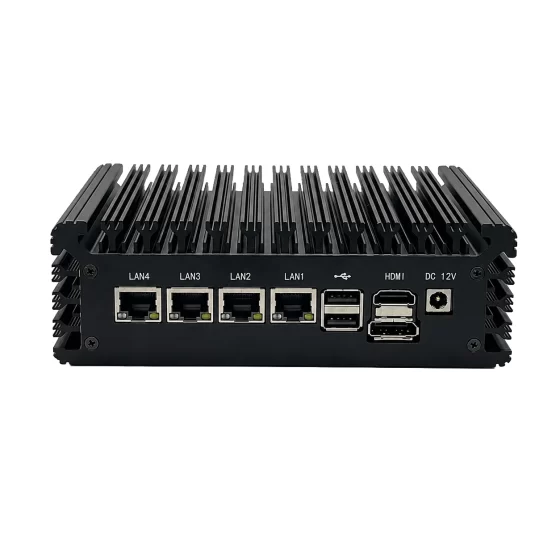
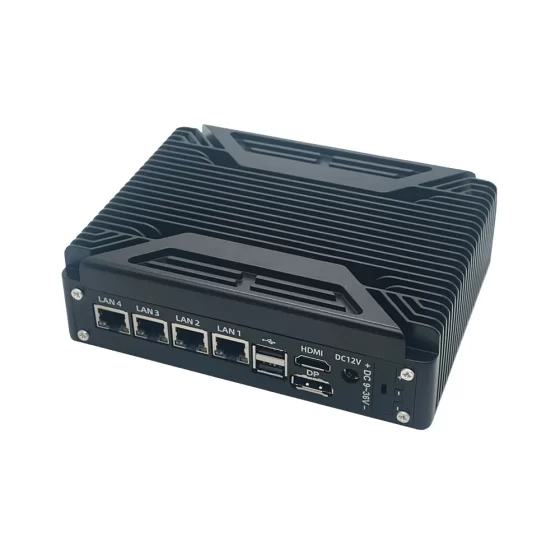
CoreIPC 産業用コンピューティング ソリューション

AIビジョンコンピューティングプラットフォーム: 産業検査および自動化のための AI ビジョン プラットフォーム
エグゼクティブサマリー
AI ビジョン プラットフォームは、マシン ビジョン検査のための産業用コンピューティング基盤を提供します, 欠陥検出, 物体認識, ロボット誘導, 梱包確認, および生産品質管理.
現代の工場ではより多くのカメラが使用されています, センサー, AIモデル, 検査精度と生産の可視性を向上させる自動化システム. 手動検査や単純なルールベースのビジョンシステムのみに依存するのではなく, メーカーは AI ビジョンを使用して複雑な欠陥を検出できます, 製品を分類する, ラベルを認識する, ガイドロボット, 検査結果を工場出荷時のソフトウェアに接続します.
産業用コンピューターまたは組み込みコンピューターは、ローカル AI ビジョン コンピューティング プラットフォームとして機能します. カメラから画像データを受信します, AI推論モデルを実行する, PLCやロボットと通信します, 検査記録を保管する, 選択した結果を MES にアップロードします, 高品質のデータベース, SCADAシステム, またはクラウドプラットフォーム.
標準的な商用 PC との比較, 産業用コンピュータは堅牢な設計を備えているため、工場での導入に適しています。, 柔軟な I/O, 安定したネットワーク, ファンレスオプション, 信頼できるストレージ, 長いライフサイクルのサポート.
AI ビジョン コンピューティング プラットフォームはエレクトロニクス製造に導入可能, 半導体検査, 電池の生産, 包装ライン, 食品加工, 医薬品検査, 物流仕分け, ロボット細胞, および一般的な産業オートメーション.
この記事では、AI ビジョン プラットフォームの仕組みについて説明します, メーカーが直面している展開上の課題, ソリューション アーキテクチャがどのように構成されているか, AI ビジョン アプリケーション用の産業用コンピューターまたは組み込みコンピューターを選択する際にどのハードウェア機能が重要であるか.
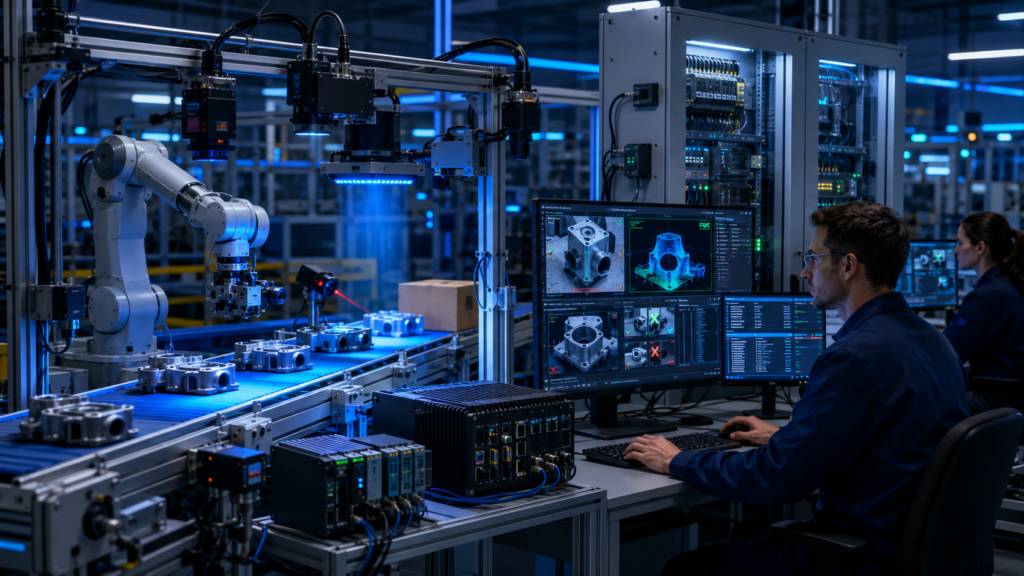
AI ビジョン プラットフォームは検査のためにカメラ画像を処理します, 認識, ロボット誘導, 梱包確認, そして自動化.
業界の概要
マシンビジョンはさらにインテリジェントになる
従来のマシンビジョンは工業用検査で長年使用されてきました。.
商品の有無を確認できる, 簡単な寸法を測る, バーコードを読み取る, ラベルを検証する, 明らかな欠陥を検出します. これらのアプリケーションは通常、固定ルールに依存します, しきい値, エッジ検出, パターンマッチング, または事前定義された検査ロジック.
しかし, 実際の製造上の欠陥の多くは単純ではありません.
傷, へこみ, ひび割れ, 汚れ, 不足している部品, はんだの問題, 梱包のダメージ, 表面の汚染, 組み立て誤差が異なる形状に現れる可能性があります, サイズ, 色, そして照明条件.
AI ビジョンは、トレーニングされたモデルを使用して、固定ルールだけでは定義するのが難しいパターンを特定することで、これらの課題に対処するのに役立ちます.
AI ビジョンはエッジへ移行中
AI ビジョン システムは多くの場合、生産装置の近くでローカル処理を必要とします。.
すべての画像をリモート サーバーまたはクラウド プラットフォームに送信すると、遅延が発生する可能性があります, ネットワークの圧力, 保管コスト, 外部接続への依存性.
ローカル AI ビジョン プラットフォームは、マシン側で画像を処理し、結果を迅速に返すことができます。.
これは重要です:
- 欠陥の拒否
- ロボット誘導
- バーコード検証
- 包装検査
- 決定事項の分類
- 生産アラーム
- 品質トレーサビリティ
- リアルタイム監視
産業用エッジ コンピューティングにより、AI ビジョン システムが単なるオフライン分析システムではなく実用的な生産ツールになる.
インダストリアル コンピューティングはハードウェアの基盤です
AI ビジョン システムにはカメラやモデル以上のものが必要です.
カメラを接続できる安定した産業用コンピューティング ハードウェアが必要です, 画像を処理する, 自動化機器と通信する, 記録を保存する, 工場環境で継続的に稼働.
産業用コンピュータと組み込みコンピュータがこの基盤を提供します.
カメラインターフェイスをサポートしています, 複数のLANポート, USB接続, シリアル通信, GPIO, SSDストレージ, ディスプレイ出力, 拡張モジュール, 頑丈な取り付け.
これにより、マシンサイドの AI 検査に適しています。, OEM ビジョン システム, ロボット細胞, スマート製造プラットフォーム.

マルチカメラデータ, 点灯, 表面反射, 欠陥のばらつき, 帯域幅のプレッシャー, と自動化の統合は AI ビジョンの信頼性に影響を与えます.
主要な課題
高い画像処理ワークロード
AI ビジョン プラットフォームは高解像度の画像を処理することがよくあります, 複数のカメラストリーム, または複雑な深層学習モデル.
コンピューティングのワークロードは次のものに依存します。:
- カメラの解像度
- カメラの数
- フレームレート
- AI モデルの複雑さ
- 検査サイクルタイム
- 画像の前処理
- 欠陥分類
- ローカル画像ストレージ
- 工場出荷時のデータのアップロード
コンピューターの電力が不足している場合, システムの処理に遅延が発生する可能性があります, ドロップされたフレーム, 検査速度が不安定, または生産のタイミングを逃した.
短期間のピーク時のベンチマーク パフォーマンスよりも、安定した持続的なパフォーマンスの方が重要です.
カメラインターフェイスと帯域幅計画
AI ビジョン システムは USB カメラを使用する場合があります, GigE カメラ, 2.5GbEカメラ, 10GbEカメラ, 3Dカメラ, または特殊な産業用ビジョンインターフェイス.
各カメラ構成には異なる帯域幅要件があります.
1 台の低解像度カメラはサポートしやすい場合があります. マルチカメラ検査プラットフォームでは、ネットワークを慎重に分離する必要がある場合があります, 拡張性, 高速ストレージ.
インターフェイスの計画が不十分だと、システム全体が制限される可能性があります.
産業用コンピュータが適切なカメラ インターフェイスまたは帯域幅を提供しない場合、強力なプロセッサでもカメラ データのボトルネックを解決することはできません。.
画質と照明の安定性
AI ビジョンの精度は画質に大きく依存します.
照明が不十分だと影ができる, まぶしさ, 反射, 低コントラスト, モーションブラー, または色の不一致. これらの問題により、モデルの精度が低下し、誤検知が増加する可能性があります。.
信頼性の高い AI ビジョン システムには、次の間の調整が必要です。:
- カメラの選択
- レンズ設計
- 照明方式
- 製品のポジショニング
- トリガータイミング
- 機械的取り付け
- AIモデルのトレーニング
- コンピューティングハードウェア
産業用コンピュータは、安定した画像取得とカメラとの信頼できる接続をサポートする必要があります, 照明コントローラー, およびトリガーセンサー.
自動化機器との統合
AI ビジョンの結果は実際の生産アクションに結び付けられる必要があります.
システムは PLC と通信する必要がある場合があります, コンベア, ロボット, 拒否メカニズム, センサー, バーコードリーダー, アラーム, MESシステム, 高品質のデータベース.
実用的な AI ビジョン プラットフォームには必要な場合があります:
- LAN
- USB
- RS232
- RS485
- GPIO
- デジタル入力
- デジタル出力
- HDMI
- ディスプレイポート
- M.2
- PCIe
適切な産業用 I/O がない場合, システム統合はより複雑になり、信頼性が低下する.
工場での長期的な信頼性
AI ビジョン システムは複数のシフトにまたがって動作することがよくあります.
生産ラインの近くに設置される場合があります, 内部検査機, 制御盤内, コンベアの横, またはロボット細胞内.
これらの環境には振動が含まれる可能性があります, ほこり, 熱, 電気ノイズ, ケーブルの動き, 空気の流れが限られている.
産業グレードのハードウェアは、頑丈な機械設計をサポートすることでダウンタイムのリスクを軽減します, 安定した熱性能, 信頼できるストレージ, 確実な取り付け, そしてライフサイクルの継続性.

産業用コンピューターが AI ビジョン カメラを接続する, 自動化装置, ロボット, 工場出荷時のソフトウェア, と品質システム.
AI ビジョン プラットフォーム ソリューション アーキテクチャ
画像取得層
画像取得レイヤーは製品から視覚データをキャプチャします。, 部品, パッケージ, ラベル, または生産プロセス.
この層には以下が含まれる場合があります:
- 産業用カメラ
- 3Dカメラ
- ハイスピードカメラ
- レンズ
- 照明モジュール
- トリガーセンサー
- バーコードリーダー
- 位置センサー
- モーションシステム
アプリケーションに応じて, システムは表面画像をキャプチャする場合があります, アセンブリの画像, ラベル画像, バーコード画像, パッケージイメージ, 欠陥画像, または 3D 深度データ.
安定した再現可能な画質は、信頼性の高い AI ビジョン パフォーマンスの基盤です.
産業用 AI コンピューティング層
産業用 AI コンピューティング レイヤーは、AI ビジョン プラットフォームがローカル処理を実行する場所です.
この層では, 産業用コンピュータまたは組み込みコンピュータは、:
- カメラから画像データを受信
- AI推論モデルを実行する
- プロセスマシンビジョンアルゴリズム
- 欠陥や異常を検出する
- 製品または欠陥の種類を分類する
- 検査画像とログを保存
- 検査状況の表示
- 合格または不合格の信号を送信する
- PLCやロボットとの通信
- 選択したデータを工場システムにアップロードする
This layer allows inspection and recognition decisions to happen close to production equipment.
自動化制御層
The automation control layer connects AI vision results with physical equipment action.
PLC, ロボットコントローラー, コンベアコントローラー, モーションシステム, or reject mechanism may trigger image capture and receive results from the AI vision computer.
例えば, 欠陥のあるパッケージを検出した後, the industrial computer can send a fail signal to a PLC. PLC は拒否メカニズムをアクティブにすることができます.
ロボット用途で, the AI vision platform may identify object position and send coordinate data to the robot controller.
データ管理層
AI ビジョンの結果は、生産記録と関連付けられるとさらに価値が高まります.
産業用コンピュータはデータを MES に送信する場合があります, スカダ, 高品質のデータベース, WMS, ERP, またはクラウドプラットフォーム.
検査データには以下が含まれる場合があります:
- プロダクトID
- 作業命令
- バッチ番号
- 検査結果
- 欠陥カテゴリ
- 証拠画像
- 信頼スコア
- ステーションID
- タイムスタンプ
- オペレータのアクション
- リワークステータス
これによりトレーサビリティがサポートされます, 品質分析, プロセスの改善, そして生産責任.
ユーザーインターフェイスとメンテナンス層
オペレーターとエンジニアは実用的なローカルインターフェースを必要としています.
AI ビジョン コンピューターはモニターに接続できます, タッチスクリーン, HMIパネル, またはエンジニアリングワークステーション.
インターフェイスで表示できるのは、:
- ライブカメラ映像
- AIによる検知結果
- 欠陥箇所
- 生産数
- 拒否統計
- カメラのステータス
- AIステータスモデル
- ネットワークステータス
- アラームメッセージ
- システムログ
明確なローカル インターフェイスにより、エンジニアがパラメータを調整できるようになります, 検査結果をレビューする, システムの問題を迅速にトラブルシューティングします.
主な特長
AI推論パフォーマンス
AIビジョンプラットフォームには安定した推論性能が必要.
適切なハードウェアはモデルの複雑さに依存します, カメラの解像度, カメラ数, 生産速度, 応答時間の要件.
選択は考慮すべきです:
- CPU性能
- GPU または AI アクセラレータのサポート
- メモリ容量
- ストレージ速度
- カメラの帯域幅
- ソフトウェアフレームワーク
- オペレーティング システムのサポート
- 熱設計
- 長時間にわたる安定性
コンパクトな組み込みコンピューターは中程度の AI ワークロードをサポートできる可能性があります. マルチカメラ AI 検査プラットフォームには、エッジ AI コンピューターまたはより高性能な産業用 PC が必要な場合があります.
カメラおよびビジョンインターフェイスのサポート
カメラの接続は最も重要なハードウェア要件の 1 つです.
便利なインターフェイス オプションには次のものがあります。:
- USB 3.0
- 複数のLANポート
- 2.5GbE または 10GbE オプション
- PCIeの拡張
- M.2拡張
- HDMI
- ディスプレイポート
- 高速SSDまたはNVMeストレージ
マルチカメラシステム向け, カメラのトラフィックは慎重に計画する必要があります.
多くの展開で, 1 つのネットワークがカメラに接続し、別のネットワークが工場システムに接続する場合があります. これにより、トラフィックの競合が軽減され、システムの安定性が向上します。.
柔軟な産業用 I/O
AI ビジョン コンピューターは実際の工場設備と接続する必要がある.
重要な I/O オプションには次のものがあります。:
- LAN
- USB
- RS232
- RS485
- GPIO
- デジタル入力
- デジタル出力
- 表示出力
- 拡張スロット
これらのインターフェースはカメラをサポートできます, 照明コントローラー, センサー, バーコードリーダー, PLC, コンベア, ロボット, アラーム, そして拒否メカニズム.
柔軟な I/O により外部アダプターが削減され、導入の信頼性が向上します。.
堅牢なファンレス設計
ファンレス産業用コンピューターは、多くの AI ビジョン アプリケーションで役立ちます.
粉塵の侵入を減らし、一般的な機械的故障点を 1 つ除去します。. これにより、システムが継続的に稼働する実稼働環境でのメンテナンスの軽減をサポートします。.
頑丈な筐体がコンピューターを振動から保護します。, ケーブルストレス, およびキャビネットの設置条件.
しかし, AI ワークロードは熱を発生させる可能性があります.
高性能AIビジョンシステム向け, 熱設計は慎重に検討する必要があります. プロセッサーのワークロード, GPU またはアクセラレータの使用, キャビネットのエアフロー, 周囲温度, and mounting method all affect long-term stability.
画像データの信頼できるストレージ
AI vision systems may generate many images and records.
コンピュータには保存される場合があります:
- 欠陥画像
- 受け入れられた画像サンプル
- 検査記録
- AIモデルファイル
- ローカルデータベース
- 生産報告書
- ビデオクリップ
- 一時バッファ
SSD または NVMe ストレージは、機械式ドライブよりもアクセスが速く、耐衝撃性に優れているため、一般的に好まれます。.
画像を大量に使用するシステムの場合, ストレージ容量, 持続的な書き込み速度, 書き込み耐久性, バックアップ方法, 保持ポリシーは設計時に検討する必要があります.
長いライフサイクルと保守性
AI vision systems may remain in production for many years.
ハードウェアを頻繁に変更すると、ソフトウェア検証の問題が発生する可能性があります, ドライバーの互換性の問題, スペアパーツの課題, そして維持費.
ライフサイクル プランニングを備えた産業用コンピューティング プラットフォームは、メーカーや機械製造業者が複数の生産ラインにわたって一貫した導入を維持するのに役立ちます, 機械, および工場敷地.
This is especially important for scalable AI vision deployment.
導入シナリオ
AIによる視覚的欠陥検出
AI vision platforms are widely used for defect detection.
システムは表面を検査できます, コンポーネント, アセンブリ, パッケージ, ラベル, そして完成品.
傷を検出できる, へこみ, ひび割れ, 汚れ, 不足している部品, 間違った組み立て, 汚染, 破損した梱包, そして視覚異常.
産業用コンピューターは画像をローカルで処理し、結果を PLC または品質システムに送信します。.
エレクトロニクスおよび SMT 検査
電子機器製造は PCB 検査に AI ビジョンを使用できます, コンポーネントの検証, はんだ付けレビュー, バーコード認識, コネクタ検査, 修理データ収集.
組み込みコンピュータをSMTラインの近くに設置可能, AOI装置, テストステーション, またはベンチを修理する.
検査結果を基板シリアル番号と紐付けることが可能, 作業命令, およびMESレコード.
半導体検査
半導体検査ではウェーハの高解像度イメージングが必要になる場合があります, 死ぬ, 基板, パッケージ, そしてレーザーマーク.
AI ビジョン プラットフォームは欠陥分類をサポートできます, マーク検証, パッケージ検査, 品質トレーサビリティ.
産業用コンピュータは画像データを処理し、結果を MES に接続します, SPC, または高品質のデータベース.
電池製造検査
電池生産では電極表面検査にAIビジョンを活用可能, セルの外観チェック, タブ溶接検査, モジュールアセンブリの検証, 配線検査, ラベルチェック, そして梱包検査.
AI ビジョン コンピューターは画像をローカルで処理し、結果を実稼働システムに送信します。.
電池製造における品質管理とトレーサビリティをサポートします。.
包装検査
AI ビジョン プラットフォームでラベルを検査できる, バーコード, 日付コード, シール, キャップ, カートン, ポーチ, ボトル, そして最終パッケージ.
産業用コンピュータは、PLC 通信を通じてパッケージングの欠陥を検出し、拒否メカニズムをトリガーできます。.
これにより、出荷ミスが減り、梱包品質が向上します。.
食品および医薬品の検査
食品や医薬品の製造では製品の目視検査が必要になることがよくあります, パッケージ, ラベル, コード, シール, そして最終梱包.
AIビジョンプラットフォームで外観検査を支援, 充填レベルのチェック, ラベルの検証, バーコード認識, そして欠陥検出.
産業用コンピューティング ハードウェアは、検査結果をバッチおよび品質記録に結び付けるのに役立ちます.
物流仕分けとバーコード認識
物流システムは AI ビジョンを使用して荷物を識別できます, バーコード認識, ラベルの検証, ソート制御, と例外処理.
組み込みコンピュータをスキャントンネル内に設置可能, コンベアシステム, または仕分け装置.
システムは仕分け結果を WMS プラットフォームと PLC 制御のダイバータに送信できます。.
ロボットビジョンガイダンス
ロボットは物体を識別するために視覚データを必要とすることがよくあります, 部品を見つける, そして動きを調整する.
AI ビジョン プラットフォームは 2D または 3D カメラ データを処理し、位置情報をロボット コントローラーに送信できます。.
これはビンピッキングをサポートします, 組み立て, 並べ替え, 検査, 柔軟な自動化.
ビジネス上のメリット
検査の一貫性の向上
AI ビジョン プラットフォームは、メーカーが生産シフト全体にわたってより一貫して製品を検査できるように支援します.
システムは、トレーニングされたモデルと検査ロジックに従って画像を処理します. 手作業による判断への依存を軽減し、安定した品質管理を維持します。.
信頼性の高い産業用コンピューティング ハードウェアが一貫した画像取得と AI 推論をサポート.
より迅速な生産決定
ローカルAI処理により迅速な対応が可能.
産業用コンピュータは欠陥を検出できる, 結果を分類する, 生産ライン近くの PLC またはロボットに合格または不合格の信号を送信します。.
これは、より迅速な拒否アクションのサポートに役立ちます, ルーティングをやり直す, 決定事項の分類, 自動化対応.
手作業による検査作業の軽減
手動検査は繰り返し行われる可能性がある, 遅い, そして一貫性がない.
AI ビジョンにより多くの目視検査タスクが自動化され、オペレーターは例外に集中できるようになります。, メンテナンス, 設定, そしてプロセスの改善.
これにより効率が向上し、疲労による欠陥の見逃しが減少します。.
品質トレーサビリティの強化
AIビジョンデータとプロダクトIDを紐付けることが可能, 作業命令, 欠陥カテゴリ, 画像, タイムスタンプ, 駅情報, とオペレーターのアクション.
これにより、顧客監査のためのより強力な品質記録が作成されます, 保証調査, プロセスレビュー, そして根本原因の分析.
検査データが一貫して収集され、工場システムに接続されると、トレーサビリティの価値が高まります。.
より良いプロセス改善
AI ビジョン プラットフォームは有用な生産データを生成します.
メーカーは再発する欠陥を分析できる, プロセスドリフト, 機械関連の品質問題, トレンドを拒否する, そして製品バリエーション.
信頼性の高い産業用コンピューターにより、このデータが確実に保存されます, 転送された, 一貫して表示されます.
スケーラブルなスマート マニュファクチャリングの導入
標準化された AI ビジョン プラットフォームにより、複数のマシンにわたる検査および認識システムの導入が容易になります, 行, そして工場.
一貫したハードウェアによりソフトウェア イメージが簡素化されます, カメラドライバーの管理, スペアパーツの計画, メンテナンストレーニング, およびライフサイクルサポート.
これにより、メーカーはパイロット AI ビジョン プロジェクトからスケーラブルな実稼働展開に移行することができます。.
CoreIPC を選ぶ理由
CoreIPC はマシンビジョン用の産業用コンピューティング プラットフォームを提供します, エッジAI, ファクトリーオートメーション, ロボット工学, および組み込みシステムの統合. AIビジョンプラットフォームアプリケーション向け, CoreIPC は信頼性の高い産業用コンピューター ハードウェアに重点を置いています, 組み込みコンピュータソリューション, 柔軟な I/O 構成, コンパクトなシステム設計, OEM/ODMカスタマイズサポート. CoreIPC はシステム インテグレーターを支援します, 機械製造業者, 製造チームは実際の導入要件に適合するコンピューティング プラットフォームを選択します, カメラインターフェースを含む, AI ワークロード, オートメーションコミュニケーション, ネットワーク設計, ストレージのニーズ, 取り付け方法, 電源入力, 熱条件, およびライフサイクル計画.
よくある質問
1. AIビジョンプラットフォームとは?
AI ビジョン プラットフォームは、カメラ画像を処理し、AI ベースの検査または認識ソフトウェアを実行するために使用される産業用コンピューティング システムです。.
欠陥を検出できる, 製品を分類する, ラベルを読む, バーコードを確認する, ガイドロボット, 結果を工場システムに接続します. 通常はカメラが含まれます, 点灯, AIモデル, マシンビジョンソフトウェア, 産業用コンピュータまたは組み込みコンピュータ.
2. AI ビジョンに産業用コンピューターを使用する理由?
産業用コンピュータは工場環境向けに設計されています.
連続運転をサポートします, 頑丈な取り付け, 産業用I/O, カメラの接続, 安定した保管, 複数のネットワークポート, 長いライフサイクルの展開. これらの機能により、機械の近くに設置される AI ビジョン システムには、標準的なオフィス PC よりも適しています。, コンベア, ロボット, および検査ステーション.
3. 組み込みコンピューターは AI ビジョン システムでどのように使用されますか?
組み込みコンピュータを検査機内に設置可能, ロボット細胞, 包装システム, トンネルのスキャン, または制御盤.
カメラデータを受信できる, AI推論を実行する, PLCと通信する, ローカル結果を表示する, 検査記録をアップロードします. コンパクトな設計により、OEM 機器やスペースが限られたマシン側の展開に役立ちます.
4. AI ビジョン コンピューティング プラットフォームがサポートできるアプリケーション?
AI ビジョン プラットフォームは視覚的な欠陥検出をサポートできます, 組立ての検証, バーコード認識, 梱包検査, 食品検査, 医薬品検査, バッテリー検査, 半導体検査, SMT検査, 物流仕分け, そしてロボット誘導.
正確な用途はカメラの設定によって異なります, AIモデル設計, 生産速度, I/O のニーズ, およびシステム統合要件.
5. AI ビジョン プラットフォームには GPU が必要ですか?
一部の AI ビジョン アプリケーションには GPU または AI アクセラレータのサポートが必要です, 特に高解像度の画像の場合, 複数のカメラ, ビデオ分析, 3ディビジョン, または複雑な深層学習モデル.
モデルが軽量でサイクルタイムが中程度であれば、他のアプリケーションも CPU ベースの産業用コンピューターで実行できる可能性があります。. ハードウェアは実際のモデルのテストに基づいて選択する必要があります.
6. AIビジョンコンピュータにとって重要なインターフェースは何か?
重要なインターフェイスには USB が含まれる場合があります 3.0, 複数のLANポート, 2.5運ぶ, 10運ぶ, RS232, RS485, GPIO, デジタル入力, デジタル出力, HDMI, ディスプレイポート, M.2, およびPCIe拡張.
カメラインターフェイスは重要です. 産業用 I/O は PLC 通信にも重要です, 照明制御, センサー, トリガー, ロボット, コンベア, そして拒否メカニズム.
7. ファンレス産業用コンピューターは AI ビジョンをサポートできるか?
ファンレス産業用コンピューターは多くの AI ビジョン アプリケーションをサポートできます, 特に中程度の単一カメラまたはメンテナンスの少ない導入.
しかし, 高性能AI推論, マルチカメラ検査, または、GPU ベースのワークロードにより大量の熱が発生する可能性があります. プロセッサーのワークロード, アクセルの使用, キャビネットのエアフロー, 周囲温度, 導入前に取り付け位置を見直す必要があります.
8. AI ビジョンはトレーサビリティをどのようにサポートするか?
AIビジョンが検査結果と製品IDを紐づけてトレーサビリティを支援, 作業命令, 欠陥カテゴリ, 画像記録, タイムスタンプ, ステーションID, とオペレーターのアクション.
このデータは MES にアップロードできます, 高品質のデータベース, WMS, スカダ, またはクラウドプラットフォーム. 完全な記録はメーカーの欠陥分析に役立ちます, 監査をサポートする, 生産プロセスを改善する.
9. AI ビジョン プラットフォームは PLC やロボットと接続できますか?
はい. AIビジョンコンピュータはPLCと通信可能, ロボットコントローラー, コンベア, 拒否メカニズム, センサー, およびその他の自動化デバイス.
システムはトリガーを受信できます, 画像を処理する, そしてパスを送る, 失敗, 位置, 分類, またはアラーム結果を機器に返す. AIビジョンが実際の生産管理に役立ちます.
10. 導入前にテストすべきこと?
導入前, システムは実際のカメラでテストする必要があります, 実際の製品, プロダクション照明, 実際の回線速度, AIモデル, PLC通信, ロボットの統合, ストレージのワークロード, およびネットワーク状況.
長時間にわたる安定性, 熱性能, フレーム取得の信頼性, 本番環境のリスクを軽減するために、データのアップロード動作も検証する必要があります。.
結論
AI ビジョン プラットフォームはマシン ビジョン検査の実用的な基盤です, AIによる欠陥検出, ロボット誘導, バーコード認識, 梱包確認, 物流仕分け, と生産トレーサビリティ.
産業用コンピューターまたは組み込みコンピューターをカメラの近くに配置することによって, センサー, PLC, コンベア, ロボット, および検査装置, メーカーはビジュアルデータをローカルで処理できる, 待ち時間を短縮する, 検査の一貫性を向上させる, 結果を工場システムに接続します.
実際の導入要件に応じて、適切な AI ビジョン コンピューティング プラットフォームを選択する必要があります, カメラインターフェースを含む, AI ワークロード, 画像解像度, I/O構成, ネットワークアーキテクチャ, ストレージのニーズ, 拡張要件, 取付方法, 電源入力, 熱条件, オペレーティング システムのサポート, およびライフサイクル計画.
CoreIPC は、実際の工場や機器の導入向けに設計された産業用コンピューティング プラットフォームを使用して、AI ビジョン プラットフォーム プロジェクトをサポートします。. 適切なハードウェア基盤があれば, メーカーや機械製造業者は信頼性の高い製品を構築できます, スケーラブルな, スマート製造のためのデータ駆動型 AI ビジョン システム.
お問い合わせ
産業用コンピュータを探しています, 組み込みコンピュータ, または AI ビジョン コンピューティング プロジェクト用のエッジ AI プラットフォーム?
プロジェクトの要件については、CoreIPC にお問い合わせください。, カメラインターフェースを含む, AI ワークロード, I/O構成, ロボットまたはPLC通信, ネットワーク設計, ストレージのニーズ, 取付方法, 電源入力, 動作環境, ライフサイクルのニーズ, および OEM/ODM カスタマイズ オプション.