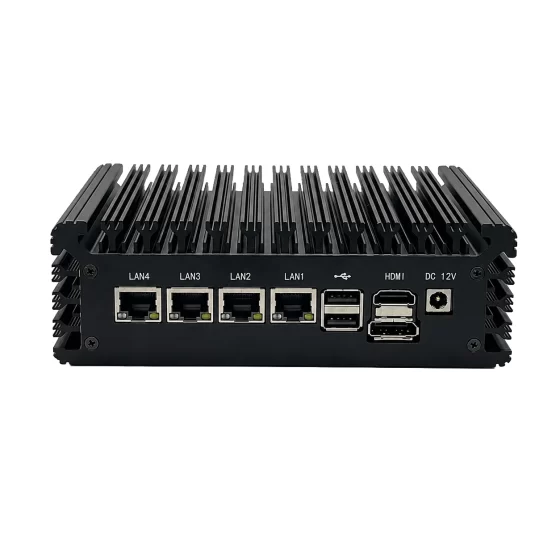
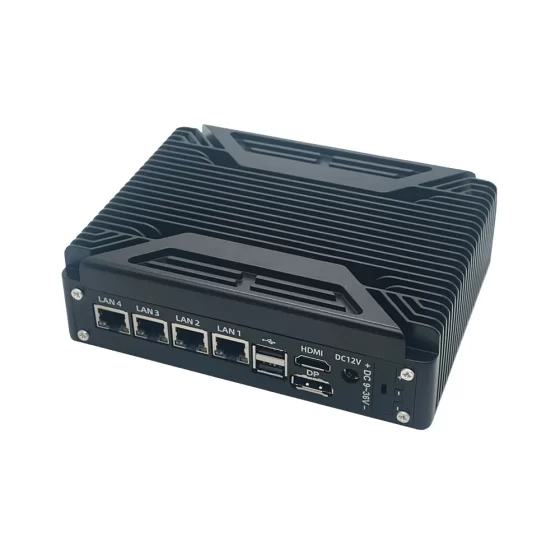
CoreIPC 産業用コンピューティング ソリューション

IIoT 向けエッジ AI ゲートウェイ: インダストリアルIoTデータインテリジェンスのためのエッジAIゲートウェイ
エグゼクティブサマリー
An edge AI gateway provides the local computing foundation for industrial IoT data collection, プロトコルの統合, AI推論, マシンの監視, 予知保全, and factory data connectivity.
現代の産業環境では, 機械, センサー, PLC, ロボット, メートル, カメラ, and production systems generate large amounts of data. If all data is sent directly to the cloud or centralized servers, factories may face latency, 帯域幅のプレッシャー, unstable network dependency, and limited real-time response.
An edge AI gateway solves this by placing industrial computing power close to machines and devices. It can collect data from industrial equipment, ローカルで処理する, AI モデルを実行する, 異常なパターンを検出する, バッファレコード, 選択したデータをMESに送信します, スカダ, クラウドプラットフォーム, または産業用IoTシステム.
An industrial computer or embedded computer can act as the edge AI gateway. PLCに接続することもできます, センサー, カメラ, ロボット, メートル, バーコードリーダー, 産業用スイッチ, および工場ネットワーク. It can also support local dashboards, alarm logic, プロトコル変換, データフィルタリング, and secure edge-to-cloud communication.
標準的な商用 PC との比較, industrial computers are better suited for IIoT gateway deployment because they provide rugged design, 柔軟な I/O, 安定したネットワーク, ファンレスオプション, 信頼できるストレージ, 工業用取り付け, 長いライフサイクルのサポート.
This article explains how edge AI gateways support IIoT deployment, 実際の産業環境ではどのような課題が発生するのか, ソリューション アーキテクチャの仕組み, and which hardware features are important when selecting an industrial computer or embedded computer for edge AI gateway applications.
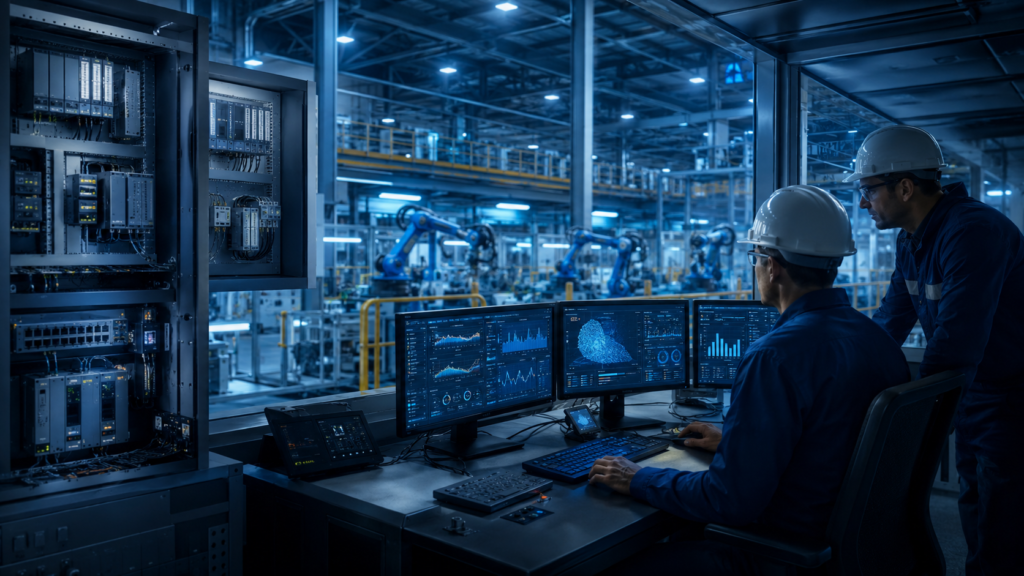
Edge AI gateways collect machine data, process IIoT analytics, and support local intelligence near production equipment.
業界の概要
IIoT Requires More Than Device Connectivity
Industrial IoT connects machines, センサー, 生産設備, およびソフトウェアシステム.
しかし, simply connecting devices is not enough. Factories need to collect useful data, process it reliably, detect abnormal conditions, and deliver the right information to the right system.
A practical IIoT deployment may need to support:
- PLCデータ収集
- Sensor data acquisition
- Machine condition monitoring
- Camera-based inspection data
- Energy meter integration
- プロトコル変換
- ローカルデータバッファリング
- AI anomaly detection
- Edge-to-cloud transfer
- MES and SCADA integration
An edge AI gateway helps bridge the gap between industrial equipment and digital manufacturing platforms.
Why AI Is Moving to the Gateway Layer
Traditional gateways usually focus on data collection and protocol conversion.
Modern factories increasingly need more intelligence at the edge. Instead of forwarding all raw data, an edge AI gateway can analyze data locally and send only useful results.
AI at the gateway layer can support:
- 予知保全
- Sensor anomaly detection
- Visual inspection support
- Energy consumption analysis
- Equipment status classification
- Production flow monitoring
- Alarm filtering
- 工程逸脱検知
- Local decision support
This improves response time and reduces unnecessary cloud or server workload.
Industrial Computing Is the Gateway Foundation
An edge AI gateway must operate in real factory environments.
It may be installed inside a control cabinet, 生産ラインの近く, beside a machine, in an energy monitoring system, またはOEM機器内.
これらの場所では振動が発生する可能性があります, ほこり, 温度変化, 電気ノイズ, 限られた空気の流れ, 継続的な運転スケジュール.
産業用コンピュータと組み込みコンピュータは、これらの条件に対応するハードウェア基盤を提供します。. They support industrial I/O, 複数のLANポート, シリアル通信, ローカルストレージ, 信頼性の高い電源設計, 頑丈な取り付け.

混合デバイス, serial networks, センサーデータ, LAN traffic, カメラストリーム, データバッファリング, and network segmentation affect IIoT gateway deployment.
主要な課題
Diverse Industrial Device Connections
IIoT systems must connect many types of industrial devices.
A single gateway may need to communicate with PLCs, センサー, メートル, カメラ, ロボット, バーコードリーダー, モーションコントローラー, およびレガシーマシン.
Different devices may use different interfaces and protocols.
Common connection requirements include:
- イーサネット
- RS232
- RS485
- USB
- GPIO
- デジタル入力
- デジタル出力
- 複数のLANポート
- Wireless expansion
- ローカルディスプレイ出力
The edge AI gateway must provide enough flexibility to support both modern and legacy equipment.
Protocol and Data Format Complexity
Industrial devices often use different communication methods and data formats.
A factory may include newer Ethernet-based equipment and older serial-based machines in the same production area. Some systems may output structured data, while others may require protocol conversion or custom parsing.
The gateway may need to collect and normalize data before sending it to MES, スカダ, クラウドプラットフォーム, またはデータベース.
This creates requirements for software compatibility, 安定した接続性, and local processing power.
Local AI Processing Requirements
AI workloads vary widely in IIoT systems.
Some gateways only run lightweight anomaly detection on sensor data. Others process camera images, ビデオストリーム, vibration signals, machine logs, or multi-source industrial data.
Workload factors may include:
- 接続されているデバイスの数
- センサーの更新頻度
- AI モデルの複雑さ
- カメラの解像度
- ビデオストリーム数
- ローカルデータベースのワークロード
- Data buffering requirements
- Cloud upload frequency
The hardware must be selected according to real edge AI workload, not only basic gateway specifications.
Network Reliability and Data Buffering
Factory network conditions are not always perfect.
A gateway may need to continue collecting data even when the connection to cloud platforms, MES, or enterprise systems is temporarily unavailable.
Local buffering is important because it helps prevent data loss during network interruptions.
The edge AI gateway should support reliable storage, local queueing, and controlled data upload when the connection recovers.
Cybersecurity and Network Segmentation
IIoT gateways often sit between machine networks and IT networks.
This makes network design important.
Factories may need to separate:
- マシンネットワーク
- カメラネットワーク
- PLCネットワーク
- 工場ITネットワーク
- リモートメンテナンスネットワーク
- Cloud connection
Multiple LAN ports and careful network architecture can help organize traffic and reduce unnecessary exposure between systems.

Edge AI gateways connect industrial devices, ローカル分析, 工場出荷時のソフトウェア, cloud monitoring systems, and IIoT dashboards.
Edge AI Gateway Solution Architecture
デバイスとセンサー層
The device and sensor layer includes all connected industrial equipment.
この層には以下が含まれる場合があります:
- PLC
- センサー
- モーター
- ロボット
- カメラ
- エネルギーメーター
- バーコードリーダー
- 試験機器
- モーションコントローラー
- マシンコントローラー
- 産業用スイッチ
- レガシーシリアルデバイス
These devices generate raw data for monitoring, 分析, オートメーション, そして報告.
A reliable gateway must collect data from this layer consistently.
インダストリアルエッジゲートウェイ層
The industrial edge gateway layer is where the edge AI gateway performs local data handling.
この層では, 産業用コンピュータまたは組み込みコンピュータは、:
- Collect PLC and sensor data
- 産業用プロトコルの変換
- Process local data streams
- AI推論モデルを実行する
- 一時的な記録を保存する
- ネットワークの問題時のデータのバッファリング
- Filter abnormal events
- Generate alarms
- ローカルステータスの表示
- Send selected data to factory systems
This layer helps transform raw device data into useful industrial intelligence.
AI分析レイヤー
The AI analytics layer contains the local intelligence running on the gateway.
アプリケーションに応じて, 含まれる可能性があります:
- 異常検出モデル
- 予知保全モデル
- Image analysis tools
- ビデオ分析ソフトウェア
- センサーフュージョンロジック
- エネルギー使用量の分析
- Production flow monitoring
- Rule-based event filtering
- AI推論ランタイム
産業用コンピュータは必要なオペレーティング システムをサポートする必要があります, ドライバー, AI software, industrial communication tools, and database functions.
ファクトリーソフトウェア統合レイヤー
The edge AI gateway connects machine-side data with factory software systems.
選択したデータを次の宛先へ送信する場合があります。:
- MES
- スカダ
- ERP
- クラウドプラットフォーム
- 高品質のデータベース
- メンテナンス体制
- 産業用IoTダッシュボード
- 郷土史家制度
- Production monitoring platforms
すべての生データを送信する代わりに, the gateway can upload alarms, 要約, 処理された値, トレンド, および例外レコード.
This makes IIoT deployment more efficient and manageable.
Local Interface and Maintenance Layer
Operators and engineers often need local access to the gateway.
The system may connect to a monitor, タッチスクリーン, HMIパネル, or service laptop.
The local interface can show:
- Device connection status
- Data collection status
- AI alarm status
- ネットワークステータス
- 保管状況
- Gateway health
- Upload status
- エラーログ
- Local dashboard views
A practical interface helps engineers maintain the system and troubleshoot problems faster.
主な特長
マルチプロトコル接続
An edge AI gateway must connect with different industrial devices.
Hardware flexibility is important because factories often contain mixed equipment generations.
便利な I/O オプションには次のものがあります。:
- 複数のLANポート
- RS232
- RS485
- USB
- GPIO
- デジタル入力
- デジタル出力
- M.2拡張
- PCIeの拡張
- HDMI または DisplayPort
- 無線モジュールのサポート
These interfaces help the gateway communicate with PLCs, センサー, メートル, カメラ, バーコードリーダー, および産業用ネットワーク.
Local AI Computing Performance
The gateway should provide enough computing power for local AI workloads.
選択は考慮すべきです:
- CPU性能
- メモリ容量
- GPU または AI アクセラレータのニーズ
- Sensor data volume
- カメラのワークロード
- AI モデルの複雑さ
- Local database requirements
- ストレージ速度
- オペレーティング システムのサポート
軽量センサー分析用, コンパクトな組み込みコンピュータで十分かもしれません. For camera-based AI or multi-source analytics, a stronger edge AI computer may be required.
Multiple LAN Ports for Network Separation
Multiple LAN ports are especially valuable in IIoT gateway applications.
They allow the system to separate different traffic types.
例えば:
- PLC用LANポート×1
- センサーまたはゲートウェイ用の LAN ポート 1 つ
- 工場ITネットワーク用のLANポート1個
- One LAN port for cloud or remote access
- One LAN port for camera systems
これによりネットワーク組織が改善されます, トラフィックの競合を減らす, and supports better security planning.
信頼性の高いローカルストレージ
Edge AI gateways often need local storage.
The gateway may store sensor records, アラームログ, AIモデルファイル, ローカルデータベース, temporary buffers, 画像, ビデオクリップ, and upload queues.
SSD または NVMe ストレージは、機械式ドライブよりもアクセスが速く、耐衝撃性に優れているため、一般的に好まれます。.
ストレージ設計で考慮すべきこと:
- データ保存期間
- Buffer size
- 書き込み耐久性
- Backup method
- ローカルデータベースのワークロード
- ネットワーク中断動作
- アップロード頻度
Reliable storage helps prevent data loss and supports traceability.
堅牢なファンレス設計
Edge AI gateways are often deployed near machines or inside control cabinets.
ファンレス設計により、塵の侵入を減らし、一般的な機械的故障点を 1 つ取り除くことができます。. 頑丈なエンクロージャがシステムを振動から保護します, ケーブルストレス, 設置への影響.
しかし, AI workloads may generate heat.
Thermal design should be reviewed based on processor power, AIアクセラレータの活用, 周囲温度, キャビネットのエアフロー, and mounting position.
長いライフサイクルと保守性
IIoT gateway systems may stay in production for many years.
ハードウェアを頻繁に変更すると、ソフトウェア検証の問題が発生する可能性があります, ドライバーの互換性の問題, and spare parts difficulties.
Industrial computing platforms with lifecycle planning help manufacturers and system integrators maintain consistent IIoT deployments across multiple machines, 行, および工場敷地.
This is especially important for scalable digital transformation projects.

Edge AI gateways improve machine monitoring, 予知保全, energy analysis, production resilience, and smart factory visibility.
導入シナリオ
マシンデータの収集
Machine data collection is one of the most common edge AI gateway applications.
The gateway collects data from PLCs, マシンコントローラー, センサー, and meters.
データをローカルで処理できる, 記録を保存する, and send selected information to MES, スカダ, または産業用IoTプラットフォーム.
This helps factories understand machine status and production performance.
予知保全
Edge AI gateways can support predictive maintenance by analyzing data from vibration sensors, 温度センサー, モーター, パンプス, コンプレッサー, およびマシンコントローラー.
The gateway can run local anomaly detection and generate alerts when abnormal patterns appear.
This helps maintenance teams respond before equipment failure becomes serious.
エネルギー監視
Factories can use edge AI gateways to collect and analyze energy meter data.
The gateway may connect to power meters, ユーティリティシステム, コンプレッサー, 空調設備, and production machines.
AI analysis can help detect unusual energy consumption, 設備の非効率性, or abnormal operating patterns.
This supports energy management and cost optimization.
Machine Vision Data Integration
Some IIoT deployments include camera-based data.
The gateway can connect industrial cameras or receive results from machine vision systems. It can process selected images, store inspection data, and upload quality records to factory systems.
This supports visual inspection traceability and production data integration.
Remote Equipment Monitoring
OEM machine builders can use edge AI gateways to monitor machine status at customer sites.
The gateway can collect machine data, process alarms locally, and send selected status information to maintenance platforms.
This helps equipment builders support customers more efficiently while reducing unnecessary raw data transfer.
Smart Production Line Monitoring
An edge AI gateway can collect data from multiple devices across a production line.
It can combine sensor values, マシンのステータス, camera events, and PLC records to detect abnormal production conditions.
This supports better line visibility and faster troubleshooting.
環境モニタリング
Industrial environments may require monitoring of temperature, 湿度, プレッシャー, 空気の質, 振動, or other environmental conditions.
組み込みコンピューターはセンサーデータを収集できます, ローカル分析を実行する, and send alerts when values move outside expected ranges.
This helps protect equipment, 材料, and production quality.
OEM IIoT Gateway Integration
Machine builders and system integrators can embed industrial computers or custom embedded boards into IIoT gateway products.
The platform can provide protocol conversion, AI推論, データバッファリング, ローカルダッシュボード, 遠隔監視, 工場システムの接続性.
This helps OEMs deliver connected equipment ready for smart manufacturing.
ビジネス上のメリット
Faster Local Intelligence
An edge AI gateway processes data close to machines.
This reduces the delay between data collection and decision output. Fast local analysis is important for alarms, 予知保全, マシンの監視, and production response.
Factories can react faster without relying fully on remote servers.
Reduced Cloud Bandwidth Usage
Industrial equipment can generate large volumes of raw data.
Sending all data to the cloud can increase bandwidth load and storage cost.
An edge AI gateway can filter, compress, 分析する, and summarize data locally. It can upload only useful records, アラーム, トレンド, and exception data.
This makes IIoT deployment more efficient.
Better Production Resilience
Local processing improves operational resilience.
Even if network communication with cloud or enterprise systems is interrupted, the gateway can continue collecting data, running AI logic, generating alarms, and buffering records.
This helps keep monitoring and data collection active during temporary network issues.
機器の視認性の向上
Edge AI gateways give factories better visibility into machine status, エネルギー使用量, sensor trends, and production conditions.
Operators and engineers can access local dashboards and receive faster alerts.
Better visibility helps improve maintenance planning, process control, and production management.
より強力なデータトレーサビリティ
Gateway data can be linked with machine IDs, タイムスタンプ, production events, アラーム記録, センサー値, そして検査結果.
This creates stronger traceability for maintenance, 品質分析, エネルギー管理, そしてプロセスの改善.
Reliable local storage helps protect important records.
Scalable IIoT Deployment
A standardized edge AI gateway platform makes it easier to deploy industrial IoT across multiple machines, 行, そして工場.
一貫したハードウェアによりソフトウェア イメージが簡素化されます, ドライバー管理, スペアパーツの計画, メンテナンストレーニング, および長期的な技術サポート.
This helps manufacturers scale from pilot IIoT projects to broader smart factory deployment.
CoreIPC を選ぶ理由
CoreIPC はエッジ AI 向けの産業用コンピューティング プラットフォームを提供します, 産業用IoT, マシンビジョン, ファクトリーオートメーション, および組み込みシステムの統合. For edge AI gateway applications, CoreIPC は信頼性の高い産業用コンピューター ハードウェアに重点を置いています, 組み込みコンピュータソリューション, 柔軟な I/O 構成, コンパクトなシステム設計, OEM/ODMカスタマイズサポート. CoreIPC はシステム インテグレーターを支援します, 機械製造業者, そしてメーカーは実際の導入要件に適合するコンピューティング プラットフォームを選択します, AI ワークロードを含む, センサーインターフェース, カメラの接続, ネットワーク設計, プロトコルの統合, ストレージのニーズ, 取り付け方法, 電源入力, 熱条件, およびライフサイクル計画.
よくある質問
1. What is an edge AI gateway?
An edge AI gateway is an industrial computing device that collects data from machines, センサー, PLC, カメラ, および産業用ネットワーク, then processes part of that data locally using AI or analytics software.
It can detect abnormal patterns, アラームを生成する, バッファレコード, プロトコルを変換する, 選択したデータをMESに送信します, スカダ, クラウドプラットフォーム, または産業用IoTダッシュボード.
2. Why use an industrial computer as an edge AI gateway?
An industrial computer is designed for factory deployment.
頑丈な設置をサポートします, 連続運転, 柔軟な I/O, 複数のネットワークポート, 信頼できるストレージ, 長いライフサイクルの可用性. These features make it suitable for IIoT gateway systems installed near machines, inside control cabinets, or within OEM equipment.
3. How is an embedded computer used in IIoT gateway applications?
An embedded computer can act as a compact edge AI gateway for distributed machine-side deployment.
センサーデータを収集できる, connect to PLCs, run local AI analysis, 記録を保存する, and upload selected information to factory systems. Its compact size makes it suitable for cabinets, スマートゲートウェイ, マシンエンクロージャ, and OEM platforms.
4. What interfaces are important for an edge AI gateway?
重要なインターフェイスには複数の LAN ポートが含まれる場合があります, USB, RS232, RS485, GPIO, デジタル入力, デジタル出力, HDMI, ディスプレイポート, M.2, PCIe, SATA, およびNVMeストレージのサポート.
これらのインターフェイスは PLC の接続に役立ちます, センサー, カメラ, メートル, バーコードリーダー, 産業用スイッチ, ローカルディスプレイ, および工場ネットワーク.
5. Does an edge AI gateway need a GPU?
Some edge AI gateway applications may need GPU or AI accelerator support, especially for camera-based AI, ビデオ分析, または複雑な深層学習モデル.
その他の用途, such as sensor anomaly detection or protocol conversion, CPU ベースの組み込みコンピュータ上で動作する可能性があります. Hardware should be selected according to real AI workload and response-time requirements.
6. Can an edge AI gateway connect with cloud platforms?
はい. An edge AI gateway can process data locally and send selected information to cloud platforms.
アラームをアップロードする可能性があります, 要約, トレンド, 検査結果, sensor records, or compressed data instead of all raw machine data. This reduces bandwidth usage while still supporting centralized monitoring and analytics.
7. How does an edge AI gateway support predictive maintenance?
The gateway collects data from vibration sensors, 温度センサー, モーター, パンプス, コンプレッサー, or machine controllers.
AI models can analyze this data locally to detect abnormal patterns. The gateway can then generate alerts and upload maintenance records to dashboards or maintenance systems.
8. Can edge AI gateways connect to MES and SCADA systems?
はい. Edge AI gateways can send processed data, マシンのステータス, アラーム, トレンド, 生産記録をMESに送信, スカダ, 品質システム, または産業用IoTプラットフォーム.
This helps connect shop-floor equipment with higher-level manufacturing software and supports better production visibility.
9. Why are multiple LAN ports useful in edge AI gateways?
複数の LAN ポートでネットワークを分離可能.
One port can connect to PLCs, もう一つはカメラへ, another to factory IT systems, and another to cloud or remote maintenance networks. This improves traffic organization, reduces interference, より優れたサイバーセキュリティ計画をサポートします.
10. What should be tested before deploying an edge AI gateway?
導入前, the gateway should be tested with real PLCs, センサー, カメラ, AIモデル, ネットワークアーキテクチャ, ストレージのワークロード, データのアップロード, 長時間にわたる運用.
熱安定性, ローカルバッファリング, protocol communication, alarm timing, and network interruption behavior should also be validated. This reduces risk during production rollout.
結論
An edge AI gateway is a practical foundation for industrial IoT data collection, local AI inference, 予知保全, エネルギー監視, machine vision data integration, スマートファクトリー接続.
産業用コンピュータまたは組み込みコンピュータを PLC の近くに配置する, センサー, カメラ, メートル, ロボット, および生産設備, メーカーはデータをローカルで処理できる, クラウドへの依存を軽減する, 応答時間を改善する, and strengthen operational visibility.
The right edge AI gateway should be selected according to real deployment requirements, AI ワークロードを含む, デバイスインターフェース, ネットワークアーキテクチャ, プロトコルの統合, ストレージのニーズ, I/O構成, 取付方法, 電源入力, 熱条件, オペレーティング システムのサポート, およびライフサイクル計画.
CoreIPC supports edge AI gateway projects with industrial computing platforms designed for practical IIoT and factory deployment. 適切なハードウェア基盤があれば, メーカーや機械製造業者は信頼性の高い製品を構築できます, スケーラブルな, and data-driven industrial IoT systems.
お問い合わせ
産業用コンピュータを探しています, 組み込みコンピュータ, or edge AI platform for an edge AI gateway project?
プロジェクトの要件については、CoreIPC にお問い合わせください。, AI ワークロードを含む, センサーインターフェース, PLC通信, camera connection, ネットワークアーキテクチャ, ストレージデザイン, 取付方法, 電源入力, 動作環境, ライフサイクルのニーズ, および OEM/ODM カスタマイズ オプション.